
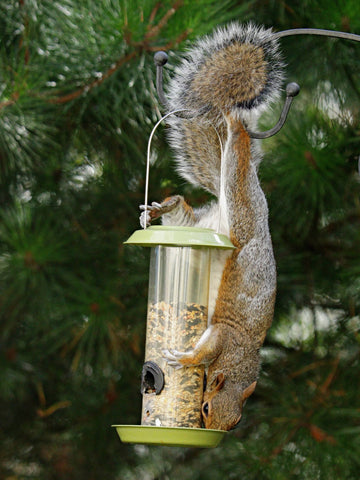
Are you tired of squirrels raiding your pinecone bird feeder and scaring away your feathered friends? You’re not alone.
Those clever little critters can turn your peaceful bird-watching moments into a frustrating game of chase. But don’t worry—there are simple, effective ways to keep squirrels at bay without harming them. You’ll discover easy tips and tricks that let you enjoy your bird feeder just the way you want.
Ready to protect your feeder and welcome more birds? Let’s dive in.
Choosing The Right Feeder
Choosing the right feeder plays a key role in keeping squirrels away from your pinecone bird feeder. The feeder’s material and design influence how easy it is for squirrels to reach the seeds. Selecting feeders that are tough and cleverly designed can reduce squirrel visits. Some feeders also use special mechanisms that react to weight, blocking squirrels but allowing smaller birds to feed. This section explains what to look for when picking a feeder.
Material And Design Matters
Strong materials stop squirrels from chewing through feeders. Metal and heavy-duty plastic feeders work well. Thin plastic or wood feeders break easily. Designs that hang away from branches or poles help too. Avoid feeders with open perches where squirrels can sit. Choose ones with small feeding ports or cages to limit squirrel access.
Weight-activated Feeders
Weight-activated feeders sense the weight on the perch. They close off access when heavy animals, like squirrels, try to feed. Lighter birds can still reach the seeds safely. These feeders use springs or baffles to shut seed openings. They provide an automatic way to keep squirrels away without constant effort.

Credit: elizabethgracegardens.com
Placement Strategies
Proper placement of your pinecone bird feeder can keep squirrels away effectively. Squirrels are agile and clever, but smart positioning makes it harder for them to reach the feeder. Focus on height and location to reduce squirrel visits. Also, consider how close the feeder is to jumping points like trees or fences.
Ideal Height And Location
Place the feeder at least 5 to 6 feet off the ground. This height makes jumping harder for squirrels. Choose a spot with clear space below the feeder. Avoid placing it near thick branches or shrubs where squirrels can hide. Open areas give birds safe access and limit squirrel paths.
Distance From Jumping Points
Keep the feeder at least 8 to 10 feet away from trees, fences, or roofs. Squirrels can jump long distances, but this gap makes it challenging. Check for nearby poles or wires squirrels can use to reach the feeder. Make sure these are far enough to block easy access. Clear obstacles create a safe zone for birds only.
Physical Barriers
Physical barriers help keep squirrels away from your pinecone bird feeder. These barriers stop squirrels from reaching the bird food. They are simple and effective tools. You can protect your feeder without harming the squirrels.
Using Baffles
Baffles are round or cone-shaped devices placed above or below feeders. They stop squirrels from climbing or jumping onto the feeder. Usually, baffles are made of metal or plastic. They create a slippery surface that squirrels cannot grip.
Place a baffle on the pole holding your feeder. Or hang one above the feeder on the wire. This blocks squirrels from getting close. Baffles are easy to install and clean.
Protective Cages
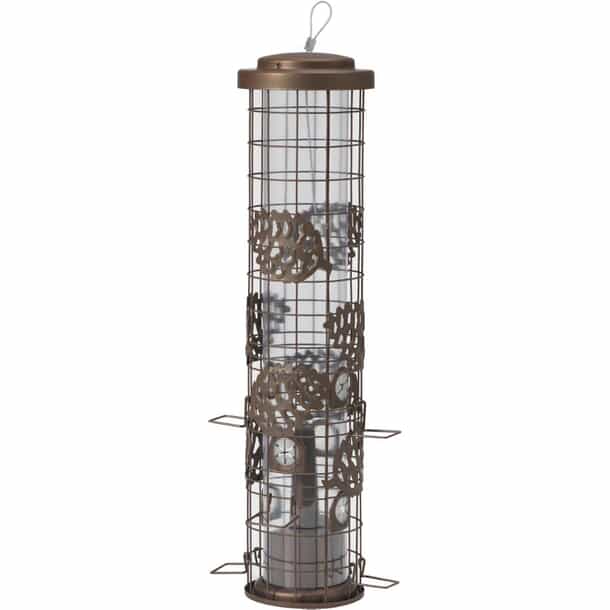
Protective cages surround the bird feeder with a metal frame. The cage has holes big enough for birds but too small for squirrels. This lets birds eat safely inside while keeping squirrels out.
Cages come in many shapes and sizes. Choose one that fits your pinecone feeder well. They also protect feeders from larger animals. Cages provide a strong, lasting barrier that works all year.
Credit: www.homehardware.ca
Squirrel Deterrents
Squirrels are clever creatures that often find their way to your pinecone bird feeder, causing frustration and wasted birdseed. Using effective squirrel deterrents can save you time and keep your feathered friends happy. Understanding the options available helps you choose the right approach for your yard.
Natural Repellents
Natural repellents offer a safe way to discourage squirrels without harming them. Many gardeners find success using strong smells squirrels dislike, such as peppermint oil or cayenne pepper sprinkled around the feeder.
Try soaking cotton balls in peppermint oil and placing them near your feeder. The scent is strong and deters squirrels but doesn’t bother birds. Another approach is mixing cayenne pepper with the birdseed; squirrels find the spicy taste unpleasant, but birds don’t mind it.
Have you noticed squirrels avoiding certain plants in your garden? Incorporate those plants, like garlic or mint, near your feeder area to create a natural barrier. This adds beauty to your yard while keeping squirrels away.
Commercial Repellent Options
If natural methods don’t work, commercial repellents provide a variety of choices designed specifically for squirrels. These include sprays, granules, and electronic devices that emit sounds or vibrations.
Look for squirrel repellents labeled safe for birds and pets to avoid unintended harm. Sprays with capsaicin, derived from chili peppers, are popular because they taste bad to squirrels but are harmless to birds.
Electronic deterrents use ultrasonic sounds that squirrels dislike but are mostly inaudible to humans. Before buying, check reviews to see if your local squirrels respond to these devices, as results can vary.
Would you prefer a low-maintenance solution or something you can adjust frequently? Commercial options often offer flexibility that natural repellents lack, so consider your lifestyle when choosing.
Feeding Alternatives
Dealing with squirrels at your pinecone bird feeder can be frustrating, but offering feeding alternatives can help keep these clever critters busy elsewhere. Instead of trying to outsmart them at your bird feeder, you can redirect their attention with other food sources designed just for them. This way, you protect your bird feeder and still enjoy watching wildlife in your yard.
Dedicated Squirrel Feeders
Setting up a dedicated squirrel feeder is one of the most effective ways to keep squirrels away from your bird feeder. These feeders are made to hold foods squirrels love, like peanuts, corn, or sunflower seeds, giving them a snack spot of their own.
Place the squirrel feeder away from your bird feeder—ideally, at least 10 feet apart. This separation tricks squirrels into focusing on their own food station rather than raiding your pinecone feeder.
I once installed a squirrel feeder filled with roasted peanuts, and within days, the squirrels stopped bothering my bird feeder completely. It’s amazing how a little diversion can change their habits.
Alternative Food Sources
Offering alternative food sources can also help satisfy squirrels’ appetites and reduce their interest in your pinecone feeder. You can scatter corn cobs or place small piles of shelled nuts in a safe spot in your yard.
Try mixing different types of nuts and seeds to see what attracts the squirrels most. You might find that they prefer one type, which can help you plan your squirrel feeding strategy more effectively.
Have you noticed how squirrels seem to prefer certain snacks over others? Paying attention to their favorites can save your bird feeder from unwanted visitors and help you enjoy watching squirrels without any hassle.
Credit: happygardens.com
Maintenance Tips
Keeping your pinecone bird feeder squirrel-free needs regular upkeep. Maintenance helps the feeder stay in good shape and keeps squirrels away. Simple tasks done often protect your feeder and invite more birds.
Regular Cleaning
Clean the feeder every two weeks to stop mold and bacteria. Use warm water and mild soap to wash all parts. Rinse well to remove soap traces that can harm birds. Dry the feeder completely before refilling it with seeds.
Cleaning removes old seeds that squirrels like to find. It also keeps the feeder looking fresh and new. A clean feeder attracts more birds and less squirrel activity.
Inspecting For Damage
Check the feeder for cracks, loose parts, or chew marks. Squirrels can exploit any weakness to reach the seeds. Tighten screws and fix broken pieces quickly to block their access.
Look at the hanging mechanism to ensure it is strong and stable. Replace worn strings or hooks to prevent the feeder from falling. Regular inspection helps catch problems early and saves time and money.
Frequently Asked Questions
How Can I Stop Squirrels From Eating Pinecone Bird Feeders?
Use squirrel baffles or place feeders on thin, slippery poles. Hang feeders away from trees and fences. Choose feeders with weight-sensitive perches that close under squirrel weight.
What Materials Deter Squirrels On Pinecone Feeders?
Metal and smooth plastic poles deter squirrels. Avoid wooden or rough surfaces squirrels can climb. Use grease or squirrel repellent sprays on poles.
Are There Squirrel-proof Pinecone Bird Feeders?
Yes, some feeders have cages or weight-sensitive mechanisms. These designs allow birds but block squirrels. Check product details for squirrel-proof features before buying.
Where Should I Hang Pinecone Feeders To Avoid Squirrels?
Hang feeders at least 10 feet from jumping points like trees. Place feeders 5-6 feet above the ground. Use thin, slippery poles to prevent climbing.
Conclusion
Keeping squirrels away can protect your pinecone bird feeder. Use squirrel baffles to block their path. Place the feeder away from trees and fences. Choose spicy bird feed they avoid. Regularly check and maintain your feeder’s condition. Consistent efforts ensure birds enjoy their meal.
Squirrels find it less appealing. Enjoy watching birds without unwanted guests. A peaceful garden for everyone. Your feeder stays safe and useful. Simple changes make a big difference. Now, birds can eat peacefully. Happy birdwatching!