
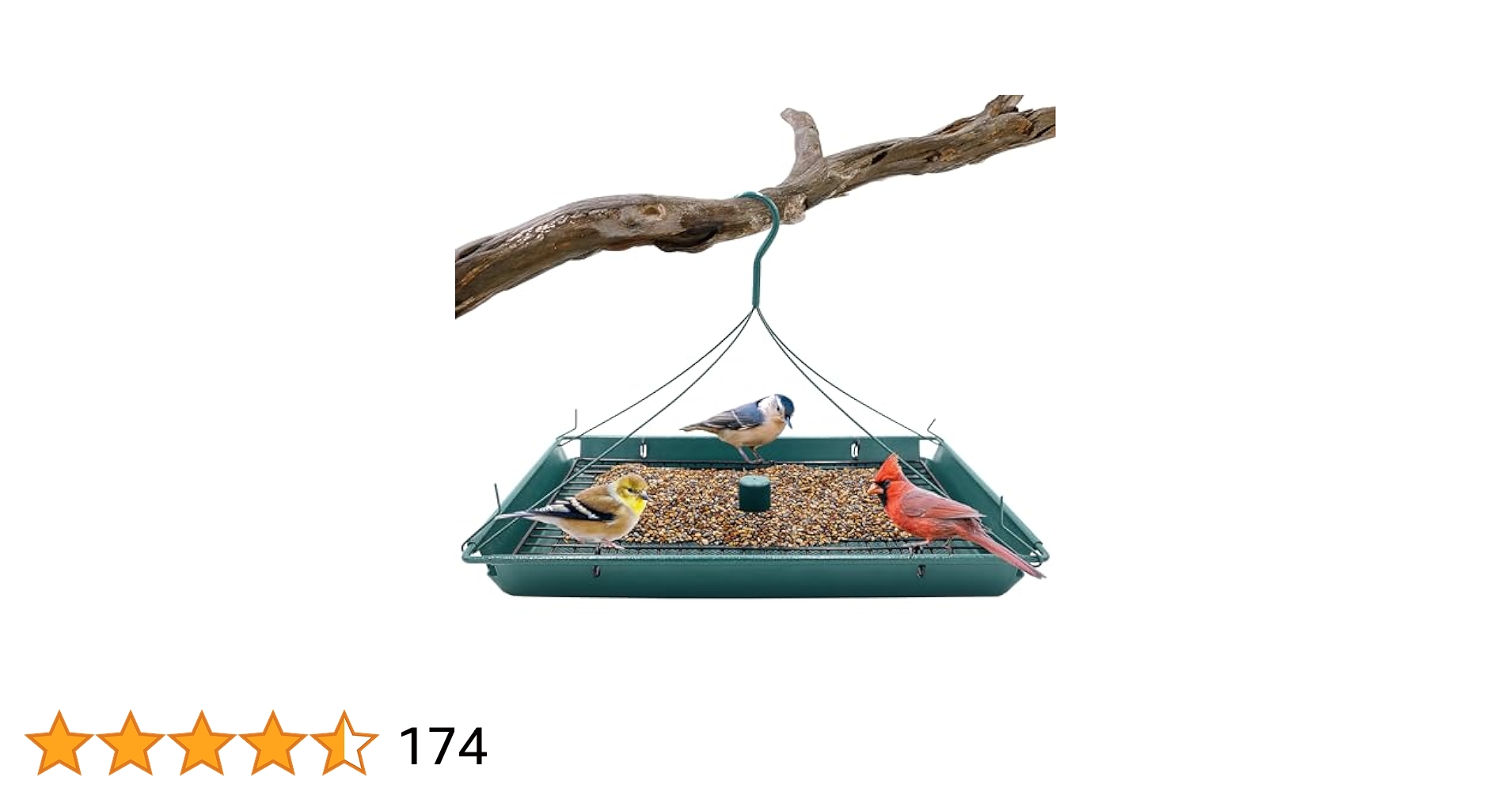
Have you ever wanted to bring more birds to your backyard and enjoy their lively visits up close? A platform bird feeder could be just what you need.
It’s simple, easy to use, and attracts a wide variety of birds. Imagine watching colorful birds gather right outside your window, filling your space with life and nature’s charm. You’ll discover exactly what a platform bird feeder is, why it might be perfect for your outdoor space, and how it can transform your birdwatching experience.
Keep reading—you’re about to unlock the secret to inviting more feathered friends to your home.

Credit: www.amazon.ca
Platform Bird Feeder Basics
Understanding the basics of a platform bird feeder can change how you attract and enjoy watching birds in your garden. These feeders offer a simple yet effective way to provide food for a variety of bird species. Let’s break down what makes a platform bird feeder unique and why it might be the perfect choice for your backyard birdwatching.
Design And Features
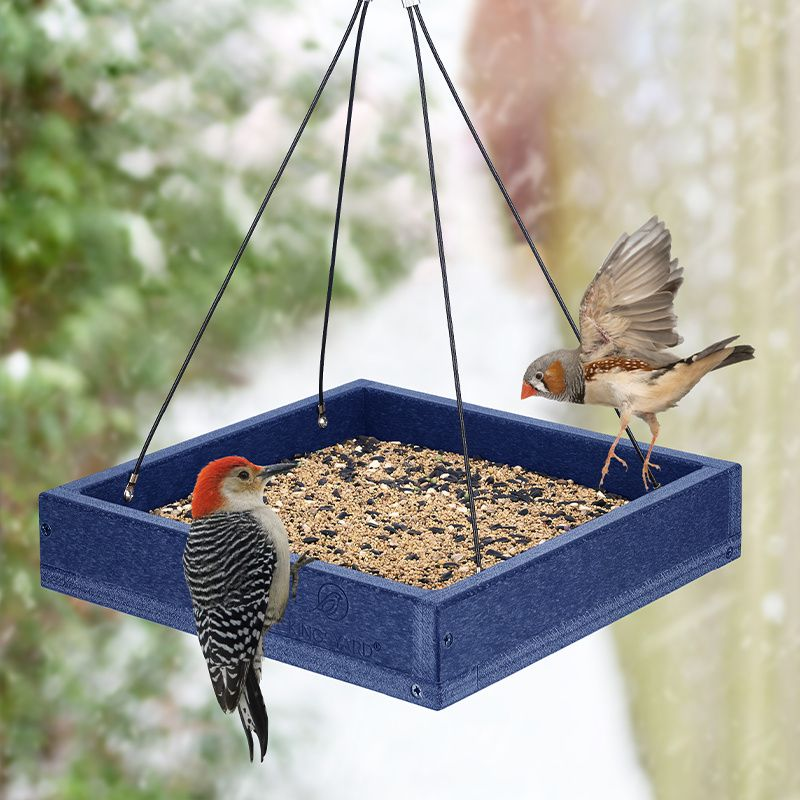
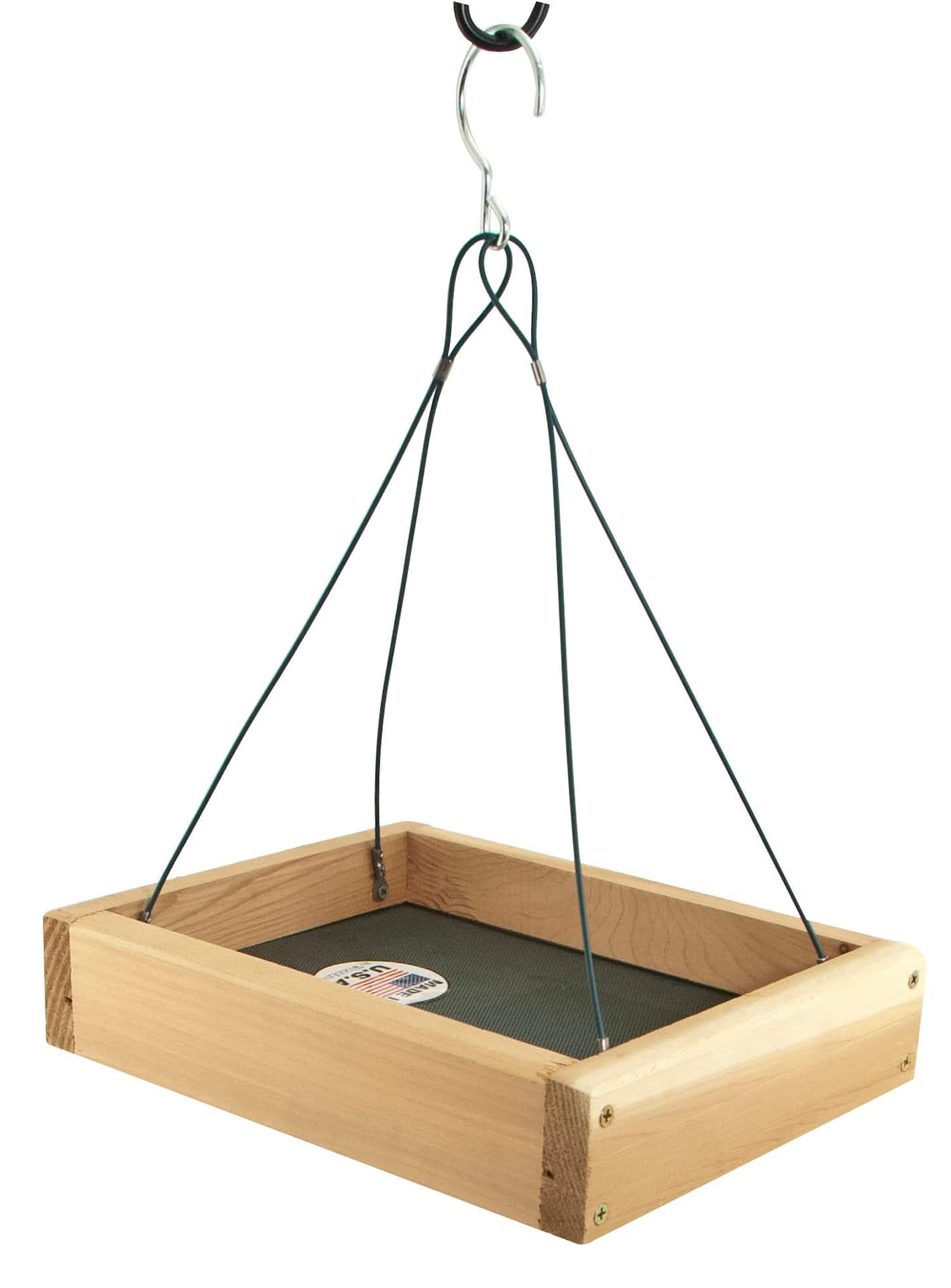
Platform bird feeders are essentially flat, open trays or platforms where you spread birdseed. Their open design allows birds to perch comfortably while they eat. Many models come with raised edges to keep seeds from spilling over, and some include a roof or mesh cover to protect the food from rain and squirrels.
One of the great things about platform feeders is their versatility. You can place different types of food on the platform, like seeds, nuts, or fruit, attracting a wider range of birds. Have you noticed how some birds prefer to eat on flat surfaces? This design caters perfectly to their needs.
Materials Used
Platform feeders come in various materials, each with its own benefits. Wood is popular for its natural look and sturdy build but requires regular maintenance to prevent rot. Metal feeders offer durability and are usually easier to clean, but they can get hot in the sun.
Plastic feeders are lightweight and often budget-friendly, but they may not last as long outdoors. Choosing the right material depends on your climate and how much time you want to spend maintaining the feeder. What kind of material would fit best in your garden environment?
Types Of Platform Feeders
- Basic Flat Platforms:Simple, open trays without covers, ideal for dry climates and bird species that prefer open feeding spots.
- Covered Platforms:Platforms with roofs or mesh screens to shield seeds from weather and larger animals.
- Tray Feeders with Stands:Elevated platforms on poles or stands, which help keep seeds away from ground predators.
- Window-Mounted Platforms:Small trays that stick to windows, offering a close-up view of birds while feeding.
Each type serves a different purpose and suits different birdwatching preferences. Have you considered which type would make bird feeding more enjoyable and easier for you?
Credit: www.kingsyard.com
Benefits For Birds
Platform bird feeders offer many benefits for wild birds. These feeders provide an open and safe space for birds to find food. Birds enjoy the ease of access and the variety of seeds offered. This type of feeder helps birds thrive by supporting their natural needs and habits.
Attracting Diverse Species
Platform feeders attract many types of birds. Their open design allows different species to feed together. Birds that prefer ground feeding or larger perches find it easy to use. This variety makes your yard lively and full of bird activity.
Feeding Accessibility
Birds with different sizes and shapes can reach the food easily. No small openings or tubes block their access. This is especially good for larger birds or young birds learning to feed. The flat surface gives them space to sit and eat comfortably.
Encouraging Natural Behavior
Platform feeders let birds feed in a natural way. Birds can hop, walk, or peck just like in the wild. They can also share space with others, which encourages social behaviors. This kind of feeding helps birds stay healthy and strong.
Choosing The Right Location
Choosing the right location for your platform bird feeder can make a huge difference in attracting a variety of birds and ensuring their safety. The spot you pick affects not only how often birds visit but also how comfortable and secure they feel while feeding. Think about how you want to enjoy birdwatching and what challenges the local environment may present.
Safe Placement Tips
Place your feeder away from areas where predators like cats or squirrels can easily reach it. Keep it at least 5 to 6 feet off the ground and near shrubs or trees that provide quick escape routes for birds. Avoid locations near windows to reduce the risk of birds colliding with glass.
My neighbor once put a feeder too close to a busy walkway, and the birds rarely stopped by. Moving it just a few feet deeper into the garden made a noticeable difference in visits and bird comfort.
Visibility For Birdwatching
Position your feeder where you can see it clearly from your favorite viewing spot inside the house or your garden bench. A location with a clean background, like the sky or distant trees, helps you spot the birds easily. Think about how you want to observe—through binoculars, a camera, or just your eyes—and choose accordingly.
Have you noticed how a feeder placed near a window with no obstructions invites more frequent and longer visits? Visibility isn’t just for you; birds prefer spots where they can watch for danger while feeding.
Weather Considerations
Pick a place that offers some protection from harsh weather, such as strong winds, heavy rain, or direct afternoon sun. Positioning your feeder near a tree or under an overhang can shield birds and keep feed dry. Avoid spots that get soaked during rainstorms or bake under the hot sun, which can spoil the seeds quickly.
One season, I placed my feeder in full sun, and the seeds spoiled faster than expected. Moving it to a shaded spot under a large oak tree kept the food fresh longer and attracted more birds, even on hot days.
Best Seeds For Platform Feeders
Choosing the right seeds for your platform bird feeder can make a big difference in the types of birds that visit your yard. Platform feeders offer an open, flat surface that attracts a wide variety of birds, so selecting seeds that appeal to many species is key. Understanding which seeds work best can help you enjoy a lively and diverse birdwatching experience.
Popular Seed Choices
Black oil sunflower seeds are a favorite among many birds because they have thin shells and high oil content, making them easy to eat and nutritious. Millet is another great choice, especially for ground-feeding birds like sparrows and doves. If you want to attract cardinals or grosbeaks, safflower seeds are excellent, as these birds love them but squirrels tend to avoid them.
Have you noticed certain seeds attract more colorful birds? Try mixing sunflower seeds with peanuts or cracked corn to draw a wider range of species. This variety not only keeps the birds interested but also adds visual excitement to your feeder.
Seasonal Seed Options
Bird preferences can change with the seasons, so adjusting your seed mix can keep visitors coming year-round. In winter, high-fat seeds like sunflower and peanuts provide essential energy to help birds stay warm. During spring and summer, smaller seeds like nyjer or thistle work well to attract finches and other small songbirds.
Consider what birds are common in your area each season. Offering fresh seed options based on the time of year can increase your chances of seeing rare or migratory birds stop by.
Avoiding Spoiled Food
Platform feeders don’t have covers, so seeds can easily get wet and moldy. Wet seeds not only lose their nutritional value but can also harm birds. Make sure to clean your feeder regularly and replace seeds that look clumped or discolored.
Have you ever seen birds avoid your feeder? It might be due to old or spoiled seed. Keeping your platform feeder fresh and dry ensures that your feathered friends have a safe, tasty meal every time they visit.
Maintenance And Cleaning
Platform bird feeders need regular care to keep birds safe and happy. Clean feeders stop harmful germs and mold from growing. Simple maintenance helps your feeder last longer and stay attractive for birds.
Cleaning Frequency
Clean your platform feeder at least once a week. During wet seasons, clean it twice a week to prevent mold. After heavy rain, check the feeder for moisture and dirt. Always remove old seeds before adding new ones.
Preventing Mold And Disease
Mold grows quickly on wet seeds and can harm birds. Use a brush and warm soapy water to scrub the feeder. Rinse thoroughly to remove soap. Dry the feeder completely before refilling. Avoid overcrowding seeds to reduce moisture buildup.
Durability Tips
- Use a soft brush to avoid scratches.
- Check for cracks or damage regularly.
- Apply a bird-safe sealant if the feeder is wooden.
- Store the feeder indoors during harsh weather.
- Replace worn parts to keep the feeder sturdy.
Attracting More Birds
Attracting more birds to your platform bird feeder can turn your backyard into a lively sanctuary. The key lies not just in the feeder itself, but in how you enhance the feeding area to meet different birds’ needs. Small changes can make a big difference in who visits and how often.
Using Additional Food Types
Different birds prefer different foods. By offering a variety of seeds, nuts, and fruits, you invite a broader range of species. Try adding sunflower seeds, suet cakes, and chopped apples to your platform feeder.
I once added mealworms to my feeder and noticed an increase in insect-eating birds like bluebirds and wrens. This simple addition brought a new dimension of life to my garden. What unique food could you add to surprise your feathered visitors?
Providing Water Sources
Birds need water for drinking and bathing. A shallow birdbath near your platform feeder encourages longer visits and keeps birds healthy. Make sure to keep the water clean and fresh, especially during hot or dry weather.
Adding a dripper or fountain feature can attract birds by mimicking natural water sounds. Does your yard offer a welcoming water spot that makes birds want to stay?
Creating A Bird-friendly Habitat
Beyond food and water, birds look for safe, comfortable places. Plant native shrubs and trees around your feeder to offer shelter and nesting spots. These natural perches make your yard a safer and more attractive environment.
Consider leaving leaf litter or a small brush pile nearby to provide insects and hiding spots. What habitat features could you add that would make your space irresistible to birds?
Common Challenges
Platform bird feeders offer a wonderful way to watch various bird species up close. However, they come with their own set of challenges that can test your patience and ingenuity. Addressing these common issues helps ensure your feeder stays a safe and inviting spot for birds.
Dealing With Squirrels
Squirrels are persistent visitors that often raid platform feeders, consuming large amounts of birdseed. Their agility makes it tough to keep them away using simple barriers.
Try using squirrel baffles or placing the feeder on a pole far from trees and fences. Some bird lovers find success by offering squirrel-proof feeders nearby to distract them. Have you noticed which tactics squirrels in your area respond to best?
Protecting From Predators
Predators like cats and hawks can pose a threat to birds visiting your feeder. Birds may hesitate to come if they feel unsafe.
Position your platform feeder in an open area where birds have clear sight lines to spot danger early. Adding nearby shrubs or trees provides quick escape routes without giving predators cover. How can you balance visibility and shelter in your garden?
Weather Damage Solutions
Exposure to rain, wind, and sun can cause platform feeders to wear out quickly. Moldy or soggy seed can harm birds and discourage visits.
Opt for feeders made of weather-resistant materials like treated wood or metal. Elevate the platform slightly or add a small roof to shield seeds from rain. Regularly clean and dry your feeder to maintain a healthy feeding spot. What simple adjustments could improve your feeder’s durability today?
Credit: www.canadiantire.ca
Frequently Asked Questions
What Is A Platform Bird Feeder?
A platform bird feeder is a flat, open feeding surface for birds. It allows multiple birds to feed at once. It attracts various bird species due to its accessibility and visibility.
How Does A Platform Bird Feeder Work?
Birds land on the flat surface to access seeds or food. The open design makes it easy for birds to perch and eat. It does not limit bird size or species.
What Are The Benefits Of Platform Bird Feeders?
They attract a wide variety of birds. Easy to clean and refill regularly. Platform feeders offer good visibility for birdwatching.
Where Should I Place A Platform Bird Feeder?
Place it in a quiet, safe area away from predators. Ideally near trees or shrubs for bird cover. Ensure it’s visible but protected from harsh weather.
Conclusion
A platform bird feeder offers simplicity and joy. Birds can easily access food. This type of feeder suits various bird species. It provides a clear view for birdwatching enthusiasts. Easy to clean and refill. Ideal for both beginners and experienced bird lovers.
A great addition to any garden or backyard. Encourages a connection with nature. Enhances outdoor spaces with vibrant wildlife. Consider adding a platform feeder to your outdoor area. Enjoy the beauty and diversity of birds.