
Are you ready to help your feathered friends enjoy a healthy, natural diet this summer? Knowing how to wean birds off your feeder is key to supporting their well-being as the seasons change.
If you’ve ever wondered how to gently encourage birds to find food on their own while still keeping them safe and happy, you’re in the right place. This guide will show you simple, effective steps to make the transition smooth—for both you and your backyard visitors.
Keep reading to discover how to balance caring for your birds with letting nature take its course.
Benefits Of Weaning Birds
Weaning birds off feeders during summer offers many advantages. It helps birds adapt to natural food sources. This change supports their survival skills and well-being. Gradually reducing feeder use benefits both birds and your garden ecosystem.
Encouraging Natural Foraging
Birds learn to find food on their own. They explore plants, insects, and seeds around them. This behavior improves their ability to survive in the wild. Natural foraging also keeps birds active and mentally sharp.
Promoting Bird Health
Relying less on feeders reduces the risk of illness. Natural diets provide a variety of nutrients. Birds eating diverse foods strengthen their immune systems. This leads to healthier, stronger birds throughout the year.
Reducing Dependency
Weaning helps birds avoid dependence on human-provided food. They become more independent and resilient. This independence prepares them for seasonal food changes. Birds learn to cope better during scarce times.
Best Time To Start
Choosing the best time to start weaning birds off your feeder for summer is crucial. Timing affects how smoothly birds adjust to natural food sources. You want to avoid stressing them or causing sudden food shortages.
Seasonal Considerations
Spring’s end and early summer is often the ideal window. Natural food like insects and berries become more abundant then, allowing birds to find nourishment elsewhere.
Pay attention to local climate trends. If your area experiences a late spring, you might need to wait longer before reducing feeder offerings. On the other hand, an early warm season means you can start sooner.
Think about your personal experience with your feeder. Have you noticed birds lingering more or less as the days get warmer? This can guide your timing better than a fixed calendar date.
Bird Activity Patterns
Birds change their feeding habits as the seasons shift. Early summer often brings increased foraging activity away from feeders as natural food sources peak.
Observe when birds begin spending more time exploring natural habitats. This behavior signals readiness to rely less on your feeder.
Try gradually reducing the amount of food at times when bird visits naturally decrease during the day. This helps birds adapt without sudden hunger.
Ask yourself: Are the birds still dependent on your feeder, or are they actively foraging on their own? Your answer will help you decide the right moment to start the transition.
Gradual Reduction Techniques
Gradual reduction techniques help birds adjust smoothly to having less food from your feeder during summer. Abrupt changes can stress them and disrupt their natural feeding habits. By slowly reducing their dependence, you give birds time to find alternative food sources and stay healthy.
Decreasing Food Quantity
Start by cutting down the amount of seed or nectar you put out each day. Instead of filling the feeder all the way, try filling it halfway and observe how the birds respond.
If you notice they are still visiting regularly, reduce the quantity a bit more every few days. This gentle decrease encourages birds to seek other food sources naturally.
Keep an eye on the types of birds visiting—some may adapt faster, while others might need more time. Have you noticed which birds are the most persistent at your feeder?
Increasing Time Between Feedings
Another way to wean birds off feeders is by extending the time between refills. If you usually refill twice a day, switch to once daily for a few days.
After that, try refilling every other day. This makes the birds gradually rely less on your feeder and more on natural food availability.
Try combining both reducing quantity and increasing intervals for a balanced approach. What changes do you see in bird activity as the feeding schedule shifts?
Altering Feeder Setup
Altering your bird feeder setup is a smart way to help birds adjust to seasonal changes. By making small changes, you can encourage birds to explore natural food sources and gradually reduce their dependency on feeders. This approach not only supports their natural behavior but also keeps your backyard birdwatching enjoyable throughout summer.
Changing Feeder Location
Moving your feeder to a new spot can make a big difference. Try relocating it closer to trees or bushes where birds naturally forage. This encourages them to spend more time exploring their surroundings instead of relying solely on the feeder.
Have you noticed birds often prefer feeders near cover? Placing feeders near shrubs or tall plants provides a safe feeling for birds, making them more comfortable as they transition away from feeders. Experiment with different locations and watch how bird activity changes over a week or two.
Using Different Food Types
Switching up the food you offer can guide birds toward natural diets. If you usually use sunflower seeds, try adding fruits like berries or mealworms. These foods mimic what birds find in the wild during summer.
Offer a variety of seeds and fresh foods to see what your local birds prefer. You might be surprised when birds that ignored your feeder start visiting it again because of the new options. This variety helps birds gradually shift their diet without feeling starved or stressed.
Encouraging Alternative Food Sources
Encouraging alternative food sources is key to helping birds transition away from feeders during summer. By offering natural options, you help birds develop sustainable feeding habits and support local ecosystems. This also reduces their reliance on feeders, making your garden a thriving, bird-friendly space all season long.
Planting Native Vegetation
Native plants provide birds with familiar food sources like seeds, berries, and insects. Adding shrubs like serviceberry or elderberry offers tasty berries that many birds love. Grasses such as little bluestem produce seeds and attract insects, giving birds varied nutrition.
Planting native flowers attracts pollinators, which in turn become food for insect-eating birds. Have you noticed how a patch of coneflowers or milkweed can bring a sudden burst of bird activity? These plants create a natural buffet that encourages birds to explore beyond your feeder.
Providing Water Sources
Water is as important as food for birds, especially in the summer heat. A shallow birdbath or a small pond offers hydration and attracts insects, adding to the food variety. Moving water, like a dripper or fountain, can be even more inviting to birds.
Place water sources near vegetation to create a safe and comfortable environment. You might be surprised how often birds return to a reliable water spot. Could your backyard benefit from adding a simple water feature to support local wildlife?

Credit: www.aol.com
Monitoring Bird Behavior
Monitoring bird behavior is essential when you start to wean them off feeders for the summer. Birds can show subtle or obvious signs that tell you how well they are adjusting to the change. Paying close attention helps you support their transition without causing harm or stress.
Signs Of Stress
Birds under stress may act differently around the feeder or in their usual spots. You might notice:
- Increased vocalizations or loud calls
- Restlessness or pacing near the feeder
- Decreased feeding or avoiding the feeder altogether
- Feather plucking or unusual preening
- Less interaction with other birds
These signs don’t always mean something is wrong, but if you see several together, it’s time to reconsider your approach. Have you ever seen birds suddenly stop coming around? That could be a stress signal.
Adjusting Strategy Accordingly
If you spot stress signs, slow down the weaning process. Instead of cutting off food quickly, try reducing portions gradually over more days. You can also add natural food sources nearby, like planting native flowers or shrubs that attract insects and seeds.
Try changing feeder locations or types to see if birds respond better. Sometimes, offering different seed varieties can help ease their transition. What small change could make your backyard a more welcoming place for birds during this period?
Common Challenges And Solutions
Weaning birds off feeders for summer isn’t always smooth. You might face some common challenges that test your patience and creativity. Understanding these obstacles helps you find practical solutions that work for both you and the birds.
Dealing With Persistent Feeders
Some birds get very used to the easy food source and won’t give up the feeder easily. You might notice them hanging around longer or returning multiple times a day. This can be frustrating if you want them to switch back to natural foraging.
Try gradually reducing the amount of food you provide instead of stopping suddenly. This encourages birds to explore other food sources without leaving them hungry. Also, move the feeder farther away each day to slowly disconnect their routine.
Have you noticed that some species are more stubborn than others? For example, house finches often linger longer compared to chickadees. Adjust your approach depending on the birds visiting your feeder to get better results.
Managing Predators
Predators like cats and hawks can become a bigger problem when you reduce feeder use. Birds might feel more vulnerable when natural food is scarce, making them easy targets. This risk can discourage you from weaning them off feeders.
Keep your yard safe by trimming thick bushes and placing feeders in open areas with good visibility. You can also use baffles or protective cages around feeders to deter predators. These simple steps help birds feel safer while they adjust to feeding naturally.
Have you tried observing predator activity at different times of the day? Changing your feeding schedule might reduce risk. Birds often feed when predators are less active, so aligning with this can protect your feathered friends.
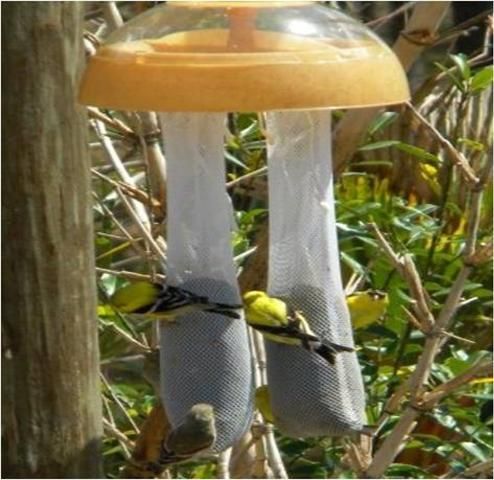
Credit: edis.ifas.ufl.edu
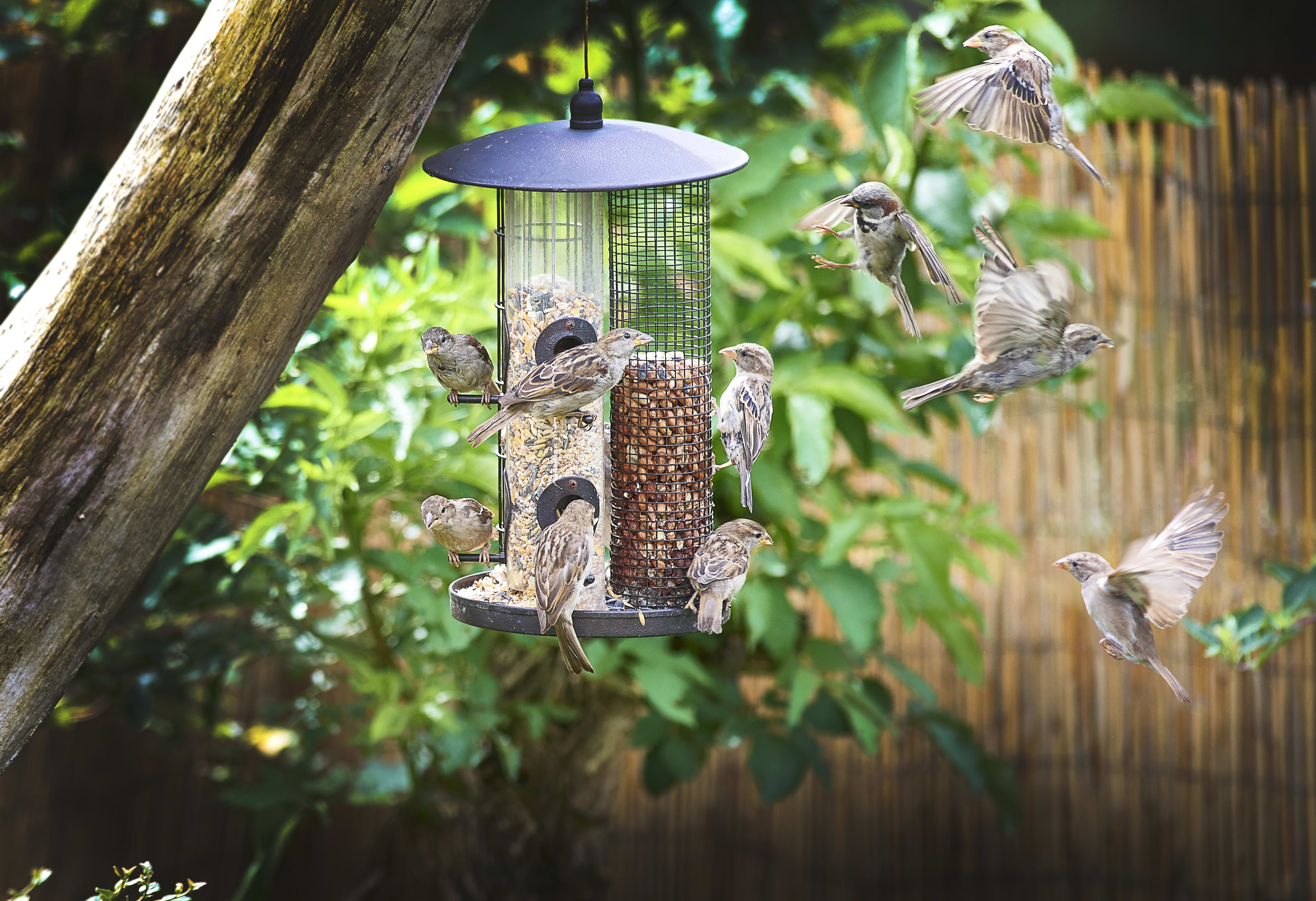
Credit: dengarden.com
Frequently Asked Questions
How To Gradually Stop Using Bird Feeders?
To wean birds off feeders, reduce feeding times gradually. Introduce natural food sources like plants and insects. Encourage birds to forage naturally by planting native shrubs and flowers. Consistency is key to help birds adjust. Monitor their behavior and ensure they find food sources easily in your garden.
When Is The Best Time To Wean Birds?
Start weaning birds in late spring or early summer. This timing aligns with increased natural food availability. Warmer months offer abundant insects and seeds. Birds can adapt to finding food naturally. Ensuring a gradual transition helps maintain their health and well-being during this period.
What Are Natural Food Sources For Birds?
Natural food sources include insects, seeds, fruits, and nectar. Planting native flowers and shrubs attracts birds. These plants provide essential nutrients and shelter. Supplement with bird-friendly trees and bushes. These natural sources help maintain a balanced diet, ensuring birds thrive without relying solely on feeders.
Do Birds Become Dependent On Feeders?
Birds can become reliant on feeders if not weaned properly. Regular feeding may reduce their natural foraging skills. Gradual weaning encourages independence and adaptation to natural food sources. A balanced approach ensures birds maintain their instinctive foraging abilities while benefiting from occasional feeder use.
Conclusion
Weaning birds off feeders helps them enjoy natural food sources. Start slowly by reducing seed amounts each day. Place feeders in shaded spots to keep birds comfortable. Watch birds adjust and find new food nearby. This process supports their health and natural habits.
Patience and care make the change smooth and safe. Nature provides plenty for birds during summer months. Keep enjoying birdwatching as they grow more independent. Your effort helps birds stay strong and happy. A simple change brings great benefits for your feathered friends.