
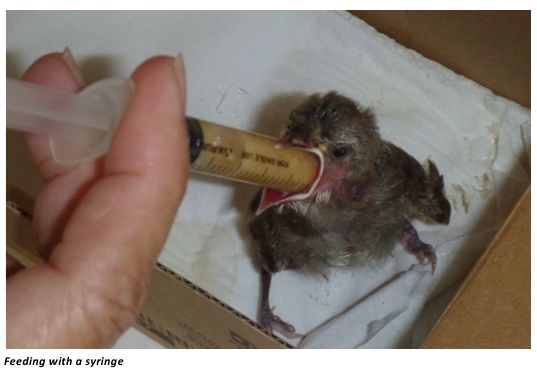
If you’ve been hand-feeding your bird, you know how rewarding it feels to watch them grow and thrive. But now, it’s time for an important step: helping your feathered friend start eating on their own.
This transition can be tricky, and you might worry about your bird’s health or happiness. Don’t worry—you’re not alone, and with the right approach, you can make this change smooth and stress-free. Keep reading, and you’ll discover simple, effective tips to guide your bird from hand-feeding to self-feeding confidently and happily.
Signs Your Bird Is Ready
Recognizing when your bird is ready to switch from hand-feeding to self-feeding is important. Birds show clear signs that they want to become more independent. Watching these signs helps you support their growth and confidence.
Behavioral Changes
Your bird may become more active and alert. It might explore its surroundings more and try new things. Notice if it starts pecking at objects or food outside your hand. These changes show a willingness to learn and try feeding itself.
Increased Curiosity
Curiosity is a strong signal your bird is ready. It may watch other birds eat or investigate food bowls. The bird might reach for seeds or pellets with its beak. Interest in new textures and tastes means it wants to practice self-feeding.
Reduced Dependence On Hand-feeding
Your bird may start eating less from your hand. It might refuse some feeds or take longer to accept food. This behavior shows growing confidence and a desire to feed independently. Respect this sign and encourage self-feeding gradually.
Preparing The Feeding Environment
Preparing the feeding environment is a crucial step when helping your bird move from hand-feeding to eating independently. Creating a space that invites your bird to explore food on its own sets the stage for success. It’s about making the transition smooth and stress-free for both of you.
Selecting The Right Food
Choose foods that are easy for your bird to pick up and eat by itself. Soft fruits, small seeds, and pellets designed for your bird’s species work well. Avoid offering too many new foods at once; introduce one or two options to prevent overwhelming your bird.
Think about your bird’s preferences—have you noticed which foods it seems curious about during hand-feeding? Start there and gradually expand the variety. This personalized approach encourages your bird to try new things without fear.
Setting Up Feeding Stations
Create multiple feeding spots within your bird’s cage or play area to encourage exploration. Use shallow dishes or small bowls that your bird can easily access. Position these in quiet, well-lit areas where your bird feels safe.
Try placing food near favorite perches to increase the chances your bird will notice it. Have you seen your bird linger in certain spots? Those are prime locations for feeding stations. Changing the setup occasionally keeps your bird curious and engaged.
Maintaining Cleanliness
Cleanliness is essential to prevent illness and keep your bird interested in the feeding area. Remove uneaten food daily and wash dishes thoroughly with mild soap and warm water. Dirty feeding stations can deter your bird from eating independently.
Regularly check for mold or spoiled food, especially in humid environments. Keeping the area fresh sends a clear message to your bird that this is a safe place to eat. Have you noticed changes in your bird’s eating habits after cleaning? It can make a surprising difference.
Step-by-step Transition Process
Transitioning your bird from hand-feeding to self-feeding is a delicate process that requires patience and consistency. Breaking this down into manageable steps helps both you and your bird adjust smoothly. Let’s walk through a clear path that encourages your feathered friend to eat independently while feeling secure.
Gradual Reduction Of Hand-feeding
Start by slowly decreasing the amount of food you offer by hand during feeding times. Instead of giving the full portion directly, offer smaller bites and allow your bird to nibble on food placed nearby. This change nudges your bird to explore eating without relying solely on your hand.
Watch your bird’s reaction closely. If it seems hesitant or stressed, slow down the reduction pace. The goal is to build confidence, not to rush the process.
Introducing Food In The Cage
Place small amounts of fresh food inside the cage where your bird can see and smell it easily. Use familiar foods initially to spark interest and make the transition less intimidating. Position the food near your bird’s favorite perch to encourage natural eating behavior.
If your bird ignores the food, try moving it closer or changing its type. Sometimes, adding a few seeds or treats on top can make the new food more appealing.
Encouraging Independent Eating
Create a positive environment that rewards your bird’s self-feeding attempts. Praise or gently pet your bird when it tries to eat on its own, reinforcing the behavior. You can also introduce feeding toys or puzzle feeders to make eating an engaging activity.
Ask yourself: How can I make eating alone feel fun and safe for my bird? Small, encouraging steps help your bird gain independence while maintaining trust between you.

Credit: www.reddit.com
Common Challenges And Solutions
Transitioning your bird from hand-feeding to self-feeding is a rewarding yet sometimes tricky process. You might face some common challenges that can test your patience and creativity. Understanding these issues and knowing how to tackle them will make the transition smoother for both you and your feathered friend.
Refusal To Eat Alone
Many birds feel insecure eating without your presence, especially if they’re used to hand-feeding. Your bird might refuse food or become anxious when left to eat on its own. To ease this, try sitting nearby and talking softly while your bird explores eating independently.
Another tactic is offering favorite treats in the feeding dish to attract your bird. Have you noticed your bird watching you eat or feed others? Use that curiosity to your advantage by eating near your bird during mealtime. This encourages them to imitate and gain confidence.
Messy Eating Habits
Self-feeding often comes with spills and scattered seeds, which can frustrate you. Birds learning to eat alone may drop food frequently or scatter it outside the dish. Instead of getting annoyed, view this as a natural part of learning.
Place feeding dishes on easy-to-clean surfaces or use a tray to catch stray food. You might also experiment with different types of feeders or food textures to reduce mess. Have you tried switching from loose seeds to pellets or soft foods that stick better?
Health Monitoring
Watching your bird’s health becomes more important once they start eating independently. You lose the direct control of hand-feeding, so monitoring food intake and droppings is crucial. Keep a daily log of how much your bird eats and note any changes in behavior or stool.
If your bird suddenly eats less or seems lethargic, contact a vet immediately. Regular weigh-ins can help you catch problems early. How often do you check your bird’s weight? Making it a routine can prevent serious issues before they escalate.
Boosting Confidence And Comfort
Helping your bird move from hand-feeding to self-feeding takes more than just offering food differently. Your bird needs to feel confident and comfortable to make this change smoothly. Building a supportive environment can make all the difference in encouraging independence while keeping your bird happy and stress-free.
Positive Reinforcement
Encourage your bird by praising every small success. When your bird pecks at food independently, offer gentle praise or a favorite treat. This helps your bird connect self-feeding with positive feelings.
Use a calm and cheerful tone to reinforce good behavior. Avoid scolding or showing frustration if your bird hesitates. Instead, patience and rewards will motivate your bird more effectively.
Social Interaction
Your bird learns a lot by watching you and other birds. Spend time eating near your bird or place food where they can see others feeding. This social example encourages your bird to try self-feeding.
Talk softly and engage with your bird during feeding times. This interaction builds trust and makes your bird more willing to explore new behaviors. Have you noticed how your bird reacts when you share meal moments together?
Creating A Safe Space
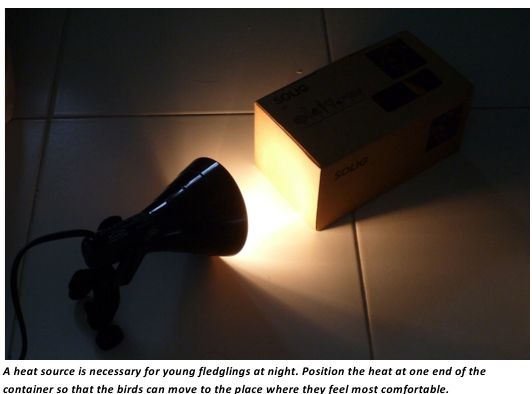
Your bird needs a quiet, secure place to explore self-feeding without distractions. Choose a spot free from loud noises or sudden movements. This helps your bird focus and feel less anxious.
Keep food dishes stable and easy to access. Adding familiar toys nearby can also provide comfort. How does your bird behave in different parts of its cage or room? Observing this can help you create the ideal feeding environment.
Credit: besgroup.org
When To Seek Professional Help
Knowing when to seek professional help during your bird’s transition from hand-feeding to self-feeding is crucial. Some challenges may signal that your bird needs more than just your patience and encouragement. Ignoring these signs can affect your bird’s health and well-being.
Signs Of Nutritional Deficiency
Watch for changes in your bird’s feathers, skin, and energy levels. Dull feathers, excessive feather plucking, or lethargy can indicate nutritional gaps. You might notice weight loss or abnormal droppings that don’t improve despite your efforts.
Have you noticed your bird losing interest in food or struggling to gain weight? These signs suggest your bird isn’t getting the right nutrients and needs expert evaluation.
Persistent Feeding Issues
If your bird refuses to eat on its own for more than a few days, it’s time to get help. Constant begging or dependence on hand-feeding beyond the expected transition period is a red flag. Struggling with swallowing or signs of choking also call for immediate attention.
Remember, birds can become stressed or develop behavioral issues if forced to eat before they are ready. Professional guidance can provide a tailored plan that suits your bird’s unique needs.
Veterinary Advice
Consulting an avian vet early can prevent many complications. A vet can perform a thorough health check and recommend supplements or feeding techniques. Sometimes, medical issues like infections or organ problems cause feeding difficulties.
Don’t hesitate to ask your vet about the best timing and methods for transitioning your bird. Their advice can save you time, stress, and ensure your feathered friend stays healthy and happy.

Credit: www.reddit.com
Frequently Asked Questions
How Long Does Hand-feeding A Bird Usually Last?
Hand-feeding typically lasts 4 to 6 weeks, depending on the bird’s species and health. Gradual weaning helps the bird adjust comfortably. Consistent monitoring is essential to ensure the bird transitions smoothly to self-feeding without stress or nutritional loss.
When Should I Start Transitioning My Bird To Self-feeding?
Begin transitioning when the bird shows interest in solid food and can perch steadily. This usually occurs around 4 weeks old. Early introduction helps build independence and reduces reliance on hand-feeding, promoting natural foraging behaviors essential for growth and development.
What Foods Are Best For Self-feeding Birds?
Offer soft pellets, soaked seeds, and fresh fruits or vegetables as initial self-feeding options. These foods are easy to digest and encourage exploration. Avoid hard or toxic foods to prevent choking and health issues during the transition period.
How Can I Encourage My Bird To Eat Independently?
Place food near the bird and demonstrate eating behaviors to spark curiosity. Use hand-feeding tools less frequently and allow the bird to explore food textures. Positive reinforcement and patience are key to fostering confident self-feeding habits.
Conclusion
Transitioning a bird to self-feeding takes patience and care. Start slow. Use familiar foods they like. Gradually introduce new ones. Observe their behavior closely. Provide encouragement and gentle guidance. Ensure they have a safe, quiet space. Consistency is key for their comfort.
Always monitor their progress. Offer help if they struggle. Celebrate small victories together. Remember, each bird is unique. Their needs may vary. Be patient and supportive. This journey strengthens your bond. Your feathered friend will thrive with love. Embrace this rewarding experience.
Happy feeding!