
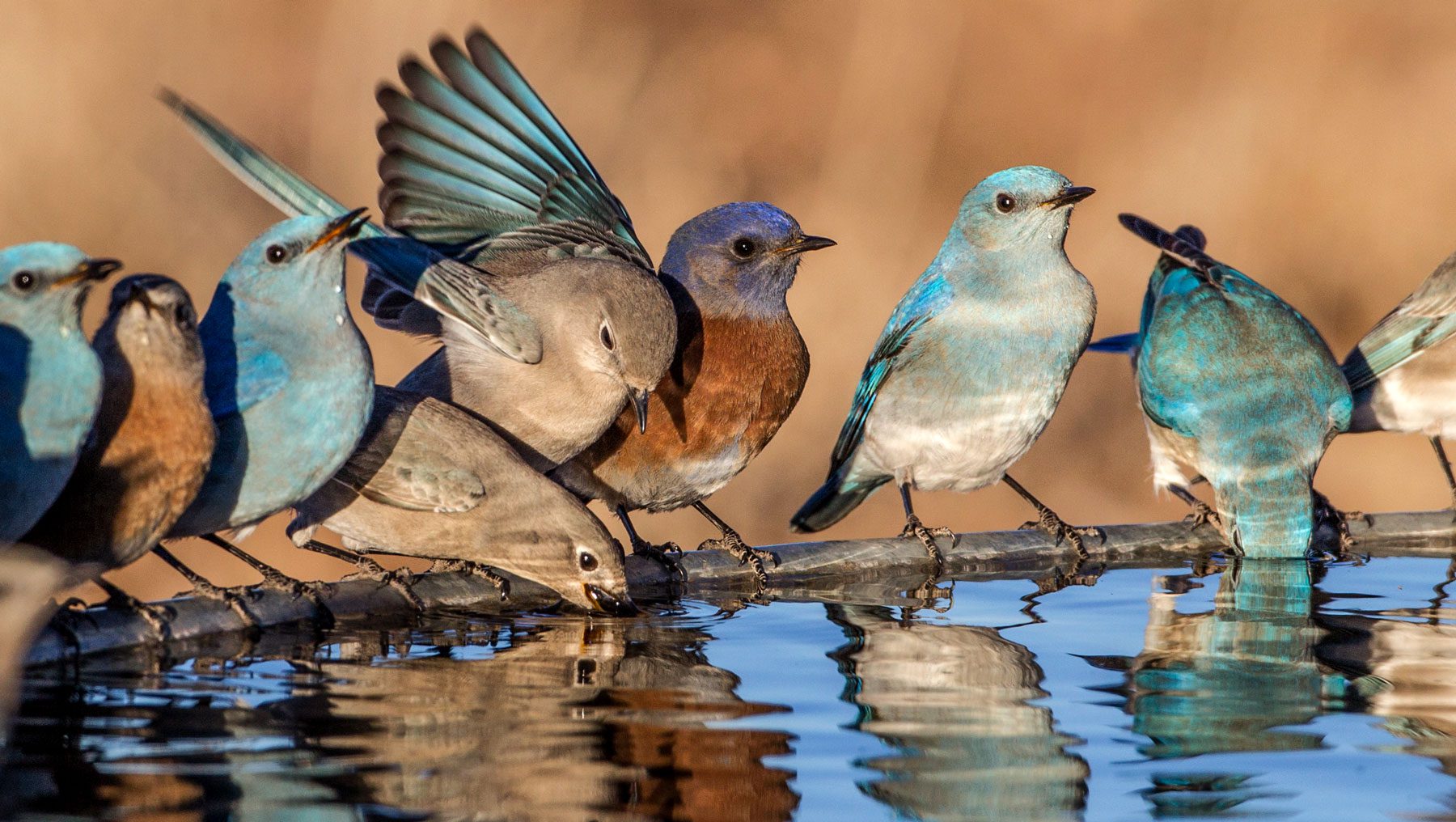
If you love watching bluebirds flutter around your yard, you’re in the right place. Getting these beautiful birds to visit your feeder can brighten your days and add a splash of color to your outdoor space.
But how do you attract them and keep them coming back? You’ll discover simple, proven tips that make your feeder irresistible to bluebirds. Keep reading, and soon your yard could be filled with the cheerful songs and vibrant feathers of these lovely visitors.
Choosing The Right Feeder
Choosing the right feeder is key to attracting bluebirds to your yard. The feeder must suit their feeding habits and be comfortable for them. A good feeder also keeps the food fresh and safe from pests. Paying attention to the feeder’s design and material makes a big difference in success.
Bluebirds prefer feeders that match their natural behavior. They often feed on platforms or in open areas where they can easily land. The feeder should offer easy access and enough space for multiple birds. Understanding their preferences helps in selecting the best feeder.
Types Of Feeders Blue Birds Prefer
- Platform feeders: Open and flat, perfect for bluebirds to perch and feed.
- Hopper feeders: Covered but with open sides, allowing easy access.
- Tray feeders: Shallow trays that offer seeds and mealworms clearly.
Tube feeders with small ports are less favored by bluebirds. They prefer open spaces where they can see surroundings clearly. Choosing feeders that mimic natural feeding spots attracts more bluebirds.
Materials And Design Tips
- Wood is ideal: Natural and blends well with outdoor settings.
- Metal feeders: Durable but can get hot or cold quickly.
- Plastic feeders: Lightweight but less sturdy over time.
Design should include drainage holes to keep food dry. Smooth edges prevent injury to delicate bluebird feet. Choose feeders with easy cleaning features to maintain hygiene. A feeder with a roof offers protection from rain and sun. Bright colors like blue can attract bluebirds but avoid flashy patterns.

Credit: happygardens.com
Selecting Suitable Bird Food
Choosing the right food is key to attracting bluebirds to your feeder. These birds have specific tastes that differ from other backyard visitors. Offering food they love will make them come back often and even bring their friends.
Best Seeds And Berries
Bluebirds prefer natural, nutrient-rich foods over typical birdseed mixes. Mealworms are a top choice; they provide high protein and are easy for bluebirds to eat.
- Live or dried mealworms
- Suet mixed with berries
- Native berries like elderberries, dogwood berries, and serviceberries
Seeds like sunflower seeds are not their favorite, but black oil sunflower seeds can attract bluebirds occasionally. Still, focus more on offering mealworms and fresh berries to keep them interested.
Seasonal Food Variations
Different seasons call for different food options to keep bluebirds nourished and visiting your feeder regularly. In spring and summer, live mealworms and fresh berries work best because bluebirds need protein for raising chicks.
As fall and winter approach, switch to dried fruits and suet. Bluebirds rely on energy-dense foods to survive colder temperatures. Have you noticed how your bluebirds’ preferences change with the seasons? Adjusting your feeder’s menu accordingly can make a big difference.
- Spring/Summer:Live mealworms, fresh berries, insects
- Fall/Winter:Dried berries, suet cakes, dried mealworms
Ideal Feeder Placement
Placing your bluebird feeder in the right spot is key to attracting these beautiful birds. Ideal feeder placement makes birds feel safe and welcome. It also helps you enjoy watching them up close. Small changes in location can make a big difference in visits from bluebirds.
Location For Maximum Visibility
Choose a spot where the feeder stands out clearly. Open areas near trees or shrubs are perfect. Bluebirds prefer places where they can see predators from a distance.
Place the feeder at a height of 4 to 6 feet. This height matches bluebirds’ natural perching level. Avoid spots too close to busy walkways or noisy areas. Keep the feeder visible from a window so you can watch easily.
Safe And Comfortable Surroundings
Bluebirds need a safe environment to feel secure. Surround the feeder with low bushes or small trees. These provide quick shelter if danger appears.
Keep feeders away from places where cats or other predators hide. Avoid dense shrubs that block views. Bluebirds like clear space around the feeder for easy takeoff and landing.
Make sure the area is quiet and peaceful. Loud noises or constant activity can scare birds away. A calm spot encourages bluebirds to stay longer and visit often.
Creating A Bird-friendly Habitat
Creating a bird-friendly habitat invites bluebirds to visit and stay longer. It offers shelter, food, and safety. Bluebirds prefer areas that mimic their natural environment. Simple changes in your garden can make a big difference. Focus on plants, water, and quiet spaces to attract them.
Planting Native Flora
Native plants provide natural food and shelter for bluebirds. They attract insects that bluebirds eat. Choose trees, shrubs, and flowers that grow well in your area. Plants like serviceberry, dogwood, and wildflowers are excellent choices. These plants offer berries and seeds for different seasons. Avoid using chemicals that harm insects or birds. Group plants to create safe cover and nesting spots.
Providing Water Sources
Bluebirds need fresh water for drinking and bathing. A shallow birdbath works well for them. Keep water clean and refill often, especially in hot weather. Moving water, like a small fountain, attracts more birds. Place water sources in open areas near shelter. Avoid deep containers to prevent drowning risks. Water helps bluebirds stay healthy and comfortable.
Timing Your Feeding Schedule
Timing plays a crucial role in attracting bluebirds to your feeder. Knowing when these birds are most active helps you set your feeding schedule for maximum visits. Adjusting your routine to match their habits can make a big difference in how often bluebirds come by.
Peak Feeding Times
Bluebirds are most active during the early morning and late afternoon. Setting your feeder to be full and ready during these times can increase your chances of spotting them. They often feed shortly after sunrise and again before sunset, so having fresh food available then is key.
Try to avoid refilling the feeder midday when bluebirds are less likely to visit. Instead, focus on those two peak windows. Have you noticed your feeder empty in the morning or evening? That’s a good sign bluebirds are stopping by.
Consistency Benefits
Bluebirds remember reliable food sources. Feeding them at the same times every day builds trust and encourages regular visits. If your feeder is unpredictable, they may look elsewhere.
Consistency also helps you spot patterns in their behavior. You can track what time they come most often and adjust your schedule accordingly. Have you tried feeding at different times to see what works best for your yard?
Stick to your feeding routine even when you don’t see bluebirds immediately. It might take days or weeks before they discover your feeder and become regular guests.
Avoiding Common Deterrents
Getting bluebirds to visit your feeder is often about more than just what you put out. You need to create a safe and welcoming environment by avoiding common deterrents that scare them away. Understanding what drives bluebirds off can help you enjoy their cheerful presence more often.
Minimizing Predators
Bluebirds are cautious creatures. They avoid feeders where predators lurk nearby. Keeping your feeder in an open area, away from dense bushes or places where cats and squirrels can hide, makes a big difference.
Adding a baffle below or above your feeder can stop squirrels from climbing. Also, place feeders at least 5 feet off the ground to reduce access for cats. Have you noticed how bluebirds avoid feeders near noisy or sudden movements? Predators don’t have to be just animals; even sudden disturbances can feel threatening.
Reducing Human Disturbance
Your daily routine might unknowingly scare bluebirds away. Feeding spots too close to busy walkways or noisy areas make birds nervous. Try to place feeders in quiet corners where you don’t often pass by.
Keep your presence low-key when refilling the feeder. Avoid sudden moves or loud noises near the feeder. Have you ever seen birds disappear the moment someone approaches? Patience and calm actions encourage them to stay longer and visit more frequently.
Monitoring And Maintaining Your Feeder
Keeping a close eye on your bird feeder is key to attracting and retaining bluebirds. Regular monitoring helps you spot any issues before they turn into bigger problems, ensuring the birds keep coming back. Maintaining your feeder involves a balance of cleanliness and consistent food supply, both of which impact the health of visiting bluebirds.
Cleaning Techniques
Dirty feeders can spread disease and deter bluebirds from visiting. Clean your feeder at least once every two weeks, or more often during wet weather.
- Use a mild bleach solution (one part bleach to nine parts water) to scrub all parts of the feeder.
- Rinse thoroughly with clean water to remove any bleach residue.
- Allow the feeder to dry completely before refilling it.
Have you noticed bluebirds avoiding a feeder that looks dirty? Consistent cleaning keeps feeders inviting and safe for these lovely birds.
Refilling Tips
Bluebirds prefer fresh food, so avoid letting your feeder run empty for long periods. Check it daily, especially during peak feeding times in the morning and evening.
- Refill your feeder with fresh mealworms or berries, which bluebirds favor.
- Remove any old or moldy food before adding new supplies.
- Consider smaller quantities to keep food fresh and reduce waste.
How often do you check your feeder? A steady supply of fresh food makes your feeder a reliable spot for bluebirds, encouraging repeat visits.
Credit: app.mybirdbuddy.com
Attracting Blue Birds Year-round
Attracting bluebirds throughout the year requires understanding their changing needs. These birds adapt to different conditions as seasons pass. Providing the right food, shelter, and nesting places keeps them visiting your feeder regularly. A year-round approach ensures you enjoy their bright colors and cheerful songs in every season.
Adjusting To Seasonal Changes
Bluebirds eat different foods in each season. Offer a mix of berries and insects in spring and summer. Switch to fruits and seeds during fall and winter. Keep water fresh and unfrozen in cold months. Move feeders to sunny spots to warm birds on chilly days. Clear snow from feeding areas for easy access.
Providing Nesting Opportunities
Bluebirds need safe places to build nests. Install bluebird houses in quiet, open areas. Keep houses 4 to 6 feet above ground, away from predators. Clean nesting boxes after each season to prevent disease. Plant native shrubs nearby for extra shelter and food. Nesting spots encourage bluebirds to stay close and return yearly.

Credit: happygardens.com
Frequently Asked Questions
What Type Of Feeder Attracts Blue Birds Best?
Bluebirds prefer open cup or tray feeders. These feeders allow easy access to their favorite foods like mealworms. Avoid tube feeders, as bluebirds rarely use them.
Which Foods Do Blue Birds Like Most?
Bluebirds love mealworms, berries, and fruits. Offering live or dried mealworms is highly effective. Fresh berries also attract them during spring and summer.
Where Should I Place My Blue Bird Feeder?
Place feeders in open, quiet areas near trees or shrubs. Bluebirds need nearby perches for resting and spotting predators. Keep feeders about 4-6 feet above ground.
How Can I Keep Blue Birds Visiting Regularly?
Consistently refill feeders with fresh food. Provide clean water sources nearby. Maintain a safe, predator-free environment to encourage frequent visits.
Conclusion
Drawing blue birds to your feeder can be simple and fun. Provide food they love, like sunflower seeds. Keep feeders clean to ensure their health. Place feeders in a quiet, safe spot. Offer fresh water nearby for drinking and bathing.
Plant native shrubs and trees for shelter. Be patient and consistent with these efforts. Enjoy the beauty and joy these vibrant birds bring. Each small step helps create a welcoming space. Soon, your garden will be alive with their cheerful presence.
Keep watching, and let nature amaze you.