
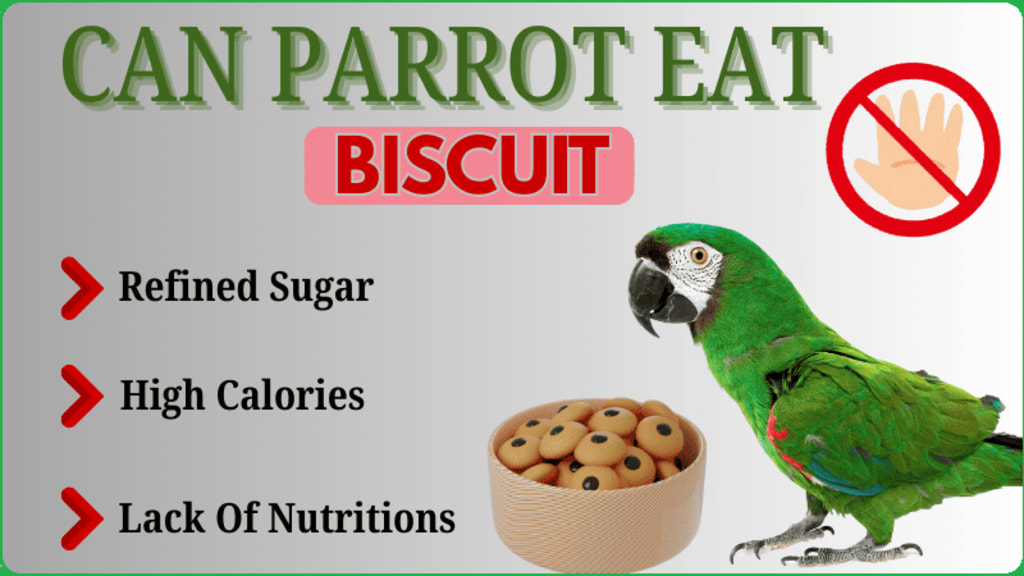
Have you ever found yourself at the park, surrounded by a flock of eager birds, and wondered if it’s okay to toss them a few crackers? You’re not alone.
Many bird enthusiasts and casual nature lovers alike share this curiosity. Feeding birds can be a delightful experience, but it’s important to know what’s best for their health. What might seem like a harmless snack could have surprising effects on their well-being.
Curious to find out if crackers make the cut or if they should be off the menu? Stick around, and let’s dive into the dos and don’ts of feeding our feathered friends. Your next park visit might just be more impactful than you think!
Can Birds Eat Crackers
Can birds eat crackers? Many people wonder if crackers are safe for birds to eat. Birds may peck at crackers out of curiosity. But crackers are not a natural part of their diet. Understanding what crackers contain helps decide if they are okay to feed birds.
Common Ingredients In Crackers
Crackers usually contain simple ingredients. These include:
- Flour (often wheat or other grains)
- Salt
- Oils or fats
- Sugar or sweeteners
- Leavening agents like baking soda
- Flavorings or preservatives
Many crackers have added salt and oils. These ingredients may not be healthy for birds. Birds need natural seeds, fruits, and insects for good health.
Nutritional Value For Birds
Crackers offer little nutrition for birds. They have mostly carbohydrates from flour. Some have fats and sugars, which birds do not need.
Birds require proteins, vitamins, and minerals. Crackers lack these essential nutrients. Feeding crackers regularly may harm a bird’s health.
Occasional small crumbs likely won’t hurt. But crackers should not replace natural food sources. Birds thrive on balanced diets suited to their species.
Potential Risks Of Feeding Crackers
Feeding birds crackers might seem harmless, but it carries some risks. Crackers often contain ingredients that can harm birds. These foods are not designed for bird nutrition. Birds have sensitive systems that react differently than humans. Understanding the potential risks helps keep birds safe and healthy.
Salt And Preservatives Impact
Crackers usually contain salt and preservatives. Salt can cause dehydration in birds. Birds cannot handle high salt levels like humans do. Preservatives may irritate their digestive tract. These chemicals can build up in birds over time. This buildup may lead to serious health problems.
Digestive Issues In Birds
Birds have delicate digestive systems. Crackers often have ingredients that are hard to digest. These include artificial flavors and sugars. Eating crackers can cause stomach upset and diarrhea. Repeated feeding may lead to malnutrition. Birds need natural foods to stay strong and healthy.
Better Alternatives To Crackers
Feeding birds crackers is not the best choice. They lack important nutrients birds need to stay healthy. Many better options provide natural energy and vitamins. These alternatives help birds thrive and enjoy their meals more.
Healthy Seeds And Nuts
Seeds and nuts are excellent food for birds. They contain fats and proteins essential for energy. Sunflower seeds are a favorite for many bird types. Peanuts offer a rich source of healthy fats. Always give unsalted and unroasted nuts to avoid harm. Mix different seeds to attract various bird species.
Fruits And Vegetables For Birds
Fresh fruits and vegetables offer vitamins and hydration. Small pieces of apples, berries, or grapes appeal to birds. Carrots, peas, and leafy greens add variety and nutrients. Avoid citrus fruits, as they can upset some birds. Wash all fruits and vegetables well before feeding them.

Credit: www.reddit.com
How To Safely Feed Birds
Feeding birds can be a rewarding way to connect with nature right outside your window. However, it’s important to do it safely to protect their health and well-being. Understanding the right approach helps you become a responsible bird feeder and keeps your feathered friends happy and healthy.
Portion Control Tips
Birds don’t need a lot of extra food. A small handful of seeds or crumbs per feeding is enough. Overfeeding can cause birds to rely too much on human-provided food and skip their natural foraging.
Think about the size of the bird too. Smaller birds like finches need much less than larger species such as pigeons. Offering appropriate portions prevents waste and keeps your feeding area clean.
Try to feed birds only once or twice a day. This helps maintain their natural eating patterns and avoids attracting pests. Have you noticed how some feeders get overwhelmed when too much food is left out?
Avoiding Harmful Foods
Not all human snacks are safe for birds. Crackers might seem harmless, but many contain salt, sugar, or spices that can harm birds. Always check ingredients before offering anything.
Stay away from bread, processed snacks, chocolate, and anything moldy or stale. These can cause digestive problems or even poisoning. Instead, choose plain, unsalted seeds, nuts, or fresh fruits.
Keep in mind that natural foods like sunflower seeds, millet, and chopped apples are much better choices. Have you ever seen birds turn away from certain foods? They often know what’s good for them.
Common Myths About Feeding Birds
Feeding birds is a popular activity, but many myths confuse what is safe. People often wonder about giving birds crackers, bread, or other human snacks. Understanding these myths helps make better choices for bird health.
Crackers As Bird Treats
Some believe crackers are a good treat for birds. Crackers often contain salt, sugar, and oils. These ingredients can harm birds’ digestion and health. Birds need natural foods, like seeds and fruits, for proper nutrition. Crackers lack essential nutrients birds require. Offering crackers occasionally is not ideal and should be avoided.
Bread Vs. Crackers
Bread is often seen as bad for birds, but crackers can be worse. Bread has low nutritional value and can cause digestive problems. Crackers may have more additives like salt and fat. Both foods can lead to health issues in birds. Birds fed on bread or crackers may avoid natural foods. It is better to offer birdseed or fresh fruits instead.

Credit: www.wikiwand.com

Credit: www.reddit.com
Frequently Asked Questions
Can Birds Safely Eat Crackers Occasionally?
Yes, birds can eat crackers occasionally, but only in small amounts. Crackers lack essential nutrients birds need. Frequent feeding may cause health problems. Always choose plain, unsalted crackers and avoid flavored or sugary ones to keep birds safe and healthy.
What Types Of Crackers Are Safe For Birds?
Plain, unsalted crackers are safest for birds. Avoid crackers with salt, sugar, or artificial flavors. Whole grain or seed-based crackers may be better. Always offer crackers as a rare treat, not a regular food source, to maintain birds’ balanced diet.
Why Should I Avoid Feeding Birds Salty Crackers?
Salt is harmful to birds and can cause dehydration. Even small amounts of salt can affect their kidney function. Salty crackers may lead to serious health issues. Always offer salt-free options to protect birds’ health and well-being.
How Often Can I Feed Birds Crackers?
Feed birds crackers sparingly, no more than once a week. Crackers lack vital nutrients and should not replace natural food. Frequent feeding can lead to poor nutrition and dependency. Always prioritize natural bird foods like seeds, fruits, and insects.
Conclusion
Feeding birds crackers is not the best choice. Crackers lack the nutrients birds need to stay healthy. Birds do better with seeds, fruits, and nuts. Giving them crackers can cause harm over time. Choose natural foods to help birds thrive.
Enjoy watching birds by offering safe, healthy snacks. Care for nature with thoughtful feeding habits. Small changes make a big difference for wild birds. Keep their diet simple and natural for best results.