
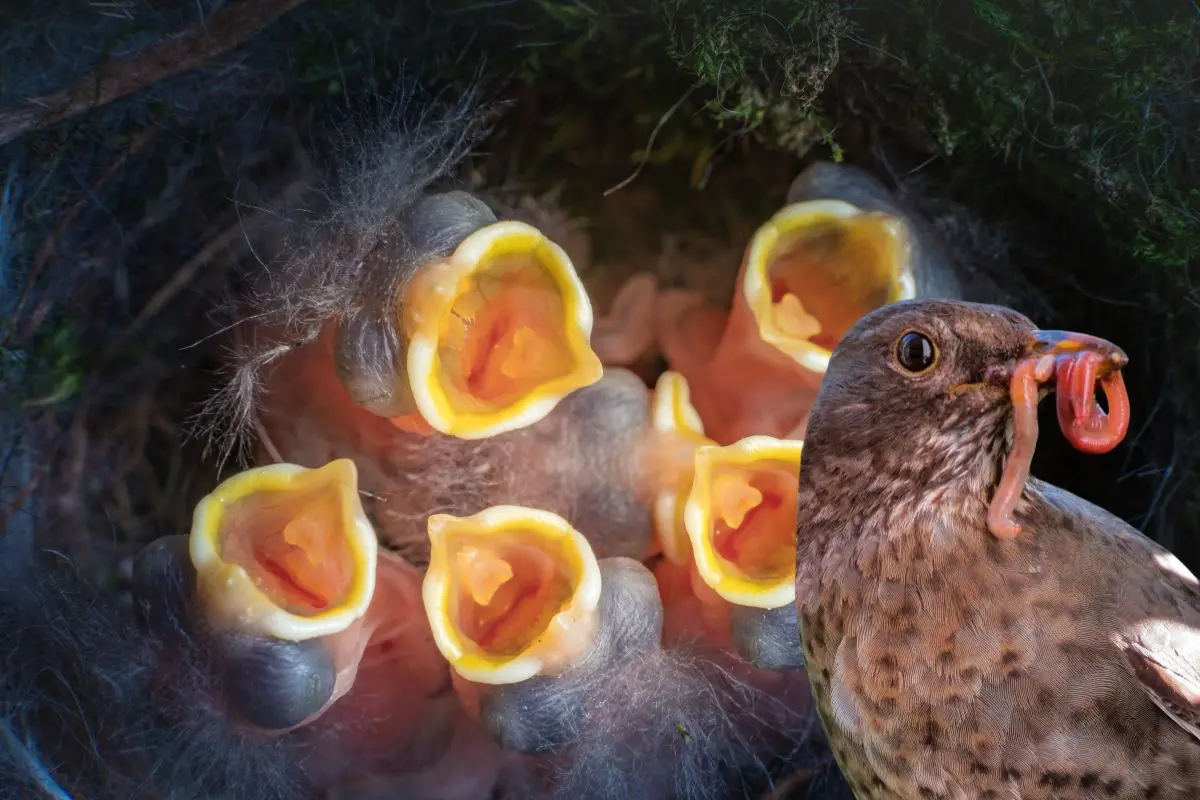
Are you caring for a baby bird and wondering what kind of protein is best to feed it? Choosing the right food can feel confusing and even overwhelming.
But giving your little feathered friend the proper protein is key to helping it grow strong and healthy. You’ll discover simple, safe protein options that will support your baby bird’s development. Keep reading—you’ll learn exactly what to offer and what to avoid, making your care easier and more effective.
Credit: wildbloo.com
Types Of Protein For Baby Birds
Baby birds need protein to grow strong and healthy. Protein helps build muscles, feathers, and organs. Different types of protein suit different baby bird species. Choosing the right protein supports their development and survival.
Animal-based Proteins
Animal proteins are rich in essential nutrients and easy to digest. They closely mimic the diet baby birds get from their parents. Common animal-based proteins include:
- Insects like mealworms, crickets, and caterpillars
- Boiled eggs, mashed finely
- Small pieces of cooked chicken or fish
- Soft-bodied larvae and grubs
These proteins provide amino acids and fats crucial for growth. Avoid feeding raw meat to prevent bacteria risks.
Plant-based Proteins
Plant proteins can supplement animal proteins for some baby birds. They offer fiber and vitamins along with protein. Suitable plant-based proteins include:
- Cooked beans and lentils mashed into a soft paste
- Soft tofu, rich in protein and easy to digest
- Finely ground nuts, but given sparingly
- Sprouted seeds and grains
Plant proteins usually lack some amino acids, so combine with animal proteins for balance.
Commercial Baby Bird Foods
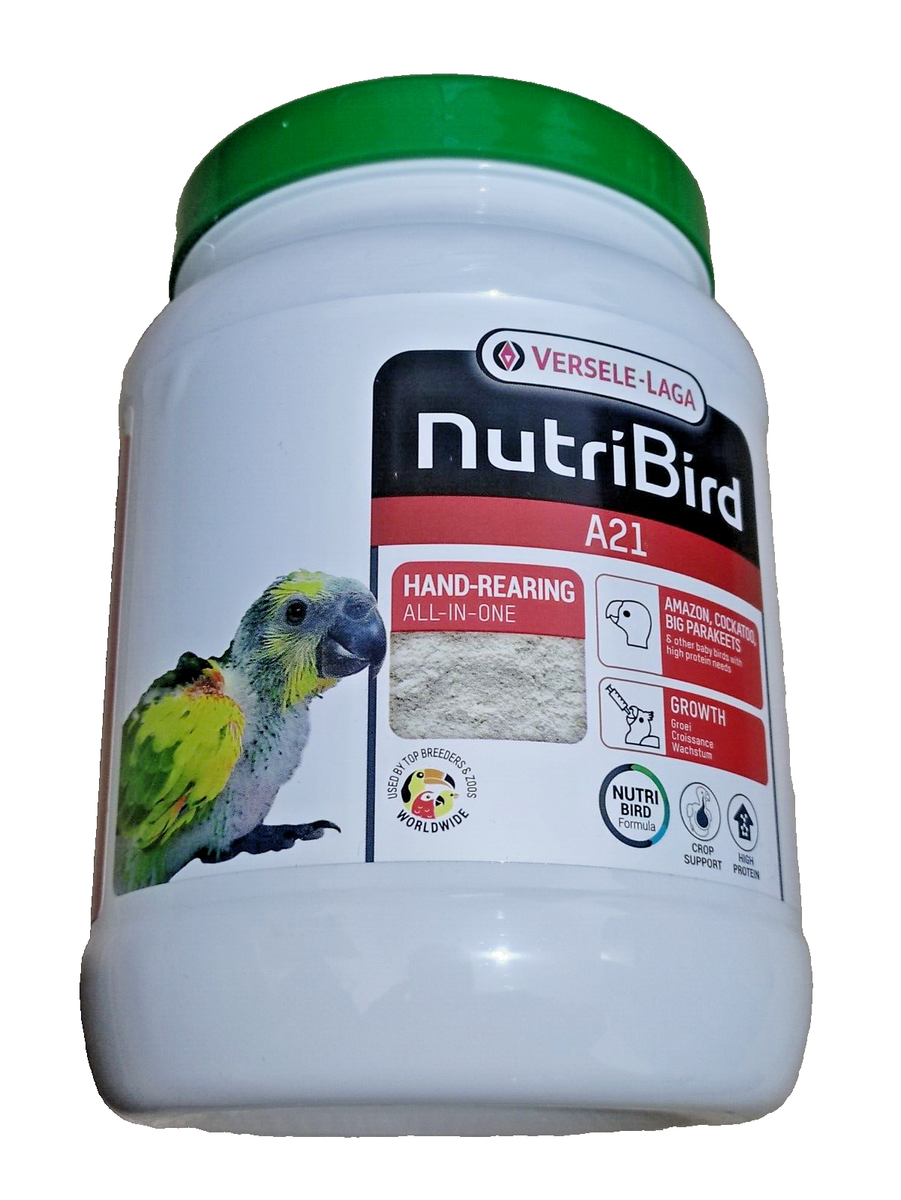
Commercial foods designed for baby birds provide balanced nutrition. They often contain a mix of animal and plant proteins. Popular options include:
- Powdered hand-feeding formulas
- Pre-mixed pellets for young birds
- Specialty diets for specific bird species
These foods ensure proper growth and reduce feeding errors. Always follow package instructions for best results.
Insects And Larvae As Protein Sources
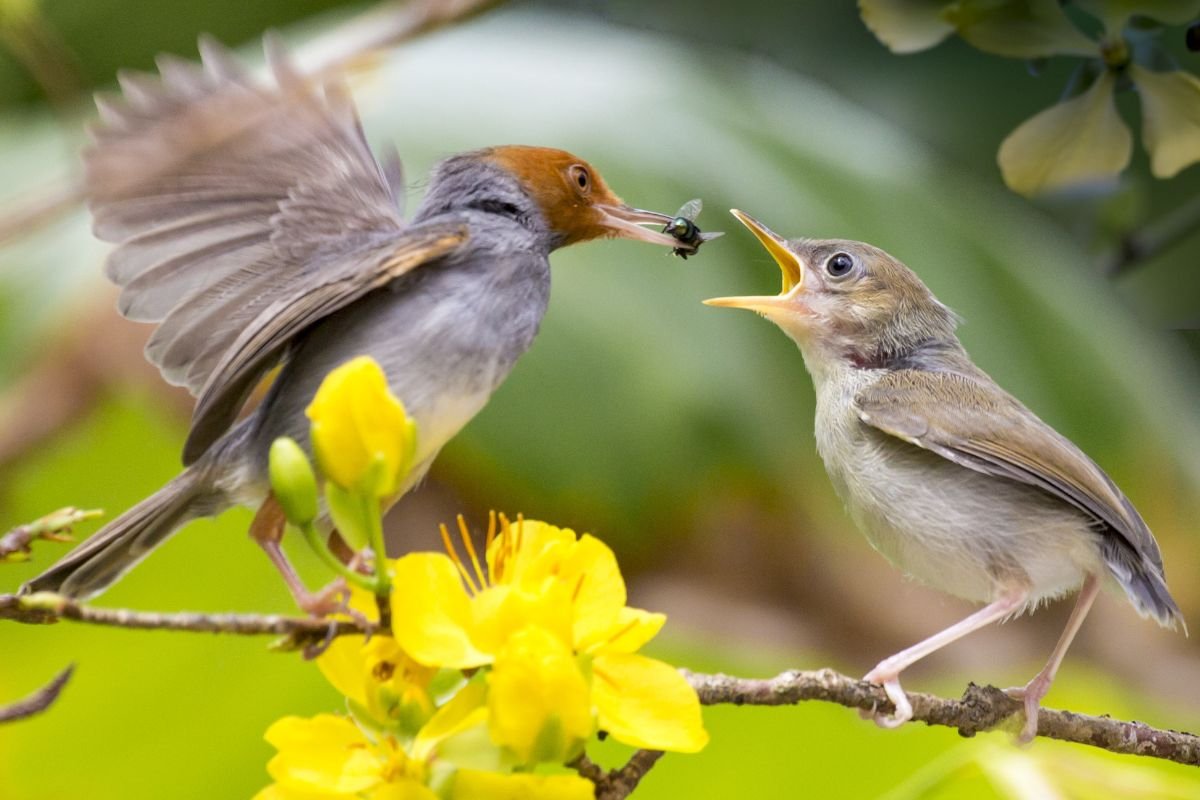
Insects and larvae provide excellent protein for baby birds. These natural food sources are rich in nutrients vital for growth and development. Many wild birds rely on insects to feed their young. Offering insects mimics a baby bird’s natural diet. This helps ensure proper health and strong feathers.
These protein sources are easy to digest and packed with essential amino acids. They also supply fat, vitamins, and minerals needed for energy and immune support. Feeding baby birds insects supports their rapid growth during early life stages.
Mealworms And Crickets
Mealworms and crickets are popular choices for feeding baby birds. They contain high protein and fat, which provide energy and promote growth. Mealworms are soft and easy to chew, making them ideal for young birds. Crickets offer a crunchy texture and are rich in nutrients.
Both insects are widely available in pet stores and online. They can be fed live or dried, but live insects encourage natural hunting behavior. Avoid overfeeding to prevent digestive issues. Introduce insects gradually to allow the baby bird to adjust.
Waxworms And Other Larvae
Waxworms and other larvae serve as another good protein source. Waxworms are softer and high in fat, which supports energy needs. They are especially good for growing birds that require extra calories. Other larvae, like black soldier fly larvae, also provide balanced nutrition.
These larvae are easy to digest and contain important vitamins. They can be fed live or freeze-dried. Use larvae sparingly due to their high fat content. Offering a variety of larvae helps maintain a balanced diet for baby birds.
Safe Protein Portions For Baby Birds
Feeding baby birds the right amount of protein is vital for their healthy growth. Protein supports muscle development, feathers, and overall energy. Too much protein can harm their kidneys. Too little slows their growth. Careful portion control helps keep baby birds strong and active.
Age-specific Protein Needs
Baby birds need different protein amounts as they grow. Very young hatchlings require a high protein diet. This helps build their tiny bodies quickly. As they get older, their protein needs reduce. Juvenile birds benefit from a balanced protein intake to support steady growth. Adult birds need less protein than babies. Adjust protein portions based on the bird’s age for best results.
Balancing Protein With Other Nutrients
Protein alone is not enough for baby birds. They need fats, vitamins, and minerals too. A diet with balanced nutrients boosts their immune system. It also supports strong bones and healthy feathers. Offer a mix of protein sources with fruits, vegetables, and grains. Avoid overfeeding protein. Too much can cause health issues. Proper balance ensures baby birds thrive and develop well.
Preparing Protein For Baby Birds
Preparing protein for baby birds requires careful attention. Protein is essential for their growth, but the way you prepare it can make a big difference in how well they digest and benefit from it. You want to make sure the protein is safe, easy to eat, and nutritious.
Cooking And Chopping Techniques
Cook protein thoroughly to avoid harmful bacteria. Boiling or steaming chicken, eggs, or insects works well because it keeps the protein soft and moist. Avoid frying or using oil, as that can upset a baby bird’s sensitive stomach.
Chop the protein into very small pieces or mash it. Baby birds have tiny beaks and limited chewing ability, so size matters. You might even use a food processor or fork to create a smooth texture that’s easy for them to swallow.
Have you noticed how some baby birds refuse certain textures? It’s often because the pieces are too big or tough. Adjusting the size can make feeding time smoother and less stressful for both of you.
Avoiding Harmful Additives
Always skip salt, spices, and seasonings when preparing protein. These additives can harm baby birds and disrupt their delicate digestive systems. Stick to plain, natural protein to keep things safe.
Check for sauces or marinades on store-bought protein sources—they often contain harmful ingredients. Rinse or select plain options to avoid accidentally feeding anything toxic.
Have you ever wondered if something as simple as salt could harm a baby bird? Even small amounts can be dangerous, so it’s better to play it safe and keep the protein pure.
Protein To Avoid For Baby Birds
Choosing the right protein for baby birds is very important. Some proteins can harm their health. Avoiding certain foods keeps baby birds safe and strong. Knowing which proteins to avoid helps prevent illness and allergies.
Toxic Foods And Substances
Some proteins contain toxins that baby birds cannot handle. Avoid feeding them:
- Raw or undercooked eggs — they carry bacteria.
- Onions and garlic — harmful to their blood cells.
- Chocolate — very toxic to birds.
- Avocado — contains a toxin called persin.
- Salted or processed meats — too much salt is dangerous.
These foods can cause serious health problems or death.
Common Allergens
Baby birds may react badly to some proteins. Watch for these allergens:
- Peanuts and tree nuts — can cause allergic reactions.
- Dairy products — many birds cannot digest lactose.
- Wheat and gluten — may cause digestive issues.
- Fish and shellfish — sometimes cause allergies.
Always observe the baby bird after feeding new foods.
Credit: besgroup.org
Feeding Frequency And Methods
Feeding a baby bird requires more than just knowing what protein to offer; the timing and technique are equally important. Proper feeding frequency ensures the chick gets enough nutrients without overfeeding. Meanwhile, the right methods can build trust and help your baby bird thrive.
Hand-feeding Tips
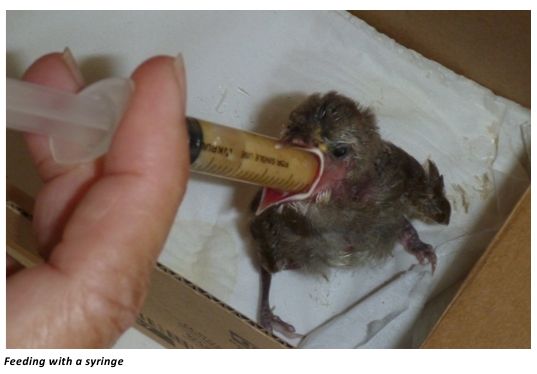
Use a small syringe or spoon to feed your baby bird gently. Make sure the food is warm but not hot — room temperature is usually best. You don’t want to burn their delicate mouth.
Feed the bird every 15 to 20 minutes during daylight hours for very young chicks. As they grow, you can space out feedings to every 30 minutes or longer. Watch the bird’s cues; if it’s turning away or closing its mouth, it’s likely full.
Keep the feeding area clean to avoid infections. Always wash your hands before and after handling the bird. A calm environment helps reduce stress and makes feeding easier for both of you.
Encouraging Independent Eating
Once your baby bird starts to grow feathers, it’s time to encourage self-feeding. Place small pieces of soft protein-rich food nearby and watch if the bird tries to peck at it. This step helps build confidence and motor skills.
Gradually reduce hand-feeding sessions as the bird becomes more comfortable eating on its own. Offer a variety of proteins like finely chopped boiled egg, insects, or specialized bird food. Variety keeps your bird interested and ensures balanced nutrition.
Are you ready to let your baby bird take the lead? Patience is key here. Some birds may take longer to transition, but supporting their independence is crucial for healthy development.
Signs Of Proper Nutrition In Baby Birds
Feeding a baby bird the right kind of protein is crucial for its survival and development. Proper nutrition shows clear signs that indicate the bird is healthy and thriving. Recognizing these signs helps you ensure the baby bird gets enough nutrients for strong growth and good health.
Healthy Growth Indicators
- Steady weight gain over days and weeks
- Bright, clear eyes without dullness
- Strong, smooth feathers beginning to grow
- Firm body with no visible bones
- Good skin color and no signs of dryness
Behavioral Signs
- Alertness and quick responses to sounds or movement
- Active begging for food when hungry
- Regular swallowing during feeding
- Calm and comfortable when resting
- Good balance and coordination as it grows
Credit: www.ebay.ca
Frequently Asked Questions
What Protein Sources Are Safe For Baby Birds?
Safe protein sources for baby birds include insects like mealworms, crickets, and small caterpillars. You can also offer finely chopped boiled eggs. Avoid processed meats and dairy. These natural proteins support healthy growth and mimic their diet in the wild, ensuring proper nutrition.
Can I Feed Baby Birds Cooked Meat?
Yes, you can feed baby birds small amounts of cooked, unseasoned lean meat like chicken or turkey. Avoid spices, salt, or sauces. Cooked meat provides essential amino acids important for development, but it should be given sparingly alongside insects and other natural protein sources.
How Often Should I Feed Protein To Baby Birds?
Feed baby birds protein every 20 to 30 minutes during daylight hours. Frequent feeding supports their rapid growth and energy needs. Protein should be part of a varied diet including fruits and insects to ensure balanced nutrition throughout their development stages.
Is Powdered Protein Good For Baby Birds?
Powdered protein supplements can be used if mixed properly in water or baby bird formula. Choose supplements specifically designed for birds. They can provide necessary nutrients when whole food sources are unavailable but should not replace natural protein-rich foods entirely.
Conclusion
Feeding baby birds requires careful choice of proteins. Always prioritize their safety and health. Opt for natural sources like boiled eggs or mealworms. These provide essential nutrients. Avoid processed foods and spices. They can harm delicate digestive systems. Freshness matters in every meal you offer.
Consult a veterinarian for guidance specific to your bird species. Observing your baby bird’s response helps. Adjust diet as necessary. Loving care and attention ensure healthy growth. Your efforts nurture a strong, vibrant bird. Keep learning about their needs. You’re on the path to raising a happy bird.