
Have you ever wanted to welcome wild birds into your garden or balcony in Thailand? Knowing what to feed them can make all the difference.
Feeding wild birds the right food not only attracts a variety of colorful species but also keeps them healthy and safe. If you’re curious about the best options to offer these feathered visitors, you’re in the right place. Keep reading to discover simple, effective, and safe foods that will bring your local wild birds closer than ever before.
Your new feathered friends are just a few bites away!

Credit: www.wildlifenomads.com
Common Wild Birds In Thailand
Thailand hosts a wide variety of wild birds. Many species are colorful and easy to spot. Birds live in forests, parks, and even cities. Feeding wild birds helps you enjoy their beauty up close. Knowing common birds helps you choose the right food.
Bird Species Overview
Some common wild birds in Thailand include:
- Asian Koel – a black bird with a loud call
- Common Myna – brown with yellow patches around the eyes
- Red-whiskered Bulbul – brown with red spots near the ears
- Spotted Dove – grey with white spots on its wings
- Oriental Magpie-Robin – black and white, often seen in parks
- Sunbird – small, bright, and colorful
Each bird has unique habits and food preferences. Some are seed eaters, others prefer insects or fruit.
Feeding Habits
Wild birds in Thailand eat various foods. Seeds and grains suit many species well. Fruit attracts colorful birds like sunbirds. Insects are a key food for many birds too.
- Asian Koel prefers fruits and berries
- Common Myna eats seeds, fruits, and insects
- Red-whiskered Bulbul likes fruit and nectar
- Spotted Dove mainly eats seeds and grains
- Oriental Magpie-Robin hunts insects and small invertebrates
- Sunbird feeds on nectar and small insects
Providing fresh water is also important for wild birds. It helps them stay hydrated and healthy.

Credit: www.wildlifenomads.com
Safe Foods For Wild Birds
Feeding wild birds in Thailand can be a delightful way to connect with nature. However, it’s important to offer foods that are safe and nutritious for them. Choosing the right foods helps birds stay healthy and encourages them to visit your garden or balcony frequently.
Seeds And Grains
Many wild birds thrive on seeds and grains. Sunflower seeds, millet, and cracked corn are popular choices that attract a variety of birds. You can scatter these on the ground or use a bird feeder to keep the area tidy.
Be mindful to avoid salted or flavored seeds, as these can harm birds. Plain, natural seeds are best to support their natural diet and energy needs.
Fruits And Vegetables
Fresh fruits and vegetables are excellent additions to bird feeding, especially tropical species in Thailand. Try offering small pieces of papaya, banana, or watermelon. These fruits provide essential vitamins and moisture.
Vegetables like peas and corn are also safe and loved by many birds. Avoid citrus fruits, as their acidity can upset some birds’ digestion.
Nuts Suitable For Birds
Nuts are a great energy source but should be given in moderation. Unsalted peanuts, almonds, and walnuts are good options when chopped into smaller pieces. Make sure the nuts are fresh and free from mold.
Raw nuts are preferable over roasted or flavored ones to keep birds safe. Have you noticed how quickly birds flock to a feeder with nuts? It’s a sign they appreciate these healthy treats.
Nutritional Benefits For Birds
Feeding wild birds in Thailand offers more than just a chance to observe nature closely—it directly supports their health and survival. Understanding the nutritional benefits of the foods you provide helps you make better choices that keep these feathered friends thriving. Let’s look at the key nutrients that wild birds need and how your feeding habits can make a real difference.
Proteins And Fats
Proteins are essential for muscle development and feather growth in birds. Offering foods rich in protein, like mealworms or boiled eggs, helps birds build strength and recover from injuries.
Fats provide energy, especially important during the hot Thai seasons when birds expend a lot of energy flying and foraging. Sunflower seeds and peanuts are great sources of healthy fats that you can offer to support their active lifestyle.
Have you noticed how some birds visit your feeding spot more frequently? It’s often because they find the right balance of proteins and fats in the food you offer.
Vitamins And Minerals
Vitamins and minerals keep birds’ immune systems strong and aid in overall health. Fresh fruits like papaya and mango supply vitamins A and C, which help birds fight infections and maintain bright plumage.
Calcium is another important mineral, especially for female birds during nesting. Crushed eggshells or cuttlebone placed nearby can give them the boost they need.
Next time you feed wild birds, consider adding a variety of fruits and mineral sources. You might be surprised at how much it encourages diverse species to visit your garden.
Foods To Avoid Feeding Birds
Feeding wild birds can be a joyful experience, especially in a vibrant place like Thailand. However, not everything that looks tasty is safe for our feathered friends. Knowing what foods to avoid is just as important as knowing what to feed them.
Toxic Foods
Many common foods are actually harmful or even deadly to birds. Avocado, for instance, contains persin, a toxin that can cause heart damage in birds. Chocolate is another dangerous treat that you should never offer; it affects their nervous system and can be fatal.
Onions and garlic might seem harmless, but they can cause digestive distress and damage red blood cells in birds. Also, stay away from caffeine and alcohol — even tiny amounts can be poisonous.
Harmful Human Snacks
It’s tempting to share your snacks, but many human foods lack the nutrients birds need and can disrupt their diet. Salty chips and crackers, for example, can cause dehydration and kidney problems in wild birds. Sugary snacks like candy or sweets can lead to obesity and other health issues.
Processed foods often contain additives and preservatives that are not suitable for birds. Instead of offering these, try to stick with natural seeds or fruits that are safe. Have you ever noticed how some birds avoid certain human foods? That’s nature’s way of telling us what they truly need.
Seasonal Feeding Tips
Feeding wild birds in Thailand changes with the seasons. Each season brings unique challenges and opportunities for helping local birds thrive. Understanding these seasonal shifts allows you to offer the right food at the right time, keeping your feathered visitors healthy and happy.
Dry Season Considerations
The dry season in Thailand can be tough for wild birds because natural water sources and food become scarce. You can help by providing clean water daily, especially in shallow dishes that are easy for small birds to access.
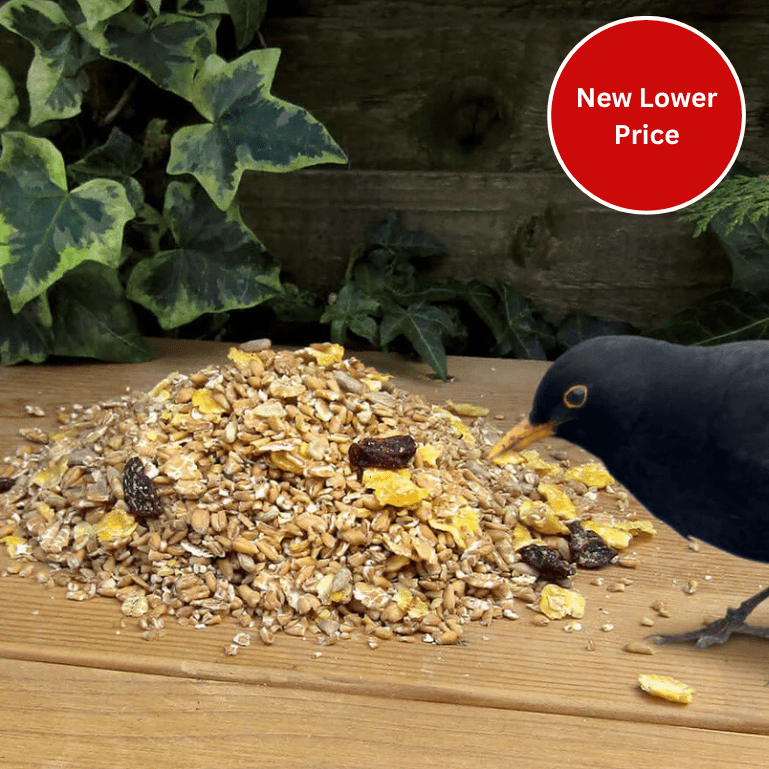
Offer foods that store well and provide high energy, such as sunflower seeds, millet, and cracked corn. These help birds maintain their energy when insects and fruits are less available.
Have you noticed birds lingering longer around your feeding spot during dry months? That’s a sign you’re making a real difference. Keep feeders clean and refill them regularly to avoid attracting pests or spreading disease.
Wet Season Adjustments
During the wet season, food is usually abundant, but heavy rains can wash away seeds and make it harder for birds to find dry feeding spots. Use covered feeders or place food in sheltered areas to keep it from getting soggy.
Since insects increase during this time, offering protein-rich foods like mealworms or cooked eggs can complement their natural diet. This boosts their nutrition without competing with what nature provides.
Have you tried mixing different seed types to see which birds prefer during the rainy season? Observing these preferences can help you tailor your feeding strategy effectively.
Credit: haiths.com
Feeding Etiquette And Safety
Feeding wild birds in Thailand can be a rewarding experience, but it’s important to do it responsibly. Proper etiquette and safety measures protect both you and the birds. Ignoring these can lead to health problems and disturb natural behaviors.
Proper Feeding Locations
Choose quiet, natural spots away from busy roads and crowded areas. Parks, nature reserves, or your garden work well as they provide a safe environment for birds. Avoid feeding near places where food waste or human traffic is high, as this can attract pests and cause stress to wildlife.
I once fed birds near a busy street, only to notice rats gathering afterward. That taught me to pick calmer spots, which helped keep the area clean and the birds safe.
Hygiene And Bird Health
Cleanliness matters. Use fresh food and change it regularly to prevent mold or bacteria. Avoid feeding birds with leftover human food, as it can be harmful to them.
Wash your hands before and after feeding to avoid spreading diseases. If possible, use feeders that are easy to clean. Dirty feeders can become breeding grounds for parasites and illness.
Have you ever thought about how your feeding habits affect bird health? A little care can make a big difference in their well-being and longevity.
Diy Bird Food Recipes
Making your own bird food can be a rewarding way to attract and nourish wild birds in Thailand. It lets you control the ingredients and tailor the mix to suit local species. Plus, it’s often more affordable and fresher than store-bought options.
Here are some simple recipes you can try at home that will keep your feathered visitors coming back for more.
Nut Mixes
Wild birds love nuts, but not all nuts are safe or easy for them to eat. Stick to unsalted, raw varieties like peanuts, almonds, and cashews. Chop them into smaller pieces to make it easier for smaller birds to handle.
Try combining:
- 1 part peanuts
- 1 part almonds
- 1 part sunflower seeds
- Optional: a handful of dried mealworms for extra protein
This mix is excellent for species like bulbuls and sunbirds. Have you noticed how quickly birds learn to find your favorite feeding spot once you offer their preferred treats?
Fruit-based Treats
Many Thai birds enjoy juicy fruits, especially during the hot season. Fresh fruits like papaya, mango, and banana are great choices. Cut them into bite-sized pieces to make eating easier.
You can also make a simple fruit jelly by mixing:
| Ingredient | Amount |
|---|---|
| Fresh fruit puree (mango or papaya) | 1 cup |
| Agar powder (a vegetarian gelatin substitute) | 1 tablespoon |
| Water | 1/2 cup |
Heat water and agar until it dissolves, then mix in the fruit puree and let it cool. Cut into small cubes and offer it on a flat surface or shallow dish. Do you think your garden could become a little tropical bird café with treats like this?
Frequently Asked Questions
What Types Of Seeds Are Best For Wild Birds In Thailand?
Sunflower seeds, millet, and cracked corn are ideal for Thai wild birds. These seeds attract various species and provide essential nutrients for their diet.
Can I Feed Fruit To Wild Birds In Thailand?
Yes, fruits like papaya, banana, and mango are excellent. They provide natural sugars and vitamins, supporting birds’ energy and health in the wild.
Are Mealworms Safe For Feeding Wild Birds In Thailand?
Mealworms are safe and nutritious for many wild birds. They offer high protein, boosting energy and aiding in feather growth during molting seasons.
How Often Should I Feed Wild Birds In Thailand?
Feed wild birds daily or every other day to maintain their health. Consistency helps birds rely on your feeding spot for nourishment.
Conclusion
Feeding wild birds in Thailand can be a rewarding experience. Choose natural seeds, fruits, and grains. These foods attract a variety of birds. Avoid processed foods and bread. They can harm bird health. Fresh water is also essential for birds.
Offer clean water daily. Observe and enjoy the birds visiting your garden. Every bird visit brings joy and beauty. Help protect Thailand’s wild birds through mindful feeding. Your efforts support bird diversity and health. Happy bird watching!