
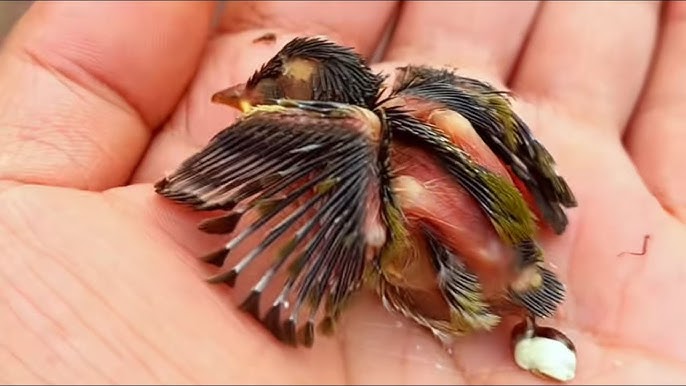
Finding a baby bird can be exciting, but it also brings a big question: what can you feed a baby bird you just found? You want to help, but giving the wrong food can do more harm than good.
You’ll discover simple and safe feeding tips that can make a real difference for the little bird’s survival. Keep reading to learn exactly what your new feathered friend needs right now.
Identifying The Bird Species
Before you decide what to feed a baby bird you’ve just found, identifying its species is crucial. Different birds have different dietary needs, and feeding the wrong food can harm the little one. Taking a moment to identify the bird helps you provide the right care and increases its chances of survival.
Common Baby Bird Types
Some baby birds you might encounter include robins, sparrows, pigeons, and doves. Each of these species has distinct feeding requirements. For instance, robins mostly eat insects, while pigeons prefer seeds and grains.
- Robins:Often found in gardens, they have reddish-orange breasts and eat worms and bugs.
- Sparrows:Small and brown with streaks, they enjoy a mix of seeds and small insects.
- Pigeons and Doves:Plump birds with soft cooing calls, feeding mostly on seeds and grains.
Knowing these types can help you narrow down what food to offer. Have you ever noticed how the baby birds in your backyard behave or what they seem to eat?
Physical Characteristics To Note
Look closely at the baby bird’s size, beak shape, and feather pattern. These details give clues about its species and diet. For example, a bird with a short, thick beak is likely a seed eater, while one with a slender, pointed beak might need insects.
| Characteristic | What to Observe | Diet Clue |
|---|---|---|
| Beak Shape | Short and thick vs. long and thin | Seeds vs. insects |
| Feather Color | Bright vs. camouflaged | Species identification |
| Size | Small vs. medium | Type of bird, feeding frequency |
Paying attention to these features can save you from guessing. What small details have you noticed that helped you identify animals or birds before?
Credit: www.petsradar.com
Assessing The Bird’s Condition
Finding a baby bird can be a surprising experience. Before deciding what to feed it, you need to carefully assess its condition. This step helps you understand what the bird truly needs and whether urgent care is necessary.
Signs Of Injury Or Illness
Look closely at the bird’s body for visible injuries like cuts, broken wings, or bruises. Check if it is breathing normally or if it seems weak and lethargic. Notice if the bird is fluffed up or shivering, as these can be signs of illness.
Observe its eyes and beak. Clear, bright eyes and a clean beak usually indicate good health, while discharge or swelling may signal a problem. If you spot any signs of injury or illness, contacting a wildlife rehabilitator should be your first move.
Determining Age And Development Stage
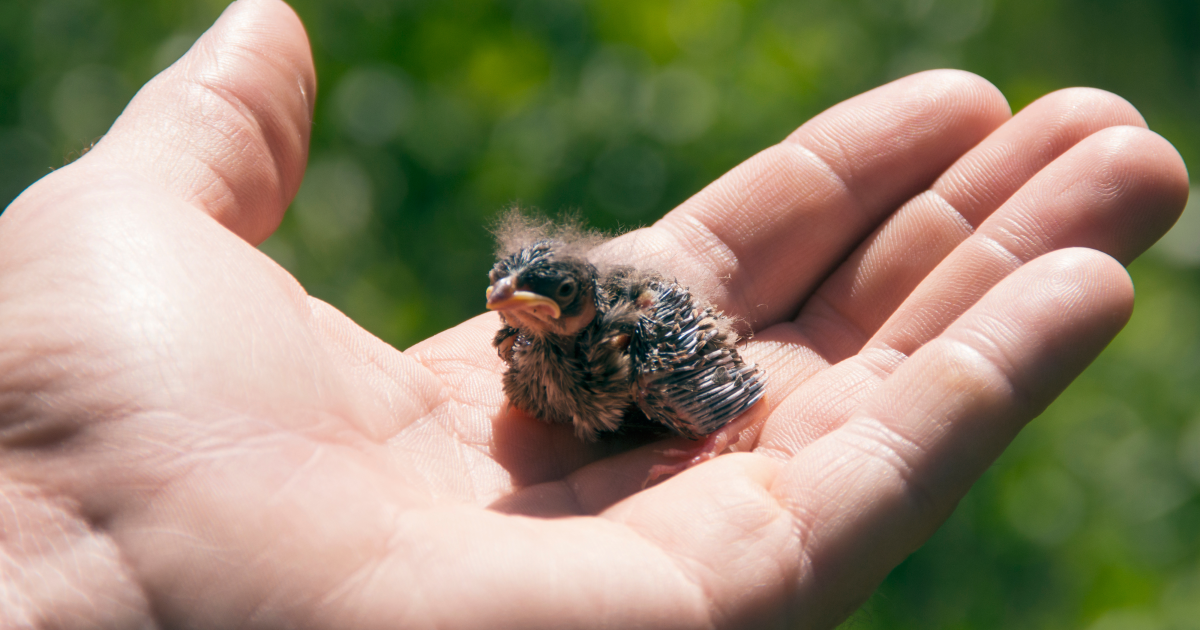
Understanding the bird’s age helps you decide what kind of food and care it needs. Baby birds come in different stages: hatchlings (no feathers), nestlings (some feathers but not yet ready to leave the nest), and fledglings (fully feathered and learning to fly).
Check for feather growth and size. A tiny bird with closed eyes is likely a hatchling needing frequent feeding and warmth. A bird with feathers but clumsy movements may be a fledgling, requiring less frequent feeding and encouragement to practice flying.
Have you ever noticed how quickly a baby bird changes day by day? This rapid development means your care must adjust as the bird grows. By knowing its stage, you can provide the right diet and environment to support healthy growth.
Safe Temporary Housing
Finding a baby bird means acting fast to keep it safe. The bird needs a secure and warm place to rest. Temporary housing protects the bird from harm and stress. It also helps keep the bird comfortable until experts take over or it can go back outside. Use simple materials around your home to create a safe space. Avoid using anything that could hurt the bird or make it too hot or cold.
Choosing The Right Container
Pick a small box or a plastic container with holes for air. The container should be clean and dry. Line it with soft materials like tissues, paper towels, or cloth scraps. Avoid cotton balls because they can stick to the bird’s feathers. The container needs to be deep enough to stop the bird from falling out but not too big to lose warmth.
Maintaining Warmth And Comfort
Baby birds cannot keep their body heat. Use a heating pad on low under half of the container. Or place a warm water bottle wrapped in a cloth nearby. Check often to make sure it’s not too hot. Keep the container away from drafts, windows, and direct sunlight. Quiet surroundings reduce stress and help the baby bird stay calm.
Credit: pethelpful.com
Feeding Basics For Baby Birds
Feeding a baby bird you just found requires careful attention to what and how you offer food. Baby birds have delicate digestive systems and specific nutritional needs that differ from adult birds. Understanding these basics will help you give the right care without causing harm.
Foods To Avoid
Not all foods are safe for baby birds. Avoid giving bread, milk, or processed human foods, as these can cause serious health problems or malnutrition.
- Bread:It lacks essential nutrients and can cause choking or digestive issues.
- Milk:Birds can’t digest lactose, leading to upset stomachs.
- Seeds from stores:Many are too hard and can choke young birds.
- Raw meat or fatty foods:These can be difficult to digest and might promote bacterial growth.
Have you ever noticed how some foods seem harmless but could actually be dangerous? Picking the wrong food can delay the baby bird’s recovery or even be fatal.
Hydration Needs
Baby birds can dehydrate quickly, so water is crucial. However, you should never offer water alone without food, as they need nutrients to absorb the liquid properly.
Use a dropper or syringe to give small amounts of water carefully, preventing the risk of choking. Watch closely for signs of dehydration, such as dry skin or lethargy.
Remember, providing balanced hydration along with proper nutrition supports the bird’s growth and energy. How often do you think about the vital role water plays in wildlife rescue?
Recommended Foods By Age
Feeding a baby bird depends heavily on its age. Each stage of growth needs specific foods for healthy development. Understanding these dietary needs helps ensure the bird gets proper nutrition.
Newborns require soft, easy-to-digest food. Older nestlings and fledglings can handle more solid items. Feeding the right food supports their growth and increases survival chances.
Newborn Diet
Newborn birds need food that is gentle on their tiny digestive systems. Their meals must be moist and nutrient-rich. Avoid hard or dry foods that can cause choking.
- Softened dog or cat kibble soaked in warm water
- Boiled and mashed egg yolk
- Moistened baby cereal without sugar or flavor
- Small amounts of insects like mealworms, finely chopped
- Commercial hand-feeding formula made for baby birds
Feed small amounts frequently, every 15 to 20 minutes during daylight. Keep the food warm but never hot.
Older Nestlings And Fledglings
Older birds can eat more solid foods. Their diet should include proteins and soft fruits. This supports muscle growth and energy needs.
- Chopped insects such as crickets and mealworms
- Small pieces of soft fruits like berries or bananas
- Boiled egg pieces or finely shredded cooked chicken
- Mixed birdseed soaked in water to soften
- Commercial hand-feeding formula for fledglings
Feed every 30 to 45 minutes during daylight hours. Gradually reduce feeding frequency as the bird starts to eat on its own.
Feeding Techniques
Feeding a baby bird requires gentle care and proper techniques. The right feeding method helps the bird grow strong. Use soft tools and small portions to avoid harm. Understanding how often and how much to feed is vital. This section guides you through safe feeding practices.
Hand-feeding Tips
- Use a small, soft brush or syringe without a needle.
- Warm the food to match the bird’s body temperature.
- Hold the bird gently but securely to avoid stress.
- Place food carefully near the bird’s beak, not inside forcefully.
- Feed slowly to prevent choking or aspiration.
- Clean feeding tools thoroughly after each use.
Frequency And Quantity
Baby birds need feeding every 15 to 30 minutes during daylight. Younger birds require more frequent feedings. Older nestlings eat less often but need more food per feeding.
| Age | Feeding Interval | Amount per Feeding |
|---|---|---|
| Hatchling (1-3 days) | Every 15 minutes | Small drops, 0.5 ml |
| Nestling (4-10 days) | Every 20 minutes | 1 ml |
| Older nestling (11+ days) | Every 30 minutes | 1.5 to 2 ml |
Watch the bird’s hunger signals to adjust feeding times. Avoid overfeeding to prevent health issues.
When To Seek Professional Help
Finding a baby bird can be both exciting and concerning. Knowing when to seek professional help is key to the bird’s survival and well-being. Some situations need expert care beyond simple feeding.
Signs to watch for include visible injuries, weakness, or if the bird is cold and unresponsive. Also, if the bird has been alone for a long time, it may need more than just food.
Wildlife Rehabilitators
Wildlife rehabilitators specialize in caring for injured and orphaned birds. They have the training and permits to handle wild animals safely. These experts know how to feed baby birds correctly and provide a proper environment.
Rehabilitators can nurse the bird back to health and prepare it for release. They also protect native wildlife and follow legal guidelines. Contacting a local wildlife center is the best step in uncertain cases.
Veterinary Care
A veterinarian with experience in wild birds can diagnose health issues. They can treat infections, parasites, or injuries that are not visible to the untrained eye. Sometimes, baby birds need fluids or medications to recover.
Early veterinary care can prevent serious health problems. A vet can give advice on feeding and general care until the bird can go to a rehabilitator.
Credit: www.petsradar.com
Preventing Long-term Dependency
Finding a baby bird and deciding to help is a kind act, but it’s important to avoid creating long-term dependency. The goal is to support the bird just enough until it can survive on its own. Feeding and care should always encourage independence and natural skills.
Encouraging Natural Behaviors
Encourage the baby bird to practice natural behaviors like foraging and flying as soon as it is physically able. You can gently place food in different spots to stimulate searching skills rather than hand-feeding constantly. This small change helps the bird learn to find food independently.
Also, avoid excessive handling. Every time you pick up the bird, it becomes more accustomed to humans and less wary of danger. Ask yourself: are you preparing the bird for the wild, or making it reliant on you?
Preparing For Release
Before releasing the bird, create an environment similar to its natural habitat. Use a spacious cage or aviary with branches and foliage so it can practice flying and hiding. Gradually reduce feeding frequency to encourage self-feeding.
Check if the bird is active, alert, and able to eat on its own. If it shows these signs, it’s ready to go back outside. Remember, your role is temporary—support with care, but prepare the bird to survive without you.
Frequently Asked Questions
What Should I Feed A Baby Bird I Found?
Feed a baby bird soft, easily digestible foods like soaked dog kibble, boiled eggs, or mealworms. Avoid milk or bread. Always provide fresh water nearby and consult a wildlife rehabilitator for proper care and feeding instructions.
Can I Give Bread Or Milk To A Baby Bird?
No, bread and milk are harmful to baby birds. Bread lacks nutrients, and milk can cause digestive issues. Instead, provide protein-rich foods like soaked dog food or insects to ensure healthy growth and development.
How Often Should I Feed A Rescued Baby Bird?
Feed baby birds every 15 to 20 minutes during daylight hours. Young birds need frequent meals to maintain energy and growth. Gradually increase feeding intervals as they grow, always consulting a wildlife expert for specific species guidance.
When Should I Contact A Wildlife Rehabilitator?
Contact a wildlife rehabilitator immediately if the baby bird is injured, cold, or orphaned. Professionals have the skills to care for wild birds properly and increase their survival chances. Avoid trying to raise wild birds alone.
Conclusion
Helping a baby bird is a kind act. Ensure proper care and feeding. Use recommended foods like moistened dog kibble or mealworms. Avoid giving milk or bread. These can harm the bird. Always keep the bird warm and safe. Seek expert advice if unsure.
A wildlife rehabilitator can guide you. Remember, young birds need their parents. So, reuniting them is best. Your actions can make a big difference. Nature will thank you. Keep learning and caring.