
You want to care for the birds that visit your garden, right? Feeding them fruit seems like a natural way to show kindness.
But did you know that some fruits can actually harm these delicate creatures? If you’re wondering which fruits to avoid and why, you’re in the right place. Keep reading to discover the surprising fruits you should never feed to birds—and how to keep your feathered friends safe and healthy.

Credit: abirdtoy.com
Common Fruits Harmful To Birds
Birds enjoy fruits, but some fruits can harm them. Knowing which fruits to avoid is important for their safety. Many common fruits contain parts that are toxic or dangerous for birds. Feeding these can cause illness or even death.
Here are some common fruits harmful to birds. Learn what makes them risky and why they should be avoided.
Avocado Toxicity
Avocado contains a toxin called persin. This substance can cause heart damage in birds. Even small amounts may lead to breathing problems or death. Avoid giving any avocado parts to your feathered friends.
Cherry Pits And Seeds
Cherry pits hold cyanide compounds. Cyanide is deadly to birds. If swallowed, the pits can block the bird’s digestive tract. Always remove pits and seeds before offering cherries.
Apple Seeds Danger
Apple seeds also contain cyanide. Birds may eat seeds accidentally while eating apples. The poison can cause breathing issues and weakness. Cut apples carefully and remove all seeds.
Citrus Fruits Effects
Citrus fruits like oranges and lemons have acids. These acids may upset a bird’s stomach. Some birds dislike the sour taste and may refuse to eat. Offer citrus fruits sparingly and observe their reaction.
Grapes And Raisins Risks
Grapes and raisins can cause kidney failure in birds. The exact toxin is unknown but the effect is serious. Avoid feeding grapes or raisins to your birds at all times.

Credit: www.bailiwickexpress.com
Why Certain Fruits Are Dangerous
Not all fruits are safe for birds, and understanding why certain fruits can be dangerous is key to keeping your feathered friends healthy. Some fruits contain parts that birds cannot digest or that carry harmful substances. Knowing which fruits to avoid can prevent serious health problems for your birds.
Toxins In Fruit Components
Many fruits have seeds, pits, or skins that contain natural toxins. For example, apple seeds and cherry pits hold cyanide compounds, which are deadly even in small amounts. These toxins can cause severe damage to a bird’s organs or lead to sudden death.
Have you ever thought twice before tossing fruit scraps to birds? It’s easy to overlook these hidden dangers. Always remove seeds and pits before feeding fruits like cherries, peaches, or apricots to your birds.
Digestive Issues In Birds
Birds have delicate digestive systems that can struggle with certain fruit fibers and acids. Citrus fruits, such as oranges and lemons, often upset their stomachs, causing discomfort or diarrhea. Over time, feeding acidic fruits can weaken their digestive health.
Your bird might refuse fruits that cause them pain, but sometimes they don’t show symptoms until it’s too late. Watch closely for any changes in droppings or eating habits after introducing new fruits. It’s better to stick with bird-safe options that support digestion.
Potential For Poisoning
Some fruits can lead to poisoning if ingested in significant amounts. For instance, fruit like rhubarb leaves are toxic and should never be offered. Even small amounts of these poisonous parts can cause weakness, seizures, or death in birds.
Consider your bird’s size and species when offering fruit. What’s safe for one bird may be dangerous for another. Always research or consult an avian vet before trying new fruits to avoid accidental poisoning.
Symptoms Of Fruit Poisoning In Birds
Birds can get sick from eating harmful fruits. Knowing the signs of fruit poisoning helps protect them. Symptoms may show in behavior or body changes. Early detection can save a bird’s life.
Behavioral Changes
Birds may act strange after eating bad fruit. Watch for:
- Lethargy or weakness
- Loss of appetite
- Unusual aggression or fear
- Disorientation or confusion
- Excessive vocalization or silence
Changes in normal behavior often signal distress.
Physical Symptoms
Physical signs of poisoning include:
- Vomiting or regurgitation
- Diarrhea or loose droppings
- Fluffed feathers or drooping wings
- Tremors or seizures
- Swelling around the eyes or beak
These symptoms suggest the bird needs care fast.
When To Seek Help
Seek help if a bird shows any signs above. Early treatment improves recovery chances. Contact a vet or wildlife rehabilitator immediately. Provide details about the fruit eaten and symptoms. Quick action can save a bird’s life.
Credit: abirdtoy.com
Safe Fruits For Bird Feeding
Choosing the right fruits for bird feeding keeps birds healthy and happy. Birds need fruits that are safe and easy to digest. Some fruits provide vitamins and hydration birds need, while others can be harmful. Knowing which fruits are safe helps you avoid feeding birds anything that might cause illness.
Bird-friendly Fruit Options
- Apples (remove seeds)
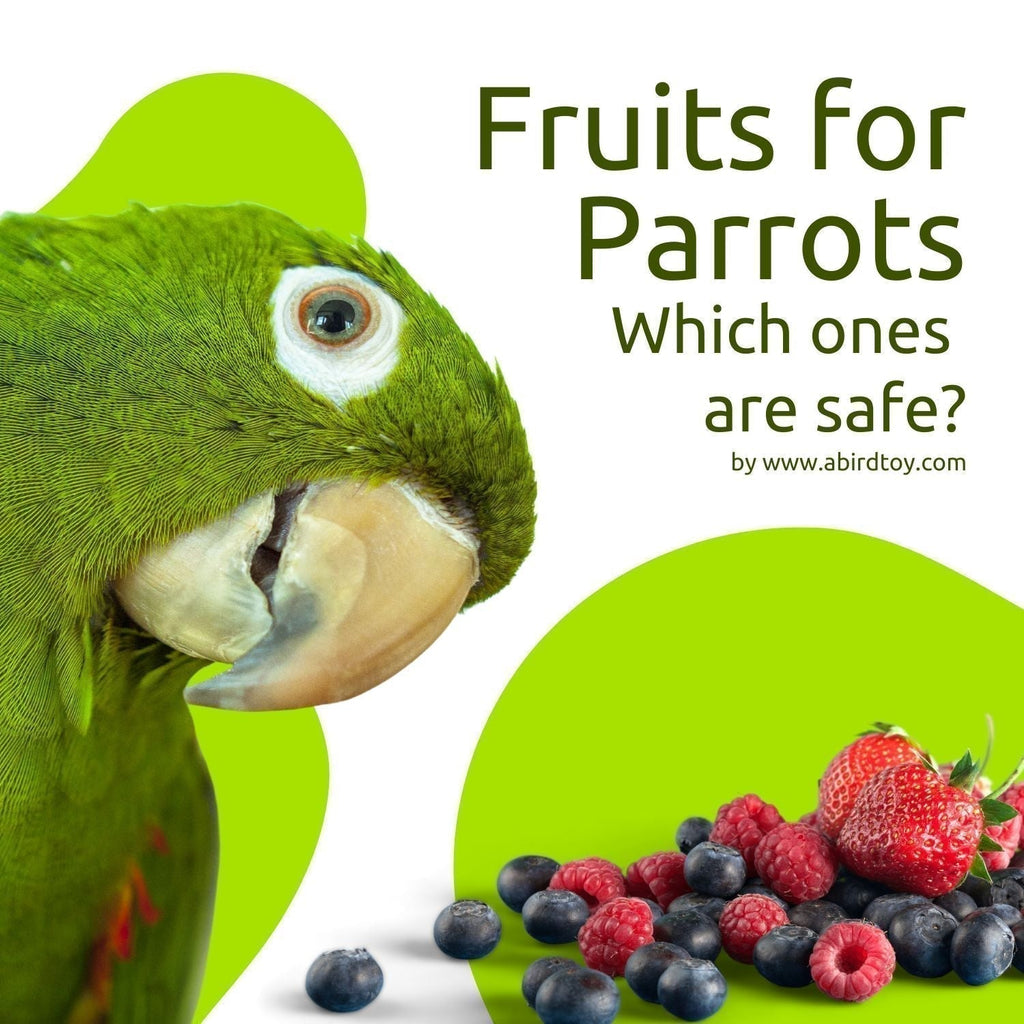
- Berries like blueberries, strawberries, and raspberries
- Bananas
- Grapes (cut in half)
- Melons such as cantaloupe and watermelon
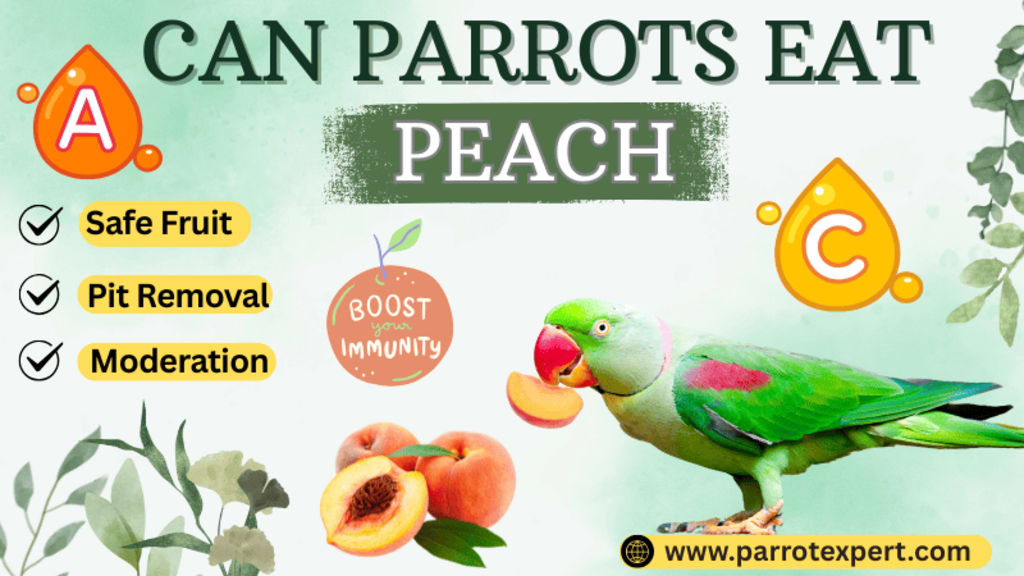
- Peaches and nectarines (without pits)
- Pears (remove seeds)
Preparation Tips For Feeding
Wash all fruits thoroughly before feeding. Remove seeds and pits that can be toxic. Cut fruits into small, manageable pieces. Avoid adding sugar or seasoning. Offer fresh fruit only, discarding leftovers to prevent mold.
Portion Control And Frequency
Offer small amounts of fruit to avoid waste. Feed fruits as a treat, not the main diet. Provide fruits a few times a week. Observe birds’ reactions and adjust portions if needed. Balance fruit with seeds and other foods for a varied diet.
Alternatives To Fruit Feeding
Feeding birds fruit can be enjoyable, but some fruits may harm them. Luckily, you can offer safe and nutritious alternatives that keep your feathered friends happy and healthy. These options often provide a balanced diet and prevent the risks associated with certain fruits.
Seeds And Nuts
Seeds and nuts are a favorite among many bird species. You can offer sunflower seeds, safflower seeds, and peanuts (unsalted and shelled) to attract a variety of birds. These foods provide essential fats and proteins that support energy and feather growth.
Try mixing different seeds to see which birds visit your feeder. Have you noticed how some birds prefer specific seed types? This can help you tailor your feeding station for the best results.
Vegetables For Birds
Vegetables are another great option for birds. Offer chopped carrots, peas, corn, or leafy greens like spinach and kale. These veggies supply vitamins and minerals that fruits sometimes lack.
Make sure to wash vegetables thoroughly and cut them into small, manageable pieces. You might be surprised how eagerly birds accept these fresh treats when introduced gradually.
Commercial Bird Food Choices
Commercial bird foods are designed to meet birds’ nutritional needs safely. Look for high-quality mixes that include grains, seeds, and pellets. These foods often contain balanced nutrients that help maintain bird health year-round.
Using commercial options can reduce the guesswork and prevent accidental feeding of harmful foods. Have you tried different brands to find what your local birds prefer? This can make feeding time easier and more effective.
Tips For Feeding Wild Birds Safely
Feeding wild birds can be a joyful activity. It helps birds stay healthy and brings nature closer. Feeding birds safely protects them from harm. It also keeps the environment clean and pleasant. Follow simple tips to ensure birds enjoy their food safely.
Identifying Safe Feeding Areas
Choose quiet places for feeding birds. Look for spots away from roads and predators. Trees and shrubs offer shelter and safety. Avoid areas with heavy human traffic or pets. Make sure the spot is dry and clean. Birds feel secure in calm, natural settings.
Avoiding Contaminated Food
Only offer fresh, clean fruits and seeds. Avoid moldy, rotten, or fermented fruits. Some fruits like avocado and citrus harm birds. Do not feed processed or sugary foods. Check fruits for pesticides or chemicals. Clean fruits thoroughly before placing them out.
Maintaining Clean Feeding Stations
Clean feeders regularly to prevent disease spread. Use warm, soapy water for washing. Rinse well and dry before refilling. Remove old or spoiled food daily. Keep feeding areas free from droppings and waste. Cleanliness keeps birds healthy and happy.
Frequently Asked Questions
What Fruits Are Toxic To Birds?
Fruits like avocado, cherries, and unripe apples contain toxins harmful to birds. Avoid feeding these to keep birds safe. Always research before offering new fruits to wild or pet birds.
Can Citrus Fruits Harm Birds?
Citrus fruits are generally safe but can upset some birds’ stomachs. Feed small amounts and observe for any adverse reactions. Avoid excessive citrus to prevent digestive issues.
Why Should Birds Not Eat Fruit Seeds?
Many fruit seeds contain cyanide or other toxins dangerous to birds. Seeds from apples, cherries, and peaches are especially harmful. Always remove seeds before feeding fruit to birds.
Are Dried Fruits Safe For Birds?
Dried fruits often contain added sugars or preservatives, which can harm birds. Fresh, unsweetened fruit is a better choice. Limit dried fruit offerings and check ingredients carefully.
Conclusion
Birds need the right fruits for health and happiness. Avoid feeding them harmful fruits. Avocados, apple seeds, and citrus can cause issues. Stick to safe options like berries and bananas. Watch your feathered friends thrive with safe choices. Always stay informed about what’s safe and what’s not.
Your careful selection keeps birds chirping cheerfully. Remember, a little research makes a big difference. Keep your backyard a bird-friendly zone. Happy birds make a lively, joyful environment. Enjoy watching them flutter and sing safely. Your efforts ensure their well-being and joy.