
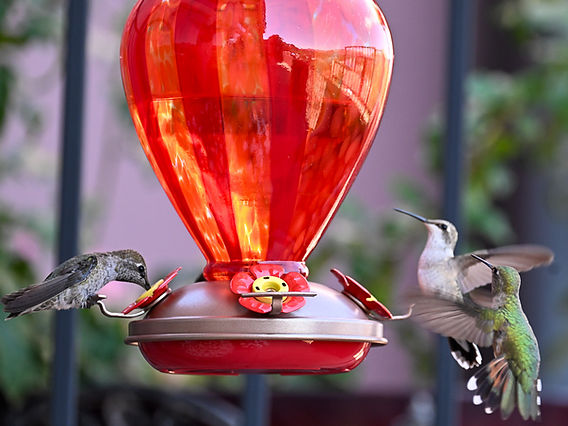
Have you ever wondered who visits your hummingbird feeder besides the tiny, buzzing hummingbirds? You might be surprised to learn that a variety of birds are attracted to these feeders, each with their own unique habits and reasons for stopping by.
Understanding which birds feed at hummingbird feeders can help you create a more inviting space in your yard and enjoy watching a lively mix of feathered friends. Keep reading to discover the fascinating visitors you might be welcoming to your garden and how to attract them even more!
Hummingbird Feeding Basics
Understanding the basics of hummingbird feeding is essential if you want to attract these dazzling birds to your garden. Knowing what they eat and why feeders can be helpful will make your efforts more successful. Let’s break down the essentials so you can create a hummingbird-friendly environment.
Why Use Feeders
Feeders provide a reliable source of food, especially when natural nectar sources are scarce. You might notice fewer hummingbirds around your yard during dry spells or early spring before flowers bloom. A feeder fills that gap and keeps hummingbirds coming back.
Using feeders also helps you observe these tiny birds up close. It’s amazing to watch their quick movements and vibrant colors. Plus, feeders allow you to control the quality of nectar, which is safer than relying solely on garden flowers that might be treated with pesticides.
Typical Hummingbird Diet
Hummingbirds primarily feed on flower nectar, which gives them the energy they need to hover and dart around. They also eat small insects and spiders to get essential proteins and nutrients. This mix keeps them healthy and active.
The nectar you provide in feeders should mimic natural flower nectar. A simple mix of four parts water to one part white granulated sugar works well. Avoid using honey or artificial sweeteners, as they can harm the birds.
Have you ever wondered why hummingbirds prefer red flowers? Their eyes are drawn to bright colors, especially red, which signals a rich nectar source. That’s why many feeders are designed with red accents to attract them.

Credit: m.youtube.com
Common Visitors At Feeders
Hummingbird feeders attract a variety of birds beyond just hummingbirds. These feeders provide a rich source of nectar, making them popular spots for many small birds. Observing the visitors can be exciting and educational. Each species has unique habits and preferences. Knowing common visitors helps in setting up the best feeder for your garden.
Hummingbird Species
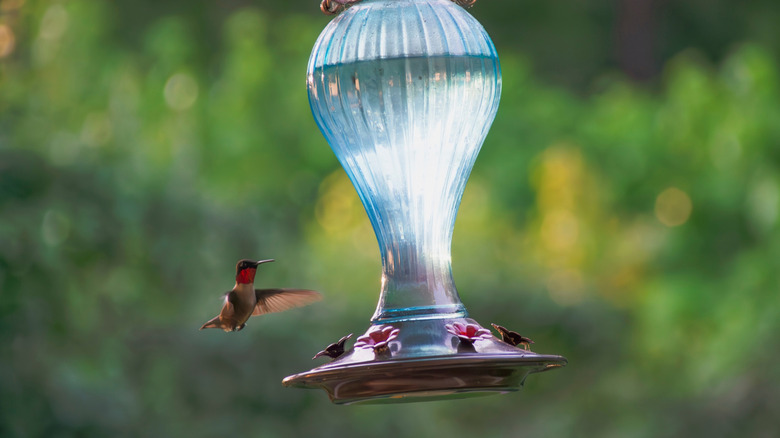
Several hummingbird species visit feeders, especially in North America. The Ruby-throated Hummingbird is the most common in the eastern United States. It has a bright red throat and fast wing beats. Anna’s Hummingbird is often seen on the west coast. It shows beautiful green and pink colors. Black-chinned and Rufous Hummingbirds also visit feeders frequently. These tiny birds are attracted to red-colored feeders filled with sugar water. They hover while feeding, beating their wings rapidly.
Other Frequent Birds
Not only hummingbirds enjoy the feeders. Other birds often come to feed on nectar or insects near feeders. Orioles are attracted to orange nectar feeders. They prefer sweeter nectar and often feed in groups. Warblers visit feeders during migration for quick energy. Some small finches and sparrows may sip nectar or eat insects drawn to the feeder. Ants and bees sometimes visit too, attracted by the sweet liquid. Using feeders helps support various bird species, especially during scarce food times.
Unexpected Feeder Guests
Hummingbird feeders attract more than just hummingbirds. Many other creatures find the sweet nectar appealing. These unexpected guests add excitement to your garden visits. Watching them can be a delightful surprise. They show how nature shares resources in surprising ways.
Butterflies And Insects
Butterflies often visit hummingbird feeders. They sip nectar using their long proboscis. Bright colors and sweet smells draw them in. Some species of bees and wasps also stop by. They seek sugar for energy and survival.
Ants can be found crawling around the feeder base. They are attracted to spilled nectar drops. Some flies may hover nearby too. These insects play a role in the garden’s ecosystem. Their presence shows a healthy, lively environment.
Non-hummingbird Birds
Several bird species visit hummingbird feeders. Orioles are common guests. They enjoy the nectar and sometimes use feeders designed for them. Woodpeckers may also come, pecking at the feeder or nearby trees.
House finches and sparrows sometimes share the feeder space. They are not as delicate as hummingbirds. These birds can be bold and take over the feeding area. Watching their interaction offers insight into bird behavior.

Credit: www.amazon.ca
Why Other Birds Are Attracted
Hummingbird feeders often attract more than just hummingbirds. Many other birds find these feeders appealing for various reasons. Understanding why other birds visit your hummingbird feeder can help you manage your backyard visitors better and create a more balanced bird-friendly environment.
Nectar Appeal
Hummingbird nectar is a simple sugar solution that other birds find tasty and energizing. Species like orioles, woodpeckers, and even some finches are drawn to the sweet liquid as a quick source of energy.
Have you noticed how orioles seem to be regular visitors to your feeder? These birds naturally seek out sweet fruits and nectar, making your feeder a perfect spot for a snack. This shared attraction can sometimes lead to competition, but it also adds to the diversity of birds you get to observe.
Seasonal Factors
Season changes influence which birds visit your feeder. During migration or colder months, some birds struggle to find enough natural food sources and turn to feeders for sustenance.
In my own garden, I’ve seen woodpeckers and jays appear more frequently in late fall when flowers are scarce. This shift shows how your feeder becomes a critical resource when nature’s buffet is limited. Are you prepared to support these unexpected guests during tough seasons?
Tips To Manage Feeder Visitors
Managing the visitors at your hummingbird feeder can be a balancing act. You want to welcome these tiny jewels but also keep other birds from overwhelming the feeder or upsetting the hummingbirds. A few smart strategies can help you control who visits and keep the feeder a safe, enjoyable spot for hummingbirds.
Attracting Hummingbirds Only
Hummingbirds are drawn to bright colors, especially red. Using feeders with red accents or red nectar ports can help attract just the right guests. Avoid feeders with yellow or orange parts since those colors can attract wasps or bees instead.
Place your feeder where hummingbirds feel safe—near flowers or shrubs but away from high-traffic areas. This encourages them to visit without interference from larger birds. Also, keep the nectar fresh by changing it every few days; stale sugar water can repel hummingbirds and attract ants or mold.
Sharing The Feeder Safely
It’s normal for other birds to want a taste of the nectar, but some can be aggressive or too large. To keep peace, try hanging multiple feeders spaced apart. This reduces competition and gives smaller birds room to feed.
Consider feeders with smaller feeding ports that fit hummingbird bills but discourage bigger birds. Clean feeders often to prevent the spread of diseases among visitors. Have you noticed certain birds monopolize your feeder? Observing their behavior can help you adjust feeder placement or design to protect the hummingbirds.
Credit: www.outdoorguide.com
Frequently Asked Questions
What Types Of Birds Visit Hummingbird Feeders?
Hummingbirds are the primary visitors to hummingbird feeders. Occasionally, orioles, bees, and butterflies may also visit. Some small birds like chickadees might show interest but rarely feed from these feeders.
Can Other Wildlife Feed At Hummingbird Feeders?
Yes, besides hummingbirds, orioles and insects like bees and wasps often feed at hummingbird feeders. However, larger birds typically do not feed there, as the nectar is designed for small birds with specialized feeding habits.
How To Attract More Hummingbirds To Feeders?
Use fresh, homemade sugar water without additives. Place feeders in shaded, quiet areas near flowers. Clean feeders regularly to prevent mold. Bright red colors attract hummingbirds effectively.
Do Hummingbird Feeders Attract Pests Or Unwanted Animals?
Yes, feeders can attract ants, bees, wasps, and sometimes squirrels. To reduce pests, use ant moats, keep the area clean, and avoid sweet spills. Regular maintenance helps keep unwanted visitors away.
Conclusion
Birds love hummingbird feeders. They bring color and life to gardens. Hummingbirds are the main visitors, but others come too. Orioles, woodpeckers, and even some finches enjoy the sweet nectar. Different species bring diversity and charm. Watching them is relaxing and fun.
To attract a variety, keep feeders clean and filled. Remember to use the right nectar recipe. This ensures health and safety for our feathered friends. Feeders can transform your yard into a lively bird paradise. Enjoy the beauty and joy they bring every day.