
Have you ever found a tiny baby bird and wondered if feeding it yourself is the right thing to do? It feels natural to want to help, but could your good intentions actually put the bird in danger?
You might be surprised by what can happen when humans try to feed wild baby birds. If you want to protect these fragile creatures and make the best choices for their survival, keep reading. This article will guide you through the risks and safe ways to help, so your actions truly make a difference.
Credit: irishwildlifematters.ie
Risks Of Feeding Baby Birds
Feeding a baby bird might seem like a kind act, but it carries several risks that could harm the bird instead of helping it. Understanding these risks is crucial before you decide to intervene. Let’s look closely at what dangers feeding baby birds can bring.
Injury And Stress Concerns
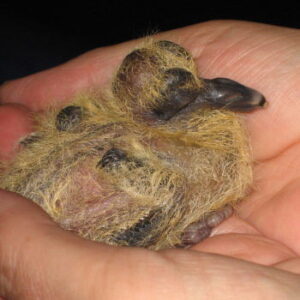
Handling a fragile baby bird can easily cause injury. Their bones are delicate, and improper feeding techniques may lead to choking or broken limbs.
Stress is another major issue. Baby birds depend on their parents for comfort and security. When humans step in, it can cause anxiety and disrupt their natural development.
Have you ever noticed how a scared bird reacts? Imagine how much more vulnerable a tiny hatchling feels in unfamiliar hands.
Nutritional Imbalances
Bird parents know exactly what their chicks need. Feeding them the wrong food can cause serious nutritional gaps.
For example, bread or milk might seem harmless but can upset a baby bird’s digestive system and lead to malnutrition.
Providing a diet that doesn’t match their natural needs can stunt growth and weaken their immune system.
Dependency On Humans
When you feed a baby bird, it may stop relying on its parents. This can interfere with essential survival skills like foraging and flying.
Dependency on humans reduces their chances of thriving once released back into the wild. It can even cause abandonment by the parents.
Think about what happens when a baby bird gets used to easy food from you—will it know how to survive on its own later?

Credit: www.discovermagazine.com
Proper Feeding Techniques
Feeding a baby bird requires careful attention to detail. Using proper feeding techniques can ensure the bird’s health and increase its chances of survival. Mistakes in feeding can lead to serious harm, so understanding the right way to feed is essential.
Safe Food Choices
Not all foods are safe for baby birds. Their diet must closely mimic what their parents provide in the wild. Avoid bread, milk, or processed human foods as these can cause digestive problems or malnutrition.
Good options include:
- Soft insects like mealworms or small crickets
- Specially formulated baby bird food available at pet stores
- Small pieces of boiled egg yolk for protein
Have you ever wondered if the food you think is harmless could actually be dangerous? Always research before offering anything new.
Correct Feeding Methods
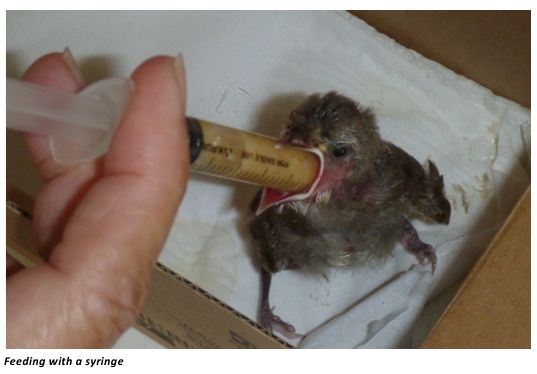
Feeding baby birds by hand requires patience and gentleness. Use a small, soft-tipped syringe or a dropper to deliver food slowly. Force-feeding or rushing can cause choking or injury.
Hold the bird carefully, supporting its body without squeezing. Gently place the food near its beak and allow the bird to swallow naturally. This mimics how parent birds feed their chicks and reduces stress.
Remember, your goal is to help the bird, not overwhelm it. Have you noticed how natural feeding involves small, frequent bites rather than large mouthfuls?
Frequency And Timing
Baby birds need to eat often, sometimes every 15 to 20 minutes during daylight hours. Their metabolism is fast, and missing a feeding can be dangerous. Keep track of feeding times to ensure consistent nourishment.
As the bird grows, you can gradually increase the intervals between feedings. Early morning and late afternoon feedings are just as crucial as midday ones. How might you manage your schedule to keep this routine steady?
Proper timing helps the bird develop a healthy appetite and digestion. Skipping or delaying feedings may lead to weakness or illness, so stay committed to the schedule.
When To Intervene
Knowing when to step in and help a baby bird can be tricky. Birds often appear helpless but may not need human care. Intervening at the right moment can save lives. Acting too soon or too late can harm the bird. Understanding signs of distress and assessing the situation carefully is important. Experts can guide you on the best course of action.
Signs Of Distress In Baby Birds
- Feathers are ruffled or missing in patches
- Bird is unusually quiet or very weak
- It lies on its side or cannot stand
- Visible injuries or bleeding are present
- Bird is cold to touch or shivering
- Repeated begging calls without response from parents
Assessing The Need For Help
Check the bird’s surroundings first. Look for the nest nearby or parents flying around. Sometimes, parents may be out gathering food. If the bird is in a safe place, wait and watch. If it is in danger from predators or weather, action may be needed. Avoid touching the bird unless necessary. Minimal disturbance is best to keep stress low.
When To Contact Wildlife Experts
Contact professionals if the bird is injured or very weak. Experts have the tools and knowledge to care properly. Call local wildlife rehabilitators or animal control services. Do not attempt to feed or care for the bird yourself. Specialized diets and handling are crucial for survival. Quick expert help increases the chances of recovery.
Credit: wildbloo.com
Natural Bird Parenting
Natural bird parenting is a finely tuned process that ensures the survival and growth of baby birds. Each species has developed unique ways to care for their young, providing food, warmth, and protection. Understanding these natural behaviors helps you see why human intervention, even with good intentions, can sometimes do more harm than good.
Parental Care Behaviors
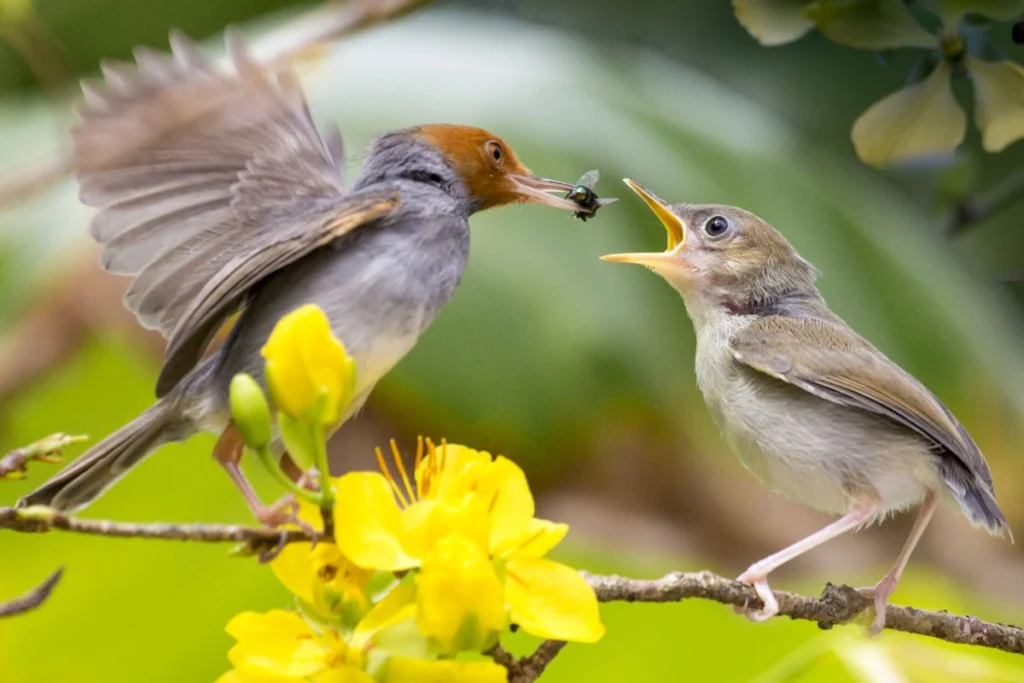
Bird parents are incredibly attentive. They feed their chicks small, frequent meals, often regurgitating food to make it easier to digest. Beyond feeding, they keep their babies warm by brooding, which is essential for their survival during the early days.
Parents also teach essential survival skills. For example, some birds show their chicks how to find food or recognize danger. This hands-on learning is crucial and cannot be replaced by human help.
Why Parents Should Feed Chicks
Feeding is more than just providing nutrition. Parents deliver the right type of food tailored to their chicks’ specific dietary needs. This ensures the babies get the exact nutrients needed for healthy development.
Additionally, the feeding process strengthens the bond between parent and chick, which is important for emotional and physical growth. When you feed a baby bird, you interrupt this natural connection and potentially weaken its chances of thriving.
Impact Of Human Interference
Human feeding often leads to unintended consequences. You might think you are helping, but improper feeding can cause choking, malnutrition, or disease. Baby birds may also become dependent on humans, losing their natural instincts.
Have you ever wondered if your kind gesture might be delaying a baby bird’s ability to survive on its own? It’s vital to let nature take its course unless the bird is truly in danger and professional help is available.
Common Myths About Feeding Baby Birds
Many people want to help baby birds they find on the ground. Some believe feeding these birds is always good. This section clears up common myths about feeding baby birds. Understanding these myths helps protect birds and keeps them safe.
Myth: All Baby Birds Need Human Help
Not every baby bird on the ground needs help. Some young birds leave the nest but still get care from their parents. These birds are learning to fly. Interfering can stop parents from feeding their baby. Watch quietly for a while before acting.
Myth: Bread And Milk Are Safe Foods
Bread and milk can harm baby birds. Bread has little nutrition and can fill their stomachs without feeding them. Milk can upset their digestion. Baby birds need special food like insects or seeds. Giving the wrong food can make them sick.
Myth: Feeding Always Saves The Bird
Feeding a baby bird is not always the right choice. If done wrong, it can cause injury or illness. Birds also need warmth and protection from predators. Sometimes, contacting wildlife experts is the safest option. They know how to care for baby birds properly.
Frequently Asked Questions
Can Feeding A Baby Bird Cause Harm?
Feeding a baby bird improperly can cause harm. Wrong food or feeding technique may lead to choking or malnutrition. It’s best to contact wildlife experts for guidance.
Should I Feed A Baby Bird I Found?
Only feed a baby bird if it is injured or orphaned. Otherwise, the parents are usually the best caregivers. Consult a wildlife rehabilitator before intervening.
What Foods Are Safe For Baby Birds?
Baby birds need a diet that mimics their natural food. Soft, protein-rich foods like soaked dog kibble or insects are suitable. Avoid bread, milk, or processed foods.
How Often Should A Baby Bird Be Fed?
Baby birds require frequent feeding, usually every 15-20 minutes during daylight. Feeding intervals depend on species and age. Consistent care is essential for their survival.
Conclusion
Feeding baby birds is not always safe. Proper knowledge is essential. Without it, you risk harming the bird. It’s crucial to understand their specific dietary needs. Many times, professional help is best. Wildlife experts know how to care for them.
Observing from a distance might be more beneficial. Nature often knows best. So, before you intervene, consider all factors carefully. Your good intentions might not always help. Always prioritize the bird’s well-being. Respect their natural development process. This ensures their best chance for survival and growth.