
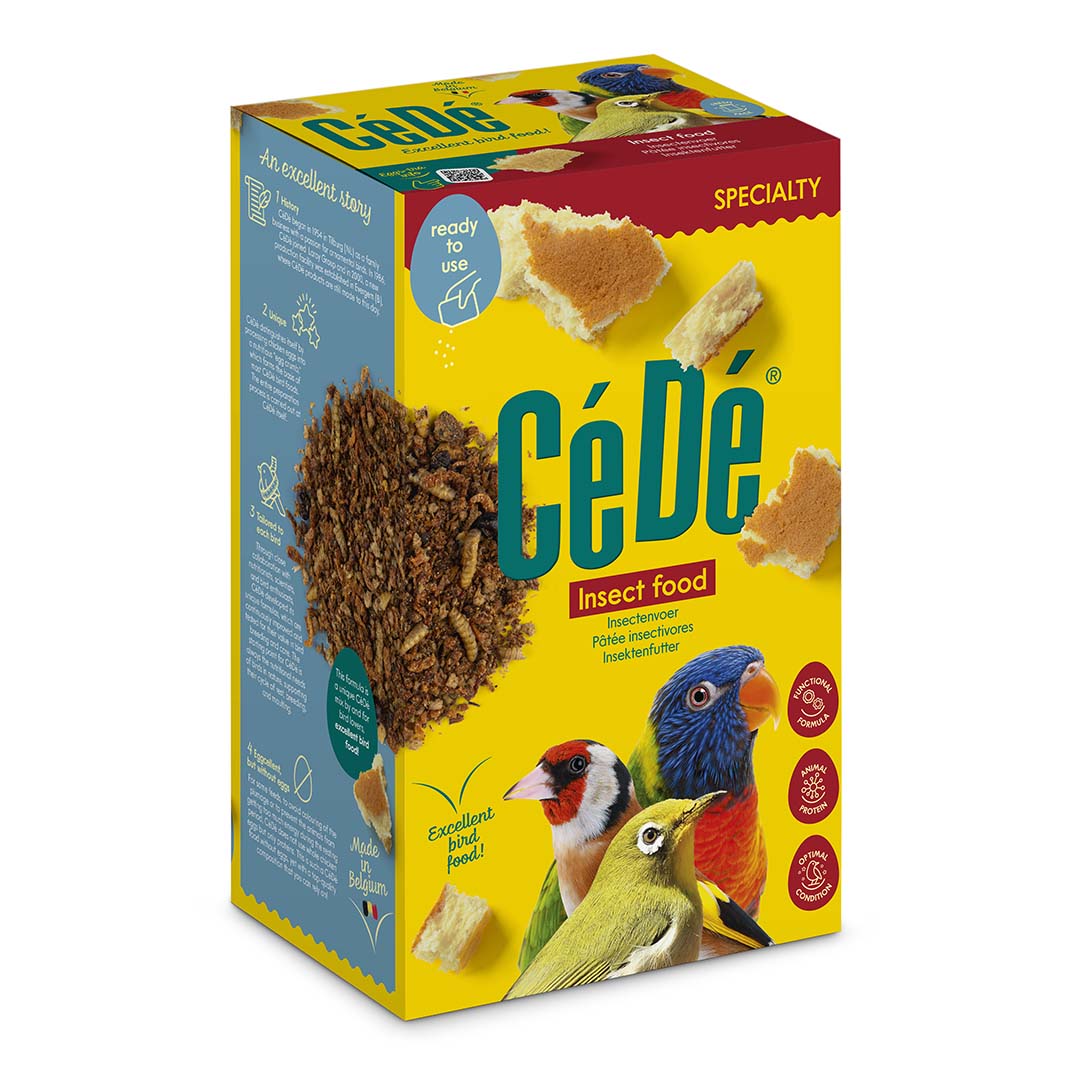
If you love watching birds flutter around your garden, you’ve probably noticed some that prefer insects over seeds. But have you ever wondered what to feed birds that eat insects to keep them coming back?
Giving them the right food can make your backyard a buzzing haven for these helpful little creatures. You’ll discover simple, natural options to attract and nourish insect-eating birds. Keep reading to learn how to create a bird-friendly space that benefits both you and your feathered visitors.
Insect-eating Birds And Their Diet
Insect-eating birds play a vital role in keeping ecosystems balanced by controlling insect populations. Understanding their diet helps you provide the right food if you want to attract or support them in your garden. Their feeding habits vary, but all rely heavily on insects for essential nutrients and energy.
Common Insectivorous Bird Species
You might recognize several insect-eating birds around your home or park. Some common species include:
- Swallows:These birds catch flying insects mid-air and are excellent aerial hunters.
- Woodpeckers:They peck on tree bark to find hidden insects and larvae.
- Warblers:Small, active birds that forage among leaves for caterpillars and spiders.
- Flycatchers:Known for their quick sally flights to snatch insects in mid-flight.
- Chickadees:These versatile birds pick insects from branches and foliage.
Have you noticed how each species has a unique way of hunting? Observing their behavior can tell you what kinds of insects they prefer.
Nutritional Needs Of Insectivorous Birds
Insect-eating birds need a diet rich in protein to support their active lifestyles and feather growth. Insects provide essential amino acids, fats, and vitamins that fruits or seeds alone can’t supply.
Some key nutritional components to consider include:
- Protein:Crucial for muscle development and overall health.
- Fat:Provides energy, especially during migration or cold weather.
- Calcium:Important for strong bones and eggshell formation.
Offering a variety of insect types, such as mealworms, crickets, and beetles, can help meet these needs. You might wonder: Are you providing enough variety to keep your local insectivorous birds healthy and thriving?
Best Natural Insect Foods
Feeding birds that eat insects means offering them foods that closely match their natural diet. Natural insect foods provide essential proteins and nutrients that keep insectivorous birds healthy and active. Choosing the right types of insects can also encourage birds to visit your garden regularly, creating a lively and vibrant outdoor space.
Live Mealworms
Mealworms are a favorite among many insect-eating birds. They are easy to find in pet stores and can be offered live to attract birds like robins and bluebirds. Live mealworms move, which naturally triggers the birds’ hunting instincts, making your feeding spot more attractive.
Have you noticed how quickly birds grab wriggling mealworms compared to dried options? This liveliness makes mealworms a practical and enjoyable food choice for your feathered visitors.
Crickets And Grasshoppers
Crickets and grasshoppers are excellent sources of protein and are widely consumed by birds such as wrens and sparrows. These insects are usually abundant in warm weather, but you can also buy them live for feeding. Their crunchy exoskeleton adds texture, which many birds appreciate.
Offering crickets and grasshoppers can mimic what birds catch in the wild, improving their diet quality and encouraging natural foraging behaviors.
Ants And Termites
Ants and termites are small but packed with nutrients that many insectivorous birds seek out. Birds like woodpeckers and nuthatches often probe tree bark to find these insects. Providing ants or termites can be more challenging but rewarding if you want to support these specialized feeders.
Try observing your local birds to see if they target ants or termites, then consider how you might safely offer these insects to them.
Beetles And Larvae
Beetles and their larvae are common food sources for many insect-eating birds. Larvae are softer and easier to digest, making them ideal for younger birds or those with smaller beaks. Beetles offer a variety of sizes and nutritional profiles, which can keep your bird visitors interested.
Including beetles and larvae in your feeding plan can diversify your birds’ diet and encourage them to stay longer in your garden.
Supplementary Nutritious Foods
Supplementary nutritious foods help support insect-eating birds, especially outside insect season. These foods provide extra energy and nutrients that insects might lack. Feeding a variety of options keeps birds healthy and active.
High-protein Seeds
Seeds rich in protein are a great addition for insectivorous birds. Sunflower seeds, especially black oil sunflower, are easy to digest and full of nutrients. Peanuts, either whole or shelled, offer healthy fats and protein. These seeds provide birds with energy for flying and foraging.
Fruits And Berries
Fruits and berries supply vitamins and natural sugars. Small pieces of apple, pear, or melon attract many bird species. Berries like blueberries, raspberries, and elderberries are favorites. These foods support digestion and overall health.
Nectar And Sap
Nectar and tree sap mimic natural sweet sources for some birds. Hummingbird nectar or sugar water can provide quick energy. Maple or birch sap offers minerals and natural sugars. These liquids help birds stay hydrated and energized during colder months.
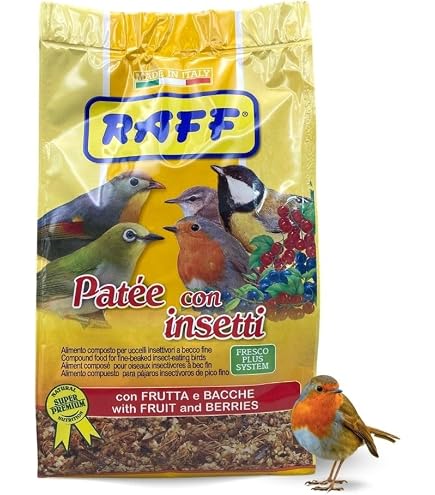
Credit: www.amazon.com
Preparing And Offering Food Safely
Preparing and offering food safely is key to helping insect-eating birds stay healthy. Birds need fresh, clean food without harmful substances. Providing food carefully encourages birds to visit and eat regularly. It also prevents the spread of disease and keeps the feeding area safe.
Proper Storage Of Insect Foods
Store insect foods in cool, dry places away from sunlight. Use airtight containers to keep foods fresh and free from pests. Freeze mealworms or other live insects if you do not use them immediately. Check stored food often for signs of mold or spoilage. Discard any food that looks unhealthy or smells bad.
Avoiding Harmful Additives
Choose insect foods without added chemicals or preservatives. Avoid foods with salt, sugar, or artificial colors. Do not feed birds insects that have been treated with pesticides. Only offer natural, pesticide-free insects to protect birds’ health. Clean feeders regularly to remove leftover food and bacteria.
Setting Up Feeding Stations
Place feeding stations in quiet, safe spots away from predators. Use shallow dishes or trays to hold live or dried insects. Keep feeding areas clean by removing old food daily. Provide fresh water nearby to help birds drink and bathe. Position feeders where birds can easily land and take off.
Seasonal Feeding Tips
Birds that eat insects have different feeding needs depending on the season. Adjusting your feeding habits helps support their health and survival throughout the year. Understanding these seasonal changes can make your backyard a haven for insect-eating birds.
Feeding During Breeding Season
During breeding season, insect-eating birds need extra protein to raise their young. You can help by offering live mealworms or chopped boiled eggs, which are rich in nutrients. Adding suet mixed with insects provides an energy boost for busy parent birds.
Keep feeders clean and well-stocked, since hungry chicks mean parents visit more often. Have you noticed how birds become more active and vocal at this time? It’s their way of signaling they need more food.
Winter And Migration Considerations
In winter, natural insect availability drops sharply. You can fill this gap by offering suet cakes with added insects or high-fat seeds to keep birds warm. Fat-rich foods help them maintain energy through cold nights.
During migration, birds often stop to refuel. Providing a mix of insects and seeds can support their long journeys. Have you ever watched a flock pause briefly at your feeder before flying off? Your help could be crucial to their survival.
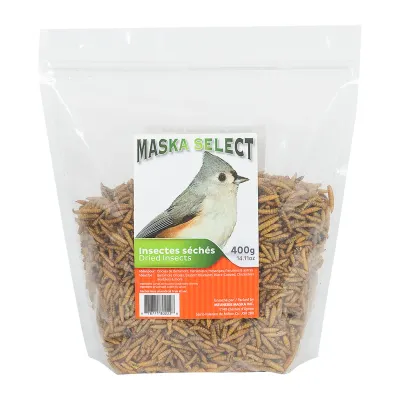
Credit: paddockanimal.ca
Common Mistakes To Avoid
Feeding birds that eat insects requires careful attention. Avoiding common mistakes ensures their health and encourages natural behaviors. Let’s look at some pitfalls you should steer clear of to keep your feathered friends happy and safe.
Overfeeding And Its Risks
It’s easy to get enthusiastic and offer too much food. But overfeeding can lead to dependency, making birds less likely to hunt on their own. Excess food also attracts pests like rodents and ants, which can create an unhealthy environment.
Think about your own habits—would you eat nonstop if food was always handed to you? Birds need balance to stay healthy and active. Try offering smaller amounts and observe if they finish it quickly before adding more.
Feeding Inappropriate Foods
Not all insects or foods are safe for insect-eating birds. Avoid feeding processed snacks, bread, or sugary treats that can harm their digestion. Some insects from your garden might carry pesticides or toxins, so sourcing safe options is crucial.
You might be surprised how some common foods can actually hurt birds instead of helping them. Instead, provide live or dried mealworms, crickets, or other safe insect options. Always double-check if a particular food is suitable—your birds rely on you to make the right choices.
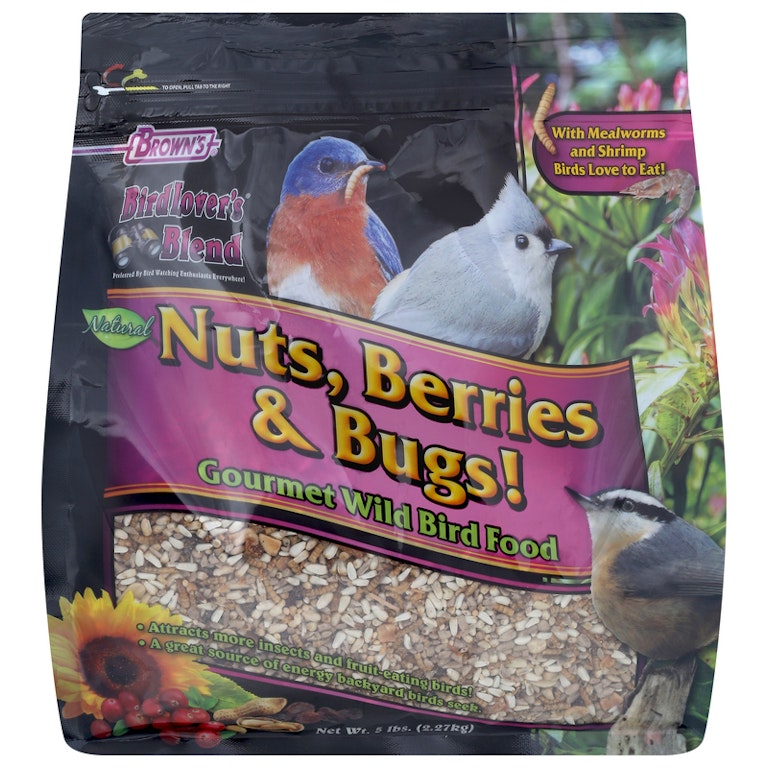
Credit: www.gianteagle.com
Frequently Asked Questions
What Insects Do Insect-eating Birds Prefer?
Insect-eating birds mainly prefer caterpillars, beetles, ants, and flies. These insects provide essential proteins and fats. Offering live or dried versions attracts birds effectively. Including native insects supports their natural diet and overall health.
Can I Feed Mealworms To Insect-eating Birds?
Yes, mealworms are an excellent food source. They are rich in protein and easy for birds to digest. Both live and dried mealworms can be offered. Mealworms attract many insectivorous birds like bluebirds and wrens.
Are Homemade Insect Bird Feeders Effective?
Homemade insect bird feeders work well when stocked with mealworms or crickets. They simulate natural feeding habits and attract various insect-eating birds. Using breathable containers helps keep insects fresh. Regular cleaning prevents mold and disease.
Should I Avoid Pesticides When Feeding Insect-eating Birds?
Absolutely, avoid pesticides as they harm birds and their food sources. Birds can ingest toxins from contaminated insects. Organic gardening encourages safe insect populations. Pesticide-free environments promote healthy bird feeding and natural insect availability.
Conclusion
Feeding insect-eating birds requires some thought and care. Offer mealworms, suet, and insects. These choices provide essential proteins and nutrients. Fresh water is also vital for birds. Keep feeders clean and free from pests. Observe birds’ preferences. Adjust food options as needed.
This helps attract a variety of birds. Enjoy watching them thrive in your garden. Remember, a little effort goes a long way. Birds appreciate a welcoming environment. Your actions support their health and well-being. Thank you for nurturing nature’s wonders.
Your backyard becomes a vibrant haven for these incredible creatures.