
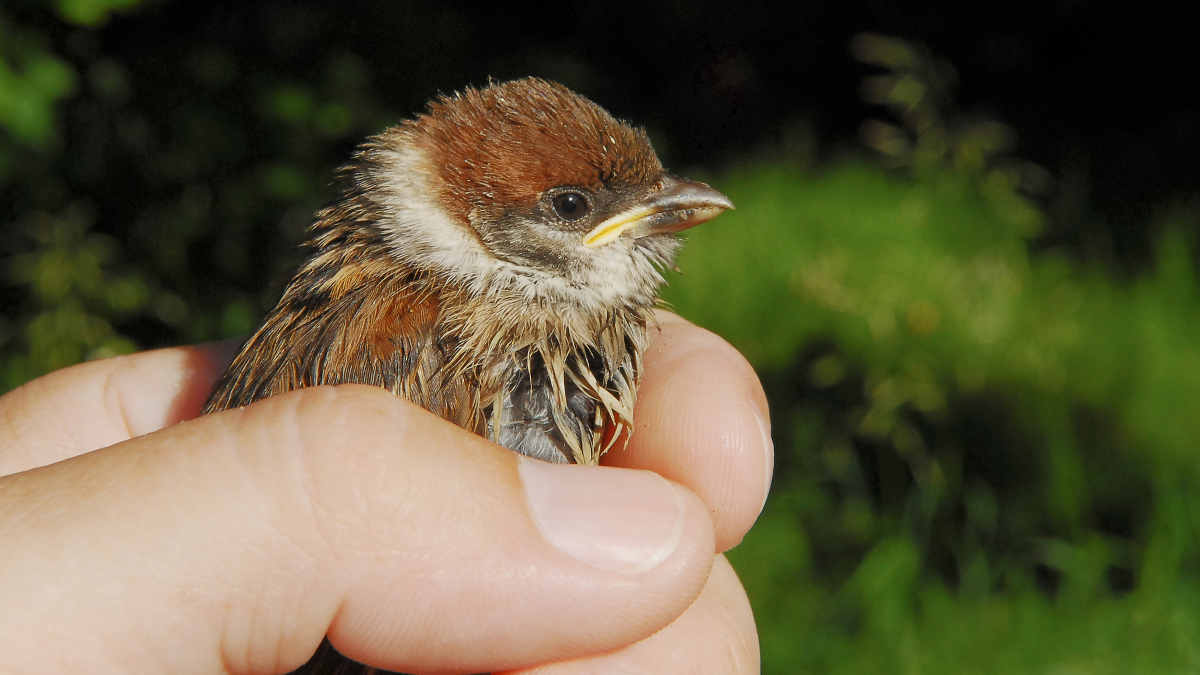
Have you ever found a tiny baby sparrow and wondered what you should feed it? Knowing the right food can make all the difference in helping your little feathered friend grow strong and healthy.
Feeding a baby sparrow isn’t as simple as giving it any birdseed—you need to understand its special needs. You’ll discover easy and effective ways to nourish your baby sparrow, ensuring it thrives under your care. Keep reading to learn exactly what to feed your tiny visitor and how to do it safely.

Credit: www.youtube.com
Diet Basics For Baby Sparrows
Baby sparrows need a special diet to grow strong and healthy. Their food must meet their energy and nutrient needs. A proper diet supports their development and helps them learn to eat on their own. Understanding what to feed and what to avoid is essential for their survival.
Nutritional Needs
Baby sparrows require high protein for muscle growth. Protein also helps with feather development. They need carbohydrates for energy to stay active. Fats support brain growth and overall health. Vitamins and minerals keep their immune system strong.
- Insects like mealworms or crickets provide protein.
- Soaked seeds or grains offer easy digestion.
- Soft fruits such as mashed berries add vitamins.
- Small amounts of egg yolk give extra nutrients.
Fresh water should be available at all times. Do not force-feed; let them eat at their pace.
Foods To Avoid
Some foods harm baby sparrows and slow growth. Avoid salty or sugary human foods. Bread lacks nutrients and can cause digestive problems. Dairy products are hard for birds to digest. Never feed them chocolate or caffeine; these are toxic.
- Processed snacks and junk food.
- Raw beans and onions.
- Avocado, known to be poisonous to birds.
- Anything moldy or spoiled.
Safe feeding helps baby sparrows thrive and grow well.
Credit: besgroup.org
Safe Foods For Baby Sparrows
Feeding a baby sparrow requires careful attention to what foods are safe and nutritious. Providing the right diet helps these tiny birds grow strong and healthy. Let’s look at some safe food options you can offer to support your baby sparrow’s development.
Insects And Protein Sources
Baby sparrows need plenty of protein to build muscles and feathers. Soft insects like mealworms, small crickets, and caterpillars are excellent choices. You can find mealworms at pet stores or even raise them yourself, making it easy to provide fresh protein regularly.
Try to avoid hard or large insects that could choke the baby sparrow. Instead, break them into smaller pieces if necessary. Protein-rich foods help your sparrow stay active and develop properly.
Seeds And Grains
Seeds and grains form a big part of a sparrow’s diet as they grow. You can offer small seeds like millet, finely ground sunflower seeds, or cracked corn. These are easy for baby sparrows to digest and provide essential energy.
Mix seeds with a bit of water to soften them, especially for very young birds. This makes eating easier and reduces the risk of choking. Have you noticed how sparrows eagerly peck at seeds? It’s a natural instinct you can support with the right choices.
Fruits And Vegetables
Fresh fruits and vegetables add vitamins and hydration to a baby sparrow’s diet. Safe options include finely chopped apples, berries, peas, and leafy greens like spinach. Always remove seeds or pits from fruits to prevent any harm.
Offer small portions at first and watch how your sparrow reacts. Some sparrows may prefer sweeter fruits, while others go for crunchy greens. Providing variety keeps meals interesting and balanced.
Feeding Techniques
Feeding a baby sparrow requires careful techniques to keep the bird healthy. Proper feeding helps the sparrow grow strong. It also prevents stress and illness. This section explains key feeding methods for baby sparrows.
Hand-feeding Tips
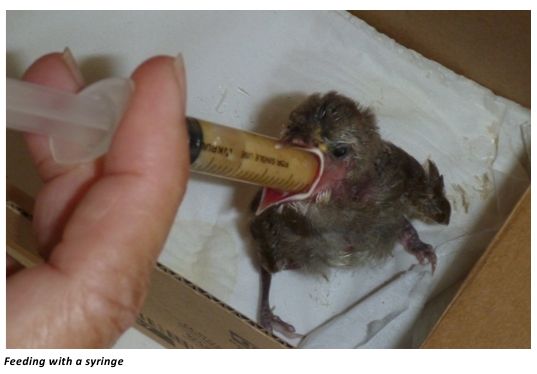
Use tweezers or a small spoon to feed the bird. Offer soft foods like soaked seeds or finely mashed insects. Warm the food to room temperature for easy digestion. Feed gently to avoid choking. Hold the bird calmly to reduce fear. Feed small amounts slowly to prevent food from entering the lungs.
Feeding Frequency
Newborn sparrows need feeding every 15 to 20 minutes during daylight. As they grow, space feedings to every 30 minutes. Older babies eat about every hour. Watch the bird’s hunger cues to adjust feeding times. Avoid overfeeding, which can cause health problems.
Hydration Methods
Baby sparrows get water mainly from their food. Use moist foods to keep them hydrated. Offer small drops of water with a syringe if needed. Never force water directly into the beak to avoid choking. Keep the feeding area clean to prevent infections.
Creating A Healthy Feeding Environment
Creating a healthy feeding environment is key to helping a baby sparrow grow strong. A safe and clean space encourages good eating habits. It also reduces the risk of infections and stress. Setting up the right feeding area makes feeding easier and more effective.
Suitable Feeding Containers
Choose small, shallow containers for feeding baby sparrows. They should be easy for the bird to access. Avoid deep bowls that can cause drowning. Use materials like plastic or ceramic that are easy to clean. Containers with smooth edges prevent injury. Change the containers often to keep food fresh.
Maintaining Cleanliness
Cleanliness is vital for the baby sparrow’s health. Wash feeding containers after every use. Use warm water and mild soap to remove food residue. Rinse well to avoid soap traces. Keep the feeding area free from waste and spilled food. Dry surfaces to prevent mold and bacteria growth. Regular cleaning lowers the chance of illness.
Signs Of Proper Nutrition
Recognizing signs of proper nutrition helps ensure a baby sparrow grows strong and healthy. Feeding the right food alone is not enough. Observing physical and behavioral clues confirms the bird’s diet meets its needs.
Healthy nutrition supports quick growth and active behavior. It also boosts the bird’s immune system. Noticing these signs early can prevent health problems and improve survival chances.
Growth Indicators
- Steady weight gain over days or weeks
- Bright, smooth feathers developing
- Strong, firm body with no visible bones
- Clear, bright eyes without discharge
- Well-formed beak and legs
These physical signs show that the baby sparrow gets enough nutrients. Slow growth or dull feathers may indicate poor diet or illness.
Behavioral Signs
- Alert and responsive to sounds and movement
- Active and eager to eat when offered food
- Regular begging calls when hungry
- Good muscle tone and coordination
- Resting calmly between feeding times
Behavioral signs help confirm the bird’s comfort and health. Lethargy or weak responses might mean it lacks proper nutrition or needs veterinary care.
When To Transition To Independent Feeding
Knowing when to help a baby sparrow start feeding on its own is key to its growth and survival. Too early, and the little bird might struggle; too late, and it could miss out on important learning opportunities. Watching your sparrow closely will tell you when it’s ready to take the next step toward independence.
Recognizing Readiness
Look for signs that your baby sparrow is becoming more curious and active. It might begin to open its beak eagerly when you offer food or try to peck at small bits on its own. Notice if it starts flapping its wings and hopping around more—these are strong signals it’s ready to try feeding independently.
Have you seen your sparrow showing interest in exploring food beyond what you provide? That’s a clear green light. Keep in mind, each bird develops at its own pace, so patience is key.
Encouraging Self-feeding
To encourage your sparrow to feed itself, start by placing small, soft pieces of food where it can easily reach them. Items like soaked seeds or finely chopped insects work well. Try scattering some food on a flat surface to stimulate natural foraging behavior.
Offer food in shallow dishes or on leaves to make grabbing easier. Avoid overwhelming your sparrow with too much at once; a few pieces encourage exploration without stress. You might notice your sparrow mimicking how you feed it—that’s a great chance to step back and let it try on its own.
Have you tried gently withdrawing your hand during feeding to see if your sparrow pecks at the food by itself? This simple act can boost confidence and help it learn faster. Remember, encouragement and a safe environment help your baby sparrow thrive as it transitions to independence.
Common Feeding Mistakes To Avoid
Feeding a baby sparrow seems simple, but many well-meaning caregivers make mistakes that can harm the bird. Avoiding these common errors ensures the sparrow grows strong and healthy. Let’s look at some feeding mistakes you should watch out for.
Overfeeding Risks
It’s easy to think more food means better growth, but overfeeding can actually cause serious problems. Baby sparrows have small stomachs, and too much food can lead to choking or digestive issues.
Watch how often and how much you feed. If the baby sparrow seems full or stops eagerly eating, it’s time to pause. Overfeeding can also cause obesity, which weakens their ability to fly and escape predators later.
Ask yourself: Are you feeding based on a schedule or the bird’s actual hunger cues? Adjust feeding amounts accordingly to avoid these risks.
Incorrect Food Choices
Not every seed or leftover human food is safe for baby sparrows. Offering the wrong food can starve them of essential nutrients or even poison them.
Avoid bread, milk, or processed snacks. These lack protein and can cause digestive upset. Instead, focus on high-protein options like soaked mealworms, finely chopped insects, or specialized bird formula.
Consider the baby sparrow’s natural diet. What do you think wild sparrows eat in their early days? Mimicking this will give your bird the best chance at healthy development.

Credit: www.reddit.com
Frequently Asked Questions
What Is The Best Food For A Baby Sparrow?
Baby sparrows thrive on a diet of soaked seeds, soft fruits, and small insects. Protein-rich foods like mealworms help growth. Avoid processed foods and dairy. Ensure the food is soft and easy to digest. Feeding small portions frequently mimics natural feeding habits.
Can I Feed Baby Sparrows Bread Or Milk?
No, bread and milk are harmful to baby sparrows. Bread lacks nutrition and can cause choking. Milk is indigestible for birds and can upset their digestion. Stick to natural foods like soaked seeds, fruits, and insects for healthy development.
How Often Should I Feed A Baby Sparrow?
Feed baby sparrows every 20-30 minutes from sunrise to sunset. Frequent feeding mimics their natural care and supports growth. Gradually reduce feeding as they mature. Consistent feeding is vital until they can eat independently and leave the nest.
Is It Safe To Feed Baby Sparrows Insects?
Yes, small insects like mealworms and crickets are excellent protein sources. They aid muscle development and overall health. Always ensure insects are safe and pesticide-free. Insects are a natural part of a baby sparrow’s diet and essential for growth.
Conclusion
Feeding a baby sparrow requires care and knowledge. Offer suitable foods like insects and soaked cat food. Avoid giving bread or milk. These can harm the bird. Always ensure food is fresh and clean. Keep the feeding area safe and quiet.
This helps the baby sparrow feel secure. Watch for growth and health signs. Contact a wildlife expert for concerns. Your efforts can help this little bird thrive. Remember, patience and attention are key. These simple steps ensure a happy, healthy sparrow.
You’re doing a great job caring for nature’s tiny creature.