
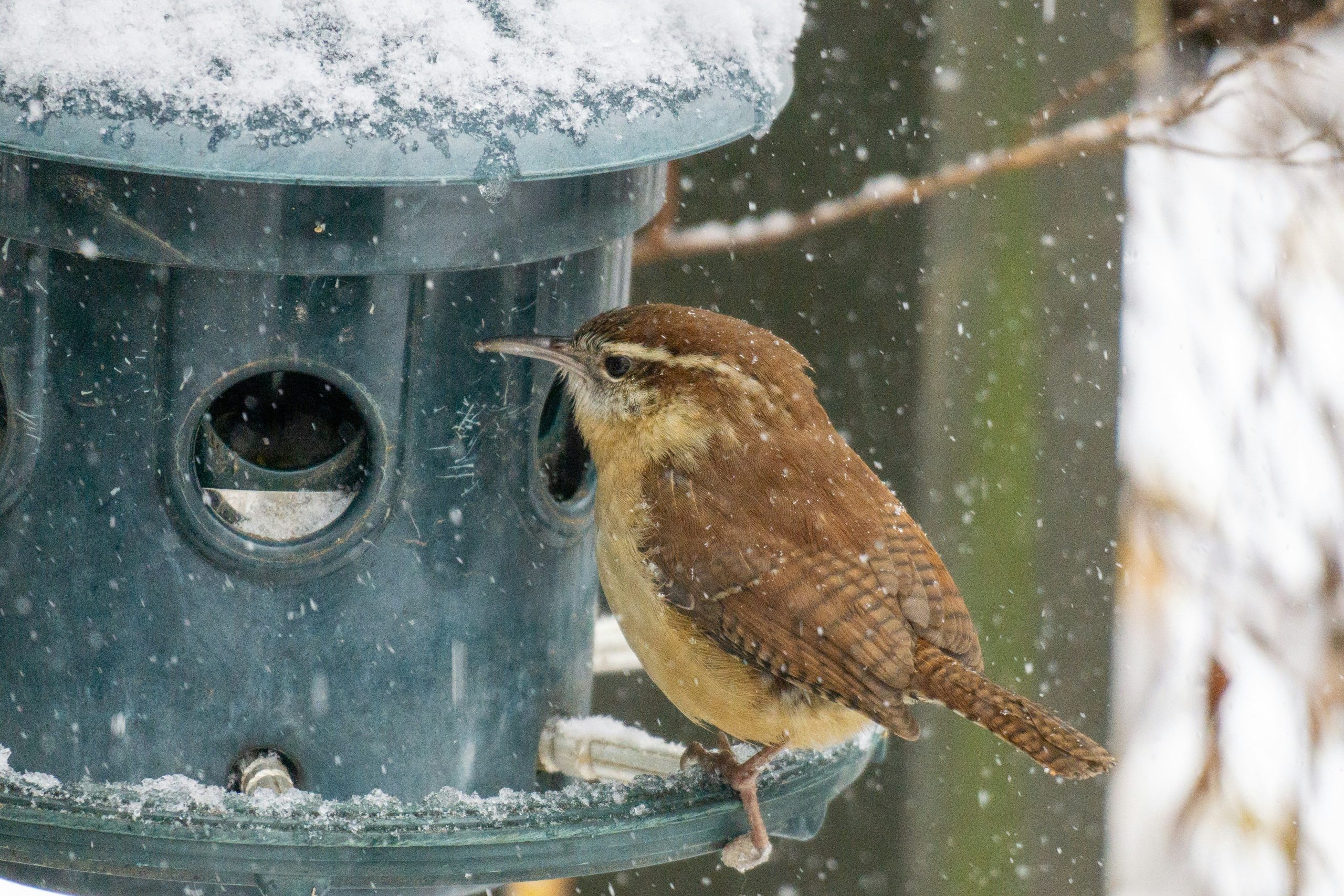
Winter can be tough—not just for you, but for the birds outside your window too. When the cold sets in and food becomes scarce, your help can make a huge difference.
Imagine watching colorful birds visit your garden, chirping happily as they enjoy your carefully placed treats. You might think feeding birds in winter is tricky, but with the right tips, it’s easier than you expect. Keep reading, and you’ll discover simple, effective ways to support your feathered friends all season long.
Your backyard could become their favorite winter spot—and that’s a beautiful thing to be part of.

Credit: www.yahoo.com
Choosing The Right Food
Choosing the right food is key to helping birds survive cold winter days. Birds need extra energy to stay warm and active. Providing suitable food supports their health and increases their chances of survival. Not all foods are equal. Some foods offer more energy and nutrients than others. Feeding the right items attracts a variety of birds to your garden.
High-energy Seeds
Seeds rich in fat and protein give birds the energy they need. Black oil sunflower seeds are a favorite. They have thin shells and lots of oil. Nyjer seeds attract small finches like goldfinches and siskins. Safflower seeds suit cardinals and grosbeaks. These seeds provide warmth and fuel for daily activity.
Suet And Fat Sources
Suet is a great source of fat for birds in winter. It gives calories to keep birds warm. Offer suet blocks or cakes in wire feeders. Mix suet with seeds or dried fruit for variety. Fat balls are another good option. They attract woodpeckers, chickadees, and nuthatches. Fat helps birds stay energized during freezing weather.
Avoiding Harmful Foods
Some foods can harm birds or offer little nutrition. Avoid bread, salty snacks, and processed human food. These items cause health problems and do not provide energy. Never feed moldy or spoiled food. Discard leftovers quickly to prevent disease. Stick to natural, bird-safe foods for their well-being.
Setting Up Feeders
Setting up feeders correctly can make a huge difference in attracting and helping birds survive the winter months. It’s not just about hanging any feeder anywhere; thoughtful setup ensures the birds find food easily and stay safe. Let’s dive into the types of feeders you can use, where to place them, and how to keep them clean.
Types Of Feeders
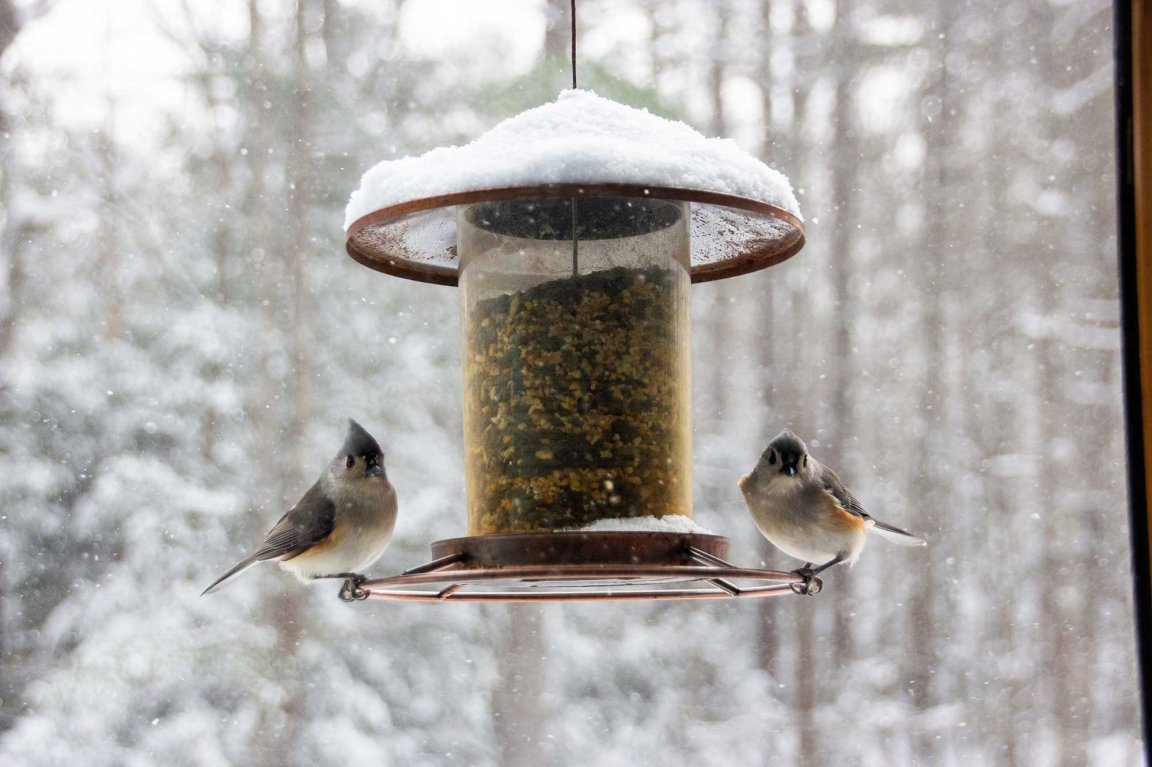
Choosing the right feeder depends on the kinds of birds you want to attract and the food you plan to offer. Tube feeders are great for small songbirds like finches and chickadees because their small ports limit access to larger birds.
Platform feeders provide an open space, perfect for ground-feeders like doves or juncos. If you want to attract woodpeckers or nuthatches, try a suet feeder, which holds high-energy suet cakes ideal for cold days.
- Tube Feeders:Ideal for seeds like sunflower or nyjer.
- Platform Feeders:Versatile, can hold seeds, nuts, or fruit.
- Suet Feeders:Great for fat-rich suet cakes to boost energy.
Placement Tips
Think about safety and visibility when you place your feeders. Birds need to see the feeder easily but also want to be close to shelter, like trees or shrubs, to quickly hide from predators.
Try placing feeders near windows where you can watch them, but make sure the glass is visible to prevent collisions. You might add decals or tape on the outside as a safety measure.
Also, consider the height—feeders placed 5 to 6 feet off the ground are often best. This keeps squirrels at bay and makes refilling easier for you.
Keeping Feeders Clean
Clean feeders prevent the spread of disease among birds. Moldy seeds or bird droppings can be harmful, especially in cold weather when birds are already stressed.
Wash feeders every two weeks with warm soapy water and rinse thoroughly. If you notice clumped or damp seed, change it out immediately. A clean feeder keeps birds coming back and thriving.
Providing Water
Providing water to birds during winter is just as important as feeding them. Birds need fresh water to drink and bathe. Cold temperatures make finding liquid water tough for them. Supplying water helps birds stay healthy and active through harsh weather.
Preventing Water From Freezing
Keep water from freezing to ensure birds can drink anytime. Use heated birdbaths designed to keep water liquid in cold weather. Place water containers in sunny spots to warm naturally during the day. Change the water often to stop ice build-up. Adding a few small stones can help birds perch safely on ice-free water.
Safe Water Sources
Choose safe water sources that birds can access easily. Use shallow dishes or birdbaths with gentle slopes for easy landing. Avoid deep containers where birds can drown. Clean water sources regularly to prevent bacteria and mold. Position water away from places where cats or predators hide.
Credit: www.outdoorlife.com
Creating Shelter
Creating shelter is essential for helping birds survive harsh winter conditions. It offers protection from cold winds, snow, and predators. By providing safe spaces, you encourage birds to stay in your area and keep warm.
Natural Shelter Options
Look around your yard for natural places where birds can hide and rest. Dense shrubs, evergreen trees, and thick brush piles offer excellent cover from wind and cold. You can also leave leaf litter and fallen branches in a quiet corner to create a cozy retreat.
Have you noticed birds flocking to certain spots during winter? That’s often because those areas provide reliable shelter. Adding native plants that stay leafy through winter gives birds a natural refuge and a place to perch.
Building Birdhouses
Birdhouses give birds a safe, dry place to nest and rest during winter nights. Choose designs with small entrances to keep out larger predators and ensure good ventilation to prevent moisture buildup.
Place birdhouses in sheltered locations, like near trees or under eaves, to shield them from wind and snow. Painting them with non-toxic colors can help blend them into the environment. Have you tried adding a small roof overhang? It can keep rain and snow from getting inside.
Maintaining A Feeding Routine
Maintaining a feeding routine during winter is crucial for supporting local bird populations. Birds rely on consistent food sources when natural supplies dwindle. Sticking to a steady schedule helps them build energy and survive harsh conditions.
Feeding Frequency
Feed birds at least once a day, ideally in the morning. Birds need fuel early to stay warm throughout the cold day. If you notice increased bird activity, try adding a second feeding in the afternoon.
Keep the feeding times consistent. Birds learn when to expect food and will return regularly. Skipping days can leave them vulnerable to starvation, especially in freezing temperatures.
Adapting To Weather Changes
Adjust your feeding routine based on the weather. On extremely cold or snowy days, increase the amount of food and feed more often. Birds burn more calories to stay warm and need extra energy.
Watch how the birds respond to your feeding. If they seem less active or fewer show up, consider changing the type of food or moving the feeder to a sheltered spot. Your attentiveness can make a big difference in their survival.

Credit: www.allaboutbirds.org
Frequently Asked Questions
What Foods Are Best For Feeding Birds In Winter?
High-energy foods like sunflower seeds, suet, peanuts, and nyjer seeds are ideal. They help birds maintain warmth and energy during cold months.
How Often Should I Refill Bird Feeders In Winter?
Refill feeders daily or when empty. Birds rely on consistent food sources in winter due to scarce natural supplies.
Where Should I Place Bird Feeders For Winter Feeding?
Place feeders in sheltered, quiet spots near trees or shrubs. This protects birds from predators and harsh weather.
Can Feeding Birds In Winter Harm Their Natural Foraging Habits?
No, feeding supplements natural food sources. It supports birds when food is scarce but doesn’t replace natural foraging.
Conclusion
Feeding birds in winter helps them survive the cold months. Offer seeds and suet to provide energy and warmth. Clean feeders regularly to prevent disease. Place feeders in safe locations, away from predators. Water is essential, so ensure it’s not frozen.
Use bird-friendly plants for natural shelter. Enjoy watching the birds visit your garden. Your efforts help them thrive during challenging times. Happy birdwatching!