
If you’ve ever found a baby bird and want to help it survive, knowing how to feed it water is one of the most important things you need to learn. Giving a baby bird water might seem simple, but doing it the wrong way can harm the tiny creature.
You want to make sure your little feathered friend stays healthy and hydrated without any risk. You’ll discover easy, safe steps to provide water to a baby bird the right way. Keep reading to learn exactly what you need to do, so you can feel confident and prepared to care for your fragile new friend.

Credit: m.youtube.com
Signs Baby Bird Needs Water
Knowing when a baby bird needs water is key to its survival. Birds get most of their water from food, but sometimes they need extra hydration. Babies are more vulnerable to dehydration than adults. Signs can be subtle but clear once you know what to watch for. Early detection helps prevent serious health issues.
Recognizing Dehydration Symptoms
- Dry, wrinkled skin around the eyes and beak
- Sunken eyes that appear dull or lifeless
- Weakness or lack of energy; the bird may seem limp
- Slow or shallow breathing
- Less frequent or no urination
- Cold or clammy feet and legs
- Fluffed-up feathers that do not lie flat
Behavioral Changes To Watch
- Reduced movement or reluctance to chirp
- Less interest in feeding or rejecting food
- Restlessness or unusual stillness
- Seeking shade or hiding more than usual
- Weak or uncoordinated attempts to stand or move
Safe Water Sources For Baby Birds
Providing safe water to baby birds is crucial for their health and growth. Unsafe water can cause illness or dehydration. Choosing the right water source helps keep baby birds strong and hydrated.
Choosing Clean Water
Always use fresh, clean water for baby birds. Tap water is usually fine but let it sit for a few hours to remove chlorine. Rainwater is a natural option but collect it from clean areas. Avoid water that looks dirty or smells bad. Use a shallow container to prevent drowning risks.
Avoiding Harmful Liquids
Never give baby birds sugary drinks, milk, or salt water. These liquids can harm their digestive system. Avoid stagnant water, which may contain bacteria or parasites. Do not use water treated with chemicals or pesticides. Stick to pure, fresh water only to keep baby birds safe and healthy.
Proper Feeding Techniques
Feeding a baby bird water requires more than just offering it a drop here and there. You need to use techniques that ensure the bird gets enough hydration without risking choking or stress. Getting this right makes a huge difference in the bird’s health and growth.
Using Syringes And Droppers
Syringes and droppers are the safest tools to feed water to baby birds. They allow you to control the amount of water given precisely. Avoid pouring water directly into the bird’s mouth; instead, place the tip gently near its beak.
Start by drawing a small amount of water into the syringe or dropper. Then, hold the bird securely but gently to prevent sudden movements. Slowly release the water drop by drop, letting the bird swallow at its own pace.
Have you ever noticed how quickly a baby bird can choke on too much water? That’s why patience is key. If the bird resists or coughs, stop and give it time to recover before trying again.
Feeding Frequency And Amounts
Knowing how often and how much to feed water is crucial. Too little can cause dehydration, while too much can lead to complications. Young baby birds typically need water every 2 to 3 hours, but this depends on their age and species.
Start with very small amounts—about 0.1 to 0.3 ml per feeding for tiny hatchlings. As they grow, you can gradually increase the quantity. Watch the bird’s behavior closely to adjust feeding times and amounts.
One practical tip: keep a feeding journal. Track the times and volumes you provide, and note any changes in the bird’s condition. This habit helps you avoid overfeeding and ensures you meet the bird’s hydration needs effectively.
Precautions To Prevent Choking
Feeding water to a baby bird requires extra care to avoid choking. Even a small mistake can cause discomfort or harm, so it’s important to pay attention to how you offer water. Taking simple precautions can make the feeding process safer and more comfortable for the tiny bird in your care.
Correct Positioning
Holding the baby bird in the right position is essential to prevent choking. Keep the bird upright or slightly tilted forward. This mimics the natural way birds swallow and helps water flow smoothly down the throat.
Avoid tilting the bird too far back. That can cause water to enter the windpipe, which leads to choking. If you’re unsure, try gently supporting the bird’s body against your hand or a soft surface to maintain a steady posture.
Slow And Gentle Feeding
Never rush when giving water to a baby bird. Pour or drip water slowly, allowing the bird time to swallow before offering more. Fast feeding can overwhelm the bird’s small throat and cause coughing or choking.
Use a small dropper or syringe without a needle to control the flow. Pause frequently and watch the bird’s response carefully. If the bird seems uncomfortable or stops swallowing, give it a moment to breathe before continuing.
Maintaining Hygiene During Feeding
Keeping everything clean during feeding is very important. Baby birds have weak immune systems. Dirty equipment can cause infections quickly. Clean tools help the baby stay healthy and grow strong.
Pay close attention to hygiene. It protects the baby bird and makes feeding easier. Cleanliness lowers the risk of illness and stress for your little bird.
Sterilizing Equipment
Always sterilize feeding tools before use. Use hot water and soap to wash bottles and syringes. Rinse well to remove soap residues. Boil the equipment for 5 to 10 minutes to kill germs.
Let everything dry on a clean towel. Store tools in a clean, covered container. Avoid using harsh chemicals that can harm the baby bird. Sterilizing helps stop bacteria from spreading.
Handling Baby Birds Safely
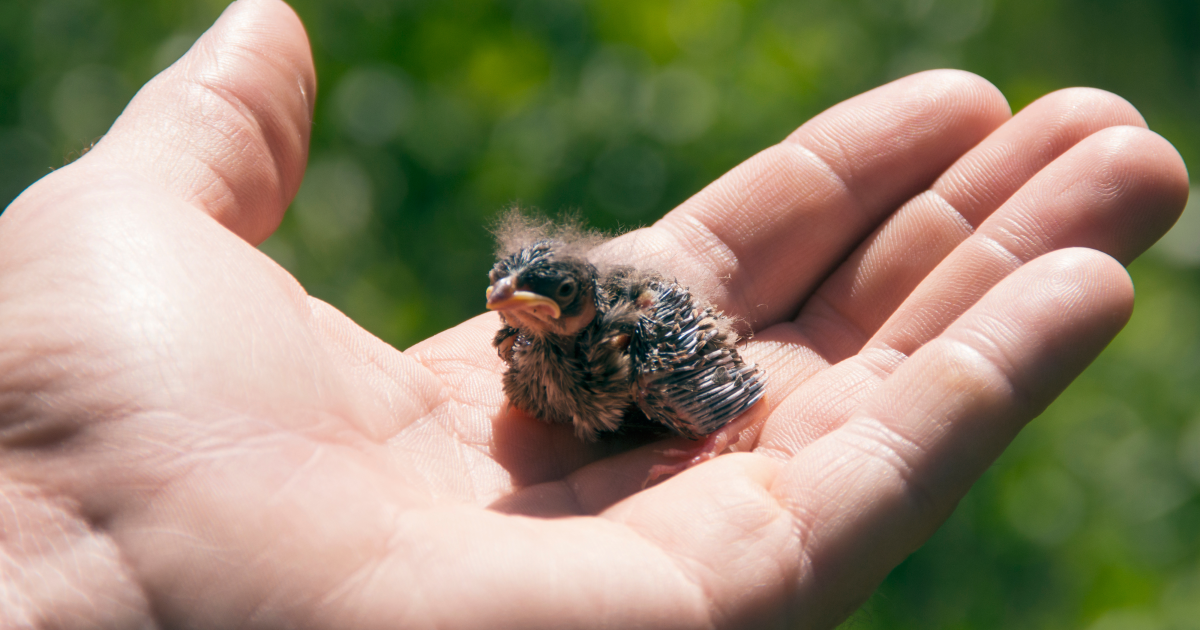
Wash your hands thoroughly before touching the bird. Use warm water and soap, then dry well. Handle the bird gently to avoid stress or injury.
Wear clean gloves if possible. Avoid strong scents like perfume or lotion on your hands. Keep the feeding area clean and quiet. These steps keep the baby calm and safe during feeding.
Credit: pethelpful.com
When To Seek Professional Help
Knowing when to seek professional help is crucial when feeding water to a baby bird. Sometimes, despite your best efforts, a bird may face health issues that require expert care. Recognizing these moments can save the bird’s life and prevent serious complications.
Signs Of Severe Dehydration
Severe dehydration in baby birds is more than just a lack of water. Watch closely for these warning signs:
- Sunken eyes that appear dull or dry
- Weakness or lethargy, where the bird barely moves or responds
- Dry, wrinkled skin and a very light or sticky mouth
- Rapid breathing or gasping for air
- Cold body temperature or feeling unusually cold to the touch
If you notice any of these symptoms, it’s time to act quickly. Waiting too long could put the bird’s life at risk.
Veterinary Support Options
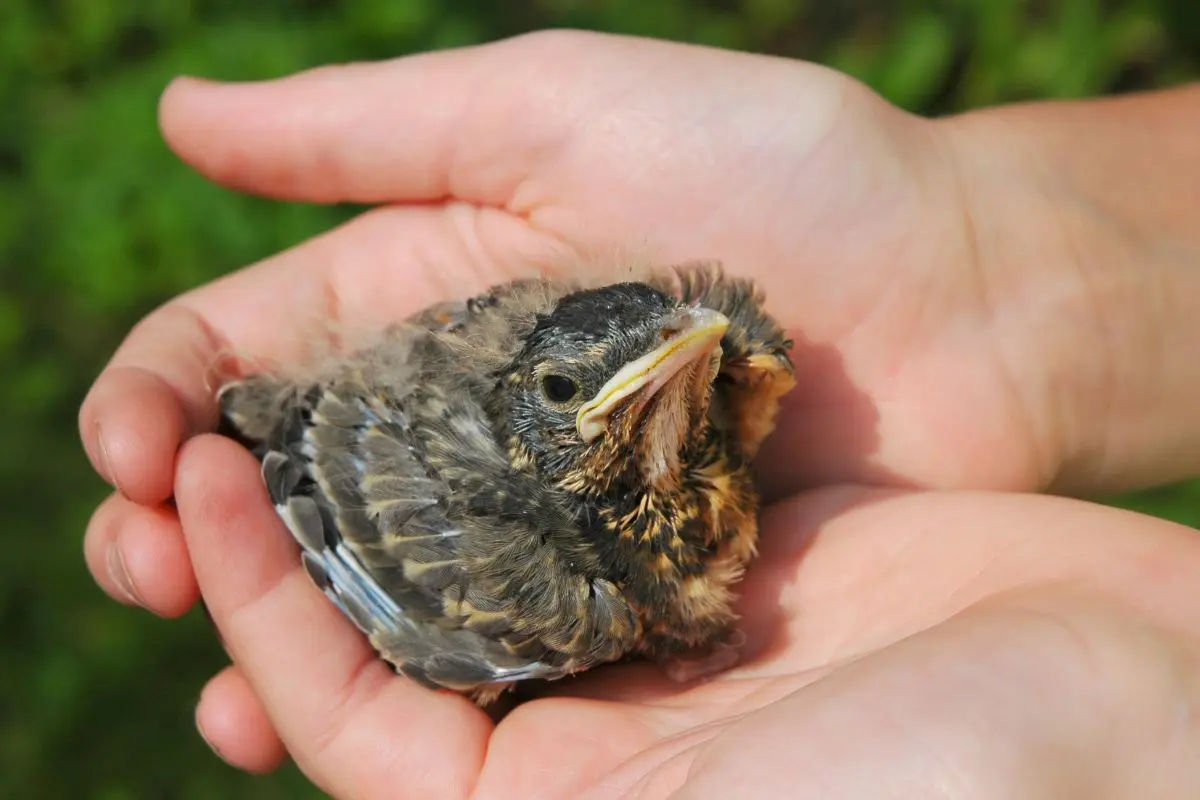
Finding the right veterinary care can make all the difference. Some vets specialize in avian care, so searching for an avian or wildlife veterinarian is a smart first step.
When you call, describe the baby bird’s condition clearly. Ask if they offer emergency services or advice on stabilizing the bird until you can arrive.
Many vets can provide treatments such as fluid therapy or medications that you can’t safely administer at home. Don’t hesitate to reach out—your quick action might be the rescue the bird desperately needs.
Credit: wildbloo.com
Frequently Asked Questions
How Often Should I Give Water To A Baby Bird?
Baby birds usually get enough water from their food. Offer water only if the bird seems dehydrated or during hot weather. Provide small amounts frequently to avoid choking or overhydration. Always use a dropper or syringe for safety.
What Is The Best Way To Feed Water To A Baby Bird?
Use a clean dropper or syringe to gently drip water into the baby bird’s beak. Avoid forcing water directly into its throat. Feed slowly to prevent choking and ensure the bird swallows comfortably.
Can Baby Birds Drink Plain Water Safely?
Yes, baby birds can drink plain, clean water when necessary. Avoid flavored or sugary drinks. Always ensure the water is fresh and free from contaminants to keep the bird healthy.
When Should I Avoid Giving Water To A Baby Bird?
Avoid giving water if the baby bird is very young or recently hatched. They get hydration mainly from their food at this stage. Consult a wildlife expert if unsure about the bird’s hydration needs.
Conclusion
Feeding baby birds water requires gentle care and patience. Use a dropper or syringe for safe feeding. Be cautious and avoid overfeeding. Clean water is essential for their health. Observe the bird’s behavior for signs of dehydration. This helps ensure their well-being.
Regular check-ins with a vet are recommended. Always prioritize the bird’s safety and comfort. By following these steps, you can help the baby bird thrive. Remember, your gentle touch makes a difference. Keep learning and adjusting to their needs. Your efforts help them grow strong and healthy.