
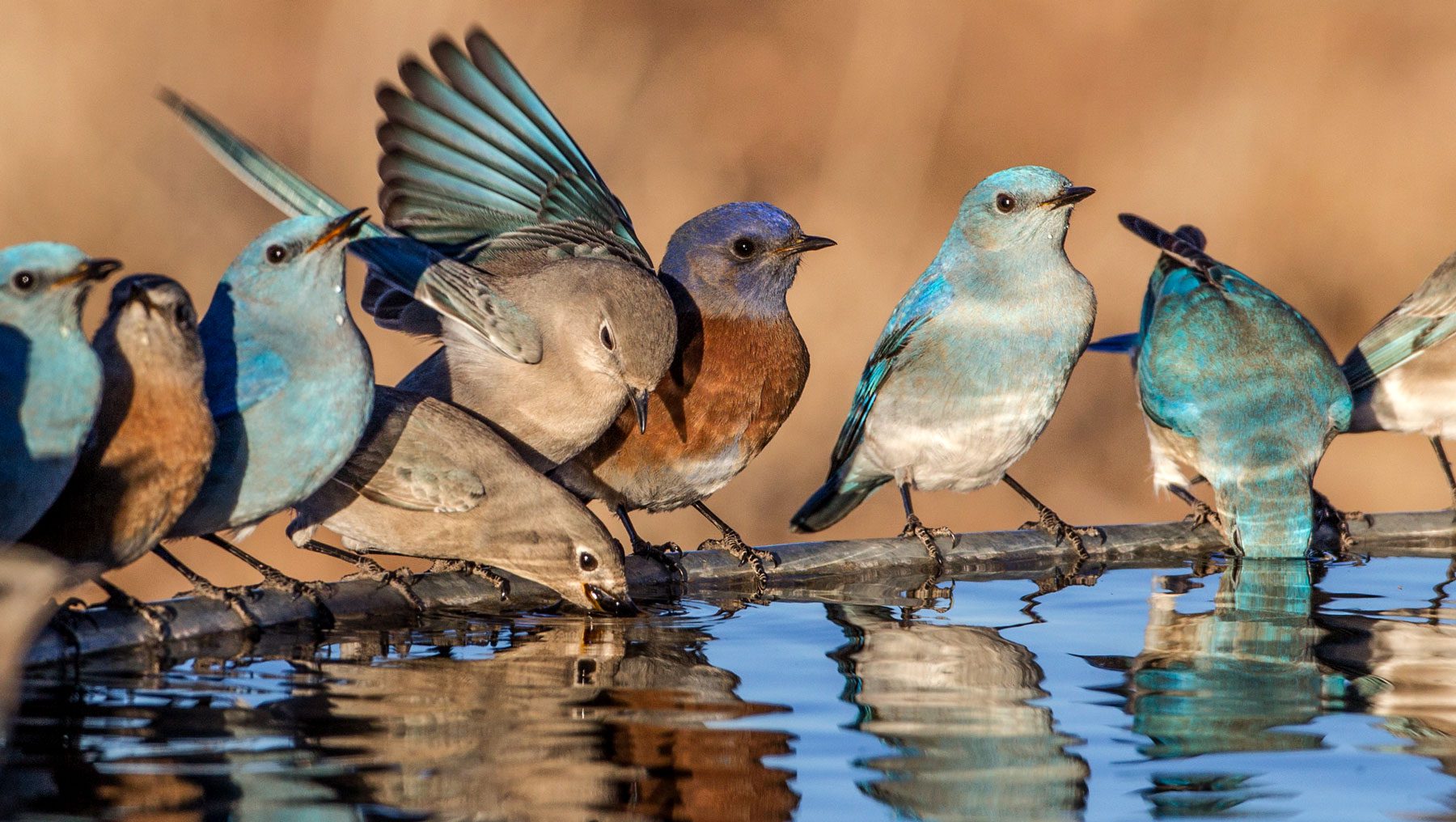
Have you ever wondered what kind of water is best for the birds visiting your garden? Giving birds the right water isn’t just about filling up a bowl—it can make a big difference in their health and happiness.
Whether you want to attract more colorful songbirds or keep your feathered friends safe, knowing the right water to offer is key. Keep reading, and you’ll discover simple tips that can transform your backyard into a bird’s favorite spot.
Choosing The Right Water
Choosing the right water for feeding birds is more important than you might think. Birds rely on clean, safe water not just to drink, but also for bathing and staying healthy. Your choice can directly affect their well-being and how often they visit your feeder.
Tap Water Vs. Filtered Water
Tap water is the easiest option, but it may contain chlorine, chloramine, or other additives that can harm birds. Filtered water removes many of these chemicals and impurities, making it a safer choice.
If you use tap water, let it sit uncovered for 24 hours to allow chlorine to evaporate. However, chloramine won’t evaporate, so using a simple water filter or bottled water can be better.
Avoiding Harmful Chemicals
Birds are sensitive to chemicals found in many water sources. Avoid water with pesticides, fertilizers, or cleaning agents nearby, as these can contaminate the water quickly.
Never use water treated with antifreeze or other toxic substances. Even small amounts of these chemicals can be deadly to wildlife.
Benefits Of Fresh Water
Fresh water attracts more birds and encourages regular visits. Stagnant water can breed bacteria and mosquitoes, which pose health risks to birds.
Change the water daily or every two days, especially in hot weather. You’ll notice birds returning more often and appearing healthier.

Credit: www.amazon.com
Water Temperature Matters
Water temperature plays a crucial role in keeping birds healthy and hydrated. Birds are sensitive to extreme temperatures, and the water you provide should feel just right to encourage them to drink regularly. Paying attention to water temperature can make your bird-friendly space more inviting and supportive of their wellbeing.
Ideal Temperature For Birds
Birds prefer water that is cool but not cold. Ideally, the water temperature should be between 50°F and 70°F (10°C to 21°C). Water that is too cold can shock their system, especially during cooler months, while warm water may encourage bacteria growth and discourage drinking.
Think about your own experience: Would you drink tepid water on a hot day or icy water in the winter? Birds have similar preferences and respond best to moderate temperatures that feel natural to them.
Seasonal Water Adjustments
Adjusting the water temperature with the seasons is important. In summer, refreshing cool water helps birds stay hydrated and avoid overheating. You might want to change the water more frequently during hot days to keep it fresh and cool.
In winter, avoid giving birds icy water that could lower their body temperature dangerously. You can warm the water slightly or use a heated bird bath to prevent freezing. This small change can make a big difference in keeping your feathered friends safe and comfortable.
Safe Water Containers
Providing birds with fresh water is important for their health. Choosing the right container ensures the water stays clean and safe. Safe water containers protect birds from harmful bacteria and help them drink easily. Selecting good materials, regular cleaning, and smart placement all play a key role.
Material Choices
Choose containers made from non-toxic materials. Ceramic, stainless steel, and thick glass work well. Avoid plastic bowls that can crack or hold bacteria. Metal containers should be rust-resistant. Smooth surfaces stop dirt buildup and make cleaning easy.
Cleaning And Maintenance
Clean water containers at least twice a week. Use warm water and mild soap. Rinse thoroughly to remove soap residue. Scrub any algae or dirt with a soft brush. Empty and refill the container daily with fresh water. This keeps birds healthy and attracts more visitors.
Placement Tips
Place containers in shaded spots to keep water cool. Avoid direct sunlight that speeds up algae growth. Set containers away from bird droppings or feeders. Elevate them slightly to prevent ground contamination. Choose spots visible to birds but safe from predators.
Credit: edis.ifas.ufl.edu
Preventing Water Contamination
Keeping bird water clean is key to their health. Dirty water can spread germs and cause illness. Taking simple steps stops water contamination. It helps birds stay safe and drink fresh water.
Avoiding Stagnant Water
Stagnant water collects dirt and germs fast. Change water often to keep it fresh. Clean birdbaths every few days with mild soap and rinse well. Use a water source that flows or moves slightly. This stops mosquito larvae from growing and keeps water clear.
Keeping Away Predators And Pests
Birds need safe water without threats. Place water dishes in open areas to spot predators. Avoid placing near bushes where cats or snakes hide. Use screens or covers to keep insects out. Clean up spilled seeds or food to stop ants and rodents from coming near.
Hydration Needs Of Different Birds
Birds need water to stay healthy and active. Different birds drink different amounts of water. Their size and activity affect how much water they need. Understanding these needs helps provide the right kind of water for birds.
Small Birds Vs. Large Birds
Small birds like finches and sparrows drink less water daily. Their tiny bodies need less fluid to stay hydrated. Large birds such as crows and pigeons require more water. Their bigger bodies lose water faster and need more to replenish.
Small birds often sip water frequently in small amounts. Large birds take bigger sips but less often. Both need clean, fresh water to avoid illness.
Water Intake Variations
Water needs vary by bird type and environment. Hot weather increases water intake for all birds. Active birds need more water than resting ones.
- Birds in dry places drink more to stay hydrated.
- Birds eating dry seeds need more water than those eating fruit.
- Juicy food can reduce water drinking.
Provide fresh water daily. Change water often to keep it clean. This supports healthy hydration for all bird types.
Supplementing Water With Food
Providing water to birds is crucial, but sometimes offering it through food can be even more effective. Birds get moisture not only from drinking water but also from the food they eat. By choosing the right foods, you can help keep your feathered friends hydrated, especially during hot or dry spells.
Moist Foods For Extra Hydration
Adding moist foods to bird feed gives them a natural water source. Fruits like watermelon, oranges, and berries have high water content and attract a variety of birds. Vegetables such as cucumber and lettuce can also offer hydration and nutrients.
Try cutting these into small, manageable pieces for easy eating. You might notice more frequent visits from birds when you add these juicy treats. Have you ever seen a bird eagerly pecking at a slice of melon? That’s a clear sign they appreciate the extra moisture.
Seasonal Diet Adjustments
Birds’ water needs change with the seasons, and their diet should reflect that. In hot weather, offering more high-moisture foods helps them stay hydrated without relying solely on water bowls. During colder months, seeds and nuts provide energy but less water, so it’s important to keep fresh water available.
Observe the birds around you—are they eating more fruit in summer? Are they visiting water sources less in winter? Adjusting their food offerings seasonally can make a big difference in their health and comfort.

Credit: www.kitchenparade.com
Frequently Asked Questions
What Type Of Water Is Best For Feeding Birds?
Clean, fresh, and room-temperature water is best for feeding birds. Avoid chlorinated or salty water. Use filtered or tap water that has been left to sit for 24 hours to remove chlorine. This ensures birds stay hydrated and healthy.
Can Birds Drink Tap Water Safely?
Yes, birds can drink tap water if it is free from harmful chemicals. Let tap water sit for 24 hours to allow chlorine to evaporate. Avoid water with high fluoride or heavy metals, which can harm birds over time.
How Often Should I Change Bird Water?
Change bird water daily to keep it fresh and clean. Stagnant water can breed bacteria and algae, which are harmful. Regularly rinsing the water container prevents contamination and keeps birds healthy and hydrated.
Is Rainwater Safe For Birds To Drink?
Yes, rainwater is generally safe for birds to drink. It is natural and free from chemicals. However, collect rainwater from clean surfaces to avoid pollutants or contaminants that may harm birds.
Conclusion
Choosing the right water keeps birds healthy and happy. Fresh and clean water is essential. Avoid using distilled water; it lacks minerals. Tap water is usually safe, but check for chemicals. Filtered water is a good option if you’re unsure.
Change the water daily to prevent bacteria. Proper hydration helps birds thrive. Watch them enjoy, chirping and splashing around. A simple act, yet vital for their well-being. Your garden will soon become a bird’s paradise. Create a safe and inviting space.
Enjoy the beauty and joy birds bring to your surroundings.