
If you’re dealing with birds causing damage or posing health risks, you might be wondering if there’s a way to feed them something that will get rid of them quickly. It’s natural to want a solution that works fast and keeps your space safe.
But before you take any action, it’s important to understand the impact of what you feed them—not just on the birds, but on the environment and other animals around you. You’ll discover important facts and safer alternatives that protect both you and the wildlife you’re trying to manage.
Keep reading to learn what you really need to know before making any decisions.

Credit: cen.acs.org
Common Harmful Foods For Birds
Birds are delicate creatures, and their diet plays a crucial role in their health. Many common foods and substances around your home can be harmful or even fatal to them. Understanding which items pose risks helps you protect birds rather than unintentionally cause them harm.
Toxic Household Items
Some everyday household items are surprisingly dangerous to birds. Foods like chocolate, caffeine, and alcohol can cause severe poisoning. Even small amounts of these can lead to symptoms such as vomiting, seizures, or death.
Other items include:
- Avocado – contains persin, which is highly toxic to many bird species.
- Onions and garlic – these can damage red blood cells and cause anemia.
- Salt – excessive salt intake disrupts a bird’s water balance and can be fatal.
Dangerous Plants And Seeds
Some plants and seeds you might have in your garden or home can harm birds if ingested. For example, apple seeds contain cyanide compounds that are poisonous. Cherry pits and peach stones carry similar risks.
Common toxic plants include:
- Oleander – highly toxic, causing heart and respiratory problems.
- Nightshade – contains alkaloids harmful to birds.
- Rhododendron – can cause digestive and neurological issues.
Chemical Substances
Chemicals found in your home or garden can be deadly for birds. Pesticides and rodenticides are especially dangerous, often leading to internal bleeding or organ failure. Household cleaners and antifreeze are also toxic and should be kept well away from bird areas.
Always question what you allow near birds. Could something as simple as a dropped seed or a spilled cleaner be a hidden threat? Protecting birds means knowing what to avoid feeding them or exposing them to.
Health Risks To Birds From Harmful Foods
Feeding harmful foods to birds poses serious health risks. Many common foods can cause poisoning or long-term damage. Birds have delicate systems that react strongly to toxins. Knowing these risks helps protect wild and pet birds from harm.
Symptoms Of Poisoning
- Weakness and lethargy
- Loss of coordination or balance
- Vomiting or diarrhea
- Breathing difficulties
- Seizures or tremors
- Sudden death in severe cases
Symptoms may appear quickly or develop over time. Immediate care is crucial to save affected birds.
Long-term Effects
Some harmful foods cause lasting damage. Birds may suffer from:
- Organ failure, especially liver and kidneys
- Chronic weakness and poor health
- Behavioral changes and reduced mobility
- Weakened immune system
- Reproductive issues affecting population
Even small doses can build up and cause problems later.
Bird Species Most Vulnerable
Not all birds react the same to harmful foods. Some species are more sensitive, such as:
- Songbirds like finches and sparrows
- Parrots and other pet birds
- Waterfowl including ducks and geese
- Birds of prey with sensitive digestion
Young and sick birds are often at higher risk. Avoid feeding unknown or toxic foods to protect these species.
Legal Consequences Of Feeding Birds Harmful Substances
Feeding birds harmful substances is not just cruel but also illegal. Many laws protect birds and other wildlife from harm caused by humans. Ignorance of these laws does not excuse anyone from facing legal trouble.
Understanding the legal consequences helps people avoid serious penalties. It also promotes respect for nature and wildlife safety.
Wildlife Protection Laws
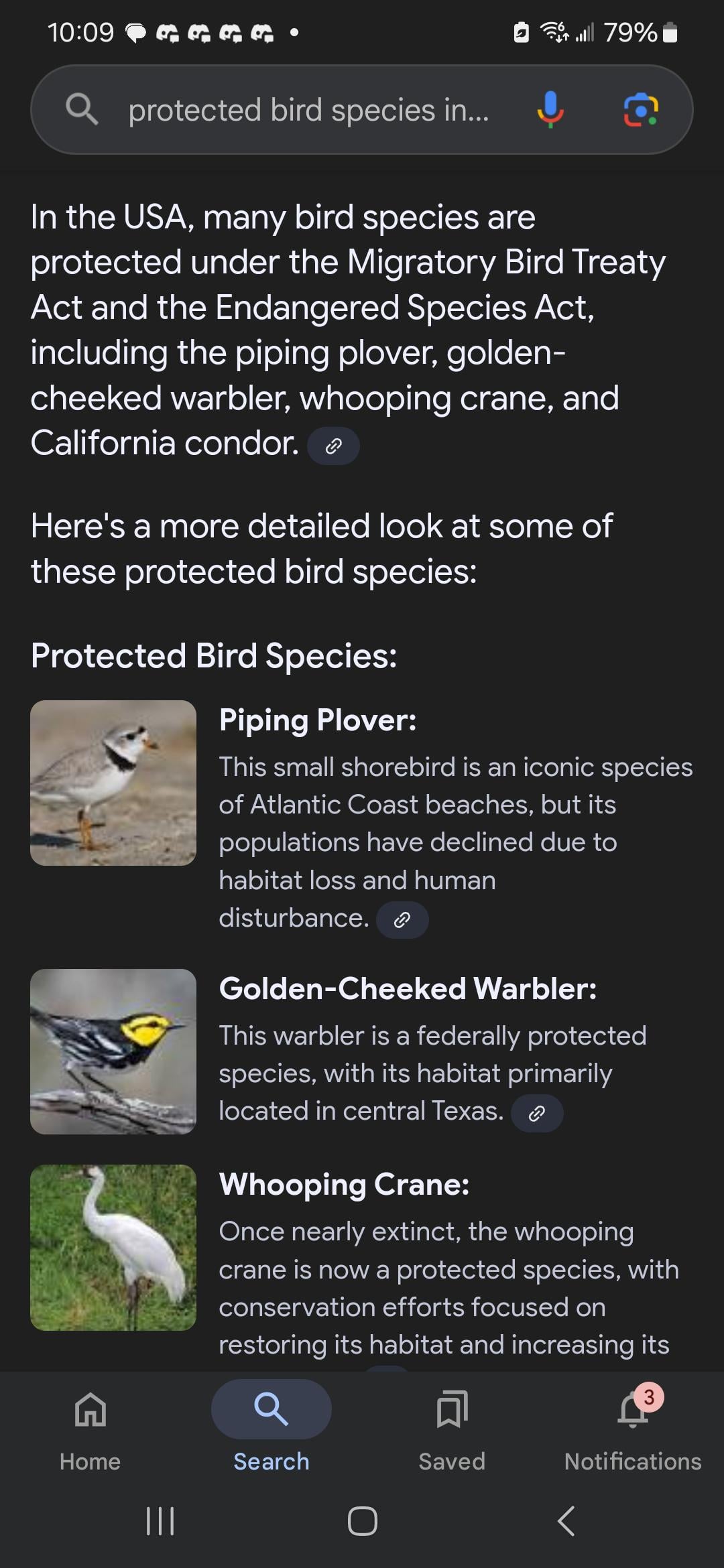
Many countries have strict laws to protect wild birds. These laws prohibit harming, killing, or feeding dangerous substances to birds. The Migratory Bird Treaty Act in the United States, for example, makes it illegal to harm migratory birds without a permit.
Local and state laws may add more rules about bird protection. Feeding birds harmful substances breaks these laws and can lead to prosecution.
Penalties And Fines
Penalties for feeding birds harmful substances vary by region. They can include hefty fines and even jail time. Some fines reach thousands of dollars depending on the damage caused.
Courts take these cases seriously to deter others from similar acts. Repeat offenders face higher fines and longer jail sentences.
Reporting Violations
Anyone can report suspected cases of harming birds. Many wildlife agencies have hotlines and online forms for reporting violations.
Providing details like location, time, and evidence helps authorities act quickly. Reporting protects birds and supports law enforcement efforts.

Credit: www.allaboutbirds.org
Ethical Considerations And Alternatives
Thinking about feeding birds to harm them raises serious ethical concerns. Wildlife deserves respect and care, not cruelty. Many ways exist to manage bird problems without causing pain or death. These methods protect both people and birds. They promote balance in nature and kindness in action.
Humane Bird Control Methods
Humane bird control uses safe, non-lethal techniques. These include:
- Using bird spikes or netting to block unwanted areas
- Employing noise devices to gently scare birds away
- Installing visual deterrents like reflective tapes or decoy predators
- Managing food waste to reduce bird attraction
These approaches keep birds safe while solving problems effectively.
Supporting Bird Health
Feeding birds the right food helps their health. Offer seeds, nuts, and fresh water. Avoid processed or harmful foods. Clean feeders regularly to prevent disease. Healthy birds are less likely to cause issues and live longer.
Community Awareness
Educating neighbors about birds builds understanding. Share tips on humane control and bird care. Organize clean-up efforts to remove trash and food scraps. Together, communities create safe spaces for people and birds.

Credit: www.allaboutbirds.org
Frequently Asked Questions
Can Feeding Birds Harmful Food Kill Them?
Yes, certain toxic foods can kill birds if ingested. However, intentionally feeding harmful substances is unethical and illegal in many places. It’s important to handle bird issues humanely and seek professional advice for pest control.
What Foods Are Toxic To Common Wild Birds?
Foods like chocolate, avocado, caffeine, and alcohol are toxic to birds. These can cause severe illness or death. Avoid feeding these to birds to protect their health and ensure safe bird watching.
Is It Legal To Feed Birds Harmful Substances?
No, feeding birds harmful substances is illegal in many countries. It violates animal protection laws and can lead to fines or legal action. Always use humane methods to address bird-related problems.
What Are Humane Alternatives To Control Nuisance Birds?
Humane options include bird repellents, sound deterrents, and habitat modification. These methods discourage birds without causing harm. Consult wildlife experts for effective and ethical bird control solutions.
Conclusion
Choosing safe foods for birds is crucial for their health. Harmful foods can unintentionally cause harm or even death. Always research before feeding birds anything unfamiliar. Focus on natural and bird-safe options. Seeds, fruits, and specific nuts are usually safe.
Remember, birds have different dietary needs. Consult experts or reliable sources if unsure. Responsible feeding ensures birds thrive and stay healthy. Protecting wildlife is our responsibility. Safe choices lead to vibrant and lively bird populations. Always prioritize their well-being. Happy, healthy birds enhance our environment.
Let’s keep them safe and flourishing.