
Have you ever found a tiny, helpless baby bird and wondered, “What can I feed a wild baby bird?” It’s natural to want to help, but feeding these little creatures the wrong food can do more harm than good. You want to give them the best chance to grow strong and survive.
You’ll discover simple, safe, and effective ways to feed a wild baby bird. By the end, you’ll feel confident about what to do—and what to avoid—so you can make a real difference in that bird’s life. Keep reading to learn how you can be the hero that baby bird needs.
Identifying Baby Bird Species
Identifying the species of a wild baby bird is crucial before deciding what to feed it. Each bird species has unique dietary needs that, if not met, could harm the bird instead of helping it. You might think all baby birds eat the same food, but that’s not true, and knowing exactly what species you’re dealing with will guide your feeding choices effectively.
Common Wild Baby Birds
You’ll often find a few familiar baby birds in your backyard or local park. Some of the most common include:
- Robins– Easily spotted by their speckled chests and orange bellies.
- Sparrows– Small, brown, and often found near bushes or shrubs.
- Blue Jays– Bright blue feathers and loud calls make them hard to miss.
- Starlings– Glossy black with speckles, commonly found in urban areas.
- Finches– Small, with colorful patterns and short, stout beaks.
Recognizing these common baby birds can help you quickly find information about their specific feeding needs. Have you ever noticed how different their mouths and beaks look? This often hints at what they eat.
Feeding Habits By Species
Each baby bird species has a diet adapted to their natural environment and growth needs. For example, Robins mostly eat insects, worms, and soft fruits, so feeding them small live worms or mashed berries works well. Sparrows, on the other hand, prefer seeds and small insects, so you might offer finely crushed seeds mixed with tiny bugs.
Blue Jays are more omnivorous—they eat nuts, seeds, and insects. Providing a mix of soft nuts (like shelled peanuts) and insects can mimic their natural diet. Starlings eat a wide variety of insects and fruits, so a combination of chopped fruits and protein-rich insects is suitable.
Finches mainly eat seeds but also need some insects for protein during their growth phase. Feeding them a blend of tiny seeds and mealworms can help them thrive. Have you considered how important protein is for these birds’ development? Without it, their growth can be stunted.
Signs A Baby Bird Needs Help
Wild baby birds often look fragile and helpless. Some need care, while others are just learning to fly. Knowing the signs that a baby bird needs help can save its life. Early action can make a big difference for the bird’s survival.
When To Intervene
Intervening too soon may harm the bird. Watch closely for signs that it truly needs help.
- The bird is injured or bleeding.
- It is cold, weak, or shivering.
- The bird is alone and far from its nest.
- It does not respond or tries to hide when approached.
- The bird’s eyes are closed for a long time.
- The baby bird is crying loudly for food but no adult is nearby.
If the bird can move and looks alert, it may be best to leave it alone. Sometimes, parents leave their young on the ground temporarily.
Assessing Health And Safety
Check the bird’s condition carefully before helping. Handle the bird gently and keep it warm.
| Signs | What It Means |
|---|---|
| Fluffed feathers | Bird is cold or sick |
| Visible wounds or bleeding | Needs immediate care |
| Weak or no movement | Possible injury or illness |
| Repeated loud begging calls | Hungry and abandoned |
| Empty crop (near the neck) | Not fed recently |
Do not give food or water before consulting a wildlife expert. Wrong feeding can cause harm. The safest choice is to contact a local wildlife rehabilitator for advice.
Safe Foods For Wild Baby Birds
Feeding a wild baby bird requires careful attention to what you offer. Choosing safe foods ensures the bird gets the right nutrients without harm. The wrong food can cause more damage than good, so understanding what’s safe is crucial.
Natural Diet Components
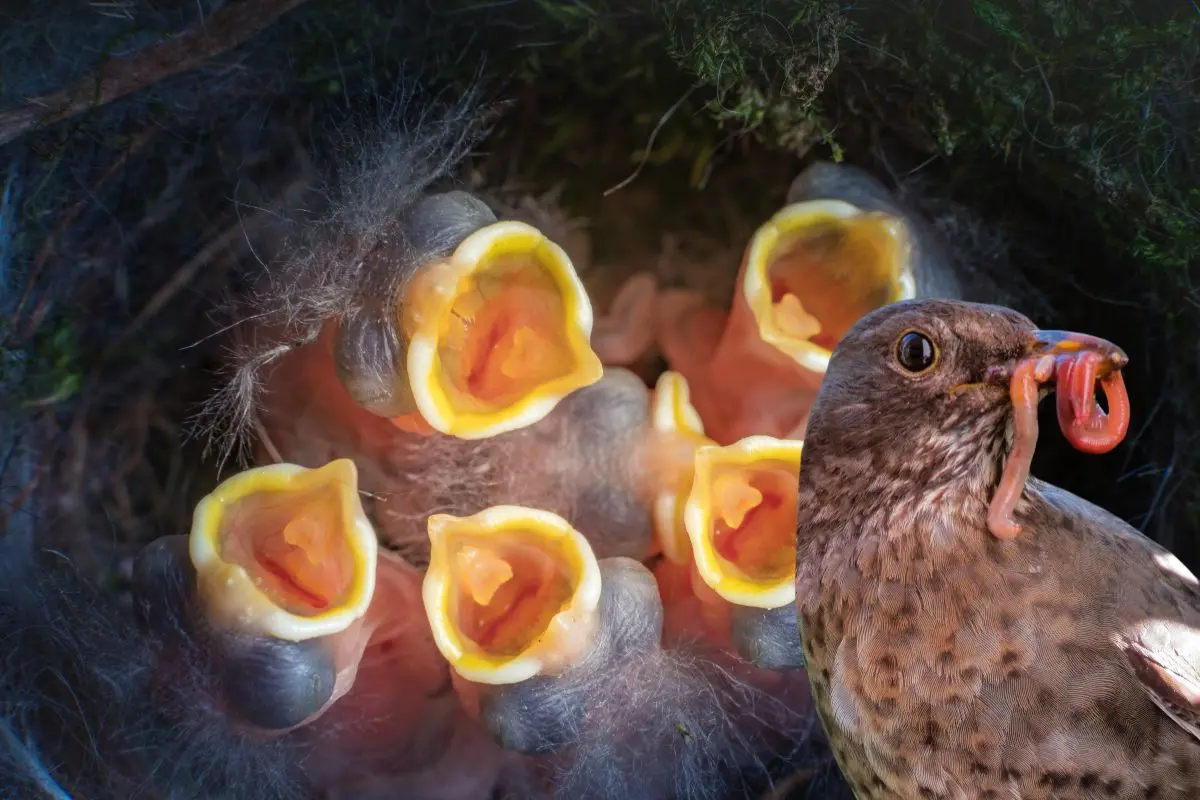
Wild baby birds mainly eat what their parents bring them. This usually includes insects, worms, and soft fruits. These foods provide protein, fat, and vitamins essential for growth.
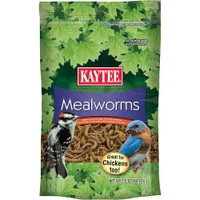
For insect-eaters, small bugs like mealworms or crickets are perfect. Fruit-eaters benefit from mashed berries or soft fruits like bananas. Avoid anything hard, spicy, or processed, as it can upset their tiny systems.
Homemade Feeding Options
If you can’t find natural food, homemade options can work in a pinch. A mix of soaked dog or cat kibble mashed into a paste mimics the protein and moisture birds need. Adding a bit of hard-boiled egg yolk can boost protein content.
You can also blend cooked rice or oatmeal with mashed fruits for a gentle, easy-to-digest meal. Avoid milk, bread, or sugary foods—they offer no real nutrition and can cause harm.
What’s your experience with feeding wild baby birds? Have you noticed certain foods helping them bounce back faster? Your hands-on insights can make a big difference in their survival.
Credit: www.petsradar.com
Foods To Avoid
Feeding a wild baby bird might seem straightforward, but certain foods can do more harm than good. Knowing what to avoid is just as important as knowing what to feed. Offering the wrong foods can lead to serious health issues or even be fatal for these delicate creatures.
Harmful Ingredients
Some common ingredients that you should never feed a wild baby bird include:
- Salt:Even small amounts can cause dehydration and kidney damage.
- Milk and dairy products:Birds lack the enzymes to digest lactose, leading to digestive upset.
- Processed foods:Chips, bread, and sweets have no nutritional value and contain harmful additives.
- Onions and garlic:These can damage a bird’s red blood cells, causing anemia.
- Avocado:Contains persin, which is toxic to many bird species.
Have you ever wondered why birds don’t eat the same things you do? Their digestive systems are sensitive, and even small mistakes can be deadly.
Common Feeding Mistakes
Many well-meaning people feed baby birds inappropriate foods without realizing the risk. One frequent error is offering bread or milk, which may seem harmless but can cause severe problems.
Another mistake is giving whole seeds or nuts that are too large to swallow or digest properly. This can lead to choking or malnutrition.
Overfeeding or feeding at the wrong temperature also causes harm. Cold food can shock a baby bird’s system, while too much food can lead to choking or obesity.
Have you ever fed a baby bird and noticed it didn’t seem interested? It might be because the food wasn’t suitable or fresh enough.
Proper Feeding Techniques
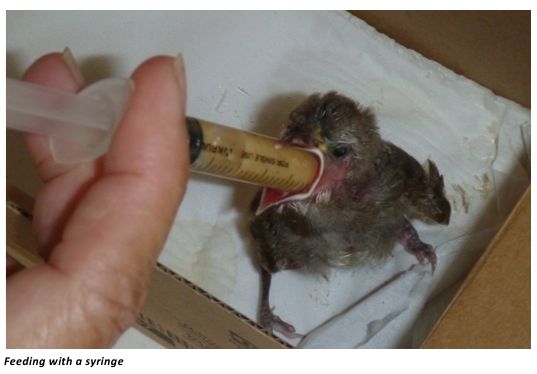
Proper feeding techniques help ensure the health and safety of a wild baby bird. Feeding requires care and attention to avoid harm or stress. Using the right tools and feeding at the right times is vital. Understanding how much and how often to feed supports the bird’s growth and development.
Feeding Tools And Timing
Use small tools to feed a baby bird safely. A pair of tweezers or a small syringe works well. Avoid using your fingers, which may injure the bird or transfer germs. Soft, clean tools help control food delivery gently.
Feed the bird in a quiet, calm place. Choose times when the bird is alert but not stressed. Early morning and late afternoon are ideal. Avoid feeding late at night to prevent digestive issues.
Amount And Frequency
Feed small amounts at each feeding. Overfeeding can cause choking or digestive problems. The amount depends on the bird’s size and species. Consult a wildlife expert or guide for specific needs.
Feed frequently, usually every 15 to 20 minutes from dawn to dusk. Young birds need constant care to stay nourished. Watch the bird’s behavior to adjust feeding times if needed.
Credit: wildbloo.com
When To Contact Wildlife Experts
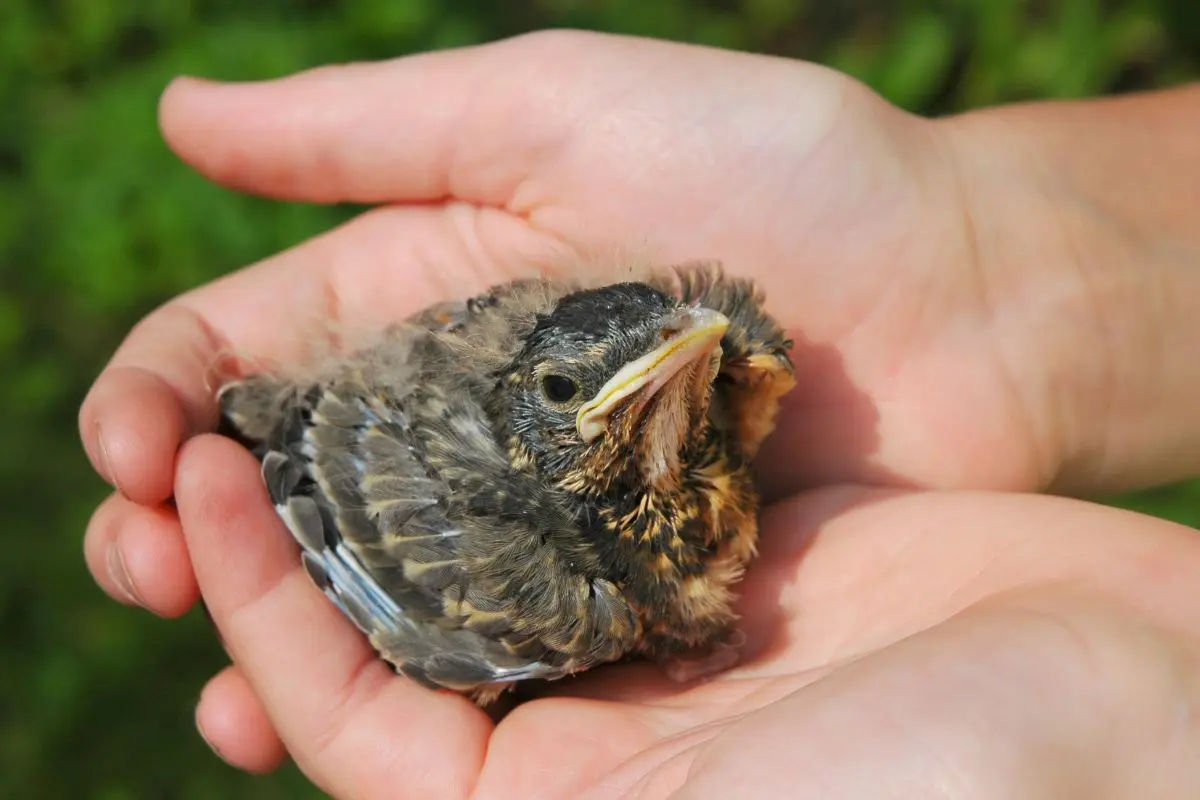
Knowing when to contact wildlife experts is crucial for the safety of a wild baby bird. Some situations need professional help immediately. Experts have the skills to care for injured or orphaned birds properly. Delaying can cause more harm to the bird or put you at risk.
Signs Of Serious Injury
- Visible wounds or bleeding on the bird’s body
- Broken or bent wings and legs
- Weakness or inability to stand or fly
- Labored breathing or unusual sounds
- Extreme lethargy or unresponsiveness
- Signs of dehydration like dry eyes or sunken skin
These signs show the bird needs immediate care from professionals. Do not attempt to treat serious injuries yourself.
Local Rescue Resources
Wildlife rehabilitation centers and animal rescue groups specialize in helping wild birds. They provide safe environments and proper medical care. Contacting these resources quickly increases the bird’s chance of survival.
- Search online for local wildlife rehabilitators
- Call nearby animal shelters for advice
- Find emergency wildlife hotlines in your area
Keep contact numbers handy before you find a bird needing help. Experts guide you on the best steps to take next.
Credit: wildbloo.com
Frequently Asked Questions
What Should I Feed A Wild Baby Bird First?
Feed wild baby birds soft, protein-rich foods like soaked dog kibble or hard-boiled eggs. Avoid milk or bread, as they harm birds.
Can I Feed Insects To A Wild Baby Bird?
Yes, insects like mealworms or small crickets are excellent protein sources for wild baby birds. They mimic natural diets well.
How Often Should I Feed A Wild Baby Bird?
Feed a wild baby bird every 15 to 20 minutes during daylight hours. Regular feeding supports healthy growth and development.
Is Water Necessary For Feeding Wild Baby Birds?
Wild baby birds get water from their food, so direct water feeding is usually unnecessary and risky.
Conclusion
Feeding a wild baby bird needs care and attention. Use safe, simple foods like soaked dog kibble or boiled eggs. Always check for reliable sources before trying new foods. Remember, their health depends on your choices. Keep the feeding area clean to avoid diseases.
If unsure, contact local wildlife experts for guidance. These small actions help the bird grow strong and healthy. Your efforts make a big difference in their survival. Be patient and gentle with your feathered friend. Every small step counts in nurturing their future.