
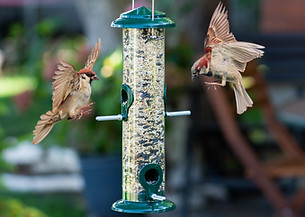
Are you feeding birds in your yard and wondering if it might invite unwanted visitors like rats? You’re not alone.
Many people love watching birds but worry about the hidden risks that bird feeders can bring. Could your kindness be attracting more than just feathered friends? Keep reading to discover the truth behind feeding birds and whether it’s also inviting rats to your space.
Understanding this can help you enjoy nature safely and protect your home.

Credit: www.providingisloving.co.uk
Why People Feed Birds
People feed birds for many reasons. It creates a connection with nature right at home. Feeding birds brings joy and peace. Watching birds up close can be a relaxing activity. It also helps birds during tough seasons when food is scarce.
Feeding birds can also support local wildlife. It encourages birds to visit gardens and parks. This helps people learn more about different bird species. Feeding birds can be a simple way to add life to outdoor spaces.
Common Feeding Practices
Many people use bird feeders to offer food. Popular feeders include hanging seed feeders and platform trays. Some people spread seeds directly on the ground. Common bird foods are sunflower seeds, millet, and cracked corn. Some offer suet or nectar for specific bird types.
Feeding is often done in the morning and late afternoon. Clean feeders regularly to keep birds healthy. Use fresh food to avoid mold and bacteria. Keep feeding areas tidy to prevent unwanted pests.
Benefits For Birds
Feeding birds provides extra nutrition, especially in winter. It helps young birds grow stronger. Food near homes offers safe spots from predators. Feeding can support bird populations during food shortages. It may also increase bird diversity in an area.
Birds save energy by finding food easily. This can improve their chances of survival. Well-fed birds tend to sing and display more. Feeding helps birds stay active and healthy year-round.
How Rats Are Attracted
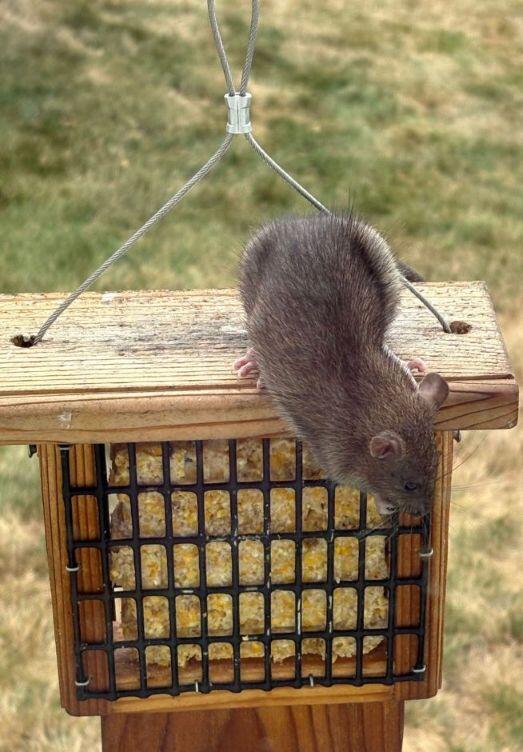
Rats are clever animals that find easy food sources quickly. They use their strong sense of smell to locate food from far away. Bird feeders with spilled seeds or leftover food can be a major attraction for them. Rats also seek shelter and water near these feeders, making your yard a perfect spot.
Understanding how rats are attracted helps prevent unwanted visits. Keeping areas clean and avoiding leftover food outside reduces their chances of coming close. Awareness of signs showing rat presence can help catch problems early.
Food Sources That Lure Rats
- Spilled birdseed around feeders
- Uneaten fruits and nuts dropped from birds
- Open trash cans near feeding areas
- Pet food left outdoors
- Compost piles with food scraps
Signs Of Rat Presence
- Small droppings near feeders or shelter
- Gnaw marks on wood, plastic, or wires
- Tracks or footprints in dusty areas
- Nesting materials like shredded paper or fabric
- Scratching sounds inside walls or under decks
Link Between Bird Feeding And Rats
Feeding birds can bring joy and beauty to any garden. Yet, it can also attract unwanted visitors. Rats often come near bird feeders. Understanding the link between bird feeding and rats helps keep your space clean and safe.
Leftover Seeds And Spills
Bird feeders often drop seeds on the ground. These leftover seeds provide easy food for rats. Rats are drawn to places with abundant food sources. Spilled seeds can pile up quickly under feeders. This creates a perfect spot for rats to gather and feed.
Seeds that fall are not eaten by birds immediately. Rats take advantage of this leftover food. Keeping the area clean reduces the chance of rats coming around. Regularly sweeping or raking up spilled seeds helps a lot.
Rat Behavior Around Feeders
Rats are nocturnal and active at night. They use feeders as a reliable food source. Rats can climb poles, trees, or nearby structures to reach feeders. They hide close to feeders to stay safe from predators.
Rats are cautious but persistent. They return to feeders repeatedly if food is available. Their presence can cause damage and spread disease. Watching for signs like droppings or gnaw marks helps detect rats early.

Credit: www.livingwithbirds.com
Risks Of Feeding Birds Outdoors
Feeding birds outdoors may seem like a harmless way to connect with nature, but it can come with hidden risks. Leaving food out invites more than just your feathered friends. Understanding these risks helps you make smarter choices about how and where to feed wildlife safely.
Health Hazards
Food left outside can attract rats, which carry diseases like leptospirosis and hantavirus. These illnesses can spread to humans and pets, especially if rats contaminate surfaces or food sources around your home.
Bird feeders that are not cleaned regularly become breeding grounds for bacteria and mold. This can cause illness in birds and increase the chance of spreading germs to other animals and even you.
Have you noticed unusual droppings or a strong odor near your feeding area? These signs often mean rodents or other pests are visiting, putting your family’s health at risk.
Property Damage
Rats are notorious for chewing through wires, insulation, and wooden structures. Once they find food near your home, they may nest inside walls or attics, causing costly damage.
Seeds spilled from feeders can sprout unwanted plants, leading to overgrown yards and clogged gutters. These conditions not only affect your garden’s appearance but can also attract more pests.
Consider how much time and money you’re willing to spend repairing damage caused by pests attracted to bird food. Is feeding birds worth the potential headache without proper precautions?
Preventing Rat Problems
Feeding birds can invite unwanted guests like rats if not done carefully. Preventing rat problems keeps your garden safe and birds happy. Small changes can help control rodent visits without stopping bird feeding.
Safe Feeding Techniques
Choose feeders designed to keep rats away. Use feeders that hang from poles or trees. Avoid ground feeding, which attracts rats easily. Offer only as much food as birds can eat quickly. Use seeds that rats dislike, such as nyjer or safflower. Check feeders regularly for spilled seeds or leftovers.
Maintaining Clean Feeding Areas
Clean up spilled seeds every day or two. Remove old food to avoid attracting rats. Sweep or rake under feeders often. Store bird food in sealed containers to keep rats out. Place feeders away from walls and dense bushes where rats hide. Keep trash bins tightly closed and away from feeding spots.
Alternatives To Traditional Feeding
Feeding birds can bring joy and life to any garden. Traditional feeding methods may attract unwanted pests like rats. Exploring alternatives helps keep birds happy and pests away. These options offer safer ways to support birds without inviting rodents.
Using Bird Feeders Designed To Deter Rats
Special bird feeders can stop rats from reaching the food. These feeders have features such as:
- Metal guards around feeding ports
- Weight-sensitive perches that close access for heavy animals
- Sealed seed compartments to limit spillage
- Elevated designs that make climbing hard for rats
Choosing these feeders reduces leftover seeds on the ground. Less spilled food means fewer rats visiting your yard.
Natural Ways To Support Birds
Planting native trees and shrubs offers natural food and shelter. Birds find insects and berries in these plants. This reduces dependence on feeders. Creating a bird-friendly habitat helps birds thrive naturally.
Other natural supports include:
- Leaving leaf litter for insects
- Providing fresh water sources
- Using birdbaths with clean water daily
These methods attract birds without attracting rats. Supporting birds naturally keeps your garden balanced and healthy.
When To Seek Professional Help
Feeding birds in your garden can be a joyful activity. But sometimes, it can attract unwanted guests like rats. Knowing when to seek professional help is important. Early action can stop a small problem from becoming a big one.
Rats reproduce quickly and can cause damage to your home and health. They spread diseases and contaminate food. If signs of rats grow, it’s time to call experts. Professionals have tools and knowledge to handle infestations safely and effectively.
Identifying Severe Infestations
Look for these signs to know if the infestation is serious:
- Large rat droppings around feeders or storage areas
- Gnaw marks on wood, wires, or food containers
- Strong, musky odors inside or near your home
- Hearing scratching or scurrying sounds at night
- Visible rat nests made from shredded materials
Finding many signs means the problem is bigger than a few rats. Rats may have spread inside walls or under floors.
Choosing Pest Control Services
Pick a pest control service with good reviews and experience. Make sure they use safe, effective methods. Ask if they offer a follow-up visit to check results.
- Look for licensed and insured professionals
- Request a clear plan and cost estimate
- Check if they use eco-friendly products
- Verify their knowledge about local wildlife laws
Trust experts to remove rats and prevent them from returning. This keeps your bird-feeding area clean and safe.
Credit: www.mass.gov
Frequently Asked Questions
Does Feeding Birds Attract Rats To My Backyard?
Yes, feeding birds can attract rats if food spills on the ground. Rats are drawn to leftover seeds and crumbs, which provide easy meals. To prevent this, use bird feeders that minimize spillage and clean feeding areas regularly.
How Can I Feed Birds Without Attracting Rats?
Use squirrel-proof and sealed bird feeders to limit food access for rats. Clean up spilled seeds daily and avoid overfilling feeders. Feeding birds in the morning helps, as rats are less active during the day.
What Types Of Bird Food Attract Rats The Most?
Seeds like sunflower, millet, and cracked corn attract both birds and rats. Avoid scattering food on the ground, as this increases rat activity. Using pelletized or suet bird food can reduce rat attraction.
Are There Safer Ways To Feed Birds To Avoid Rats?
Yes, use feeders with trays and guards that prevent rats from reaching food. Keep feeding areas clean and store birdseed in sealed containers. Regularly inspect feeders for any signs of rodent activity.
Conclusion
Feeding birds can sometimes attract rats. But, smart planning helps. Clean up spilled seeds often. Use bird feeders designed to deter pests. Choose locations wisely. Elevated spots work best. The right strategy keeps birds happy. And rats away. Enjoy birdwatching without worry.
Observe nature in peace. Small steps make a big difference. Stay mindful, and keep your garden thriving. Remember, a clean space is less appealing to rodents. Your efforts create a harmonious environment. For birds and you.