
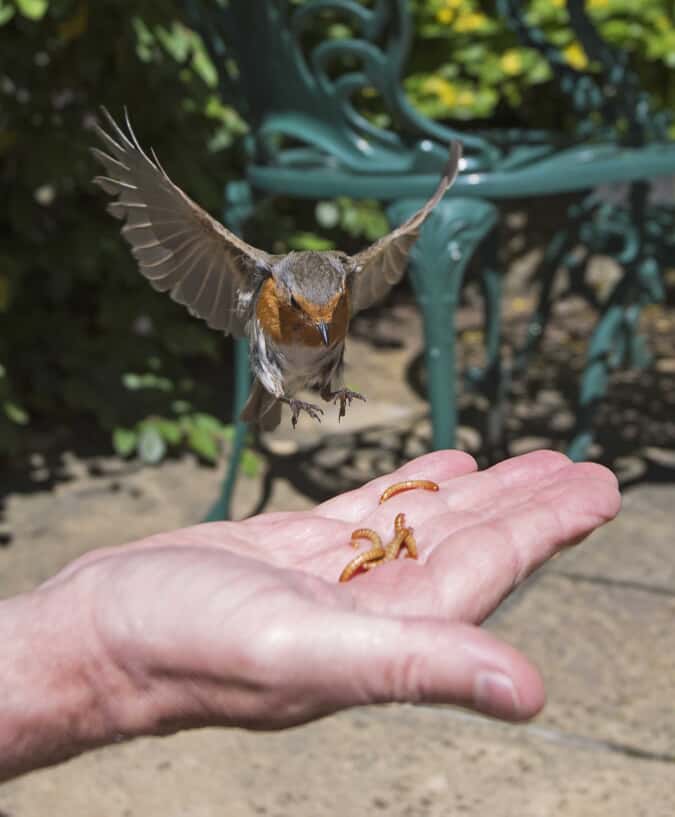
Are you wondering how to safely feed worms to a young bird? If you want to give your feathered friend the best start in life, knowing the right way to offer worms is key.
Worms are packed with nutrients that help young birds grow strong and healthy. But how do you make sure your bird gets the right amount without any risk? You’ll discover simple, effective steps to feed worms that keep your bird happy and thriving.
Keep reading, and you’ll gain the confidence to nourish your young bird like a pro!
Choosing The Right Worms
Choosing the right worms is key to feeding a young bird safely and healthily. Worms provide essential nutrients that support growth and development. Not every worm suits every bird. Knowing which types of worms are safe and where to find them helps keep the bird happy and strong.
Types Of Worms Suitable For Birds
- Earthworms:Rich in protein and easy to digest.
- Mealworms:High in fat; good for energy but feed in moderation.
- Bloodworms:Great for aquatic birds and add variety.
- Waxworms:Soft and tasty but very fatty; best as occasional treats.
Choose worms that match the bird’s size and dietary needs. Avoid worms that might carry parasites or toxins.
Sources For Safe Worms
- Pet stores:Offer clean, farm-raised worms bred for feeding pets.
- Garden soil:Only if free from pesticides and chemicals.
- Online suppliers:Provide reliable and parasite-free worms.
- Worm farms:Certified farms ensure worms are safe and nutritious.
Always avoid worms from unknown or polluted areas. Clean and prepare worms properly before feeding. This reduces health risks for the young bird.

Credit: www.livingwithbirds.com
Preparing Worms For Feeding
Preparing worms for feeding young birds requires care and attention to ensure the worms are safe and nutritious. This step is crucial because improper handling can introduce bacteria or parasites that harm your bird. Taking time to clean and portion worms properly makes feeding easier and more effective.
Cleaning And Handling Worms
Start by rinsing the worms gently in cool, clean water to remove dirt and debris. Avoid using soap or chemicals, as these can be toxic to your bird. Handle the worms with clean hands or tweezers to prevent transferring germs.
Worms should be kept in a breathable container until feeding time to avoid suffocation. If you notice any worms that look damaged or dead, discard them immediately. These can cause illness if fed to your bird.
Portion Size For Young Birds
Young birds have small stomachs, so portion size matters. Offer a few small worms or worm pieces at a time—usually one to three, depending on the bird’s size and age. Overfeeding can cause digestive issues or choking.
Cutting worms into bite-sized pieces can help your bird eat comfortably and reduce waste. Pay attention to your bird’s reaction—if it eagerly eats all the worms, you can gradually increase the amount. If it hesitates or leaves leftovers, reduce the portion next time.
Feeding Techniques
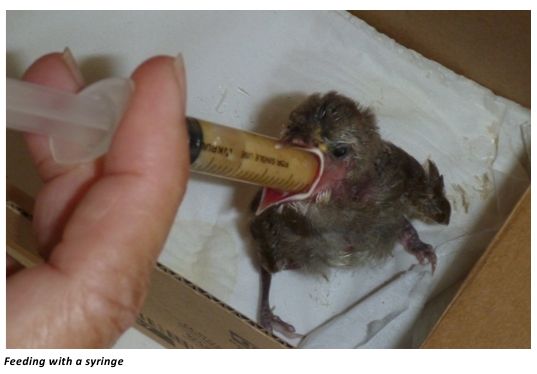
Feeding worms to a young bird requires patience and the right techniques to ensure the bird gets the nutrition it needs. How you present the worms can make a big difference in how well the bird accepts them. Let’s look at practical ways to feed worms effectively and encourage your bird to eat confidently.
Hand-feeding Tips
Start by using small, soft worms that are easy for the bird to swallow. Hold the worm gently between your fingers and offer it near the bird’s beak. Moving the worm slowly helps grab the bird’s attention and encourages it to peck.
Keep your hand steady and avoid sudden movements to prevent scaring the bird. If the bird is hesitant, try tapping the worm lightly on the edge of the feeding container to create curiosity. You might find that talking softly or humming can calm the bird and make feeding easier.
Encouraging Self-feeding
Once the bird is comfortable with hand-feeding, place worms in a shallow dish to promote self-feeding. Start with small portions to avoid overwhelming the bird. You can also partially bury worms in soft bedding or food to stimulate natural foraging behavior.
Watch how your bird interacts with the food, and gently guide it toward the worms if needed. Providing a safe and quiet environment helps the bird focus on feeding. Have you noticed how young birds learn faster when they explore their food themselves?
Credit: besgroup.org
Frequency And Timing
Feeding worms to a young bird requires attention to timing and how often you feed. The right schedule helps the bird grow strong and stay healthy. Young birds have small stomachs and fast metabolisms. They need frequent, small meals rather than one large feeding. Careful timing also prevents overfeeding and ensures the bird gets enough nutrients.
Optimal Feeding Schedule
Feed the young bird every two to three hours during daylight. Start early in the morning and stop before nightfall. This schedule mimics natural feeding patterns by parent birds. As the bird grows, increase the time between feedings to four hours. By the time the bird is older, feeding three to four times a day works well.
- Feed small amounts each time to avoid choking.
- Keep feeding times consistent to build routine.
- Use fresh worms, cut into small pieces if needed.
Signs Of Hunger And Fullness
Watch the bird’s behavior closely to understand its needs. A hungry bird will open its mouth wide and call out. It may also move actively and look alert. When the bird is full, it stops begging and turns away. Overfeeding can cause the bird to become lethargic or refuse food.
- Feed only when the bird shows hunger signs.
- Stop feeding once the bird stops begging.
- Keep the feeding area clean to avoid illness.
Monitoring Bird Health
Monitoring the health of a young bird is key when feeding worms. It helps catch problems early. Careful watching ensures the bird grows strong and stays active. Observing changes daily guides proper feeding and care.
Observing Growth Progress
Track the bird’s size and weight often. Healthy birds gain weight steadily. Look for bright eyes and smooth feathers. Notice how the bird moves and reacts. A lively bird shows good health. Keep a simple chart to record growth. Compare the data weekly to spot any slow growth.
Recognizing Feeding Issues
Watch for signs of trouble during feeding. Refusal to eat worms may signal illness. Spitting out food or choking needs attention. Check the bird’s droppings for unusual colors or textures. A weak bird may pant or sit quietly. Early detection of these signs helps avoid serious problems.

Credit: www.youtube.com
Safety Precautions
Feeding worms to a young bird can be highly beneficial, but it requires careful attention to safety. Taking the right precautions protects your bird from potential health risks. Ensuring the worms are safe and monitoring your bird’s reactions are key steps you cannot skip.
Avoiding Contaminated Worms
Not all worms are safe to feed. Worms collected from polluted soil or areas with pesticides can carry harmful chemicals or bacteria.
Always source worms from clean, organic environments or trusted suppliers. If you collect worms yourself, rinse them thoroughly under running water to remove dirt and possible contaminants.
Freezing worms for 24 hours before feeding can also kill parasites or pathogens. Have you ever thought about where your worms come from? This simple question can save your bird from serious illness.
Handling Allergies And Reactions
Young birds can have allergies or adverse reactions to new foods, including worms. Watch your bird closely after the first feeding.
Signs to look for include swelling, difficulty breathing, or unusual behavior like excessive scratching. If any of these occur, stop feeding worms immediately and consult a vet.
Introduce worms gradually. Start with small amounts and increase slowly while monitoring your bird’s health.
Keeping a feeding diary can help you identify any patterns or reactions. Have you noticed how attentive you become when your bird tries new food? This focus can be lifesaving.
Frequently Asked Questions
How To Safely Feed Worms To Young Birds?
To safely feed worms to young birds, ensure they are fresh and free from pesticides. Cut large worms into smaller pieces to prevent choking. Always wash your hands before and after handling worms to maintain hygiene. This method ensures the young bird receives the necessary nutrients safely.
Can Young Birds Eat Live Worms?
Young birds can eat live worms, but ensure they are the right size. Live worms provide essential nutrients and stimulate natural hunting instincts. However, monitor the feeding process closely to ensure the bird manages the worms effectively and doesn’t choke.
How Often Should Young Birds Be Fed Worms?
Young birds should be fed worms every 3-4 hours during daylight. This frequency ensures they receive adequate nutrition for growth. Adjust the feeding schedule as the bird matures. Ensure each feeding session is supervised to maintain the bird’s safety and health.
Are All Worms Safe For Young Birds?
Not all worms are safe for young birds. Avoid worms from areas treated with chemicals or pesticides. Opt for earthworms or mealworms, which are generally safe and nutritious. Always source worms from reputable suppliers to ensure they are clean and pesticide-free.
Conclusion
Feeding worms to a young bird helps it grow strong and healthy. Start with small pieces and watch how the bird reacts. Keep the worms fresh and clean for safety. Always feed the bird gently and patiently. This simple care builds trust and supports its needs.
Remember, a happy bird grows faster and stays healthy. Keep learning and enjoy caring for your young bird every day.