
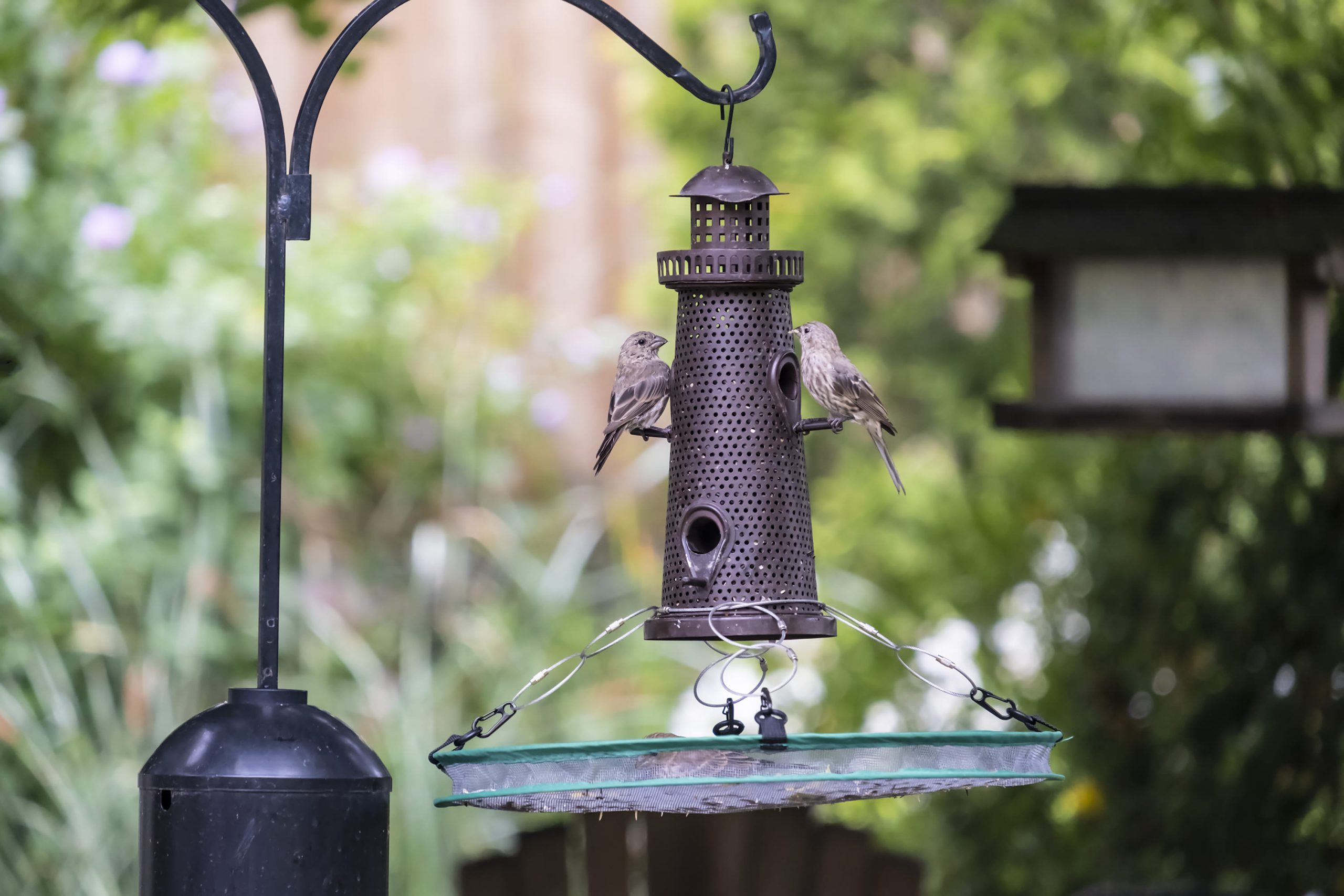
Have you ever looked under your bird feeder and wondered what to do with all those sunflower shells piling up? You’re not alone.
Those shells might seem like just a messy leftover, but they can actually be a hidden treasure. Whether you want to keep your yard clean, help your garden, or even benefit your local wildlife, knowing how to handle sunflower shells can make a big difference.
Keep reading, and you’ll discover simple, smart ways to turn that shell pile into something useful and rewarding for you and your outdoor space.
Collecting And Cleaning Sunflower Shells
Collecting and cleaning sunflower shells from under your bird feeder can be surprisingly rewarding. Not only does it keep your yard tidy, but it also gives you a chance to reuse these shells in creative ways. Before you start, understanding the best practices for gathering and how to clean them safely will make the process easier and more effective.
Best Practices For Gathering Shells
Choose a dry day to collect the shells. Wet shells can stick to surfaces and each other, making them harder to handle.
Use a small rake or hand broom to gather shells without disturbing the soil or plants underneath. This prevents unnecessary mess and damage.
Wear gloves if you have sensitive skin; some shells may have tiny sharp edges. Collect shells regularly to avoid buildup and potential mold growth.
Safe Cleaning Methods
Rinse the shells in a colander under cool running water to remove dirt and any leftover seed bits.
Soak the shells in a mixture of one part vinegar to three parts water for about 30 minutes. This helps disinfect and remove stubborn residues.
After soaking, rinse them again with clean water and spread them out on a towel to dry completely. Sun-drying works well and naturally deodorizes the shells.
Have you noticed any unusual smells or mold on your shells? Discard any that seem compromised to keep your cleaning safe and your reuse options open.
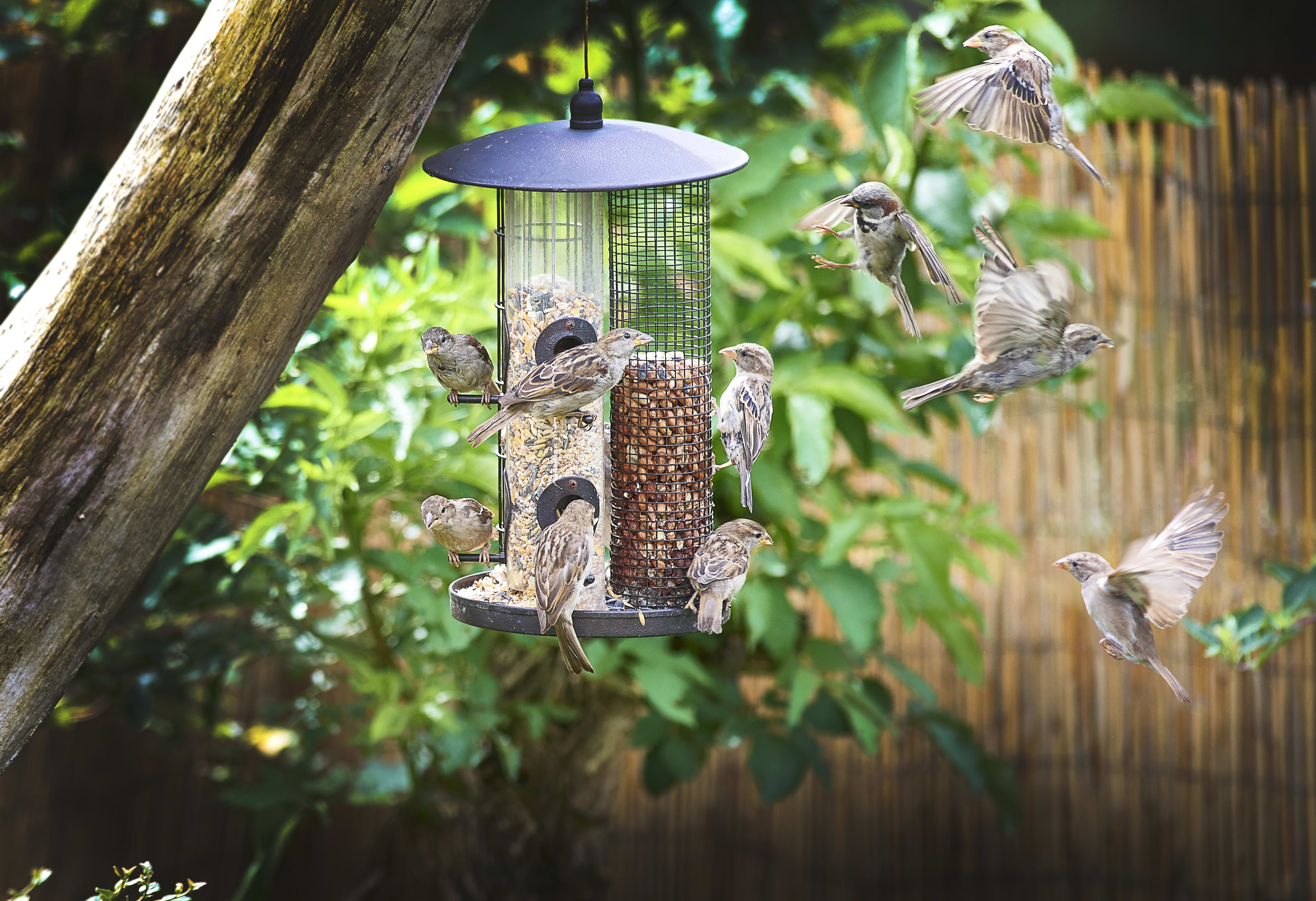
Credit: dengarden.com
Composting Sunflower Shells
Composting sunflower shells is a smart way to handle the mess left under your bird feeder. Instead of tossing them in the trash, you can turn these shells into a valuable resource for your garden. Composting helps break down the tough shells and transforms them into nutrient-rich material that benefits your plants.
Benefits For Your Garden Soil
Sunflower shells add organic matter to your compost, which improves soil texture and drainage. As they break down, they release nutrients like potassium and phosphorus, essential for healthy plant growth. Adding compost made with sunflower shells can help your garden retain moisture better and support beneficial microorganisms.
Have you noticed how some garden soils seem to hold water perfectly while others dry out quickly? Compost with sunflower shells can help balance that by increasing your soil’s ability to hold moisture without becoming soggy.
How To Compost Effectively
Sunflower shells are tough and take longer to decompose, so chopping or crushing them before adding to your compost speeds up the process. Mix the shells with green materials like vegetable scraps or grass clippings to maintain a good balance of nitrogen and carbon.
- Break down the shells by crushing them with a hammer or blending them in a food processor.
- Add plenty of “greens” to provide nitrogen, which helps microbes break down the carbon-rich shells.
- Turn your compost regularly to improve airflow and speed decomposition.
- Keep the pile moist but not wet—think of a wrung-out sponge.
Try adding sunflower shells in small batches to your existing compost pile and watch how it changes over time. You might be surprised at how these tough shells transform into something that feeds your garden naturally.
Using Shells As Mulch
Using sunflower shells as mulch is a smart way to reuse what’s left under your bird feeder. Instead of tossing them out, you can spread these shells around your garden beds. They create a natural barrier that benefits your plants in several ways.
Protecting Plants And Retaining Moisture
Sunflower shells help protect your plants by creating a layer that reduces soil erosion and shields roots from extreme temperatures. This layer also slows down water evaporation, so your soil stays moist longer, which means less frequent watering for you.
Have you noticed how some mulches attract pests? Sunflower shells tend to be less attractive to insects like slugs and snails, giving your plants a better chance to thrive. Plus, the shells break down slowly, so they provide long-lasting coverage without needing constant replacement.
Application Tips For Mulching
Start by cleaning the shells to remove any leftover seed bits or debris. Spread a thin layer, about 1 to 2 inches thick, around your plants, keeping the shells a few inches away from the stems to prevent moisture buildup that can cause rot.
If you have a lot of shells, mix them with other organic mulches like shredded leaves or grass clippings. This mix improves soil aeration and speeds up decomposition, enriching your soil over time.
Do you think your garden could benefit from a mulch that’s both practical and eco-friendly? Using sunflower shells might just be the simple solution you’re looking for.
Crafting With Sunflower Shells
Sunflower shells that fall under your bird feeder don’t have to be just waste. They can become the base material for some truly unique and fun crafting projects. Using these shells gives you a chance to create something beautiful while helping reduce trash and reuse natural materials.
Creative Art Projects
Sunflower shells have a natural texture and shape that make them perfect for various art projects. You can glue them onto canvases to create interesting patterns or images, adding a rustic, organic feel to your artwork.
Think about making mosaics by arranging the shells in different colors and shapes. This works great for decorating picture frames, notebooks, or even coasters. Have you ever tried painting on the shells themselves? A simple coat of acrylic paint can turn them into tiny decorative pieces for jewelry or magnets.
Diy Home Decor Ideas
Using sunflower shells around the house can bring a unique, earthy vibe to your decor. You could fill clear glass jars with shells for a charming table centerpiece or use them to fill vases instead of stones.
Another idea is to create a textured border on plain mirrors or lampshades by carefully gluing the shells around the edges. This adds a personal touch and can spark conversations when guests notice the unusual detail.
Have you considered making a sunflower shell wind chime? String the shells together with some beads and hang it outside. The gentle clinking sound adds a peaceful element to your garden or porch area.
Feeding Wildlife And Pets
Sunflower shells left under bird feeders can attract more than just birds. Many animals and pets may find these shells appealing or useful. It is important to know the best ways to use them safely. This helps protect local wildlife and your pets while reducing waste.
Safe Uses For Other Animals
Sunflower shells can serve as natural bedding or enrichment for some animals. Small mammals like rabbits and guinea pigs might enjoy them in their enclosures. The shells provide texture and a place to hide treats.
Wildlife such as squirrels and chipmunks may collect the shells for their nests. This adds insulation and comfort during colder months. Some gardeners even use cleaned shells as mulch to protect soil around plants.
Precautions To Consider
- Do not feed sunflower shells directly to pets or wildlife. The shells are hard and can cause choking or digestive issues.
- Keep shells away from animals with sensitive digestive systems, like dogs and cats.
- Remove any shells mixed with mold or dirt to avoid health risks.
- Store unused shells in a dry place to prevent mold growth.
- Monitor local wildlife to ensure the shells do not attract pests or harmful animals.
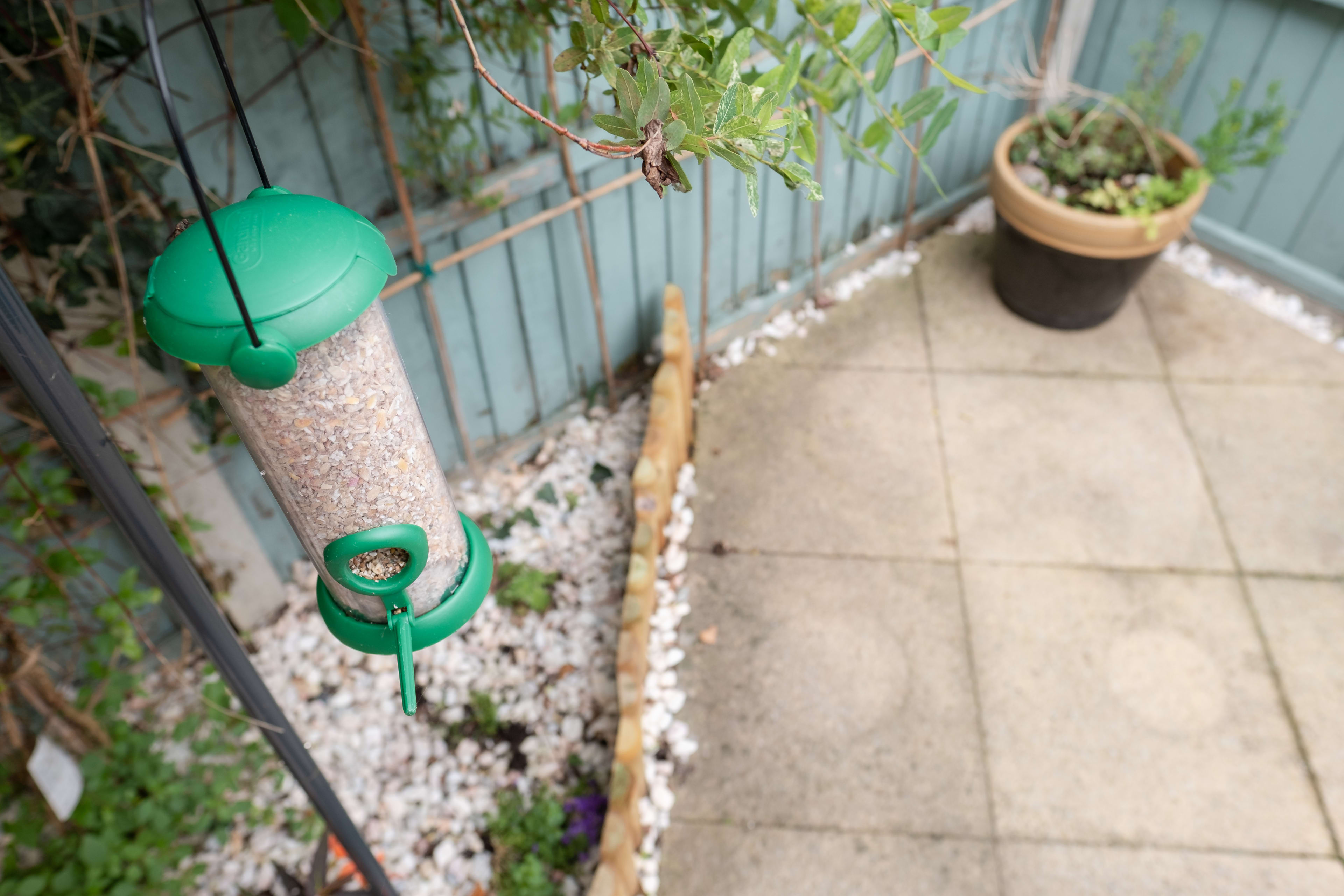
Credit: dengarden.com
Preventing Shell Buildup
Sunflower shell buildup under your bird feeder can quickly become a nuisance. It not only looks untidy but may attract unwanted pests and create a slipping hazard. Preventing this buildup takes a bit of attention and smart choices, but it can save you time and effort in the long run.
Regular Maintenance Tips
Make it a habit to clean the area beneath your feeder at least once a week. Use a small rake or broom to gather and remove the shells before they pile up. This simple routine stops shells from accumulating and keeps your yard inviting.
Consider placing a tarp or a mat under the feeder to catch shells and make cleanup faster. You can also rake the shells into your compost pile if you have one, turning waste into garden gold. Have you noticed how a little daily effort can prevent a big mess later?
Choosing Feeders To Minimize Mess
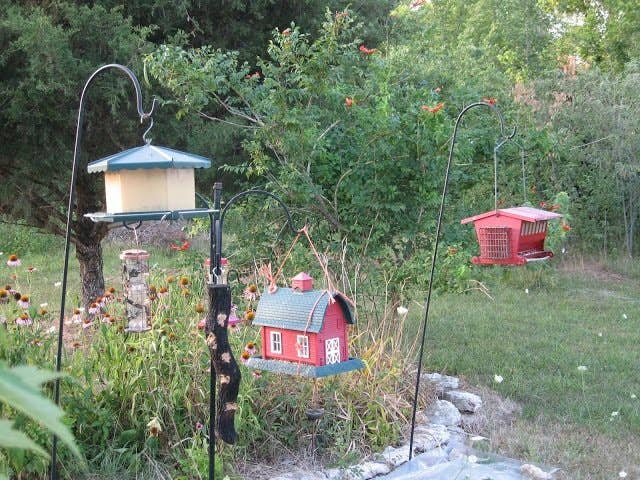
Some feeders are designed to reduce shell fallout by using hulled seeds or seed blends that birds can eat entirely. Tube feeders with smaller ports can limit the amount of seed birds drop. These designs can significantly cut down on the shell mess below.
Look for feeders with built-in trays that catch shells and seed debris. This feature keeps the area cleaner and makes it easier for you to manage waste. What type of feeder do you currently use, and could a switch make your cleanup easier?
Credit: dengarden.com
Frequently Asked Questions
What Can I Do With Sunflower Shells Under My Bird Feeder?
You can compost sunflower shells to enrich garden soil. They break down slowly, adding organic matter and improving soil texture.
Are Sunflower Shells Harmful To Plants Or Soil?
Sunflower shells are generally safe and non-toxic. They can enhance soil drainage and aeration but should be composted or used sparingly.
Can Sunflower Shells Be Used As Mulch In Gardens?
Yes, sunflower shells work well as mulch. They help retain moisture, reduce weeds, and slowly decompose to nourish the soil.
How Do I Clean Up Sunflower Shells Under Feeders?
Use a small rake or broom to gather shells. Dispose of them in compost or garden beds to avoid pests.
Conclusion
Sunflower shells can pile up under bird feeders. These shells can harm plants. They can also attract pests. Clean the area regularly to avoid issues. Consider using a seed catcher tray. It helps keep the ground clean. Compost the shells if possible.
They can enrich your garden. Otherwise, dispose of them properly. A clean yard benefits both you and the birds. Enjoy watching birds without the mess. Keep your garden healthy and pest-free. Simple steps make a big difference. Happy bird watching!