
If you want your pet bird to stay healthy and happy, what you feed it matters a lot. You might wonder if cooked bird food is a good choice and how to prepare it safely.
Feeding your feathered friend the right cooked meals can boost its energy, improve its feathers, and strengthen its immune system. You’ll discover easy, tasty, and nutritious cooked food options that your pet bird will love. Keep reading to learn how to make mealtime both delicious and healthy for your bird!
Benefits Of Cooked Bird Food
Cooked bird food offers many benefits for your pet’s health. Cooking breaks down tough fibers, making food easier to digest. It also helps your bird absorb more nutrients from each meal. Cooked meals can lower the chance of harmful bacteria, keeping your pet safe.
Improved Digestion
Cooking softens seeds, vegetables, and grains. This helps your bird’s digestive system work smoothly. Softer food reduces strain on the gut and prevents discomfort. Birds can absorb nutrients more easily from cooked meals.
Enhanced Nutrient Absorption
Heat from cooking unlocks vitamins and minerals. Nutrients become more available for your bird’s body. Cooked food often contains more usable energy. This supports your pet’s growth and overall health.
Reduced Risk Of Contaminants
Raw food can carry bacteria and parasites. Cooking kills these harmful germs. This protects your bird from illnesses and infections. Clean, safe food is key to a healthy pet bird.
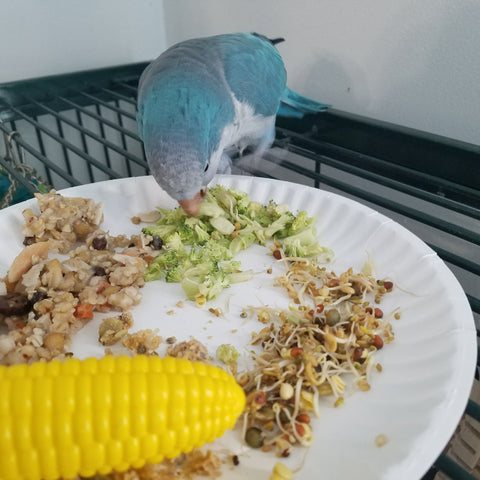
Credit: lilmonstersbirdtoys.com
Safe Ingredients For Cooked Meals
Feeding your pet bird cooked meals can be a great way to add variety and nutrition to their diet. However, choosing the right ingredients is essential to keep your feathered friend healthy and happy. Safe ingredients provide essential vitamins and minerals without posing any health risks.
Vegetables To Include
Vegetables are a vital part of cooked bird food. You can add carrots, peas, sweet potatoes, and zucchini, which are all safe and nutrient-rich. Avoid onions, garlic, and avocado as they can be toxic to birds.
Steamed or lightly cooked vegetables retain more nutrients and are easier for your bird to digest. Have you noticed how your bird reacts to different veggies? This can guide you in choosing favorites that keep them excited about mealtime.
Grains And Legumes
Grains and legumes provide energy and fiber. Brown rice, quinoa, lentils, and chickpeas are excellent options to include in cooked meals. Make sure to cook them thoroughly to avoid digestive issues.
These ingredients can be mixed with vegetables and proteins to create balanced dishes. Have you tried experimenting with different grain combinations to find what your bird enjoys most?
Proteins Suitable For Birds
Protein is crucial for your bird’s growth and feather health. Boiled eggs, cooked chicken (without seasoning), and small amounts of fish like salmon are safe choices. Avoid processed meats and anything with added salt or spices.
Offering a variety of proteins can prevent boredom and nutritional gaps. How often do you switch up your bird’s protein sources to keep their diet interesting?
Foods To Avoid In Cooked Bird Diet
Feeding pet birds cooked food requires careful selection of ingredients. Some foods can harm your bird’s health and should never be included. Knowing which foods to avoid keeps your bird safe and healthy.
Many common vegetables and fruits contain toxins for birds. Cooking does not always remove these dangers. Avoiding these items is essential for any cooked bird diet.
Toxic Vegetables And Fruits
- Avocado – Contains persin, toxic to many birds.
- Onions and garlic – Can cause digestive issues and anemia.
- Rhubarb leaves – Highly poisonous, even in small amounts.
- Tomato leaves and stems – Contain solanine, harmful to birds.
- Raw beans – Contain lectins that are toxic if not fully cooked.
Harmful Spices And Seasonings
- Salt – Excess salt can cause dehydration and kidney damage.
- Sugar – Leads to obesity and health problems in birds.
- Chili peppers – Cause irritation and discomfort.
- Onion powder – Like fresh onions, harmful to blood cells.
- Garlic powder – Can upset your bird’s digestive system.
Unsafe Cooking Oils And Additives
- Butter and margarine – High in unhealthy fats and can upset digestion.
- Vegetable oils with additives – May contain harmful preservatives or chemicals.
- Oils high in omega-6 – Cause inflammation if fed too much.
- Artificial flavorings and colorings – Toxic and unnecessary for birds.
- Excessive oil – Can lead to obesity and liver problems.
Cooking Methods For Bird Food
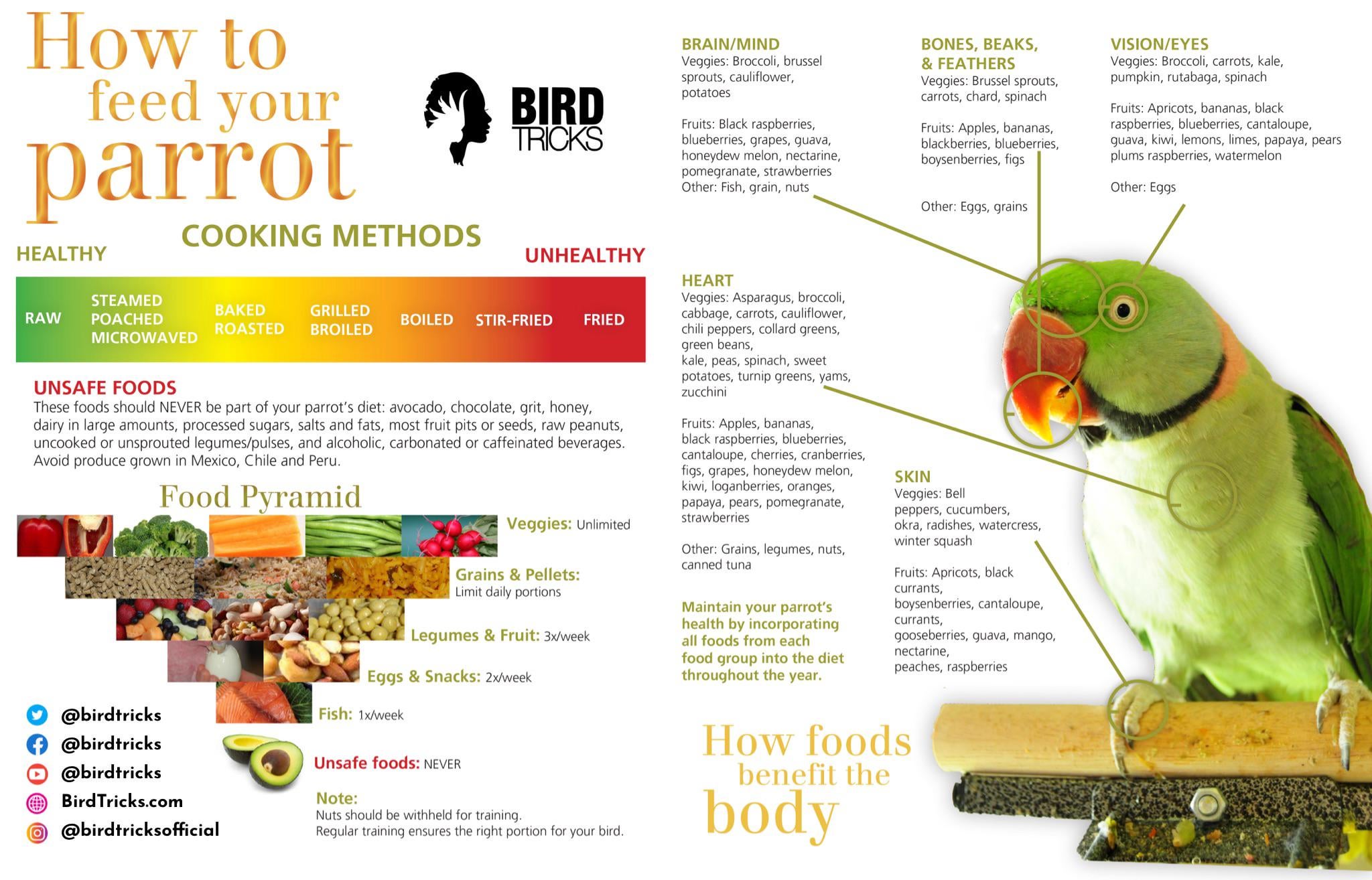
Cooking food for your pet bird enhances nutrition and safety. Proper cooking breaks down tough fibers and kills harmful bacteria. It also improves flavor and texture, making meals more appealing. Using gentle cooking methods preserves vitamins and minerals essential for bird health.
Steaming And Boiling
Steaming retains most nutrients in fruits, vegetables, and grains. Steam food until it is soft but not mushy. Boiling is simple and effective for cooking beans and grains. Use fresh water and avoid overcooking to keep nutrients intact. Both methods keep food moist and easy to eat.
Baking And Roasting
Baking and roasting add flavor without extra fat. Use low temperatures to cook seeds, nuts, and vegetables. Spread food evenly on a baking sheet for uniform cooking. Avoid burning by checking food frequently. These methods create crunchy textures birds often enjoy.
Avoiding Frying And Excessive Heat
Frying adds unhealthy fats and can cause digestive issues in birds. High heat destroys important vitamins and proteins in food. Avoid using oils, butter, or heavy seasonings. Always cook bird food at moderate temperatures for safety and nutrition.
Portion Sizes And Feeding Frequency
Proper portion sizes and feeding frequency are key to your pet bird’s health. Feeding too much or too little can cause problems. Birds have different needs depending on their age and species. Regular feeding schedules help maintain their energy and wellbeing. Understanding these basics supports a balanced diet with cooked bird food.
Age And Species Considerations
Young birds need smaller, more frequent meals. Their growing bodies require steady nutrition throughout the day. Adult birds eat larger portions but less often. Species also affect portion size. Small birds like finches eat less than parrots or cockatoos. Adjust meal sizes based on your bird’s size and activity level.
Balancing Cooked And Raw Foods
Cooked foods offer easy digestion and nutrient variety. Raw foods provide natural vitamins and textures. Balance both types for a healthy diet. Too much cooked food can reduce fiber intake. Too little may limit essential nutrients. Aim for a mix that suits your bird’s preferences and health needs.
Monitoring Bird’s Response
Watch your bird’s behavior and weight closely. Changes in energy or droppings can signal diet issues. Adjust portions if your bird seems hungry or overweight. Regular check-ups with a vet help catch problems early. Always prioritize your bird’s comfort and health.
Supplements And Additives
Adding supplements and additives to your pet bird’s cooked food can greatly improve their health and happiness. These extras help fill in nutritional gaps and make meals more exciting. But it’s important to choose the right ones and use them wisely.
Vitamins And Minerals
Birds need a variety of vitamins and minerals to stay healthy. Calcium supports strong bones, while vitamins A, D, and E boost immunity and vision. You can add powdered supplements to their food or use fortified pellets alongside cooked meals.
Be careful not to over-supplement; too much vitamin D or calcium can harm your bird. Watching for signs like lethargy or changes in appetite can help you catch problems early. Have you noticed if your bird’s feathers look dull or brittle? That might signal a need for more nutrients.
Natural Flavor Enhancers
Birds enjoy tasty meals just like you do. Adding small amounts of fresh herbs like parsley, basil, or dill can make cooked food more appealing. These also offer mild antioxidants and vitamins.
Some bird owners add a splash of low-sodium broth or a tiny bit of fruit juice to boost flavor. Always avoid salt, sugar, and artificial additives. What natural ingredient has your bird loved the most?
When To Consult A Vet
If you’re unsure which supplements to add, your vet is the best resource. Sudden changes in behavior or health could mean your bird needs specific nutrients. A vet can recommend tests and tailor a supplement plan for your bird’s unique needs.
Don’t wait until your bird looks sick—regular check-ups help prevent nutritional issues. Have you scheduled your bird’s health check recently?
Sample Cooked Bird Food Recipes
Cooking food for your pet bird can enhance their diet with fresh, nutritious options that support their health and happiness. Homemade cooked meals allow you to control ingredients and avoid additives or preservatives often found in commercial foods. Here are some sample cooked bird food recipes that are simple to prepare and packed with essential nutrients your feathered friend will love.
Vegetable Medley Mash
This mash is a colorful mix of veggies that delivers vitamins and fiber. Start with steamed carrots, peas, and sweet potatoes, all finely chopped or mashed.
- Add a small amount of cooked quinoa or rice for extra energy.
- Mix in a teaspoon of boiled egg for protein.
- Let the mash cool before serving to avoid burns.
This medley mimics the variety birds find in the wild, keeping mealtime interesting. Have you noticed how birds respond differently to fresh vegetables compared to dry pellets?
Protein-rich Stew
Protein is vital for feathers and muscle development. Cook diced chicken or turkey with finely chopped carrots and zucchini in a little water until tender.
- Drain excess liquid but keep some broth for moisture.
- Stir in a spoonful of mashed lentils or beans for plant-based protein.
- Cool the stew thoroughly before offering it to your bird.
Serving a protein-rich stew occasionally can boost your bird’s vitality. Do you track how your bird’s activity changes with different protein sources?
Grain And Seed Blend
Grains and seeds provide essential fats and carbohydrates. Cook brown rice or barley until soft, then mix with lightly toasted sunflower seeds and millet.
- Add chopped spinach or kale for added nutrients.
- Include a few drops of olive oil to enhance fat absorption.
- Serve at room temperature to maintain flavor.
This blend offers a balanced texture and taste that many birds find irresistible. How often do you rotate grains and seeds to keep your bird excited at mealtime?

Credit: creators.yahoo.com

Credit: www.reddit.com
Frequently Asked Questions
What Cooked Foods Are Safe For Pet Birds?
Safe cooked foods include plain rice, boiled eggs, steamed vegetables, and cooked legumes. Avoid seasoning or oils. These foods provide essential nutrients and variety.
How Often Should I Feed Cooked Food To My Bird?
Feed cooked food 2-3 times per week as a supplement. Balance with seeds, pellets, and fresh fruits for a healthy diet.
Can Cooked Bird Food Replace Pellets Completely?
Cooked food should not fully replace pellets. Pellets offer balanced nutrition, while cooked foods add variety and extra nutrients.
Is It Okay To Feed My Bird Cooked Meat?
Yes, small amounts of cooked, unseasoned chicken or turkey are safe. Avoid processed or fatty meats for your pet bird.
Conclusion
Providing cooked food ensures your pet bird gets balanced nutrition. It helps maintain their health and happiness. Always choose fresh, bird-safe ingredients. Avoid spices and harmful additives. Watch your bird’s reactions to new foods. Adjust portions to suit their size and activity level.
Variety keeps their meals interesting and nutritious. Remember, a well-fed bird is a happy bird. Regularly consult with a vet for dietary advice. This keeps your feathered friend thriving. Happy feeding!