
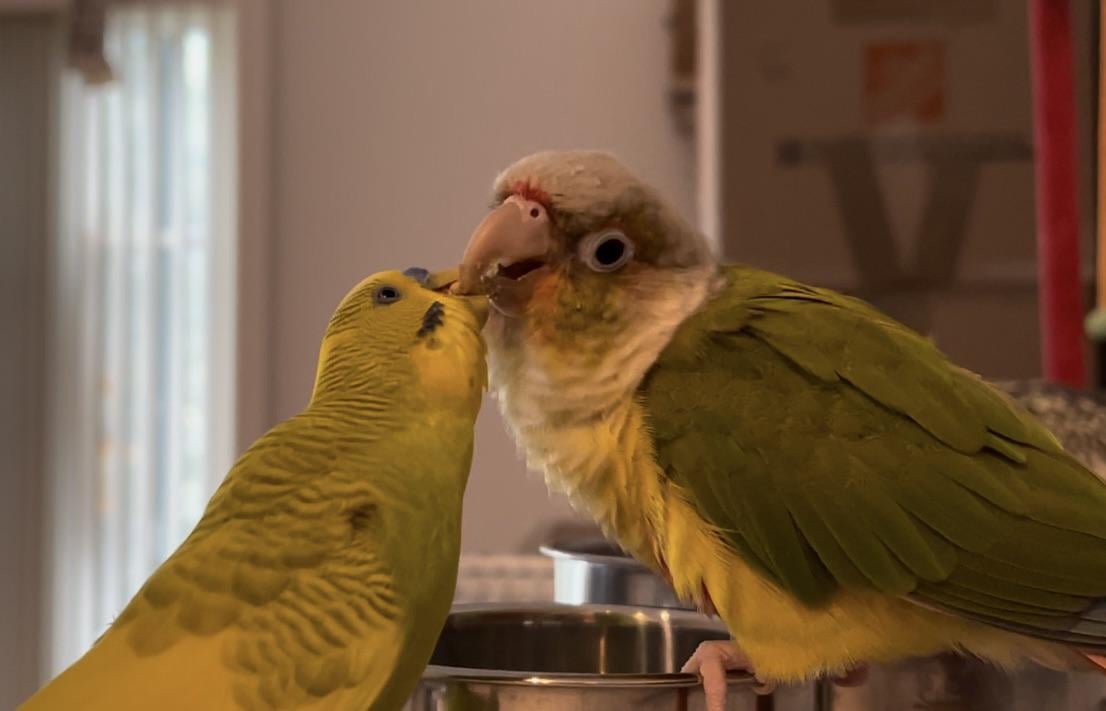
Have you ever watched your birds gently feeding each other and wondered why they do it? This sweet behavior might seem puzzling at first, but it actually reveals a lot about your birds’ feelings and social bonds.
Understanding why your feathered friends share food can help you connect with them better and ensure they stay happy and healthy. Keep reading to discover the surprising reasons behind this caring act and what it means for your birds’ well-being.

Credit: www.allaboutbirds.org
Birds’ Social Bonds
Birds often feed each other as a way to build and maintain close social bonds. These actions show trust, care, and connection within their groups. Feeding behavior is not just about sharing food; it reflects strong relationships. Understanding these social bonds helps explain why birds engage in this behavior.
Pair Bonding And Mating
Feeding between mates strengthens their pair bond. It is a sign of affection and commitment. Birds often feed each other during courtship to show interest. This behavior helps maintain a strong partnership throughout the breeding season. It also supports cooperation in raising their young.
Family Connections
Parents feed their chicks to help them grow and survive. This is a vital part of family care in birds. Young birds also feed each other as they learn social skills. Feeding within families builds trust and ensures safety. It helps siblings stay close and protected.
Friendship In Flocks
Birds living in flocks form friendships through feeding. Sharing food promotes harmony and reduces conflict. Feeding each other helps birds build alliances and support. It creates a sense of community and belonging. These social bonds improve survival in the wild.
Feeding Behavior Basics
Understanding why your birds feed each other starts with knowing the basics of their feeding behavior. Birds don’t just eat to survive; their feeding habits play a big role in communication, bonding, and social structure. Observing these interactions can reveal a lot about their relationships and emotional states.
Parent-to-offspring Feeding
Parent birds feed their chicks by regurgitating food directly into their mouths. This behavior ensures the young get nourishment before they can forage on their own. You might notice the parents feeding their babies multiple times a day, showing their commitment to the chicks’ survival.
If you see your adult birds feeding a younger bird, it often means they are caring for it like their own. Have you ever wondered why some birds still receive food even after they seem old enough to eat alone? This behavior strengthens the bond and ensures the youngster’s health.
Mutual Preening And Feeding
Birds often feed each other as part of mutual preening, also called allopreening. This action helps remove dirt and parasites while reinforcing trust between partners or flock members. When your birds feed each other gently, it’s a sign of affection and social connection.
Think about your own pets or close friends—sharing food is a strong social signal. Birds use feeding to say, “I trust you” and “You are part of my group.” This behavior can be especially common in bonded pairs or close companions.
Food Sharing Dynamics
Food sharing in birds can be complex and depends on social hierarchy and relationships. Dominant birds may share food with subordinate ones to maintain peace or reinforce alliances. Sometimes, birds exchange food as gifts, which can help build or strengthen pair bonds.
Have you noticed if your birds share their favorite treats or specific foods? This selective sharing shows preference and trust. Understanding these dynamics lets you better interpret their social world and respond to their needs thoughtfully.
Surprising Reasons Behind Feeding
Seeing your birds feed each other can be both heartwarming and puzzling. This behavior goes beyond mere sharing of food—it reveals complex social interactions and emotions. Understanding these surprising reasons can help you connect with your birds on a deeper level.
Strengthening Relationships
Birds feeding each other is a powerful way to build trust and bond. It’s a sign they feel safe and comfortable with one another. You might notice your birds gently passing food back and forth, which means they are reinforcing their friendship or partnership.
Think about your own pets or friends—sharing food often brings people closer. Birds do the same. When you see this behavior, it’s a sign your birds have formed a strong social connection.
Establishing Hierarchy
Feeding can also be about setting who’s in charge. In many bird groups, one bird might feed another to show dominance or submission. It’s a subtle but clear way to organize their social structure.
Have you noticed if one bird usually offers food and the other accepts it? This could mean the feeder holds a higher rank. Watching these interactions helps you understand your birds’ social order better.
Stress And Comfort Signals
Sometimes, birds feed each other during stressful times. It’s their way of providing comfort and reassurance. If one bird feels anxious, another might step in with food to calm them down.
Notice if feeding increases during changes like moving cages or new pets arriving. This behavior is a natural way for birds to support each other emotionally. It reminds us that even animals have their ways of showing care when things feel uncertain.

Credit: www.reddit.com
Species That Commonly Share Food
Birds feeding each other is a behavior that often surprises bird owners. This act is more than just sharing a snack—it reflects social bonds, care, and sometimes even survival strategies. Certain species are known for this behavior more than others, and understanding which birds commonly share food can help you better interpret your feathered friends’ interactions.
Parrots And Macaws
Parrots and macaws are famous for their social nature and strong pair bonds. They often feed each other as a way to strengthen relationships and show affection. You might notice your parrot gently offering a seed or piece of fruit to its mate or even to you, signaling trust and connection.
These birds also use feeding as a teaching moment, especially parents feeding chicks. If you see your parrot feeding a companion, it’s a sign of a close-knit relationship, not just hunger.
Pigeons And Doves
Pigeons and doves frequently engage in mutual feeding, particularly during courtship and parenting. The adult bird regurgitates food to feed the mate or young, a behavior known as “crop milk” feeding. This is essential for the survival of their chicks and reinforces pair bonds.
Have you noticed your pigeon offering food to a partner or chick? This is a clear sign of nurturing behavior, showing how food sharing plays a role in family dynamics.
Songbirds And Finches
Many songbirds and finches share food as part of their social structure. Courtship feeding is common—males often feed females to encourage bonding and mating readiness. After breeding, parents feed their chicks to ensure they grow healthy and strong.
Your finch feeding another bird isn’t just cute; it’s a vital social and survival behavior. Watching these interactions can give you insight into their emotional world and social needs.
When Feeding Signals Problems
Birds feeding each other usually shows care and bonding. Yet, sometimes this behavior hints at problems. Watching closely helps spot signs that need attention. Unusual feeding actions may reveal stress, illness, or other issues. Understanding these signals protects bird health and happiness.
Excessive Feeding And Stress
Too much feeding between birds can mean stress. Stress may come from new environments or loud noises. Birds might feed each other more to calm down. This behavior acts like a comfort gesture. Notice if feeding happens often and with urgency. It may signal that birds feel unsafe or anxious.
Feeding As A Sign Of Illness
Birds sometimes feed sick mates to help them. Ill birds may not eat well on their own. Healthy birds step in to share food. This shows strong care but also a warning sign. Watch for other symptoms like lethargy or fluffed feathers. Illness makes feeding behavior different from normal bonding.
Unusual Feeding Patterns
Feeding at odd times or in strange ways can be a red flag. Birds may share food too often or refuse food themselves. Some might feed only one bird repeatedly. These patterns suggest discomfort or imbalance. Keeping a feeding diary can help track changes. Early detection of unusual behavior aids quick support.

Credit: en.wikipedia.org
How To Encourage Healthy Feeding
Encouraging healthy feeding habits among your birds can strengthen their bond and improve their overall well-being. It’s not just about what they eat but also how they share and interact during feeding times. Paying attention to diet, environment, and social cues helps you support these natural behaviors safely and positively.
Providing Balanced Diets
Your birds need a variety of nutrients to stay healthy and energetic. Offer a mix of seeds, pellets, fruits, and vegetables to cover all dietary needs. Fresh water should always be available to keep them hydrated.
Consider their species-specific preferences and avoid overfeeding treats. If you notice one bird feeding another excessively, check if the feeder is accessible and sufficient for all. Sometimes, unequal access to food prompts birds to feed their companions.
Creating A Comfortable Environment
Birds feel safer and more willing to share food when their surroundings are calm and secure. Keep their cage clean and spacious enough to avoid competition. Position feeding stations in quiet spots where they won’t be disturbed.
Lighting and temperature also play a role in their comfort during feeding. Have you observed how your birds behave when the environment is noisy or cramped? Adjusting these factors can encourage peaceful feeding interactions.
Observing Social Interactions
Watching how your birds feed each other gives clues about their relationship and health. Gentle feeding usually signals trust, while aggressive or forced feeding might indicate stress or dominance issues. Notice if one bird is always the giver or receiver and whether both seem happy.
Intervene if you see signs of bullying or refusal to eat. Sometimes, a change in cage mates or rearranging perches can improve social harmony. How closely do you watch their feeding habits? Regular observation helps you catch problems early and foster positive social feeding.
Frequently Asked Questions
Why Do Birds Feed Each Other In Captivity?
Birds feed each other to show bonding and trust. It mimics their natural courtship and social behaviors. This behavior strengthens their relationship and reduces stress in captive environments, promoting a healthy and happy life.
What Does Mutual Feeding Signify Among Pet Birds?
Mutual feeding indicates affection and partnership between birds. It is a sign of strong social bonds and comfort. Birds use this behavior to nurture and care for each other, enhancing their emotional connection.
Can Feeding Each Other Reduce Bird Aggression?
Yes, feeding each other helps reduce aggression. It fosters positive interactions and cooperation. This behavior promotes peace and harmony within bird groups, lowering stress and conflict.
Is Feeding Each Other A Sign Of Bird Mating Readiness?
Often, yes. Feeding each other is part of courtship rituals. It signals readiness to mate and deepens pair bonding. This natural behavior encourages reproductive success.
Conclusion
Birds feeding each other shows care and bonding. This behavior strengthens their relationships. It ensures all birds get enough food. Observing them can be fascinating. It teaches us about their social dynamics. These actions indicate trust and affection. Such behaviors are common in many bird species.
They are natural and beneficial. Keep watching your birds. You might learn more about their world. Their interactions are simple, yet profound. It reminds us of the importance of connection. Enjoy the unique bond your birds share. It’s a beautiful aspect of nature.