
Are you ready to attract more colorful birds to your yard? Knowing how to set up a bird feeder pole the right way makes all the difference.
It’s not just about hanging a feeder—it’s about creating a safe, inviting spot that keeps birds coming back day after day. In this guide, you’ll discover simple steps to install your bird feeder pole quickly and securely. By the end, you’ll have a perfect perch that turns your outdoor space into a lively bird haven.
Keep reading to learn how easy it is to bring more life and joy to your garden!
Credit: gardeningproductsreview.com
Choosing The Right Location
Choosing the right location for your bird feeder pole is key to attracting birds and enjoying their visits. The spot affects bird safety, comfort, and your viewing pleasure. Think about the environment around your feeder. Pick a place that offers the best conditions for birds and you.
Consider Sunlight And Shade
Birds prefer a balance of sun and shade. Place the feeder where it gets morning sun and afternoon shade. This helps keep the food fresh and the birds cool. Avoid spots that stay too hot or too cold all day.
Avoiding Predators
Protect birds from cats and other predators. Keep the feeder away from places where predators can hide or jump from. Leave some open space around the pole. This gives birds a clear path to escape if needed.
Visibility For Bird Watching
Choose a spot where you can easily watch the birds. Place the feeder near a window or seating area. Make sure the view is clear, with no big plants blocking your sight. This makes bird watching more enjoyable and relaxing.
Selecting The Best Feeder Pole
Selecting the best feeder pole sets the stage for a welcoming bird feeding spot. The right pole offers durability and ease of use. It keeps your feeder steady and safe from pests. Consider material, height, and special features to find the best fit for your garden or yard.
Material Options
Common materials include metal, wood, and plastic. Metal poles last long and resist weather well. Wood poles look natural but may need more care. Plastic poles are lightweight but less sturdy. Choose a material that suits your environment and maintenance preference.
Height And Stability
Height affects bird visibility and safety from predators. Most poles range from 4 to 8 feet tall. Taller poles keep feeders away from cats and squirrels. Stability is key to prevent tipping. Look for poles with wide bases or ground anchors for strong support.
Pole Features
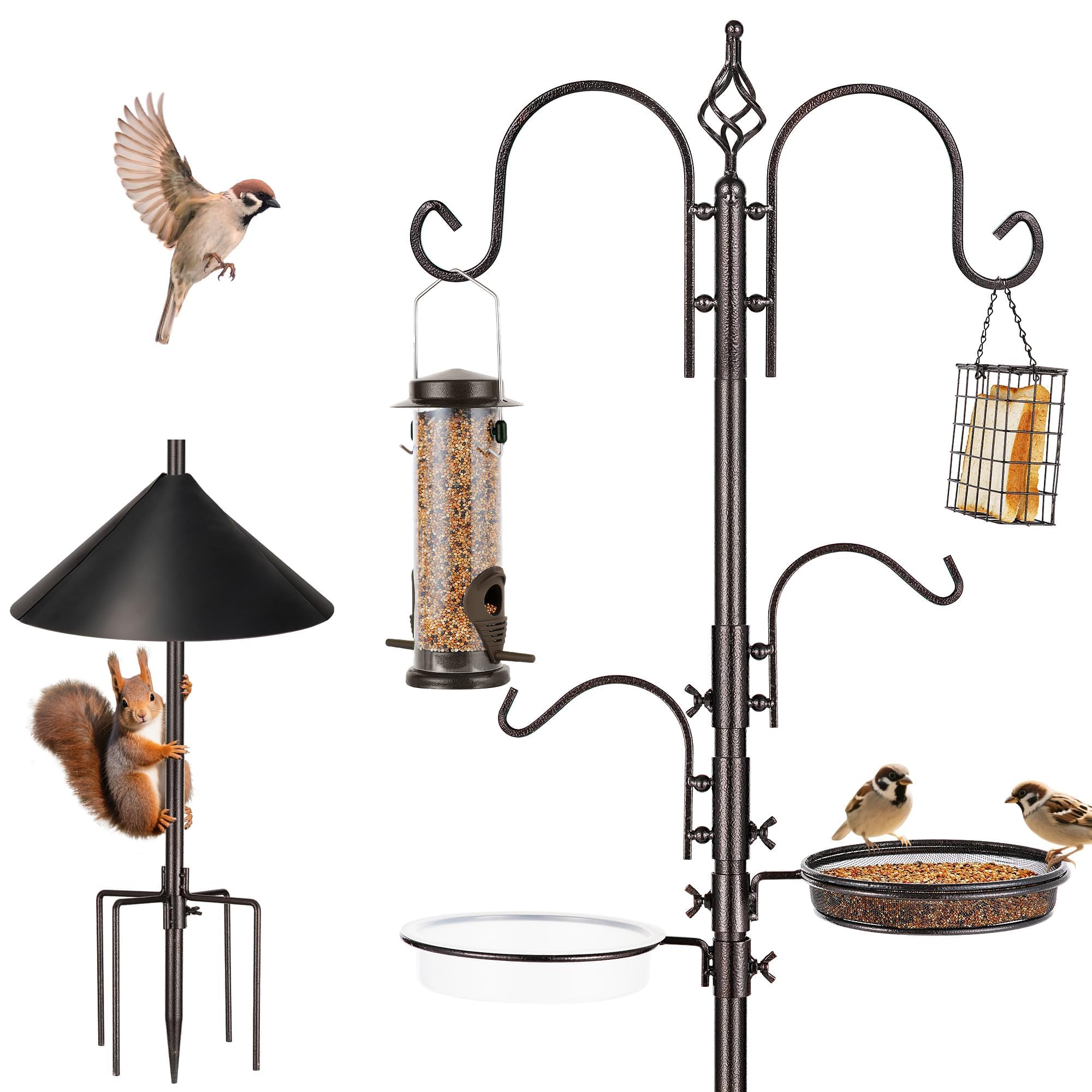
- Adjustable height for flexible feeder placement
- Multiple hooks for several feeders
- Squirrel baffles to stop pests from climbing
- Rotating arms to spread feeders apart
These features improve feeding options and protect your feeder. Choose poles with features that match your bird feeding style.
Gathering Necessary Tools
Before you start setting up your bird feeder pole, having the right tools on hand will save you time and frustration. Gathering everything you need ensures the process goes smoothly and safely. Missing a key tool halfway through can turn a simple task into a complicated one, so let’s get prepared.
Basic Tools List
Start by collecting the essential tools for installing your bird feeder pole. These will help you secure the pole firmly and make adjustments as needed.
- Shovel or Post Hole Digger:To dig a hole deep enough for stability.
- Level:To make sure the pole stands straight and doesn’t tilt.
- Wrench or Socket Set:For tightening bolts or screws on the feeder hardware.
- Measuring Tape:To measure the depth of the hole and height of the pole.
- Hammer or Mallet:Useful for tapping stakes or securing parts.
Having these ready will keep your setup efficient and precise. Think about how much easier it was when I tried setting up my feeder without a level—I ended up with a crooked pole that birds seemed to avoid!
Safety Gear
Safety is often overlooked but crucial when working outdoors with tools. Protect yourself from potential injuries by using the right safety equipment.
- Gloves:To protect your hands from splinters, dirt, and sharp edges.
- Safety Glasses:To shield your eyes from debris when digging or hammering.
- Sturdy Footwear:Wear boots or closed-toe shoes to protect your feet.
- Sun Protection:Consider a hat and sunscreen if you’re working in direct sunlight.
Have you ever thought about how a small cut or eye injury could delay your project? Taking these simple safety steps helps you avoid setbacks and keeps the experience enjoyable.
Preparing The Ground
Preparing the ground is a crucial first step to set up a bird feeder pole. A well-prepared spot ensures stability and safety for the pole. It also helps attract more birds by placing the feeder in the right environment. Taking time to prepare the area makes the installation easier and longer-lasting.
Clearing The Area
Remove any rocks, sticks, or debris from the chosen spot. Clear grass and weeds around the base area. This creates a clean space to dig and install the pole. A clear area also prevents pests from hiding near the feeder.
Checking For Underground Utilities
Before digging, check for underground wires, pipes, or cables. Contact local utility companies or use a utility locator service. Avoid digging where these utilities run to prevent damage and injury. Safety first. Knowing what lies beneath saves time and trouble.
Marking The Spot
Mark the exact spot where the pole will go. Use a stake or a bright marker for visibility. This helps keep the pole straight during installation. Marking also guides you in measuring the depth and angle of the hole. A precise spot leads to a steady bird feeder pole.
Installing The Pole
Installing the pole for your bird feeder is a task that demands attention to detail. A sturdy, well-placed pole not only supports the feeder but also ensures it stays safe from wind and curious critters. Let’s break down the process so you can enjoy watching birds without worry.
Digging The Hole
Start by choosing a spot that offers good visibility and shelter for the birds. Use a post hole digger or shovel to dig a hole about 18 to 24 inches deep. This depth provides stability, especially in windy areas.
Make sure the hole is slightly wider than the pole’s diameter. This extra space makes it easier to position the pole and fill around it later. Have you checked the soil type? Sandy soil may require a deeper hole for extra support.
Setting The Pole
Place the pole straight into the hole, ensuring it stands vertical. Use a level to confirm the pole is perfectly upright; even a slight tilt can make the feeder unstable. If you have a helper, ask them to hold the pole steady while you check.
Think about the height too—setting the pole too low can make it easy for squirrels to jump on the feeder. Aim for a height that keeps birds safe but still accessible for filling and cleaning.
Securing With Concrete Or Soil
You can stabilize the pole by filling the hole with concrete or tightly packed soil. Concrete offers long-term durability but requires time to set—usually 24 to 48 hours. If you prefer soil, pack it firmly in layers, tamping down as you go to avoid any shifting.
Consider your environment: heavy clay soil may hold the pole well without concrete, while loose soil often benefits from it. Which option fits your needs better? Remember, a stable pole means a safer feeding spot for your feathered friends.

Credit: www.amazon.ca
Mounting The Bird Feeder
Mounting your bird feeder correctly is key to attracting feathered visitors and keeping your feeder safe from the wind and curious animals. You want it to be easy for birds to access while staying firmly in place. Here’s how to make sure your bird feeder pole setup is both functional and stable.
Attaching Hooks Or Brackets
Start by selecting hooks or brackets that match the style of your bird feeder and pole. Use durable materials like stainless steel or heavy-duty plastic to avoid rust and wear. Secure the hooks or brackets at a height that gives birds plenty of room to perch and feed comfortably.
Think about how many feeders you want to hang. Multiple hooks can allow for a variety of seeds, attracting different bird species. Attach the hooks tightly, checking that they don’t wobble or shift when you gently pull on them.
Ensuring Stability
Stability is crucial to keep your bird feeder steady, especially during windy days or when squirrels jump onto it. Drive the pole deep into the ground—at least 12 to 18 inches—to anchor it firmly. If the soil is loose, add gravel or use a ground sleeve for extra support.
Consider using guy wires or attaching the pole to a nearby tree or sturdy structure for added security. Have you noticed how a slight tilt can discourage birds from landing? Keep your pole perfectly vertical to create a welcoming environment.
Check your setup regularly. A quick shake test will tell you if the pole is still solid or needs reinforcement. A stable bird feeder means more visits and less frustration for you.
Maintaining The Feeder Pole
Maintaining your bird feeder pole is essential to keep it sturdy and inviting for your feathered visitors. A well-maintained pole ensures safety for the birds and prolongs the life of your setup. Simple, regular upkeep can save you from costly repairs or replacements down the line.
Regular Cleaning
Cleaning your feeder pole frequently helps prevent mold, dirt buildup, and bird droppings that can harm birds or damage the pole. Use a mild soap solution and a soft brush to scrub the pole, especially around attachment points and feeders. Rinse thoroughly with water and let it dry completely before refilling the feeder.
Have you noticed birds avoiding your feeder? It might be time for a thorough cleaning to refresh the area and make it more welcoming.
Checking For Wear And Tear
Inspect your feeder pole regularly for signs of rust, cracks, or bending. These issues can weaken the pole and pose a risk to both birds and people. Look closely at the joints and base, where most stress occurs, and tighten any loose screws or bolts.
If you spot any damage, address it immediately. Small repairs can prevent bigger problems and keep your feeder pole standing strong through all seasons.
Seasonal Adjustments
Different seasons bring different challenges for your feeder pole. In winter, ice and snow can add weight or cause slipping, so consider installing a stabilizer or moving the pole to a sheltered spot. During summer, check for sun damage and repaint or treat the pole if the finish is fading.
Adapting your feeder pole to seasonal conditions not only protects it but also keeps your bird friends safe and comfortable year-round.

Credit: store.bromebirdcare.com
Frequently Asked Questions
How Do I Safely Install A Bird Feeder Pole?
To install a bird feeder pole safely, choose a stable spot with soft soil. Use a level to keep it straight. Secure the pole deeply into the ground for stability and avoid areas near predators or heavy foot traffic.
What Tools Are Needed To Set Up A Bird Feeder Pole?
You need a post hole digger or shovel, a level, measuring tape, and possibly concrete or gravel for stability. These tools ensure the pole stands securely and correctly, providing a safe feeding spot for birds.
How High Should A Bird Feeder Pole Be Placed?
Place the bird feeder pole about 4 to 6 feet high. This height keeps birds safe from predators and makes it easy for you to refill the feeder. It also allows good visibility for birdwatching.
Can I Use Any Type Of Pole For A Bird Feeder?
Not all poles are suitable. Use sturdy metal or treated wood poles to withstand weather and support feeder weight. Avoid weak or untreated materials that may rot or fall, risking bird safety.
Conclusion
Setting up a bird feeder pole is simple and rewarding. Start with a strong pole and a secure location. Choose bird-friendly feeders to attract various species. Check the feeder regularly for cleaning and refilling. Enjoy watching the birds visit your yard.
A well-placed feeder brings nature closer to your home. Be patient and observant. Birds will bring joy and beauty to your space. Encourage family and friends to share in the experience. Remember, the right setup makes all the difference. Happy bird watching!