
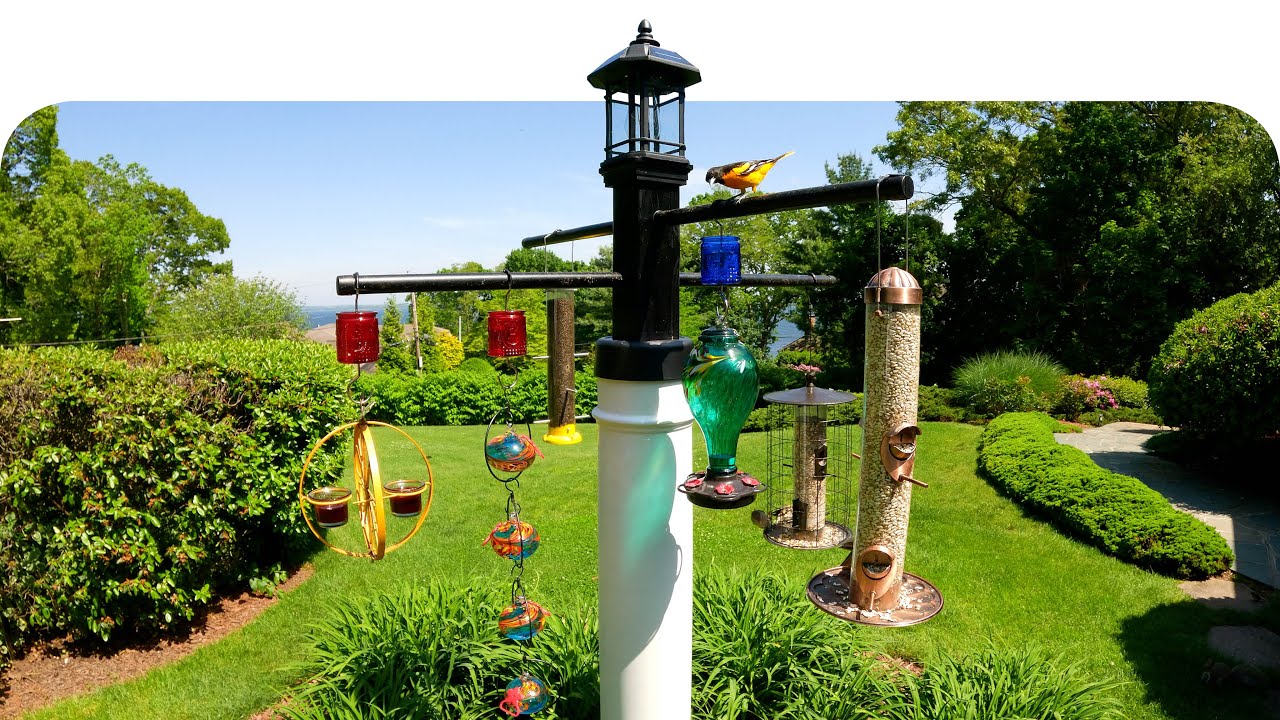
Are you tired of squirrels stealing all the birdseed from your feeder? It’s frustrating to watch those clever little creatures outsmart every trap and barrier you set up.
But what if you could protect your bird feeder post and enjoy watching birds without the squirrel chaos? In this guide, you’ll discover simple, effective ways to squirrel proof your bird feeder post. By the end, you’ll have the tools and tips to keep squirrels at bay and create a peaceful feeding spot for your feathered friends.
Ready to stop the squirrel invasion for good? Let’s dive in.
Choosing The Right Feeder Post
Choosing the right feeder post plays a crucial role in keeping squirrels away from your bird feeder. The post acts as the main support, so its material and placement can make a big difference. Picking the right one not only protects your bird food but also keeps your feathered visitors safe and comfortable.
Material Options
Look for feeder posts made from strong, durable materials that squirrels find hard to climb. Metal posts are usually the best choice because they are smooth and slippery, making it difficult for squirrels to get a grip. Avoid wooden posts, as squirrels easily climb them and chew on them.
Aluminum and stainless steel posts resist rust and damage from weather, so they last longer. Some posts even come with a powder-coated finish that adds extra protection and reduces slipperiness for squirrels. You might want to consider posts with built-in baffles or attachments designed specifically to block squirrels.
Height And Placement Tips
Height matters because squirrels are excellent jumpers. Place your feeder post at least 5 to 6 feet away from anything squirrels can jump from, like trees, fences, or roofs. The post itself should be tall enough—generally around 5 feet—to keep the feeder out of reach.
Think about the surroundings. Position your feeder where you can easily watch the birds without giving squirrels a launching pad. Sometimes moving your feeder just a few feet can make all the difference. Have you noticed how squirrels can leap from surprising places? Keeping distance is key to stopping them.
Credit: www.bilantan.com
Common Squirrel Tricks
Squirrels are clever and persistent when trying to reach bird feeders. They use many tricks to get food. Understanding these tricks helps protect feeders better. Watch out for their common tactics.
Climbing Techniques
Squirrels climb poles, trees, and fences to reach feeders. They have strong claws that grip surfaces tightly. They can scale smooth poles by twisting their bodies. Sometimes, squirrels use nearby branches as bridges. They move quickly and quietly to avoid detection.
Some squirrels hang upside down under feeders. This allows easy access to seeds. They can also jump down from higher spots to feeders. Their climbing skill makes simple barriers less effective.
Jumping Strategies
Squirrels jump long distances to reach feeders. They often leap from trees or roofs nearby. Their jumps can cover several feet with ease. They time their jumps to surprise birds and humans.
Sometimes, squirrels jump onto nearby objects first. Then they leap onto the feeder from there. This multi-step approach helps them bypass obstacles. Their jumping ability makes it hard to protect feeders without proper measures.
Physical Barriers To Use
Physical barriers create a strong defense against squirrels at bird feeders. They stop squirrels from reaching the food by blocking their path. These barriers protect your feeder without harming the animals. Using physical barriers helps keep the birds safe and happy while keeping squirrels away.
Baffles And Guards
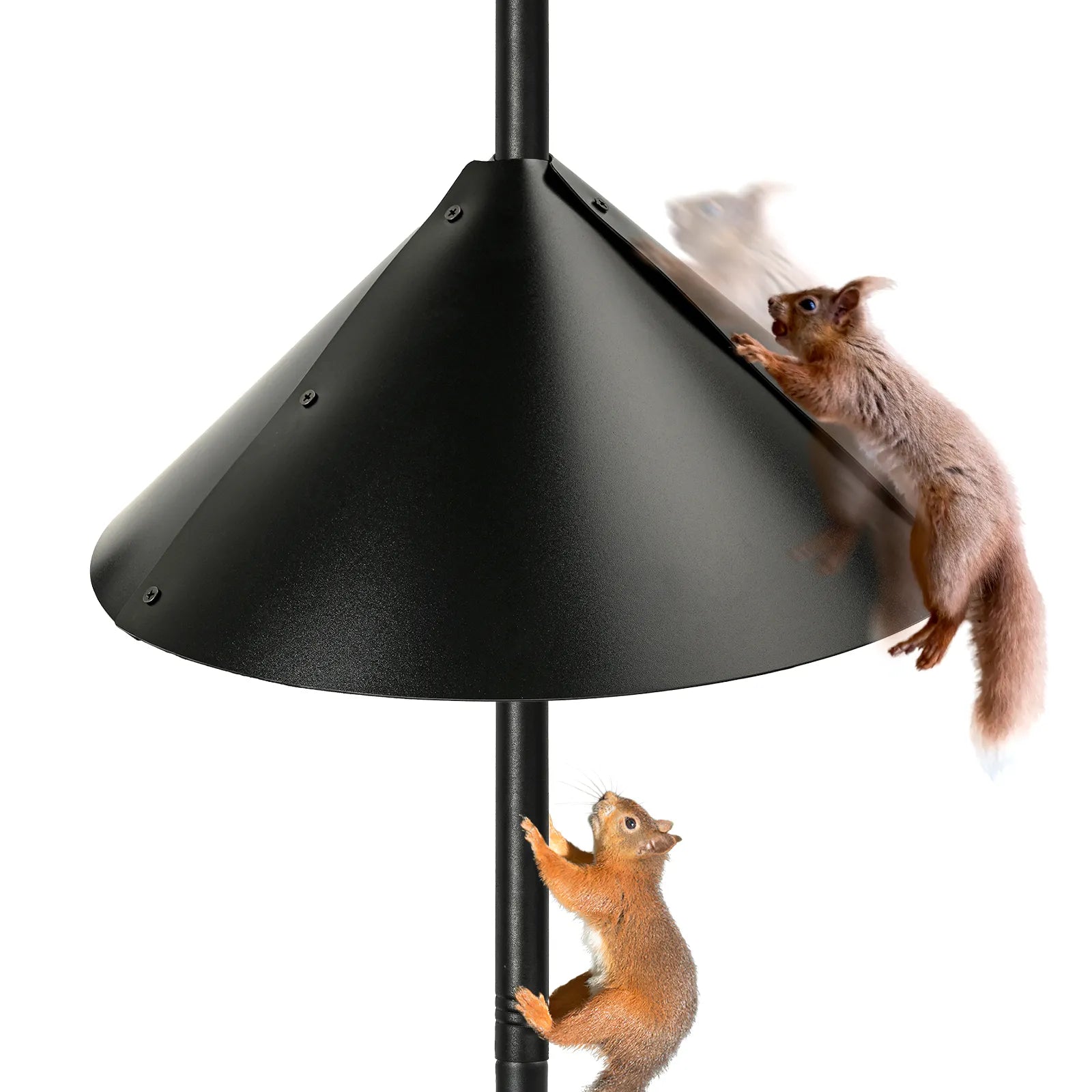
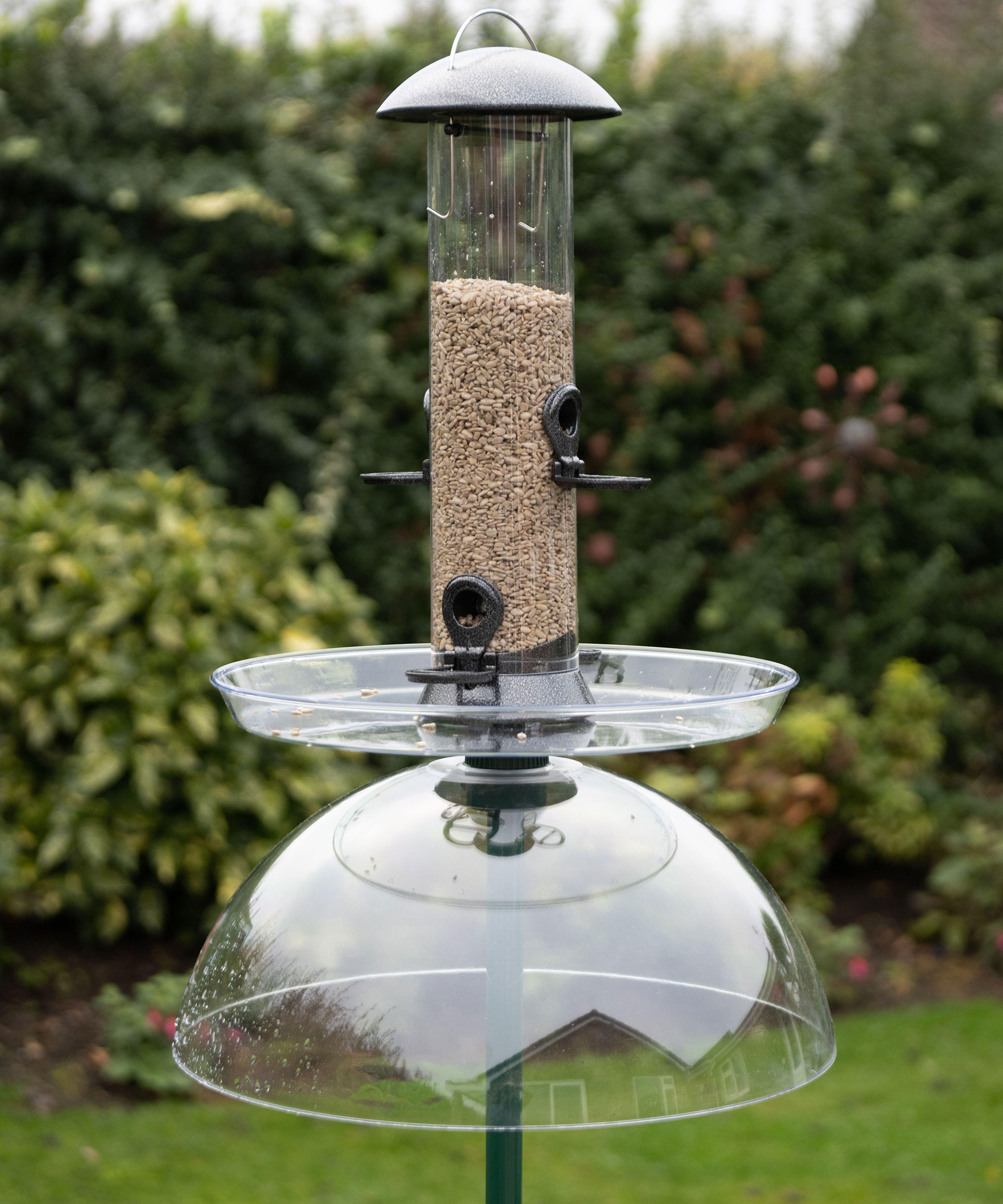
Baffles and guards are common barriers placed near feeders. They act as shields that squirrels cannot climb or jump past. Usually made of metal or plastic, they come in dome or cone shapes. Installing a baffle above or below the feeder makes it hard for squirrels to access the seeds.
These devices are easy to install and adjust. They require little maintenance and last for years. Baffles work best on poles or hanging feeders. They also help protect against other pests like raccoons.
Squirrel-proof Feeders
Squirrel-proof feeders have built-in barriers to stop squirrels from eating birdseed. These feeders close off feeding ports when a squirrel’s weight is detected. The mechanism prevents squirrels from reaching the seeds while letting birds feed freely.
They come in many designs, including cages and weight-sensitive models. These feeders reduce seed waste and mess caused by squirrels. Using a squirrel-proof feeder is a smart, hassle-free way to protect your bird food.
Credit: www.homesandgardens.com
Natural Deterrents
Natural deterrents offer a simple, chemical-free way to keep squirrels away from your bird feeder post. These methods rely on taste and smell preferences that squirrels dislike but birds tolerate. Using natural deterrents can protect your feeder without harming the animals or the environment.
Spicy Seed Mixes
Adding spicy ingredients like cayenne pepper or crushed red pepper flakes to your birdseed mix can discourage squirrels. Birds don’t have the same sensitivity to spice as squirrels do, so they continue to enjoy the seeds while squirrels stay away.
I once sprinkled cayenne pepper on my feeder mix and noticed squirrels avoided it almost immediately. The birds kept coming back, showing no sign of discomfort. This simple trick keeps your feeder full for feathered friends without extra gadgets or traps.
- Mix about 1 teaspoon of cayenne pepper per cup of seed.
- Reapply after rain to maintain effectiveness.
- Avoid touching your eyes or face after handling spicy seeds.
Repellent Plants
Planting certain herbs and flowers near your bird feeder post can naturally repel squirrels. Plants like mint, lavender, and marigolds have scents that squirrels dislike but are safe for birds.
I planted mint around my feeder area, and squirrels started avoiding the spot. It also made the garden smell fresh and inviting for me. This low-maintenance option doubles as a natural barrier and a pleasant garden addition.
- Mint grows quickly and spreads, so contain it in pots if needed.
- Lavender attracts pollinators but deters squirrels.
- Marigolds add color while keeping squirrels at bay.
Would you try adding spicy seeds or planting repellent herbs around your feeder? Sometimes, small changes can make a big difference in protecting your bird visitors.
Feeder Maintenance Tips
Proper maintenance of your bird feeder keeps birds safe and deters squirrels effectively. Clean feeders prevent mold and bacteria that harm birds. Good seed management reduces waste and mess, making your feeder less attractive to squirrels.
Regular Cleaning
Clean your bird feeder every two weeks. Use warm, soapy water to wash all parts. Rinse well to remove soap residue. Dry completely before refilling. Remove old seeds and debris daily. This prevents mold growth and bad odors. Moldy feeders repel birds and attract pests.
Seed Management
Choose seeds that squirrels dislike, such as safflower or nyjer. Avoid overfilling the feeder; fill it just enough for a few days. Store extra seed in a sealed container to keep it fresh. Clear spilled seeds under the feeder often. This stops squirrels from gathering food nearby.
Alternative Feeding Strategies
Dealing with squirrels at your bird feeder can be frustrating, but there are smart ways to keep both birds and squirrels happy. Alternative feeding strategies offer a clever solution that doesn’t involve constant battles or messy deterrents. Instead of focusing solely on squirrel-proofing your main feeder, consider redirecting the squirrels’ attention elsewhere.
Separate Squirrel Feeders
Setting up a separate feeder just for squirrels can be surprisingly effective. This gives squirrels their own spot to eat, reducing their interest in your bird feeders.
Place the squirrel feeder a good distance away—at least 10 feet—from your bird feeders. Squirrels are territorial and often won’t travel far if they have an easy food source nearby.
I tried this in my backyard, and it worked wonders. The squirrels happily munched on corn and nuts at their own station, leaving the birds to enjoy their seeds undisturbed.
Feeding Times And Locations
Adjusting when and where you put out food can also help control squirrel visits. Birds often feed during early morning and late afternoon, while squirrels are active throughout the day.
Try filling your feeders during times when squirrels are less active or place feeders in spots that are harder for squirrels to reach but still accessible to birds. For example, feeders near thin branches or using poles with baffles can limit squirrel access.
Think about your yard’s layout and squirrel habits. Could moving feeders closer to dense shrubbery or hanging them from slender branches discourage squirrel visits?

Credit: www.reddit.com
Frequently Asked Questions
How Do Squirrels Access Bird Feeder Posts?
Squirrels climb poles or jump from nearby structures to reach feeders. They use their agility to bypass simple barriers. Understanding their tactics helps in designing effective squirrel-proof solutions for bird feeder posts.
What Materials Deter Squirrels From Bird Feeders?
Smooth metals, slippery plastics, and baffles made of metal or plastic prevent squirrels from climbing. These materials reduce grip and make it hard for squirrels to reach bird feeders. Using the right materials is key to successful squirrel-proofing.
Can Squirrel Baffles Protect Bird Feeder Posts?
Yes, squirrel baffles are effective barriers placed around posts. They prevent squirrels from climbing by blocking access. Installing baffles is a common and practical method to keep squirrels away from bird feeders.
Are Squirrel-proof Bird Feeder Poles Easy To Install?
Most squirrel-proof poles are designed for easy installation. They often come with clear instructions and minimal tools needed. This allows bird enthusiasts to quickly set up feeders without professional help.
Conclusion
Keeping squirrels away from your bird feeder is possible. Use the right strategies. Choose squirrel-proof feeders. Install baffles on feeder posts. Position feeders away from trees and fences. Regularly maintain and adjust your setup. Enjoy watching birds without disruption. Your garden will thrive, attracting a variety of feathered friends.
Squirrels will find other places to visit. Happy birdwatching!