
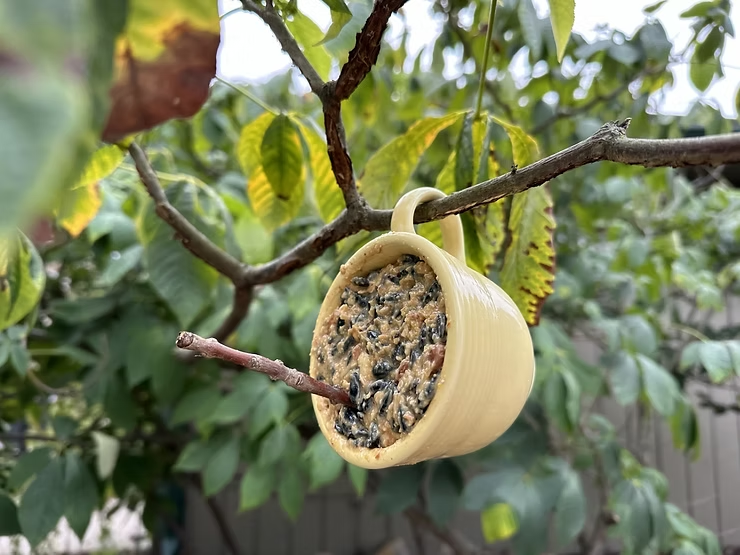
Are you looking for a simple way to attract beautiful birds right to your backyard? Making your own homemade bird feed is easier than you think, and it’s a great way to support your local feathered friends.
Imagine watching colorful birds visit daily, enjoying treats you made just for them. You’ll discover easy steps and tips to create bird feed that’s healthy, budget-friendly, and perfect for all kinds of birds. Keep reading, and you’ll soon become the favorite stop for birds in your neighborhood!

Credit: www.firefliesandmudpies.com
Benefits Of Homemade Bird Feed
Making your own bird feed has more perks than you might expect. Beyond just feeding the birds, it gives you control over what they eat, helps you save money, and even lets you tailor meals for your favorite feathered visitors. Understanding these benefits can make your bird-feeding routine more rewarding and effective.
Nutritional Advantages
When you prepare bird feed at home, you decide exactly what goes into it. This means you can avoid fillers and unhealthy additives found in many commercial mixes. You can include a variety of seeds, nuts, and dried fruits that provide essential nutrients like proteins, fats, and vitamins.
Think about the birds in your area—do they need more fat during winter or more protein during breeding season? Homemade feed lets you adjust recipes to match their needs, helping birds stay healthy and active year-round.
Cost Savings
Buying ingredients in bulk and mixing your own bird feed can significantly cut costs. Commercial bird feed brands often charge a premium for packaging and marketing. When you make feed yourself, you skip those extra costs.
Have you ever added up what you spend on birdseed each season? Try switching to homemade mixes for a few weeks and see how your spending drops. Plus, you can reuse containers and reduce waste, which is better for your wallet and the environment.
Customizing For Bird Species
Different birds prefer different foods. Sparrows love millet, while cardinals go for sunflower seeds. By making your own bird feed, you can customize the mix to attract the species you enjoy watching the most.
Have you noticed certain birds visiting your feeder more than others? Adjust the ingredients to encourage a greater variety or to support specific birds during tough seasons. This personal touch can make your backyard feel like a bird sanctuary tailored just for you.

Credit: www.youtube.com
Essential Ingredients To Use
Choosing the right ingredients is key to making homemade bird feed that truly attracts and nourishes your feathered visitors. Each ingredient serves a specific purpose, offering essential nutrients and energy that birds need. Let’s look at which components you should include to create a balanced, healthy mix.
Seeds And Grains
Seeds and grains form the foundation of most bird feeds because they provide energy and are widely accepted by many bird species. Black oil sunflower seeds are a top choice; their thin shells make them easy to crack open. Millet and cracked corn add variety and appeal to ground-feeding birds like sparrows and doves.
If you want to attract a wider range of birds, mix several types of seeds. Do you notice certain seeds disappearing faster in your feeder? That’s a good sign they’re favorites and should make up a larger portion of your mix.
Nuts And Fruits
Nuts and fruits offer vital fats, vitamins, and minerals that seeds alone can’t provide. Peanuts (unsalted and shelled) are especially loved by woodpeckers and jays. You can also add dried fruits such as raisins, chopped apples, or berries to introduce natural sugars and moisture.
Including these items can make your feed more attractive during colder months when birds need extra energy. Think about which birds visit your area—do you see fruit eaters like robins? Adding the right fruits can keep them coming back.
Avoiding Harmful Additives
Not all ingredients are safe for birds. Avoid salt, sugar, and any artificial preservatives or flavorings. These additives can harm birds or upset their delicate digestive systems.
Also, steer clear of moldy or spoiled ingredients, which can spread disease. You might be surprised how often even well-meaning mixes contain hidden dangers. Keeping your homemade feed clean and simple protects your backyard visitors and encourages healthy feeding habits.
Simple Recipes For Bird Feed
Making homemade bird feed is easy and fun. Simple recipes help attract many birds to your yard. These mixes offer good nutrition and keep birds healthy. You can customize ingredients based on local bird preferences and seasons. Try these simple recipes to get started.
Basic Seed Mix
A basic seed mix suits many common birds like finches and sparrows. Use easy-to-find seeds to make this blend.
- 2 parts black oil sunflower seeds
- 1 part millet
- 1 part cracked corn
- 1 part safflower seeds
Mix all seeds in a clean container. Store in a dry place. Fill bird feeders regularly to keep birds coming back.
Nut And Fruit Blend
Birds love nuts and dried fruits. This mix attracts woodpeckers, jays, and cardinals. Use unsalted nuts and dried fruits only.
- 1 part shelled peanuts (chopped)
- 1 part dried raisins or cranberries
- 1 part sunflower seeds
- 1 part chopped almonds or walnuts
Combine ingredients well. Offer this blend in a platform feeder or scatter on the ground. Fresh water nearby helps birds enjoy their snack.
Suet Cakes For Energy
Suet cakes provide high energy for birds during cold months. Make your own with simple ingredients.
- 1 cup melted suet or lard
- 1 cup peanut butter
- 1 cup mixed seeds
- ½ cup chopped nuts
- ¼ cup dried fruits (optional)
Mix melted suet and peanut butter. Stir in seeds, nuts, and fruits. Pour into molds or containers. Chill until firm. Hang suet cakes in mesh bags or suet feeders outside.

Credit: www.firefliesandmudpies.com
Tools And Materials Needed
Gathering the right tools and materials sets the foundation for making homemade bird feed that birds will love. It’s not just about what you mix, but also how you prepare and store it. Having the proper containers and feeders can make your bird feeding experience smoother and more enjoyable.
Mixing And Storage Containers
Choose a clean, large bowl or bucket for mixing your bird feed ingredients. Plastic or stainless steel containers work well because they’re easy to clean and won’t react with the ingredients. Avoid using containers that previously held chemicals or strong-smelling substances, as these odors can repel birds.
Once mixed, store your homemade bird feed in airtight containers to keep it fresh and prevent moisture from spoiling it. Clear containers help you see when it’s time to refill. Do you have a spot in your kitchen or garage that stays cool and dry? That’s the perfect place for your bird feed storage.
Feeder Types
Choosing the right feeder type depends on the kind of birds you want to attract and where you place it. Platform feeders are simple and easy to clean, perfect if you want to watch a variety of birds. Tube feeders, with multiple feeding ports, keep seeds dry and reduce waste.
Consider suet feeders if you want to offer energy-rich treats, especially in colder months. Hanging feeders can keep food away from squirrels, but ground feeders attract ground-feeding birds like doves and sparrows. Which feeder will fit best in your yard or balcony? Try different types to see what works for your feathered visitors.
Safety Tips
Safety is key for both you and the birds. Always wash your hands before and after handling bird feed ingredients to avoid spreading germs. Clean feeders regularly to prevent mold and bacteria, which can harm birds.
Use fresh ingredients and avoid moldy or stale seeds. If you notice any sick birds, temporarily remove the feeder and clean everything thoroughly. Have you ever thought about how your care affects the health of the birds you feed? Simple habits can make a big difference in their well-being.
Tips For Feeding Birds Safely
Feeding birds at home is a wonderful way to connect with nature. It is important to feed them safely. Safe feeding protects birds from harm and keeps your garden clean. Follow simple tips to create a bird-friendly space. These tips help birds enjoy your homemade feed without risks.
Placement Of Feeders
Place feeders where birds can easily spot them. Choose spots away from windows to prevent collisions. Position feeders near bushes or trees. Birds feel safer with nearby cover from predators. Avoid placing feeders too close to high-traffic areas. This reduces stress for the birds. Keep feeders at least 5 feet off the ground. This height protects birds from cats and other animals.
Cleaning And Maintenance
Regular cleaning of feeders stops disease spread. Clean feeders every two weeks during warm weather. Use a solution of one part bleach to nine parts water. Rinse feeders thoroughly with clean water. Let them dry completely before refilling. Remove old or wet feed daily. Moldy food can harm birds. Keep the feeding area free of leftover seeds and droppings.
Seasonal Considerations
Adjust feeding habits with the seasons. In winter, provide high-energy foods like sunflower seeds and suet. Birds need extra energy to stay warm. In spring and summer, offer fresh fruits and insects. Stop feeding during late spring if natural food is abundant. Clean feeders more often in warm months. Prevent mold and bacteria growth in hot weather. Monitor bird activity to change feed types and amounts.
Encouraging Backyard Birdwatching
Encouraging backyard birdwatching can transform your outdoor space into a lively nature haven. It offers a chance to slow down and connect with the natural world right outside your window. Watching birds engage with your homemade feed is rewarding and sparks curiosity about their habits and personalities.
Attracting Different Bird Species
Different birds prefer different foods. You can attract a variety by offering a mix of seeds, nuts, and fruits. Black oil sunflower seeds appeal to finches and chickadees, while peanuts draw woodpeckers and jays.
Think about the birds common to your area and tailor your feed. If you spot a rare visitor, try researching its favorite treats to keep it coming back. Have you noticed certain birds only appear at specific times of year? Adjust your offerings seasonally to match their needs.
Creating A Bird-friendly Habitat
Birds need more than just food to feel at home. Provide fresh water for drinking and bathing to encourage longer visits. Plant native shrubs or trees nearby to offer shelter and nesting spots.
Keep feeders clean to prevent disease. Position feeders away from windows to reduce collision risks. Small touches like placing pine cones or bark chips around feeders can attract insects, adding natural snacks to the buffet.
Recording And Enjoying Sightings
Keep a simple notebook or use an app to track the birds you see. Noting dates, species, and behaviors deepens your understanding and appreciation. Over time, you’ll notice patterns like migration or feeding preferences.
Share your sightings with local birdwatching groups or social media communities. This connection can enhance your experience and inspire others. What new behaviors or species might you discover by watching closely every day?
Frequently Asked Questions
What Ingredients Are Best For Homemade Bird Feed?
Use seeds like sunflower, millet, and cracked corn. Add nuts, dried fruits, and oats for variety. Avoid salty or sugary items. These ingredients attract many bird species and provide balanced nutrition.
How Do I Make Bird Feed Without Harmful Chemicals?
Choose organic, natural ingredients and avoid pesticides or preservatives. Mix seeds, nuts, and dried fruits at home. Store feed in airtight containers to keep it fresh and safe for birds.
When Is The Best Time To Offer Homemade Bird Feed?
Feed birds early morning or late afternoon. Birds are most active during these times. Regular feeding helps birds rely on your feed safely throughout the year.
How To Store Homemade Bird Feed Properly?
Keep feed in a cool, dry place. Use airtight containers to prevent moisture and pests. Proper storage maintains freshness and prevents mold or spoilage.
Conclusion
Creating homemade bird feed is fun and rewarding. Birds benefit from natural, nutritious ingredients. Making your own mix saves money and time. Plus, you can customize the feed for local birds. Enjoy watching various birds visit your garden. It’s an easy way to help nature.
Keep experimenting with different recipes. Notice which seeds birds love most. Soon, your garden will become a bird paradise. A simple step towards supporting wildlife. Enjoy the chirping and fluttering every day. Happy bird feeding!