
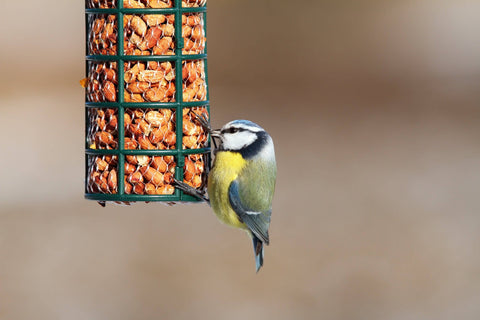
Do you want to bring more life and color to your backyard? Getting birds to visit your bird feeder can turn your outdoor space into a lively sanctuary full of beautiful sights and soothing sounds.
But how do you attract them and keep them coming back? You’ll discover simple, effective tips that make your feeder irresistible to birds. Imagine watching your favorite feathered friends gather right outside your window—ready to learn how? Keep reading and let’s make your bird feeder the go-to spot for nature’s visitors.
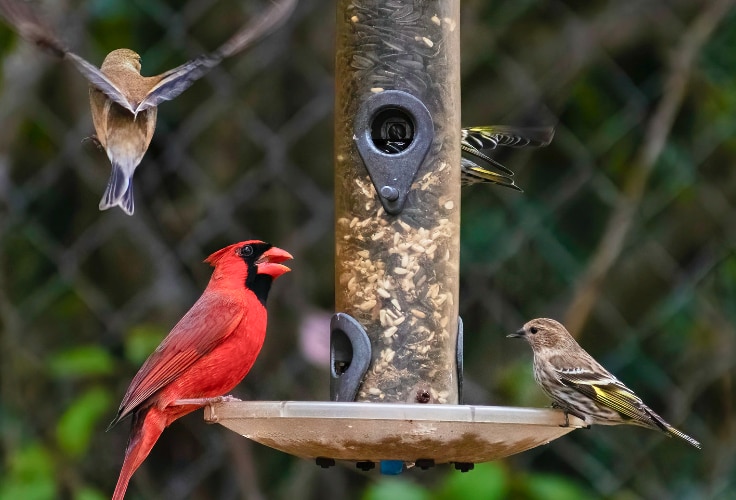
Credit: avibirds.com
Choosing The Right Feeder
Choosing the right bird feeder is crucial if you want to attract birds to your yard. The feeder you pick affects which birds visit and how often. It also impacts how easy it is to keep the feeder clean and safe.
Types Of Bird Feeders
There are many types of bird feeders, each designed for different kinds of birds and seeds. Tube feeders are great for small songbirds like finches and chickadees. Platform feeders attract a variety of birds but require more cleaning.
Hopper feeders hold a large amount of seed and appeal to bigger birds like cardinals. Suet feeders are perfect if you want woodpeckers and nuthatches to visit. Think about what birds are common in your area and what food they prefer when choosing a feeder.
Material And Durability
Feeders come in plastic, metal, and wood. Plastic feeders are lightweight and affordable but can crack in cold weather. Metal feeders last longer and resist squirrels better, but they can get hot in direct sunlight.
Wood feeders look natural but need regular maintenance to prevent rot. I once used a wooden feeder that lasted years because I treated it with weatherproof paint. Consider your local climate and how much effort you want to spend on upkeep when selecting material.
Placement Tips
Where you put your feeder is just as important as the feeder itself. Place it near trees or shrubs for cover so birds feel safe. Avoid spots too close to windows to prevent collisions.
Keep feeders at least 5 feet off the ground to deter cats and other predators. Also, try placing feeders in different locations to see where birds visit most. Have you noticed how even a slight change in placement can increase bird activity?

Credit: www.youtube.com
Selecting The Best Bird Food
Choosing the right bird food plays a big role in attracting birds to your feeder. The type of food you offer affects which birds visit. Different birds prefer different seeds and treats. Fresh, clean food keeps birds healthy and coming back. Knowing what to feed helps you enjoy watching many bird species.
Popular Seeds And Mixes
Black oil sunflower seeds attract many common birds. They have thin shells and high oil content. Nyjer seeds are favorite for finches and smaller birds. Millet is good for ground-feeding birds like doves and sparrows. Mixed seed blends offer variety but check the ingredients for quality. Avoid mixes with too much filler like red millet or oats.
Food For Specific Bird Species
Different birds prefer different types of food. Cardinals love sunflower seeds and safflower. Blue jays enjoy peanuts and corn. Hummingbirds need nectar, a simple sugar water mix. Woodpeckers prefer suet cakes, especially in winter. Offering the right food attracts the birds you want to see most.
Avoiding Moldy Or Spoiled Food
Moldy food can harm birds and discourage visits. Check your feeder regularly and clean it often. Replace damp or clumped seeds quickly. Store bird food in cool, dry places to keep it fresh. Fresh food encourages healthy, happy birds and more frequent visits.
Creating A Bird-friendly Environment
Creating a bird-friendly environment is key to encouraging birds to visit your feeder regularly. It’s not just about the food you offer, but the entire setting around the feeder that makes birds feel safe and welcome. Small adjustments in your yard can make a big difference in attracting a variety of feathered friends.
Safe Shelter Nearby
Birds need places to hide from predators and bad weather. Planting dense shrubs or installing birdhouses close to your feeder gives them a quick refuge. I once added a thick hedge near my feeder, and soon, more timid birds started showing up because they felt protected.
Think about what natural shelters exist in your area. Can you add some brush piles or leave dead trees standing? These spots serve as excellent cover and nesting sites.
Water Sources
Fresh water is as important as food for birds. A birdbath or a small fountain near your feeder can attract birds looking for a drink or a quick bath. Moving water especially catches their attention because it signals safety and cleanliness.
Keep the water clean and refill it regularly. You might notice that on hot days, your feeder becomes a social spot for birds not just to eat, but to refresh themselves.
Natural Cover And Plants
Adding native plants and flowers around your feeder provides food and shelter naturally. Birds are drawn to seeds, berries, and insects found on these plants. I planted sunflowers and milkweed near my feeder, and the increase in bird visits was remarkable.
Native plants also support the local ecosystem, attracting insects that birds feed on. Have you considered which plants grow naturally in your area and how they can complement your feeder setup?

Credit: happygardens.com
Timing And Patience
Getting birds to visit your feeder requires more than just filling it with seeds. Timing and patience play a crucial role in attracting feathered friends. Understanding when birds are most active and giving them time to discover your feeder can make all the difference.
Best Times To Feed Birds
Birds are most active during the early morning and late afternoon. These periods are when they search for food to fuel their day or prepare for the night. Try filling your feeder just before dawn or a few hours before sunset to catch their attention.
Keep in mind that different bird species may have varied feeding habits. For example, finches often visit feeders in the morning, while woodpeckers might show up later in the day. Observing your local birds can help you tailor your feeding schedule effectively.
How Long To Wait For Visits
Patience is key when starting a new bird feeder. It might take several days or even weeks for birds to find and trust your feeder. Avoid the temptation to move it around or change the seed mix too often—consistency helps birds feel safe.
During my first attempt, I placed the feeder in a quiet corner and left it untouched for over two weeks. Gradually, small birds started appearing, and soon the feeder became a lively spot. Have you noticed how wildlife often needs time to adjust to new changes in their environment?
Try to watch from a distance without disturbing the area. Frequent human activity near the feeder can scare birds away. Letting nature take its course often brings the most rewarding visits.
Attracting Birds With Additional Elements
Attracting birds to your feeder can be more successful when you add a few extra features to your outdoor space. Birds are drawn not only by food but also by sounds, water sources, and a sense of safety. These additional elements create an inviting habitat that encourages birds to visit and stay longer.
Using Bird Calls Or Sounds
Playing bird calls or natural sounds can catch the attention of nearby birds. You can use a small speaker to softly play calls of the species you want to attract. Be careful not to make it too loud—birds may avoid noisy feeders.
Have you noticed how certain songs bring specific birds closer? Try different calls and observe which ones work best in your area. This simple trick can make your feeder the hotspot for feathered visitors.
Adding Bird Baths
Birds need water for drinking and bathing, especially during hot days. Adding a bird bath near your feeder provides a fresh water source that keeps birds coming back. Choose shallow baths with gentle slopes to make it easy for birds to use.
Keep the bath clean and refill it regularly. Birds are more likely to visit if water is fresh and safe. Have you ever seen birds splash happily in a clean bath? It’s a clear sign they feel comfortable and secure.
Avoiding Predators
Safety is a big concern for birds when they choose feeding spots. Place feeders away from areas where cats or other predators can hide. Consider using baffles or placing feeders on poles to keep ground predators at bay.
Have you thought about how the location of your feeder affects bird visits? A safe environment encourages birds to visit frequently and spend more time feeding. Protecting your feathered friends will reward you with more bird activity.
Maintaining Your Feeder
Maintaining your bird feeder is essential to keep birds visiting regularly. A well-kept feeder not only attracts more birds but also helps keep them safe and healthy. Neglecting maintenance can lead to moldy seeds or pests, which birds quickly avoid.
Regular Cleaning
Clean your feeder every two weeks to prevent mold and bacteria buildup. Use warm water and a mild soap solution, then rinse thoroughly to remove any residue. Avoid harsh chemicals that might harm birds.
Pay special attention to corners and crevices where old seeds can get stuck. I once skipped cleaning for a month and noticed fewer birds coming around, which changed as soon as I cleaned it. How often do you check your feeder’s cleanliness?
Refilling Schedules
Keep your feeder stocked but not overflowing. Birds prefer fresh seeds, so refill regularly to avoid stale or damp food. How often you refill depends on the number of visitors and weather conditions.
During busy seasons, you might need to refill daily. In quieter times, every few days could be enough. Observing your feeder’s seed level each morning helps you set a perfect schedule.
Monitoring Bird Activity
Track which birds visit and how often to adjust your feeder’s maintenance. Note if some species avoid the feeder—this could mean a need to change seed types or feeder placement. Small changes can make a big difference in attracting a variety of birds.
Keep a simple log or take photos to compare activity over weeks. You might discover patterns, like fewer visits after rain, signaling a need to check for water accumulation or seed spoilage. What patterns can you spot around your feeder?
Frequently Asked Questions
How Do I Attract Birds To My Feeder Quickly?
Use fresh seeds and place the feeder in a quiet, sheltered spot. Regularly refill and clean the feeder to encourage visits.
What Type Of Bird Feeder Works Best?
Tube feeders suit small birds, while platform feeders attract larger species. Choose based on the birds common to your area.
Which Seeds Attract The Most Birds?
Black oil sunflower seeds attract a wide variety of birds. Nyjer seeds are great for finches and smaller birds.
How Often Should I Clean The Bird Feeder?
Clean the feeder every two weeks to prevent mold and disease. Use warm water and mild soap, then rinse well.
Conclusion
Attracting birds to your feeder can be rewarding and fun. Start by choosing the right food. Different birds prefer different seeds. Keep feeders clean to prevent illness. Place your feeder in a quiet, safe spot. Ensure there are no predators nearby.
Add water sources like birdbaths. Regularly fill feeders to keep birds coming. Be patient; birds take time to visit new feeders. Enjoy watching your feathered friends in your backyard. It’s a simple way to connect with nature. With these tips, your feeder will soon be a popular spot.
Happy birdwatching!