
Have you ever wondered if a bird that is blind still counts as part of conservation efforts? You might think that a bird without sight can’t survive or contribute to the environment.
But the truth is more surprising. Understanding how blind birds fit into conservation can change the way you see wildlife protection. Keep reading to discover why these unique birds matter and how you can support their place in nature.
Bird Blind Basics
Bird blinds play a key role in birdwatching and conservation efforts. They allow people to observe birds closely without disturbing them. Understanding the basics of bird blinds helps appreciate their value. This section explores their purpose, design, types, and benefits for birdwatchers.
Purpose And Design
Bird blinds serve as hidden shelters for watching birds. They protect observers from being seen or heard by birds. Their design blends into natural surroundings using materials like wood, canvas, or camouflage netting. These structures offer safety for birds and comfort for watchers. Some blinds have small windows or openings to view birds without scaring them away.
Common Types
- Portable blinds:Lightweight and easy to move for different locations.
- Permanent blinds:Built in one spot with sturdy materials for long-term use.
- Hides:Larger structures often used in wetlands or reserves.
- Window blinds:Built into buildings or vehicles for discreet watching.
Benefits For Birdwatchers
- Allows close observation without disturbing birds’ natural behavior.
- Improves chances to see rare or shy species up close.
- Provides shelter from weather during long birdwatching sessions.
- Enhances bird photography by offering stable, hidden spots.
- Supports wildlife conservation by minimizing human impact on habitats.
Role In Conservation
Bird blinds play a key role in conservation efforts. They help protect birds and their habitats while allowing people to observe wildlife responsibly. These structures reduce human impact and support ongoing research. Their use promotes healthy ecosystems and safer environments for birds.
Minimizing Disturbance
Bird blinds reduce stress on birds by limiting direct human contact. They act as barriers, preventing sudden movements or noises that can scare wildlife. This careful approach helps birds stay calm and continue their natural behaviors. Less disturbance means birds can feed, nest, and rest safely.
Supporting Research
Researchers use bird blinds to study birds closely without interference. These hides allow scientists to observe bird habits, migration, and breeding patterns. Data collected helps create better conservation plans. Bird blinds make research more accurate and less invasive.
Enhancing Habitat Protection
Bird blinds encourage respect for natural spaces. They guide visitors to specific spots, reducing damage to fragile environments. Controlled access helps maintain clean, healthy habitats. By protecting these areas, bird blinds support long-term survival of many bird species.
Impact On Bird Behavior
The impact of bird blindness on behavior is a topic that raises important questions about conservation efforts. Understanding how blindness affects a bird’s daily activities helps you see whether these birds can thrive or need additional support. Observing changes in behavior also guides better care and habitat design.
Stress Reduction
Blind birds often face stress from navigating unfamiliar environments. Without sight, their other senses become more sensitive, which can sometimes overwhelm them.
Providing quiet, safe spaces can significantly reduce their stress levels. Have you noticed how a calm environment helps you focus better? Birds experience something similar—they need less noise and fewer sudden movements to feel secure.
Feeding And Nesting Patterns
Blindness changes how birds find food and build nests. They rely more on touch, sound, and smell, which can slow down these essential activities.
Some blind birds learn to adapt by following other birds or using familiar landmarks. Would you change your daily routine if you lost your sight? Birds do, and their survival depends on how quickly they adjust.
Long-term Adaptations
Over time, some blind birds develop new behaviors to cope with their condition. They may become more vocal or use different flight patterns to stay safe.
These adaptations show resilience but also highlight the need for ongoing conservation support. Are you ready to support habitats that help these birds adapt and thrive? Your actions can make a real difference.

Credit: hellowoodlands.com
Challenges And Criticisms
Understanding the challenges and criticisms surrounding bird blindness as a conservation strategy is crucial before supporting or opposing it. While some see it as a helpful tool, others raise valid concerns about its impact and ethical standing. Let’s take a closer look at these issues to help you form a well-rounded opinion.
Potential Negative Effects
Bird blindness can unintentionally harm the very species it aims to protect. For example, disabling a bird’s vision may affect its ability to find food, avoid predators, or navigate during migration.
Such impairments could lead to decreased survival rates and disrupt local ecosystems. Have you considered how interfering with a bird’s natural abilities might ripple through the environment?
Misuse And Overuse
There is a risk that bird blindness could be misapplied or overused in conservation efforts. Some may use it as a quick fix rather than investing in sustainable habitat restoration or protection.
This could divert resources away from long-term solutions that benefit entire ecosystems. Would you support a method that addresses symptoms but ignores root causes?
Ethical Considerations
Ethics play a significant role in debates about bird blindness. Deliberately impairing an animal raises questions about animal rights and welfare.
Is it justifiable to cause harm to individual birds if it might help the species overall? You might find yourself weighing the value of individual life against broader conservation goals.
Bird Blinds In Conservation Projects
Bird blinds play a key role in conservation projects. These structures allow researchers and bird watchers to observe wildlife closely without disturbing the animals. They help gather important data on bird behavior, population, and habitat use. Bird blinds also support efforts to protect endangered species by minimizing human impact.
Case Studies
Many conservation projects use bird blinds effectively. In wetlands, blinds help monitor migratory birds without causing stress. Forest reserves use blinds to study nesting habits and feeding patterns. These case studies show how bird blinds contribute to better conservation outcomes.
Community Involvement
Bird blinds encourage local community participation. Volunteers use blinds to observe birds and collect data. This involvement raises awareness about bird conservation. It also builds a sense of responsibility toward protecting nature.
Technological Advances
Technology improves the use of bird blinds in conservation. Cameras and sensors installed in blinds record bird activity remotely. This reduces human presence and disturbance. Drones and apps help track birds with minimal interference. Such tools increase data accuracy and conservation efficiency.

Credit: dreamcatcherimages.net
Future Of Bird Blinds
The future of bird blinds shows promise for both wildlife observation and conservation efforts. These structures are evolving to meet the needs of birds and people who study or enjoy them. Improved designs focus on comfort, safety, and minimal disturbance to birds. Conservationists see bird blinds as tools that help protect habitats and support research.
Innovations In Design
New bird blinds use lighter materials for easy transport. They often feature camouflage patterns to blend with nature. Some include soundproofing to reduce noise from observers. Adjustable openings help watchers see without being seen. Solar-powered lighting allows use at dawn or dusk. These designs aim to make bird watching more effective and less intrusive.
Integrating With Conservation Goals
Bird blinds now support data collection for conservation. They enable scientists to monitor bird populations closely. Observers can gather information without disturbing nests or feeding areas. Blinds help educate the public on bird protection. They encourage respect for wildlife and natural habitats. This integration makes bird blinds valuable tools for conservation projects.
Policy And Regulation
Policies are shaping how bird blinds are used in protected areas. Rules ensure blinds do not harm bird habitats or behavior. Many parks require permits to set up blinds. Guidelines often limit the number and size of blinds. These regulations balance human activity with wildlife safety. Compliance helps maintain healthy environments for birds.
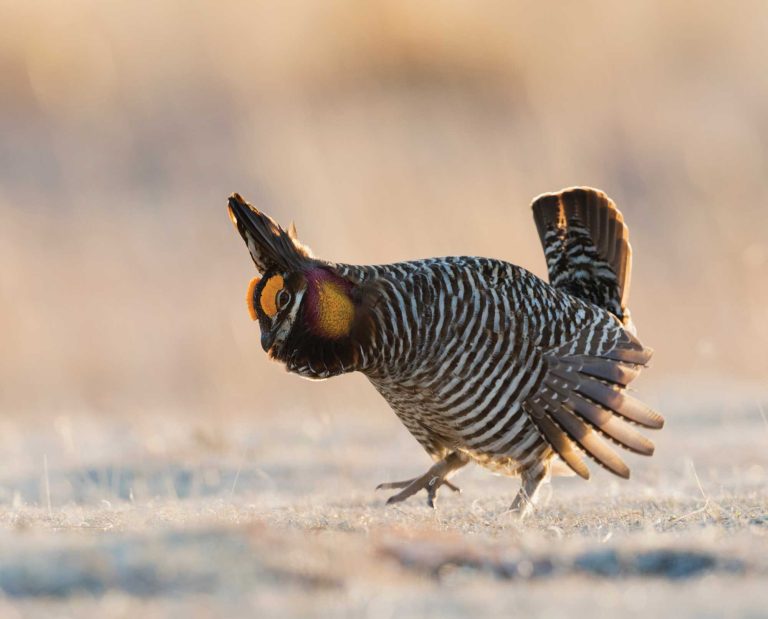
Credit: projectupland.com
Frequently Asked Questions
What Does “bird Blind” Mean In Conservation?
A bird blind is a shelter used by bird watchers. It hides observers to avoid disturbing birds. This helps in studying birds naturally and supports conservation efforts.
Are Bird Blinds Important For Bird Conservation?
Yes, bird blinds reduce human impact on bird habitats. They allow safe observation without stressing birds. This promotes healthy bird populations and conservation.
How Do Bird Blinds Aid Wildlife Preservation?
Bird blinds minimize human presence and disturbance. They protect nesting and feeding areas from disruption. This encourages birds to thrive and supports ecosystem balance.
Can Bird Blinds Improve Birdwatching Experiences?
Absolutely. Bird blinds provide close, quiet viewing spots. They enhance observation opportunities and foster appreciation for birds. This can increase public support for conservation.
Conclusion
Bird blindness does not usually affect conservation status directly. Conservation focuses on protecting species and habitats. Blind birds can still live and adapt in nature. They may face challenges but often survive well. Protecting all birds helps keep ecosystems balanced.
Conservation efforts support healthy environments for every species. Understanding bird blindness adds to better care and study. Every small step counts in saving wildlife. Awareness leads to stronger protection for birds and nature.