
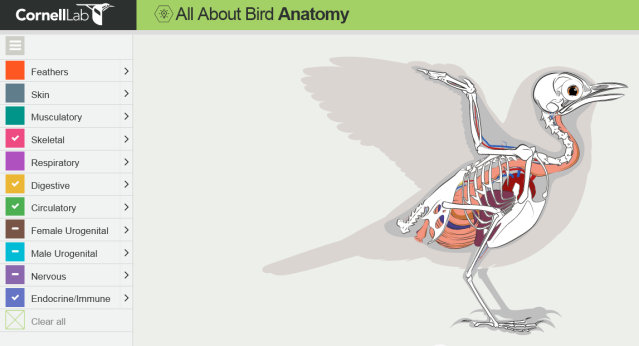
Have you ever wondered what makes birds so special when it comes to their bodies? Their anatomy is not just different—it’s truly unique.
From lightweight bones to feathers that help them soar, every part of a bird’s body is designed for a purpose. Understanding these amazing features can change the way you see birds forever. If you want to discover what sets birds apart from all other animals, keep reading.
Your curiosity is about to take flight!
Credit: smbasblog.com
Skeletal Adaptations
Birds have lightweight, hollow bones that help them fly. Their strong, fused bones give support and reduce weight for easy movement. This unique skeleton design sets birds apart from other animals.
In the world of birds, unique skeletal adaptations make flight possible. These adaptations set birds apart from other animals. Their bones are light yet strong, allowing them to soar through the skies.Lightweight Bones
Birds have hollow bones filled with air sacs. This structure reduces their body weight. It makes flying easier and more efficient. Despite being light, these bones are strong. They support the bird’s body during flight and landing.Fused Bones For Flight
Birds have certain bones fused together. This gives them a rigid frame. The fusion of bones like the collarbone, known as the furcula, helps in flight. It acts like a spring during wing flapping. This rigidity offers stability and strength during flight.Specialized Beak Structure
Birds have beaks instead of teeth. Their beak shape varies by diet and lifestyle. Some birds have long, slender beaks for nectar. Others have strong, hooked beaks for tearing meat. This specialization helps birds adapt to their environments. Their beaks are lightweight, aiding in their overall skeletal efficiency.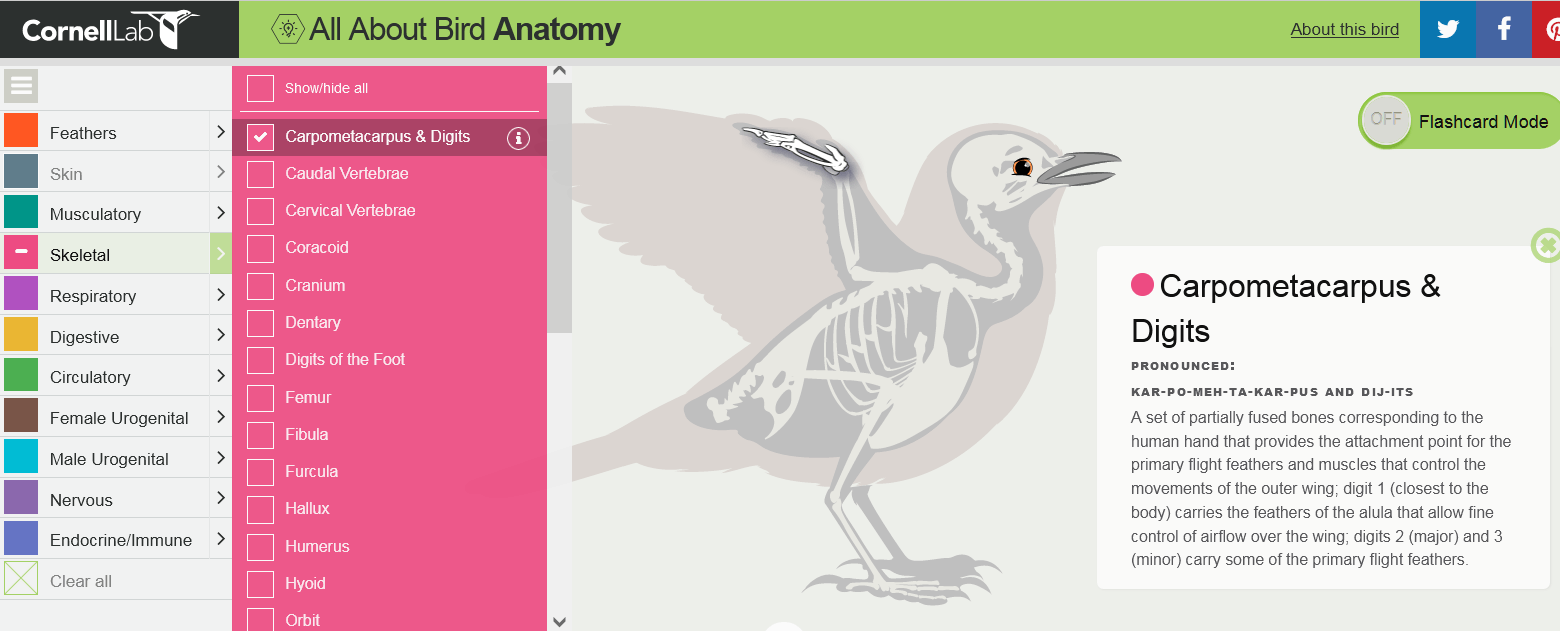
Credit: smbasblog.com
Feather Structure
Feathers are one of the most unique parts of bird anatomy. They cover the bird’s body, helping with flight, warmth, and protection. Each feather has a complex structure made of keratin, the same material as human hair and nails. This structure allows feathers to be both strong and light.
Feathers also have tiny hooks and barbs that lock together. This creates a smooth surface ideal for flying. The arrangement and type of feathers vary across bird species, reflecting their different lifestyles and environments.
Types Of Feathers
- Contour feathers:Cover the body and give birds their shape.
- Flight feathers:Found on wings and tail; essential for flying.
- Down feathers:Soft and fluffy; keep birds warm by trapping air.
- Semiplume feathers:Provide insulation and help with buoyancy in water birds.
- Filoplume feathers:Hair-like feathers that sense feather position.
Feather Growth And Molting
Feathers grow from follicles in the bird’s skin. Growth happens in cycles. Birds molt to replace old or damaged feathers. Molting can take weeks or months, depending on the species. During molting, birds may lose flight feathers in stages to avoid losing flying ability.
Color And Camouflage
Feather colors come from pigments and light reflection. Melanin produces browns and blacks, making feathers strong. Carotenoids create bright reds, oranges, and yellows. Structural colors cause blues and greens by bending light.
Many birds use feather colors for camouflage. Patterns and shades help them blend into their environment. This protects birds from predators and helps in hunting. Color also plays a role in attracting mates and signaling other birds.
Respiratory System
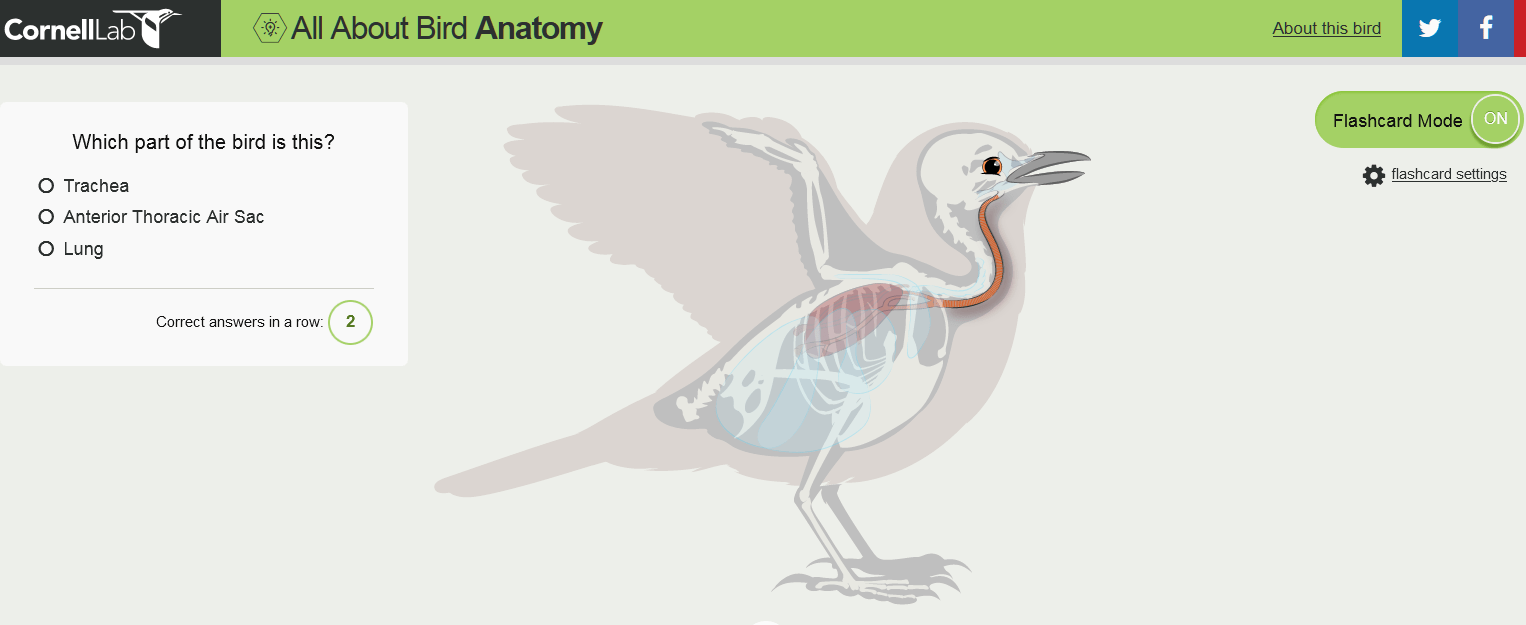
Birds have a unique respiratory system that supports their high energy needs. Their lungs work with a special set of air sacs. This system helps birds breathe efficiently during flight and rest. It also allows for continuous airflow, unlike the tidal breathing in mammals.
Air Sacs Function
Birds have up to nine air sacs connected to their lungs. These sacs do not help with oxygen exchange. Instead, they act like bellows to move air through the lungs. Air sacs store fresh air and old air separately. This keeps the lungs filled with fresh air during both inhaling and exhaling.
Efficient Oxygen Exchange
Bird lungs have tiny tubes called parabronchi. Air flows through these tubes in one direction only. This allows oxygen to pass into the blood more efficiently. Blood flows in the opposite direction to the air. This counter-current system maximizes oxygen extraction from the air. It helps birds stay active at high altitudes and during long flights.
Muscular System
The muscular system in birds is uniquely designed to support flight and complex movements. Birds rely on strong, efficient muscles to control wing beats and maintain balance. Their muscles are lightweight but powerful, allowing them to fly with agility and speed.
These muscles work in harmony with the bird’s skeleton and feathers. They provide the strength needed for takeoff, soaring, and landing. The arrangement of muscles also helps birds perform quick turns and precise maneuvers in the air.
Flight Muscles
Flight muscles are the largest and strongest in a bird’s body. The two main groups are the pectoralis and supracoracoideus muscles. The pectoralis muscle powers the downward wing stroke. It makes up about 15-20% of the bird’s total weight.
The supracoracoideus muscle controls the upward wing stroke. It is smaller but equally important. These muscles work in opposition to create smooth, continuous wing movement. Their shape and attachment to the wing bones maximize force and efficiency.
Muscle Arrangement For Movement
Bird muscles are arranged to reduce weight and increase strength. Many muscles are fused with bones, creating a rigid but lightweight frame. This design supports quick muscle contractions and fast wing beats.
Muscle fibers in birds are mostly fast-twitch, allowing rapid movement. The muscles also have a high number of mitochondria, providing energy for long flights. This combination helps birds sustain flight for hours without tiring.
- Muscles attach directly to bones for strong leverage.
- Muscle groups coordinate for smooth, precise motion.
- Lightweight muscles prevent excess body weight.
Digestive Adaptations
The digestive system of birds is uniquely designed to meet their energy needs and varied diets. Unlike mammals, birds have evolved specialized organs that help them process food efficiently and quickly. These adaptations allow them to thrive in diverse environments, from deserts to dense forests.
Crop And Gizzard
Birds have a crop, a storage pouch located in their throat, where food softens before digestion. This lets them eat quickly and digest later, which is handy if they need to escape predators fast.
The gizzard acts like a strong stomach with muscles that grind food, often with the help of small stones birds swallow. This grinding replaces teeth, breaking down hard seeds or tough plant material. Have you ever seen a bird swallowing pebbles? It’s not random; it’s a smart digestive trick.
Diet Variations
Birds’ digestive systems vary greatly depending on their diet. Carnivorous birds like hawks have shorter intestines for quick digestion of meat, while herbivores like pigeons have longer intestines to extract nutrients from plants.
Omnivorous birds show flexibility in their digestive tracts, allowing them to switch between seeds, insects, and fruit. This adaptability can be a key survival advantage when food sources change seasonally. What does your local bird’s diet tell you about its habitat?
Sensory Abilities
Birds rely heavily on their sensory abilities to survive and thrive in diverse environments. Their senses are finely tuned to detect subtle changes in their surroundings, helping them find food, avoid predators, and navigate vast distances. Understanding these senses reveals how uniquely adapted birds are to their way of life.
Vision And Color Perception
Birds have extraordinary vision that often surpasses human capability. Many species can see ultraviolet light, which is invisible to us, allowing them to spot prey or mates more easily.
Unlike human eyes, bird eyes contain more types of color receptors. This means they can perceive a wider range of colors and subtle differences in shades. Imagine being able to see patterns on flowers or feathers that are completely hidden from your view—this advantage helps birds in selecting food and partners.
Hearing And Balance
Birds have acute hearing that helps them detect faint sounds from far away. Some owls, for example, can pinpoint the exact location of a mouse rustling under leaves, even in complete darkness.
Balance is crucial for flight, and birds have a specialized inner ear structure that helps with this. You might have noticed how effortlessly a hummingbird hovers or how smoothly an eagle glides—this precision comes from their advanced sense of balance.
Reproductive Features
Bird reproductive features stand out because they have adapted over millions of years to ensure the survival of their species in various environments. These features include not only the physical characteristics of their eggs but also the behaviors surrounding nesting and raising their young. Understanding these aspects can change how you view the natural world and the complexity of bird life.
Unique Egg Characteristics
Bird eggs are marvels of nature, designed for protection and development. Their shells are made of calcium carbonate, providing a hard but breathable barrier that allows oxygen in while keeping harmful bacteria out.
Egg colors and patterns vary widely across species. Some eggs blend perfectly with their surroundings, while others have bright spots or colors. This helps protect them from predators or signals health and vitality to potential mates.
Have you ever noticed how some eggs are more pointed at one end? This shape prevents them from rolling away from the nest, especially on cliffs or uneven surfaces. It’s a simple but powerful adaptation that keeps the future generation safe.
Nesting Behaviors
Nests aren’t just simple structures; they reflect a bird’s environment, needs, and creativity. Some birds build intricate nests high in trees, while others create simple scrapes on the ground.
Birds use a wide range of materials for their nests—from twigs and leaves to feathers and even human-made items like string or plastic. This shows their ability to adapt and make use of available resources.
Parental care varies greatly. Some species share the responsibility equally, while others leave the mother or father to care for the eggs and chicks alone. Watching these behaviors can teach you about teamwork and dedication in the animal kingdom.
Flight Mechanics
Flight mechanics reveal the incredible ways birds use their bodies to navigate the skies. Their anatomy is perfectly adapted to create lift, control direction, and manage energy during flight. Understanding these mechanics helps you appreciate the complexity behind every flap and glide.
Wing Shapes And Functions
Bird wings come in many shapes, each designed for a specific flight style. Long, narrow wings like those of albatrosses help with soaring over oceans without much effort. Short, rounded wings seen in sparrows allow for quick takeoffs and sharp turns in dense forests.
Think about your own experiences flying a paper plane. Changing the wing shape affects how far and fast it flies. Birds do this naturally—adjusting wing shape mid-flight to suit their needs.
- Slotted wings:Found in eagles, they reduce air turbulence and increase lift.
- High aspect ratio wings:Seen in swifts, perfect for fast, sustained flight.
- Elliptical wings:Provide excellent maneuverability but less speed.
Takeoff And Landing Techniques
Takeoff and landing are the most energy-intensive parts of bird flight. Birds use powerful leg muscles to launch themselves into the air, often pushing off from a perch or the ground. Some, like ducks, need a running start on water to gain enough speed for takeoff.
Landing requires precise control to avoid injury. Birds slow down by spreading their wings wide and using their tail feathers like brakes. You might notice how a pigeon’s tail fans out as it approaches a ledge—this helps it land smoothly.
Have you ever tried to catch a flying object? Notice how timing and angle make all the difference. Birds master this every time they land, showing a remarkable coordination between their wings, tail, and legs.

Credit: www.reddit.com
Frequently Asked Questions
What Makes Bird Skeletons Unique?
Bird skeletons are lightweight and strong. Their bones are hollow with air sacs. This reduces weight for flight without losing strength. The fusion of some bones adds stability and support during flying.
How Do Bird Feathers Differ From Other Animals?
Bird feathers are specialized for flight, insulation, and waterproofing. They are made of keratin and grow in distinct patterns. Feathers are lightweight yet strong, allowing birds to glide and maneuver efficiently.
Why Do Birds Have A Unique Respiratory System?
Birds have air sacs connected to their lungs. This system allows continuous airflow and efficient oxygen exchange. It supports high metabolism needed for flight and helps birds stay active for long periods.
How Is The Bird’s Digestive System Adapted For Flight?
Birds have a fast and efficient digestive system. They have a crop for food storage and a gizzard for grinding. This system quickly processes food, providing energy needed for flight without excess weight.
Conclusion
Bird anatomy shows many special features that help birds fly and survive. Their lightweight bones and strong muscles make flight possible. Feathers not only aid flying but also keep birds warm and dry. The unique respiratory system supports high energy needs.
Sharp eyesight helps birds spot food from far away. These traits work together in perfect harmony. Understanding bird anatomy reveals how nature creates amazing creatures. It reminds us of the wonders found in the natural world. Birds remain a fascinating subject for science and curiosity alike.