

Finding the best bird field guide helps you identify birds quickly and enjoy birdwatching more. A good guide offers clear pictures, simple descriptions, and useful tips.
Birdwatching brings joy and a deeper connection to nature. Choosing the right field guide makes it easier to learn bird names and habits. Many guides cover different regions, like Eastern or Western North America, with detailed illustrations and easy-to-read maps.
Some popular guides include Peterson, Sibley, Kaufman, and National Geographic editions. They suit beginners and experienced birders alike. Whether you want to spot common backyard birds or rare species, a reliable guide supports your adventure. This post reviews top bird field guides to help you pick the perfect one for your needs. Get ready to explore the bird world with confidence and fun.
Peterson Field Guide To Birds Of Eastern & Central North America
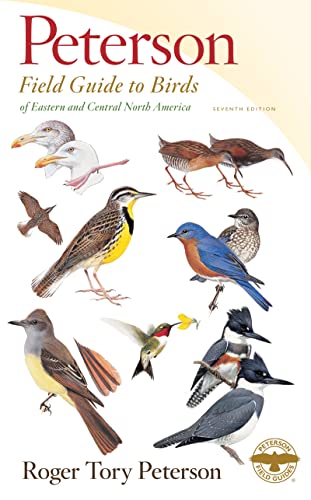
The Peterson Field Guide To Birds Of Eastern & Central North America, Seventh Ed. is ideal for both novice and experienced birdwatchers seeking a comprehensive and reliable resource for identifying birds across Eastern and Central North America. If you enjoy outdoor activities like hiking, birding, or nature study, this field guide offers essential tools to enhance your bird identification skills. Its detailed illustrations and organized layout make it perfect for anyone looking to deepen their understanding of regional bird species.
Pros:
- Contains over 392 pages of detailed bird descriptions and illustrations
- Compact dimensions (8.25 x 5.25 x 1 inch) make it easy to carry in the field
- Provides clear identification tools to distinguish similar species
- Published by the reputable Mariner Books brand with the latest updates from the seventh edition
- Includes both visual and textual information for comprehensive learning
Cons:
- At just over 1.26 pounds, it may be slightly heavy for ultralight packing
- Some users may find the detailed content overwhelming without prior birding experience
This edition of the Peterson Field Guide stands out due to its meticulous attention to detail in bird illustrations and descriptions, allowing users to quickly differentiate between similar species. The guide’s user-friendly organization and field-friendly size make it convenient for on-the-go reference, whether you are in a backyard or a remote natural setting. Additionally, its thorough coverage of Eastern and Central North American birds ensures that enthusiasts have access to the most relevant and up-to-date identification information.
Beyond identification, the guide offers valuable insights into bird behavior, habitat, and seasonal variations, enriching the overall birdwatching experience. The combination of visual aids and descriptive text not only helps in spotting birds but also fosters a deeper appreciation for avian diversity. Whether you are a casual observer or a serious ornithologist, this field guide enhances both knowledge and enjoyment during outdoor adventures.
Field Guide Of All The Birds We Found One Year In The United States

The Field Guide of All the Birds We Found One Year in the United States is ideal for avid bird watchers, nature enthusiasts, and anyone interested in expanding their knowledge of American bird species. Whether you are a beginner eager to learn about local birds or an experienced birder looking for a comprehensive reference, this guide offers valuable insights and detailed information to enhance your outdoor adventures.
Pros:
- Comprehensive coverage of bird species found throughout the United States
- Compact and portable size with dimensions of 8.0 inches by 5.0 inches, perfect for field use
- Contains 223 pages filled with detailed descriptions and illustrations
- Authored by expert Quentin Reiser, ensuring reliable and well-researched content
- Publication date in 2025 guarantees up-to-date information
Cons:
- Limited thickness (0.51 inches) may mean fewer in-depth details compared to larger guides
- Primarily focused on birds found within one year, which might not include rare or less common species
This field guide features a thoughtfully organized layout that makes identifying birds in various habitats easy and enjoyable. The compact dimensions make it convenient to carry during hikes or birdwatching trips, allowing users to quickly reference key information without carrying bulky materials. Its detailed illustrations and descriptions help users recognize species by appearance, song, and behavior, enhancing the overall birdwatching experience.
Authored by Quentin Reiser, the guide reflects expert knowledge and a passion for ornithology, making it a trustworthy resource for both novices and seasoned birders. The up-to-date publication ensures that readers have access to the latest findings and species information, which is crucial for accurate identification and understanding of bird populations across the United States. Overall, this guide combines practicality with depth, making it a valuable companion for anyone interested in the rich avian diversity of the country.
The Sibley Guide To Birds

The Sibley Guide to Birds, 2nd Edition is ideal for birdwatchers, nature enthusiasts, and ornithologists seeking a comprehensive and reliable resource for bird identification. Whether you are a beginner eager to learn more about North American birds or an experienced birder looking to enhance your field knowledge, this guide offers detailed information and vivid illustrations to support your passion.
Pros:
- Contains 624 pages of detailed bird descriptions and illustrations.
- Published by reputable Knopf with high-quality printing and design.
- Convenient dimensions and weight for easy carrying during outdoor excursions.
- Updated 2nd edition with the latest bird identification information.
- Features clear and accurate color illustrations to assist with quick recognition.
Cons:
- Slightly heavy compared to smaller pocket guides, which may be cumbersome for some users.
- Primarily focused on North American birds, which limits its use for birders in other regions.
- The extensive content might be overwhelming for absolute beginners without prior birdwatching experience.
This guide stands out due to its rich, detailed content and vivid illustrations that bring bird species to life. The 624 pages encompass a vast variety of species, offering detailed descriptions of plumage, behavior, and habitat. This depth allows users to identify birds with confidence and learn about their ecological roles, making the guide both educational and practical. Its sturdy design and dimensions make it suitable for carrying into the field, ensuring that birders have a reliable reference wherever they go.
The 2nd edition reflects updated taxonomy and incorporates new species and subspecies, maintaining the guide’s status as a current and trusted resource. The high-quality color illustrations not only aid in identification but also enhance the overall user experience by providing a visually engaging reference. For enthusiasts eager to deepen their understanding of birds or professionals requiring a dependable field guide, the Sibley Guide to Birds, 2nd Edition offers an excellent balance of detail, accuracy, and usability.
Kaufman Field Guide To Birds Of North America

The Kaufman Field Guide to Birds of North America Hardcover by Kenn Kaufman is ideal for birdwatchers, nature enthusiasts, and anyone interested in identifying and learning about the diverse bird species across North America. Whether you are a beginner or an experienced birder, this comprehensive and beautifully illustrated guide provides valuable insights to enhance your birding experience.
Pros:
- Comprehensive coverage of North American bird species with detailed descriptions
- High-quality, full-color illustrations that aid in accurate identification
- Durable hardcover format ideal for field use
- Compact dimensions (7.5 x 4.75 x 1.0 inches) and lightweight (1.04 pounds) for easy portability
- Authored by renowned bird expert Kenn Kaufman, ensuring credible information
- Includes 392 pages filled with rich information and visual aids
Cons:
- Publication date (2005) may mean some recent bird species or subspecies are not included
- The hardcover format, while durable, might be less convenient than a paperback for some users
The Kaufman Field Guide to Birds of North America combines expert knowledge with vivid illustrations to make bird identification both accessible and enjoyable. Each bird entry includes detailed descriptions of physical characteristics, behaviors, and habitats, which help users quickly distinguish species even in challenging environments. The guide’s high-quality multicolor illustrations bring each bird to life, making it easier for users to match sightings with images. Its compact and sturdy hardcover design ensures it can withstand outdoor adventures without compromising portability.
This field guide is not only a valuable tool for identification but also enriches the user’s understanding of bird ecology and behavior. By providing clear, well-organized information, it supports both casual birders and serious enthusiasts in expanding their knowledge. Whether used during hikes, birdwatching trips, or as a reference at home, the Kaufman guide offers practical benefits that enhance the overall birding experience.
Peterson Field Guide To Birds Of North America
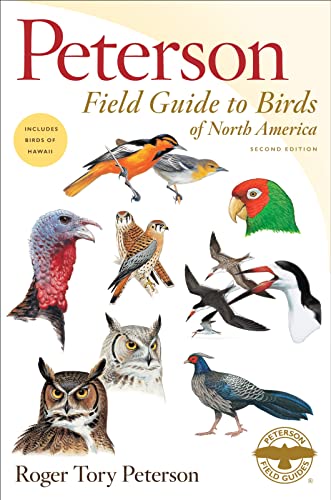
The Peterson Field Guide To Birds Of North America, Second Edition is ideal for both amateur bird watchers and seasoned ornithologists who seek a comprehensive and reliable resource for bird identification. This guide is perfect for nature enthusiasts who want to enhance their bird observation experience across the diverse habitats of North America.
Pros:
- Extensive coverage with detailed descriptions of over 800 species
- Compact and portable dimensions suitable for field use
- High-quality illustrations and photographs for accurate identification
- Updated second edition with the latest taxonomy and range information
- Durable binding and well-organized layout for ease of use
Cons:
- Heavier than some other field guides, which may affect portability
- Large number of pages (520) can be overwhelming for beginners
The Peterson Field Guide To Birds Of North America offers an impressive array of features designed to aid in bird identification and observation. Its detailed species accounts include information on bird behavior, habitat, and vocalizations, providing users with a holistic understanding of each bird. The guide’s size, measuring 9.25 inches in height and 6.0 inches in length, strikes a balance between portability and readability, making it convenient for outdoor use without sacrificing detail.
Published by Mariner Books in its second edition, this guide incorporates the latest scientific updates, ensuring that users have access to current data. The inclusion of vivid illustrations alongside photographs helps users distinguish subtle differences among species, enhancing the accuracy of their observations. Whether you are on a casual walk or a serious birding expedition, this definitive resource supports your passion by making bird identification both accessible and enjoyable.
National Geographic Field Guide To The Birds Of The United States And Canada

The National Geographic Field Guide to the Birds of the United States and Canada, 8th edition is ideal for bird enthusiasts, amateur ornithologists, and nature lovers who want a comprehensive and reliable resource for identifying and learning about birds across North America. Whether you are a beginner or an experienced birder, this guide offers detailed information and vivid illustrations to enhance your birdwatching experience.
Pros:
- Comprehensive coverage of birds found in the United States and Canada with over 590 pages.
- High-quality, full-color illustrations that help with accurate bird identification.
- Compact and portable size (8.99 x 6.06 inches) making it easy to carry in the field.
- Published by the reputable National Geographic, ensuring authoritative content.
- Updated 8th edition reflecting the latest bird species and taxonomy changes.
Cons:
- At 0.81 pounds, it may be slightly heavier compared to smaller pocket guides.
- The extensive detail might be overwhelming for casual birdwatchers seeking a simpler guide.
This field guide features detailed descriptions and vibrant illustrations that make identifying birds easier in their natural habitats. The 8th edition includes up-to-date species information and covers variations across regions, helping users understand bird behavior and habitats better. The durable, multicolor design ensures that the guide remains a long-lasting companion on birdwatching trips.
The benefits of this guide extend beyond identification; it educates users on bird conservation and ecology, fostering a deeper appreciation of nature. Its thoughtfully organized format allows quick reference in the field, making it an indispensable tool for both casual and serious birders. The combination of expert knowledge and visual aids greatly enhances the overall birdwatching experience.
The Sibley Field Guide To Birds Of Eastern North America

The Sibley Field Guide to Birds of Eastern North America: Second Edition is perfect for bird enthusiasts, nature lovers, and beginners looking to deepen their knowledge of avian species in the eastern regions of North America. Ideal for both casual bird watchers and serious ornithologists, this guide offers detailed information that helps users identify and learn about a wide variety of birds with ease.
Pros:
- Comprehensive coverage with detailed illustrations and descriptions of over 700 bird species.
- Compact and lightweight design, making it easy to carry during outdoor excursions.
- Updated second edition includes the latest taxonomic changes and improved identification tips.
- Durable white cover with high-quality printing ensures longevity and readability in the field.
- 464 pages packed with valuable information including habitat, behavior, and range maps.
Cons:
- Some users may find the size a bit bulky for very light travel or pocket use.
- The extensive detail might be overwhelming for absolute beginners without prior birding experience.
The Sibley Field Guide to Birds of Eastern North America: Second Edition offers an exceptional combination of detailed artwork and comprehensive species accounts that allow users to quickly and accurately identify birds. The guide’s precise illustrations highlight distinguishing features which are critical for differentiating similar species. This makes it an invaluable tool for anyone spending time outdoors, whether in forests, wetlands, or urban parks.
Additionally, the guide’s updated taxonomy and range maps reflect the latest scientific research, ensuring that users have access to current and reliable information. Its size and weight are thoughtfully balanced to provide a portable yet thorough reference, supporting bird watchers on all their adventures. Overall, this field guide stands out as a trusted companion for enhancing bird identification skills and deepening appreciation of North America’s diverse birdlife.
North American Bird Watching For Beginners

Ideal for beginner bird watchers and nature enthusiasts, North American Bird Watching for Beginners: Field Notes on 150 Species to Start Your Birding Adventures is perfect for those eager to explore the diverse avian life across North America. Whether you are just starting out or looking to deepen your knowledge, this guide offers accessible and engaging content tailored for novices.
Pros:
- Comprehensive coverage of 150 common bird species for easy identification
- Compact and lightweight design makes it convenient for outdoor use
- Clear, concise descriptions with helpful field notes enhance learning
- Published by Callisto in 2022, ensuring up-to-date information
- 176 pages filled with practical tips and bird watching advice
Cons:
- Limited to North American species, not suitable for global bird watchers
- May lack detailed photographs compared to more advanced guides
The book’s dimensions, at 8.5 inches in height and 5.5 inches in length, paired with its lightweight construction of just under 0.66 pounds, make it an ideal companion for field trips. This portability allows users to carry it comfortably during hikes or casual walks, encouraging hands-on learning in natural environments. The 176 pages are thoughtfully organized to provide essential information without overwhelming beginners, focusing on clear descriptions and practical identification tips.
Each species is presented with engaging field notes that highlight distinctive features, habitats, and behaviors, empowering readers to recognize birds quickly and confidently. The guide’s user-friendly format supports an enjoyable learning experience, fostering a deeper appreciation for bird watching as a rewarding outdoor activity. Overall, this book bridges the gap between curiosity and expertise for newcomers eager to embark on their birding adventures.
Sibley Birds West

The Sibley Birds West: Field Guide to Birds of Western North America (Sibley Guides) is ideal for birdwatchers, nature enthusiasts, and wildlife photographers who focus on the western regions of North America. Whether you are a beginner wanting to identify local bird species or an experienced birder seeking a comprehensive reference, this guide offers detailed information tailored to your needs.
Pros:
- Comprehensive coverage of bird species found in Western North America
- High-quality illustrations and detailed descriptions
- Portable size with dimensions of 7.7 x 4.7 x 1.2 inches and lightweight design
- Second edition with updated and expanded content
- Durable white cover by reputable publisher Knopf
- Extensive 504 pages providing in-depth knowledge
Cons:
- May be too detailed for casual birdwatchers seeking a simple guide
- Relatively heavier compared to pocket-sized guides at 1.45 pounds
- Publication date from 2016 may miss the most recent bird population changes
The Sibley Birds West guide boasts meticulously crafted illustrations that help users accurately identify birds in their natural habitats. Its detailed species descriptions, including behavior, habitat, and vocalizations, provide invaluable insights that enhance the birdwatching experience. The compact yet substantial size ensures users can carry it comfortably during outdoor excursions without sacrificing essential information.
With 504 pages, this second edition offers updated content curated by the trusted brand Knopf. Its white cover and sturdy build guarantee durability in various field conditions. By investing in this guide, users gain a reliable companion that enriches their understanding of Western North American birdlife, making each birdwatching trip more rewarding and educational.
National Audubon Society Field Guide To North American Birds

The National Audubon Society Field Guide to North American Birds, Western Region is ideal for bird watchers, nature enthusiasts, and outdoor adventurers who want a comprehensive and reliable resource to identify and learn about birds in the western part of North America. Whether you are a beginner or an experienced birder, this guide is designed to enhance your birding experience with detailed information and vivid illustrations.
Pros:
- Contains over 822 pages of detailed bird descriptions and illustrations.
- Revised edition ensures updated and accurate information.
- Compact and portable size with dimensions of 7.74 x 4.11 x 1.39 inches and weighing just over 1.3 pounds.
- Produced by the reputable Knopf brand and manufacturer.
- Features clear color illustrations and useful identification tips for easy bird spotting.
Cons:
- Publication date of 1994 means some information might be slightly outdated compared to newer guides.
- The thickness and weight may be a bit cumbersome for ultra-light backpacking.
This field guide offers an extensive collection of bird species found in the western regions of North America, making it an essential tool for identifying birds in their natural habitats. The detailed illustrations and comprehensive descriptions help users distinguish between similar species with ease. Its durable design makes it suitable for outdoor use, ensuring it can withstand the rigors of fieldwork.
The guide’s well-organized layout allows users to quickly find birds by family, color, and habitat, enhancing the overall birding experience. With updated scientific names and behavioral details, this guide not only aids identification but also deepens the user’s understanding of bird ecology and habits. Its portability makes it convenient to carry on hikes, birdwatching trips, or outdoor excursions.
Frequently Asked Questions
What Is The Best Field Guide For Eastern North American Birds?
The Peterson Field Guide to Birds of Eastern & Central North America is highly recommended. It offers detailed identification tools and covers a wide range of species, making it ideal for birdwatchers in that region.
Which Guide Is Best For Beginners In North American Birdwatching?
North American Bird Watching for Beginners provides easy-to-understand field notes on 150 species. It’s perfect for new birders starting their birding adventures with clear, concise information.
How Does The Sibley Guide To Birds Differ From Others?
The Sibley Guide to Birds features detailed illustrations and comprehensive species coverage. Its second edition improves identification accuracy, making it a favorite among serious birdwatchers.
Which Guide Covers Birds Found Throughout The United States?
Field Guide of All the Birds We Found One Year in the United States offers a broad overview. It’s useful for birders seeking to identify species nationwide.
Are National Geographic And Audubon Guides Reliable For Bird Id?
Yes, both the National Geographic Field Guide and National Audubon Society Field Guide are trusted resources. They provide extensive species information and reliable identification tips for various regions.
What Makes Kaufman Field Guide To Birds Of North America Unique?
Kaufman’s guide uses detailed photographs and clear text for easy identification. Its hardcover format and user-friendly layout help birders quickly find and recognize species in the field.
Conclusion
Choosing the right bird field guide makes birdwatching easier and more fun. Each guide offers unique features and covers different regions. Some focus on eastern or western North America, while others include all U. S. birds. Many guides have clear pictures and simple descriptions.
This helps you identify birds quickly. Beginners and experienced birders will find useful tips in these books. Carrying a good guide in the field boosts your confidence and knowledge. Take time to explore a few options before deciding. The best guide is the one that fits your needs and helps you enjoy birdwatching more.
Happy birding!