

Choosing the best names for a bird can be both fun and meaningful. A good name reflects the bird’s nature, look, or history.
Bird names come from many sources, including science, culture, and humor. Books like *The Bird Name Book* explore how English bird names developed over time. Some guides, such as *Bird Names & Their Looks*, make learning about birds creative and enjoyable.
Others add humor, like *The Field Guide to Dumb Birds of North America*, which shows quirky bird names. Scientific names also tell stories, as explained in *A Dictionary of Scientific Bird Names* and *Latin for Bird Lovers*. Knowing a bird’s name helps us connect with nature and appreciate its uniqueness. This collection of bird name books offers a wide range of ideas for naming your feathered friend.
The Bird Name Book

The ideal customer for The Bird Name Book: A History of English Bird Names is anyone with a passion for ornithology, linguistics, or English cultural history. This book is perfect for bird watchers, students, researchers, and history enthusiasts who want to explore the fascinating origins and meanings behind the names of English birds. It offers a unique perspective that combines nature with language, making it a valuable addition to any bird lover’s collection.
Pros:
- Comprehensive 416-page volume providing detailed historical insights.
- Published by the reputable Princeton University Press, ensuring quality and accuracy.
- Compact dimensions (9.75 x 6.75 x 1.25 inches) make it easy to handle and store.
- Offers a unique blend of ornithology and linguistic history, appealing to diverse interests.
- Well-researched content ideal for both casual readers and academic use.
Cons:
- At a weight of over 2 pounds, it might be slightly heavy for extended reading sessions.
- Publication date in 2022 means it may not include the very latest bird name discoveries or changes.
- Focused specifically on English bird names, which may limit appeal for international bird enthusiasts.
The Bird Name Book stands out by delving deep into the etymology and history of bird names in England, offering readers a rich understanding beyond simple identification. Its detailed explanations bring to life the cultural and historical significance embedded in each name, enriching the bird-watching experience with layers of meaning. The book’s thorough research and engaging narrative style make it an enlightening read for both experts and newcomers alike.
Additionally, the book’s format and physical size make it a practical reference tool. Whether used at home, in a classroom, or out in the field, its sturdy construction and manageable dimensions allow for easy portability. Readers benefit from a resource that not only educates but also inspires curiosity about the natural world and the stories behind its names.
Bird Names & Their Looks

The book Bird Names & Their Looks: A Fun And Creative Way To Learn About Bird Names is ideal for bird enthusiasts, young learners, and educators who want to introduce the fascinating world of birds in an engaging and accessible manner. Whether you are a beginner looking to expand your knowledge or a parent seeking an educational tool for children, this book offers a delightful way to connect with nature through vivid illustrations and easy-to-understand content.
Pros:
- Compact size with dimensions of 8.5 x 8.5 x 0.09 inches, making it easy to carry and handle.
- Lightweight at 0.28 pounds, perfect for travel or outdoor learning sessions.
- Contains 38 pages filled with creative visuals and informative descriptions.
- Published by an independent publisher ensuring unique and original content.
- Released recently on February 27, 2025, featuring up-to-date information and illustrations.
Cons:
- Limited page count may not cover an exhaustive list of bird species.
- May be too simplistic for advanced bird watchers seeking detailed scientific information.
This book stands out by combining visual appeal with educational value, making it easier for users to remember bird names and recognize their distinctive features. The creative approach ensures that learning is not just informative but also enjoyable, helping to foster a deeper interest in ornithology among readers of all ages. Its compact design and light weight enhance convenience, allowing it to be a handy companion during nature walks or classroom activities.
Additionally, the use of high-quality illustrations and straightforward descriptions supports quick learning and retention. Readers can benefit from the clear presentation of each bird’s appearance alongside its name, bridging the gap between visual cues and vocabulary acquisition. Overall, Bird Names & Their Looks provides a fun, practical, and approachable resource for anyone looking to explore the avian world with enthusiasm and creativity.
The Field Guide To Dumb Birds Of North America

Ideal for bird lovers, nature enthusiasts, and anyone with a sense of humor, The Field Guide to Dumb Birds of North America is perfect for those who enjoy lighthearted yet informative reads about wildlife. If you appreciate a fun twist on traditional bird guides, this book by Chronicle Books offers a unique take that combines both education and entertainment.
Pros:
- Engaging and humorous writing style that makes bird watching fun
- Compact size with dimensions of 6.95 x 5.1 x 0.75 inches, making it easy to carry on outdoor adventures
- Contains 176 pages filled with witty descriptions and illustrations
- Published by a reputable brand, Chronicle Books, ensuring quality content
- Great gift idea for bird lovers and those new to birdwatching
Cons:
- Humorous tone may not appeal to serious ornithologists seeking detailed scientific information
- Focuses mainly on North American birds, limiting its use for international birdwatchers
The Field Guide to Dumb Birds of North America stands out with its playful approach to bird identification. Unlike traditional bird books that emphasize technical details, this guide uses humor to engage readers, making it a delightful companion for casual birdwatchers. Its compact dimensions and lightweight design make it convenient to bring along on hikes or trips, ensuring that readers can enjoy learning about birds anytime and anywhere.
Featuring 176 pages of cleverly illustrated birds and witty commentary, this book offers both entertainment and insight. While it may not replace a scientific field guide, it enhances the birdwatching experience by encouraging curiosity and laughter. Whether you’re gifting it to a friend or adding it to your own collection, it provides a fresh perspective on the avian world in North America.
A Dictionary Of Scientific Bird Names
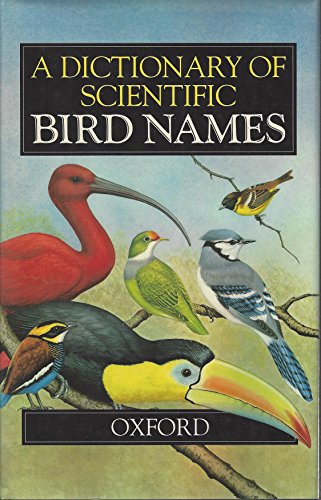
A Dictionary of Scientific Bird Names is ideal for ornithologists, birdwatchers, biology students, and anyone passionate about avian species who wishes to deepen their understanding of the scientific nomenclature of birds. This reference book serves as a valuable tool for those who want to accurately identify and learn the meaning behind the Latin and Greek names used in bird classification.
Pros:
- Comprehensive coverage of scientific bird names with clear explanations.
- Published by the reputable Oxford University Press, ensuring authoritative content.
- Compact and lightweight design with dimensions 8.81 x 5.75 x 0.889 inches, making it easy to carry.
- First edition with 302 pages, providing detailed and well-organized information.
- Useful for both academic study and casual reference in the field.
Cons:
- Publication date of 1992 means some scientific names might be outdated.
- Limited to scientific names, so it may not include common names or detailed bird descriptions.
- Physical book format may be less convenient compared to digital resources for some users.
This dictionary offers an in-depth look into the etymology and meaning of scientific bird names, making it an essential resource for anyone invested in ornithology. The detailed explanations help users appreciate the origins of bird names, which often reflect characteristics, behaviors, or the regions where the birds are found. By understanding these names, users can enhance their bird identification skills and scientific knowledge.
The book’s manageable size and weight make it portable for field use, while its status as a first edition from Oxford University Press adds to its credibility and scholarly value. Although it was published in 1992, its well-organized content remains relevant for foundational learning and reference. Overall, this dictionary bridges the gap between scientific terminology and practical birdwatching, offering benefits for both professionals and enthusiasts alike.
Tits, Boobies And Loons: Are Ornithologists Ok?

Ideal for bird enthusiasts, humor lovers, and anyone curious about the quirky side of ornithology, Tits, Boobies and Loons: ARE ORNITHOLOGISTS OK? is a perfect pick. This 2022 humorous bird identification book offers a lighthearted look at some of the most weird and wonderful birds, making it great for both casual readers and serious bird watchers who appreciate a bit of fun.
Pros:
- Engaging and funny writing style that makes bird identification entertaining
- Compact and portable size with dimensions of 7.13 x 0.75 x 5.28 inches, easy to carry on outings
- Published by reputable HarperCollins, ensuring quality content
- Contains 128 pages filled with unique bird facts and humorous insights
- Great for gifts and sparking interest in ornithology among all age groups
Cons:
- May not be suitable for readers seeking a serious, scientific field guide
- Limited in-depth coverage due to its focus on humor and brevity
- Publication date (2022) means it might not include the very latest ornithological discoveries
Tits, Boobies and Loons combines humor with bird identification, making ornithology approachable and fun. Its witty commentary and playful take on bird names and behaviors help readers remember species in an enjoyable way. The book’s compact size and lightweight design make it ideal for carrying on hikes or birdwatching trips without added bulk.
Besides its entertaining approach, this book serves as a conversation starter for those new to birdwatching or looking to deepen their appreciation for avian diversity. The engaging format encourages readers to explore nature with curiosity and laughter, turning what could be a dry subject into an amusing adventure. Overall, it’s a delightful addition to any bird lover’s collection, balancing education with entertainment.
Knowing The Name Of A Bird

The Knowing the Name of a Bird book is ideal for bird enthusiasts, nature lovers, and young readers who are eager to expand their knowledge about different bird species. Whether you are a beginner in bird watching or looking for an educational and beautifully illustrated guide to enhance your understanding, this book offers a perfect blend of information and visual appeal.
Pros:
- Compact size with dimensions of 12.15 inches height and 9.35 inches length, making it easy to carry during outdoor excursions.
- Produced by Creative Editions, ensuring quality content and presentation.
- Contains 32 illustrated pages that vividly showcase various bird species, aiding in easier identification.
- Lightweight at just over 1.1 pounds, suitable for readers of all ages.
- Published recently in August 2020, featuring up-to-date information.
Cons:
- Limited to 32 pages, which may not cover all bird species comprehensively.
- Focuses primarily on identification, with less in-depth information about bird behavior or habitat.
This illustrated edition by Creative Editions stands out for its visually engaging content that helps readers quickly learn and recognize the names of various birds. The book’s compact design and lightweight nature make it an excellent companion for field trips or casual reading sessions. Its clear, colorful illustrations not only attract attention but also aid in memorization and identification, enhancing the overall learning experience.
Additionally, the book’s recent publication date in 2020 ensures that readers receive relevant and accurate information, which is essential for educational purposes. While it offers a concise overview perfect for beginners or younger audiences, those seeking more detailed ornithological insights might find the content somewhat limited. Nevertheless, Knowing the Name of a Bird is a valuable resource for anyone looking to deepen their appreciation and knowledge of birds in an accessible and enjoyable format.
Latin For Bird Lovers

The book Latin for Bird Lovers: Over 3,000 Bird Names Explored and Explained is ideal for avid bird watchers, ornithologists, and nature enthusiasts who want to deepen their understanding of bird names and their Latin origins. Whether you are a beginner curious about bird identification or a seasoned expert looking to expand your knowledge, this bilingual edition offers a comprehensive resource that bridges language and natural history.
Pros:
- Contains over 3,000 bird names thoroughly explored and explained, enhancing learning.
- Bilingual edition supports both Latin and English, making it accessible for diverse readers.
- Published by Timber Press, ensuring reliable and high-quality content.
- Compact dimensions (Height: 9.25 Inches, Width: 0.9375 Inches, Length: 6.9375 Inches) make it easy to carry during outdoor excursions.
- Well-structured with 224 pages, providing detailed yet manageable reading material.
Cons:
- Publication date from 2014 may mean some recent bird discoveries or taxonomic updates are not included.
- Weight of approximately 1.55 pounds may be slightly heavy for those seeking an ultra-light field guide.
- Focus on Latin names might be overwhelming for casual bird watchers unfamiliar with scientific terminology.
This book stands out by offering an extensive exploration of bird names through the lens of Latin, making it a unique tool for understanding the etymology and classification of birds. The bilingual format allows readers to bridge the gap between scientific language and common knowledge, enriching their appreciation of bird species across different cultures and regions. Users benefit from clear explanations that make complex Latin nomenclature accessible and engaging.
Additionally, the thoughtfully designed dimensions and durable build cater to practical use in the field, allowing bird lovers to carry it along during birdwatching trips. The detailed descriptions and broad coverage support both educational and recreational interests, helping readers identify and remember bird names with confidence. Overall, this book is a valuable addition to any bird enthusiast’s collection, combining scholarly depth with user-friendly presentation.
Birds What’s In A Name?

The book Birds What’s in a Name?: from Accipiter to Zoothera The Origin of Bird Names is perfect for avid bird watchers, ornithologists, and anyone fascinated by the etymology and history behind bird names. If you enjoy exploring the stories and meanings embedded in the names of birds, this book offers a unique and enriching perspective.
Pros:
- Comprehensive exploration of bird name origins
- Published by reputable New Holland Publishers
- Compact and easy-to-carry dimensions (Height: 7.48 inches, Width: 0.79 inches, Length: 5.51 inches)
- Reasonable weight (approximately 1.09 pounds) for portability
- Second edition with updated content
- 224 pages providing in-depth coverage
Cons:
- May be too specialized for casual readers
- Limited to the origin of bird names, not a general bird guide
- Publication date is upcoming (October 6, 2025), so currently not available
This edition of Birds What’s in a Name? delves into the fascinating world of bird nomenclature, detailing how each name reflects the bird’s characteristics, habitat, or history. The book’s well-structured layout and clear explanations make it accessible to both experts and enthusiasts. Its size and weight ensure it can easily be taken on field trips or kept on a bookshelf for reference.
Readers will benefit from the extensive research and engaging writing style that brings bird names to life, enhancing their birdwatching experience. Understanding the origin of names adds a new dimension of appreciation and knowledge, making this book a valuable addition for anyone passionate about birds and language.
European Bird Names

The European Bird Names: A Translation Guide is ideal for bird watchers, ornithologists, translators, and nature enthusiasts who want to deepen their understanding of bird nomenclature across different European languages. This guide is perfect for those seeking a reliable resource to bridge language barriers when identifying or studying birds in various European regions.
Pros:
- Compact and lightweight design for easy portability in the field.
- Comprehensive translation of bird names across multiple European languages.
- Published by Lulu Press, Inc. ensuring quality and authenticity.
- First Edition offering updated and well-researched content.
- Contains 100 pages filled with valuable reference material.
Cons:
- Limited to bird names, without detailed species descriptions or images.
- Small dimensions may result in smaller font size, which could be challenging for some readers.
The guide’s compact dimensions of approximately 6.9 inches in height and 4.25 inches in width make it highly portable, fitting easily into backpacks or field kits. Despite its small size, the book packs a wealth of information with 100 pages dedicated to bird name translations, making it a practical tool for quick reference during bird watching or academic research. The emphasis on translation ensures users can accurately identify birds across various European languages, enhancing communication and study opportunities.
Published in 2008 by Lulu Press, Inc., this first edition guide balances thoroughness with ease of use. While it focuses solely on the translation of bird names rather than detailed descriptions or illustrations, this specialization benefits users who require precise linguistic knowledge. Overall, this guide enriches the bird-watching experience by removing language barriers, making it a valuable companion for anyone involved in European ornithology or bird-related studies.
Dirty Birds
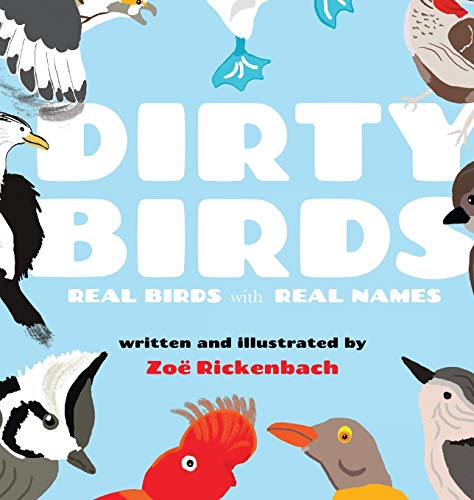
The book Dirty Birds: Real Birds with Real Names by Zoe Rickenbach is ideal for readers who enjoy quirky, humorous, and educational content about nature. It is perfect for bird enthusiasts, nature lovers, and anyone interested in learning fun facts about birds through a creative and engaging approach. This book suits both adults and older children who appreciate witty illustrations paired with fascinating bird names.
Pros:
- Contains 28 pages filled with entertaining and informative bird names.
- Compact and lightweight, measuring 8.0 inches in height and length, and only 0.59 pounds.
- Authored and manufactured by Zoe Rickenbach, ensuring a consistent creative vision.
- Published in April 2020, offering fresh and contemporary content.
- Unique blend of humor and education that appeals to a wide audience.
Cons:
- Relatively short with only 28 pages, which may not satisfy readers looking for extensive information.
- May not appeal to readers seeking detailed ornithological data or scientific depth.
- Humorous tone might not resonate with all birdwatchers or nature enthusiasts.
Dirty Birds: Real Birds with Real Names features a delightful collection of bird names that spark curiosity and laughter. The concise format makes it an easy and enjoyable read, while the playful approach helps demystify the natural world. Readers benefit from both entertainment and education, gaining insight into the diversity of bird species in a memorable way.
The book’s physical dimensions and lightweight design make it a convenient addition to any bookshelf or travel bag. Its unique style, crafted by Zoe Rickenbach, emphasizes accessibility and fun, making learning about birds less formal and more engaging. This combination of features ensures that the book stands out in the niche of nature-themed humor and education.
Frequently Asked Questions
What Are The Most Popular Bird Names For Pet Birds?
Popular bird names often reflect their appearance or behavior. Names like Sunny, Kiwi, and Tweety are common. These names are easy to remember and suit many bird species. Choosing a name based on personality or color adds a personal touch.
How Do Bird Names Reflect Their Physical Traits?
Many bird names describe their looks, such as “Blue Jay” for blue feathers. Others, like “Long-tailed Tit,” highlight unique features. This helps birdwatchers identify species quickly. Descriptive names connect language with nature, making learning fun and memorable.
Why Are Some Bird Names Considered Humorous Or Unusual?
Books like “Tits, Boobies and Loons” highlight funny bird names. These names often come from historical or cultural origins. Humor in bird names makes ornithology more engaging. They also show the quirky side of nature and science.
How Can Scientific Bird Names Help In Identification?
Scientific names follow a Latin system, standardizing bird identification worldwide. They reduce confusion caused by local or common names. Each name provides information about the bird’s genus and species. This system is essential for researchers and bird lovers alike.
What Resources Explain The Origin Of Bird Names?
Books like “Birds What’s in a Name? ” Explore bird name origins. They reveal historical, linguistic, and cultural backgrounds. These resources deepen understanding of bird diversity and naming traditions. They are valuable for both casual readers and bird enthusiasts.
How Do Translation Guides Assist With European Bird Names?
Translation guides help birders understand names across languages. They clarify differences in naming conventions and meanings. This aids in birdwatching during travel or research. Such guides promote global appreciation of bird species and their names.
Conclusion
Choosing the best name for a bird can be fun and meaningful. Names often reflect a bird’s look, sound, or behavior. Books like “The Bird Name Book” and “A Dictionary of Scientific Bird Names” offer great ideas and history. Funny guides such as “Tits, Boobies and Loons” add humor to learning bird names.
Whether you prefer traditional or unusual names, understanding their origins helps you pick the perfect one. Bird names connect us to nature and spark curiosity. Exploring names from different cultures or languages, like in “European Bird Names,” adds extra interest.
Remember, a bird’s name is more than just a label—it tells a story. Use these resources to find a name that fits your feathered friend well. This way, naming your bird becomes an enjoyable part of your bird-loving journey.