
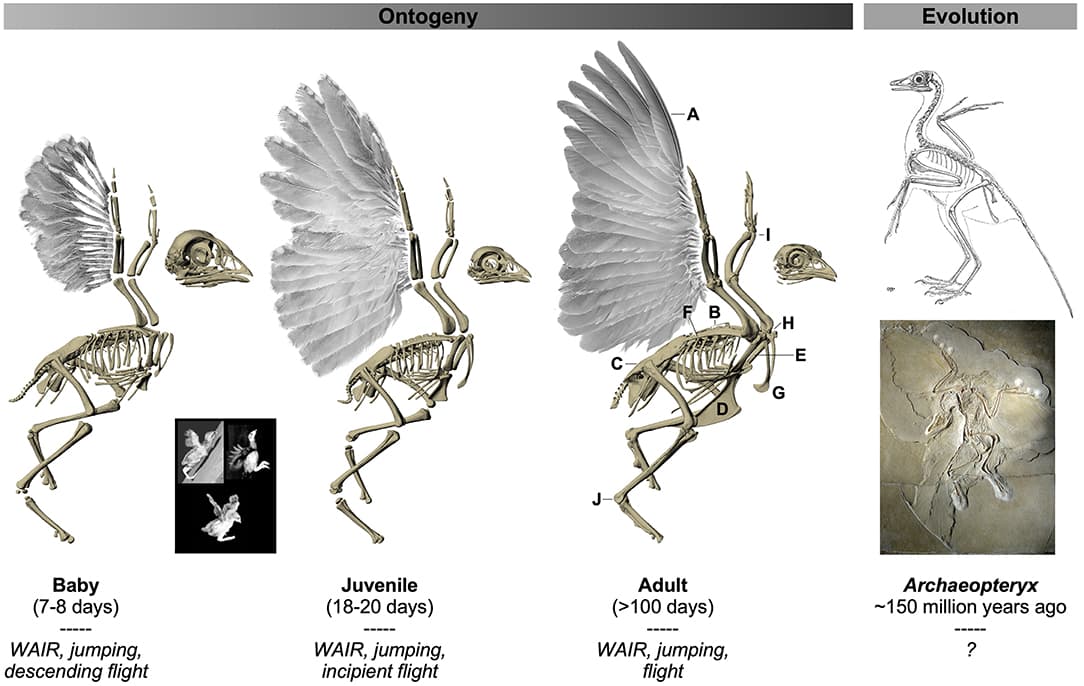
Have you ever wondered what makes birds soar effortlessly through the sky? It’s not just their wings—it’s the incredible design of their entire bodies.
Your curiosity about how birds achieve flight is about to be rewarded. Understanding bird anatomy will change the way you see these amazing creatures and might even inspire you to appreciate the art of flying in a whole new way.
Keep reading to discover the secrets hidden in their bones, muscles, and feathers that give birds the power to take off, glide, and land with such grace.

Credit: www.birdspot.co.uk
Feather Structure
Feathers have a lightweight, strong structure that supports flight by providing lift and reducing air resistance. Their arrangement helps birds glide smoothly through the air.
Feathers are a marvel of nature, intricately designed to enable birds to conquer the skies. Each feather is a masterpiece of evolution, perfectly crafted to provide lift, insulation, and camouflage. Understanding feather structure can offer fascinating insights into how birds achieve flight.Types Of Feathers
Birds boast a variety of feathers, each serving distinct purposes. Contour feathers create the smooth, aerodynamic surface necessary for flight. Down feathers, soft and fluffy, trap heat and keep birds warm. Flight feathers are robust, usually found on wings and tails, providing the necessary lift and steering. Next time you spot a bird, notice the different feather types working harmoniously.Lightweight And Strong Design
Feathers are incredibly lightweight yet remarkably strong. Their hollow shafts reduce weight, enabling effortless flight. Imagine holding a feather; its delicate structure belies its strength. The intricate arrangement of barbs and barbules interlocks like Velcro, providing both flexibility and durability. This design ensures that feathers can withstand the stresses of flight while maintaining their shape.Role In Aerodynamics
Feathers play a crucial role in a bird’s aerodynamics, influencing lift and maneuverability. The streamlined shape of feathers reduces air resistance, allowing birds to glide smoothly. Have you ever watched a bird soar effortlessly in the sky? The alignment and overlapping of feathers create a continuous surface, optimizing airflow over the bird’s body. This design minimizes turbulence, enabling efficient flight and energy conservation. Next time you see a bird in flight, consider the incredible teamwork of its feathers.Skeletal Adaptations
The skeleton of a bird plays a crucial role in enabling flight. It must be strong yet light to support powerful wing movements. Birds have evolved unique skeletal features that help them fly efficiently. These adaptations reduce weight and increase stability during flight.
Hollow Bones
Birds have hollow bones that make their skeletons very light. These bones contain air spaces instead of solid marrow. This design lowers the bird’s overall weight without losing strength. The hollow structure also connects to the respiratory system, helping with breathing during flight.
Fused Bones For Stability
Many bird bones are fused to create a rigid frame. Fused bones prevent unnecessary movement, providing stability when wings flap fast. The fusion helps transfer muscle power directly to the wings. It also protects the bird’s body from the stresses of flying.
Flexible Joints
Birds have flexible joints that allow smooth wing movements. These joints provide a wide range of motion for flapping and gliding. The flexibility helps birds control their flight direction and speed. It also absorbs shocks during landing and takeoff.
Muscle Power
Muscle power plays a key role in enabling birds to fly. Strong and efficient muscles create the force needed for wing movement. These muscles work tirelessly to lift and propel birds through the air. Their design supports quick, powerful flaps and sustained flight.
Flight Muscles
Birds have specialized flight muscles that control wing motion. The largest are the pectoralis muscles. They power the downward wing stroke, which provides lift and thrust. Smaller muscles, like the supracoracoideus, lift the wing during the upstroke. This combination allows smooth and controlled wing beats.
Energy Efficiency
Flight muscles are built for endurance and strength. They contain many mitochondria, which produce energy efficiently. This helps birds maintain long flights without tiring quickly. Muscle fibers are designed to use oxygen well, keeping energy levels high. Efficient muscles reduce fatigue and support fast recovery.
Muscle Attachment Points
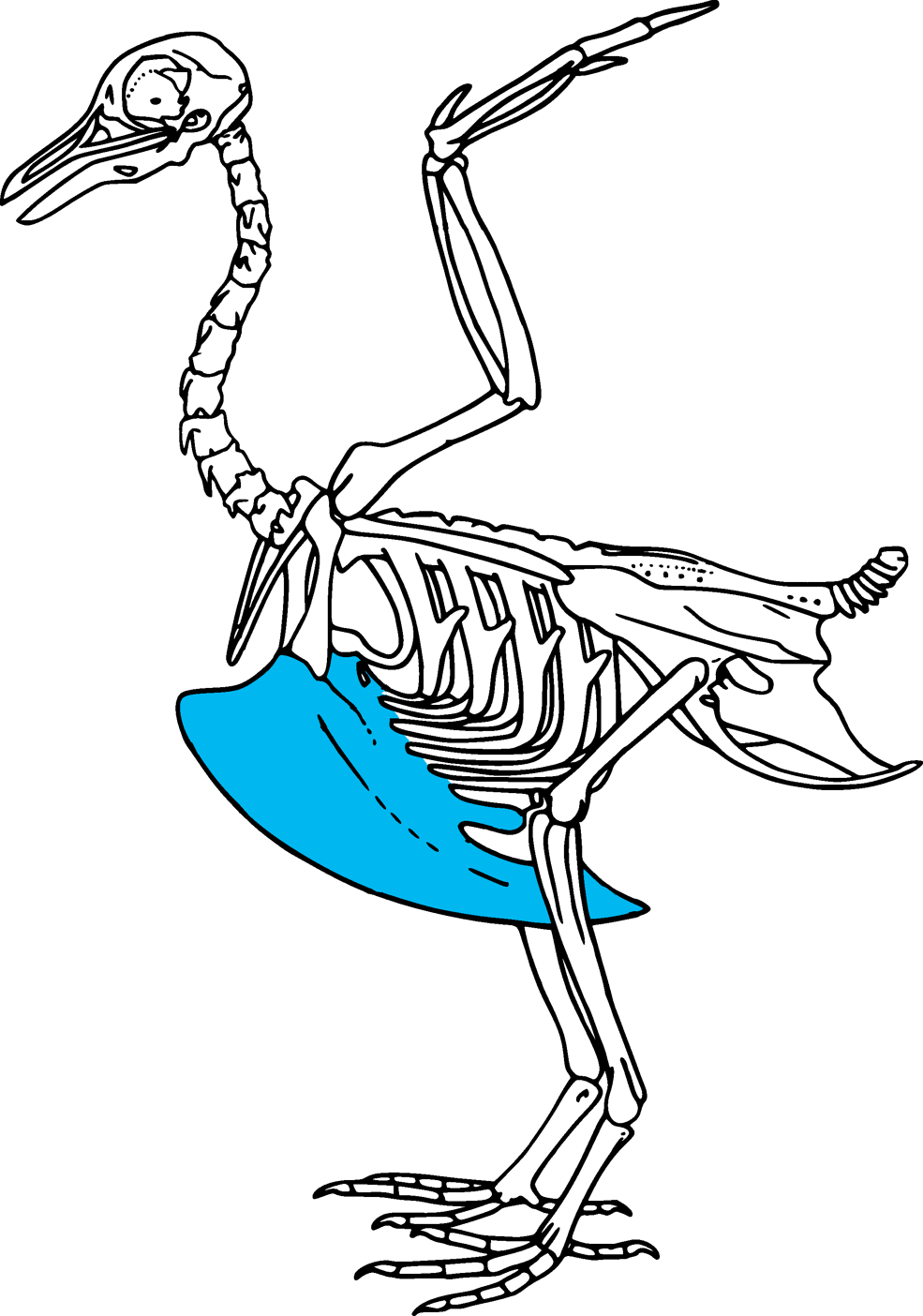
Strong muscle attachment points improve flight power. Muscles connect to the bird’s skeleton at key locations. The keel, a large bone on the breast, anchors major flight muscles. These secure points allow muscles to pull with great force. This structure maximizes wing movement and flight control.
Credit: fossil.fandom.com
Respiratory System
The respiratory system in birds is uniquely designed to support the intense energy demands of flight. Unlike mammals, birds have a highly efficient way of moving air through their lungs, ensuring they get the oxygen they need without wasting energy. Understanding how this system works helps you appreciate the delicate balance between structure and function that makes flight possible.
Air Sacs Function
Birds have a set of air sacs that act like bellows, pushing air through their lungs in one direction. This setup allows fresh air to flow continuously, even when the bird is exhaling. Unlike humans, who breathe in and out through the same path, birds keep air moving forward, which is much more efficient.
These air sacs also help reduce the bird’s weight, making flight easier. You might not realize it, but this lightweight, balloon-like structure plays a big role in how birds stay airborne with less effort. Think about how carrying a heavy backpack slows you down—birds avoid this by having hollow spaces filled with air.
Oxygen Exchange Efficiency
The bird’s lungs are small but highly efficient due to their unique structure. Air flows through tiny tubes called parabronchi, where oxygen is exchanged with carbon dioxide in the blood. This one-way airflow keeps oxygen levels consistently high, which is critical during the intense activity of flying.
Have you ever noticed how birds can fly at high altitudes where oxygen is scarce? Their respiratory system is the reason. It maximizes oxygen extraction, so even in thin air, they can keep their muscles fueled and wings flapping strong.
Wing Shape And Function
Birds have wings shaped perfectly for flight. The form and function of wings allow birds to move through air with ease. Wing shape affects how birds lift, glide, and maneuver.
Wing Types
Different birds have different wing shapes. These shapes match their flying style and needs.
- Elliptical wings:Short and rounded. Great for quick turns and slow flight. Common in songbirds.
- High-speed wings:Long and narrow. Built for fast flying. Found in swifts and falcons.
- Soaring wings:Large and broad. Help birds glide for long periods. Seen in eagles and vultures.
- High-lift wings:Wide with slotted feathers. Help with slow, heavy flight. Typical for hawks and owls.
Lift And Thrust Generation
Wings create lift by pushing air down and back. This force lifts the bird upward. The curved upper wing surface speeds airflow, reducing pressure above the wing. This pressure difference lifts the bird.
Thrust moves the bird forward. Birds flap wings downward and backward. This pushes air behind, propelling the bird ahead.
Wing Motion Patterns
Bird wings move in specific ways to control flight. The main motion is the downstroke, which creates most lift and thrust. The upstroke is lighter and helps reset the wings.
Some birds use slow, steady flaps. Others use rapid wing beats. Gliding and soaring birds hold wings steady to save energy.
Balance And Control
Balance and control are essential for birds to master the skies. Without precise adjustments and feedback, flight would be unstable and exhausting. Your own experience trying to balance on a narrow beam might help you appreciate how birds use their anatomy to stay steady and agile during flight.
Tail Feathers
Tail feathers act like a rudder, helping birds steer and maintain stability. When a bird changes direction, it fans out or tilts its tail feathers to shift air pressure. This simple yet effective mechanism allows quick turns and smooth landings.
Think about how you use your arms to balance when walking on uneven ground. The tail feathers perform a similar role, giving birds the fine control they need to stay airborne even in gusty winds.
Sensory Feedback
Your body constantly sends signals to your brain about balance—birds rely on this too, but with more specialized sensors. Tiny nerve endings in their skin and muscles detect subtle shifts in position and air currents.
This sensory feedback lets birds react instantly to changes, adjusting wing and tail positions without hesitation. Imagine trying to ride a bike without feeling the tilt; birds never face that challenge thanks to their acute sensory system.
Flight Maneuvering
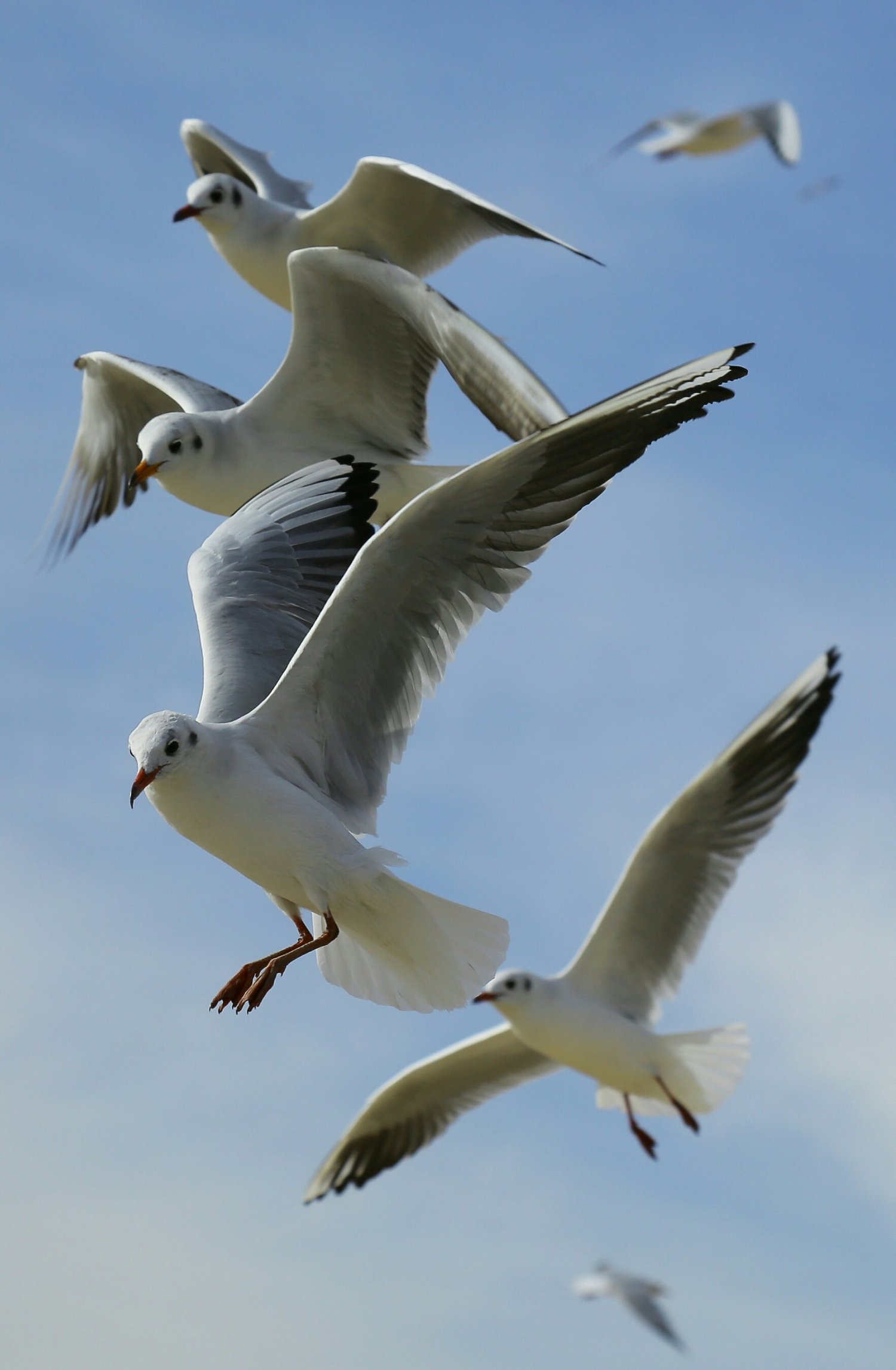
Flight maneuvering depends on a combination of wing adjustments and tail movements. Birds alter wing shape and angle to control lift and speed while using tail feathers for precise direction changes.
- Quick wing beats generate thrust.
- Wing tilting helps with banking turns.
- Tail feather spreading manages braking and landing.
Have you noticed how a bird can suddenly dart or hover? These maneuvers require split-second control, which is only possible because of the intricate balance system built into their bodies.
Metabolic Adaptations
Birds have evolved remarkable metabolic adaptations that allow them to meet the intense energy needs required for flight. These adaptations ensure that their bodies can generate, manage, and utilize energy efficiently, enabling sustained periods of activity in the air. Understanding these metabolic features reveals how your own body could learn from nature’s high-performance design.
High Energy Demand
Flight demands an enormous amount of energy. Birds have a metabolism that runs faster than most animals, supporting quick energy release. Their heart rates and breathing rates increase dramatically during flight to supply muscles with oxygen.
Think about the last time you sprinted or climbed stairs quickly. You felt your heart pounding and your breathing deepen. Birds experience this intensification constantly while flying. Their cells produce energy rapidly to sustain wing movement and control.
Efficient Fuel Use
Birds don’t just need energy—they need it to last. They use fats as their primary fuel because fats provide more energy per gram than carbohydrates. This means birds can carry less weight but still have enough fuel for long flights.
In addition, birds have enzymes that help switch between burning fats and carbohydrates depending on the flight phase. This flexibility allows them to optimize fuel use, avoiding early exhaustion. Could you benefit from adjusting your own energy sources during different activities?
Credit: www.animatornotebook.com
Frequently Asked Questions
How Do Bird Bones Support Flight?
Bird bones are lightweight and hollow, reducing body weight for easier flight. Their structure balances strength and flexibility, aiding lift and maneuverability.
What Role Do Feathers Play In Bird Flight?
Feathers provide lift, thrust, and insulation. Wing feathers shape airflow, enabling smooth gliding and powerful wingbeats for controlled flight.
How Does Bird Muscle Anatomy Aid Flying?
Birds have strong flight muscles, especially the pectoralis major. These muscles power wing flapping for takeoff, sustained flight, and precise control.
Why Is Bird Respiratory System Important For Flight?
Birds have efficient lungs with air sacs, supplying continuous oxygen. This system supports high metabolism and energy needs during flight.
Conclusion
Birds fly because of their unique body design. Their lightweight bones and strong muscles work together well. Wings shaped for lift push air down and up. Feathers help control direction and speed in air. The heart and lungs supply energy for long flights.
This clever anatomy lets birds soar high and far. Understanding this helps us appreciate nature’s great flyers. Flight is not just about wings—it’s a perfect team effort. Birds show how nature solves the challenge of flying.