
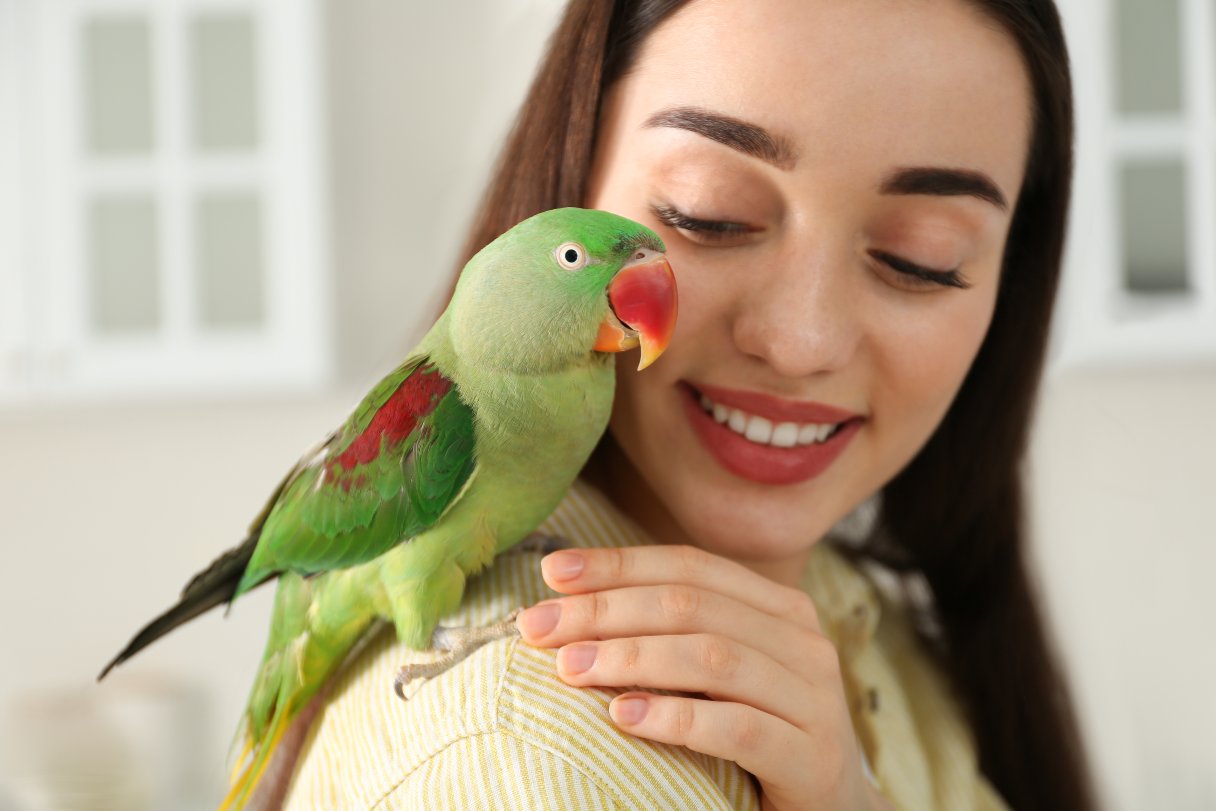
Have you ever wondered which birds make the best pets? If you’re thinking about adding a feathered friend to your home, it’s important to know which species fit your lifestyle.
Choosing the right bird can bring joy, companionship, and a splash of color to your daily routine. You’ll discover the most popular pet birds, what makes each unique, and how to decide which one is perfect for you. Keep reading to find the bird that could soon be chirping in your living room!
Common Pet Birds
Many birds make great pets due to their bright colors and lively personalities. These birds are common in homes worldwide. They adapt well to living indoors and form strong bonds with owners. Their care is manageable for beginners and experienced bird lovers alike.
Common pet birds vary in size and temperament. Some are known for their singing, others for their playful nature. Choosing the right bird depends on your lifestyle and preferences. Here are some popular pet birds you might consider.
Budgerigars
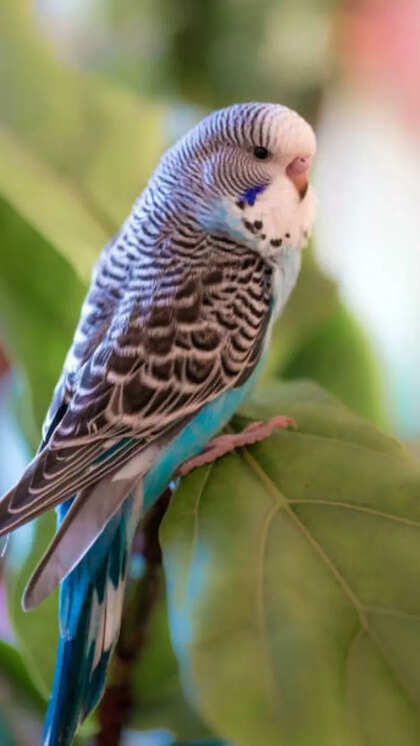
Budgerigars, or budgies, are small parrots with vibrant feathers. They are very social and enjoy human company. Budgies can learn to mimic simple words and sounds. Their care is simple, needing a balanced diet and daily attention.
Cockatiels
Cockatiels have a distinctive crest on their heads. They are gentle and friendly birds that bond well with people. Cockatiels can whistle tunes and sometimes talk. They require a cage with space to move and toys to stay active.
Canaries
Canaries are famous for their beautiful singing voices. They are small, colorful birds that prefer calm environments. Canaries do not need much handling, making them perfect for quiet households. A clean cage and fresh water keep them healthy.
Lovebirds
Lovebirds are small parrots known for their strong pair bonds. They are playful and curious, enjoying interaction and toys. These birds need companionship, either from humans or other lovebirds. Their bright colors add charm to any room.
Popular Parrot Species
Parrots are some of the most popular pet birds worldwide. Their bright colors and lively personalities attract many bird lovers. These birds can mimic sounds and even words, making them fun companions. Different parrot species vary in size, behavior, and care needs. Understanding popular parrot species helps choose the right pet for your home.
African Grey Parrots
African Grey Parrots are famous for their intelligence. They can learn many words and sounds. These birds have a calm and gentle nature. Their gray feathers with a red tail make them easy to recognize. They need mental stimulation and regular interaction to stay happy.
Amazon Parrots
Amazon Parrots are colorful and full of energy. They come in green shades with splashes of yellow, blue, or red. These birds are social and love to play. They enjoy singing and can copy human voices well. Amazon Parrots need plenty of space and toys.
Macaws
Macaws are large parrots with striking colors. They have strong beaks and loud calls. Their feathers show bright blues, reds, and yellows. Macaws are very social and need daily attention. They require big cages and time outside the cage to stay healthy.
Conures
Conures are small to medium-sized parrots. They have lively and playful personalities. These birds come in various colors like green, yellow, and orange. Conures enjoy being around people and often cuddle. They are less noisy compared to larger parrots but still need care and interaction.
Exotic Bird Choices
Exotic birds make fascinating pets. Their bright colors and unique behaviors attract many bird lovers. These birds often require special care and attention. Choosing the right exotic bird depends on your lifestyle and experience. Here are some popular exotic bird choices for pets.
Hyacinth Macaws
Hyacinth Macaws are the largest flying parrots. Their deep blue feathers stand out beautifully. These birds are intelligent and social. They enjoy interaction and playtime with owners. Hyacinth Macaws need a lot of space to move. Their diet includes nuts, fruits, and seeds. They live for many years, sometimes over 50.
Eclectus Parrots
Eclectus Parrots show bright, contrasting colors. Males are green, females mostly red and purple. They are calm and gentle birds. Eclectus Parrots can talk and mimic sounds well. They require a diet rich in fruits and vegetables. These parrots thrive in a quiet, stable home. Regular social time helps keep them happy.
Cockatoos
Cockatoos are known for their expressive crests. They come in white, pink, and black varieties. These birds are very affectionate and loyal. Cockatoos love to be part of family activities. They need plenty of toys to stay busy. Their loud calls can be challenging for some owners. Cockatoos can live for 40 to 70 years.
Quaker Parrots
Quaker Parrots, also called Monk Parakeets, are small and lively. They have green bodies with grey chests. These birds are excellent talkers and mimic sounds easily. Quaker Parrots enjoy social interaction and learning tricks. Their diet should include seeds, fruits, and vegetables. They adapt well to apartment living if given attention.
Credit: timesofindia.indiatimes.com
Factors In Choosing Pet Birds
Choosing the right pet bird involves more than picking a pretty feathered friend. Several factors influence the decision. These factors help match the bird’s needs with your lifestyle and home environment. Understanding these elements ensures a happy life for both you and your bird.
Size And Space Needs
Birds vary greatly in size. Small birds like budgies need less space than larger parrots. Consider your living area before choosing a bird. Larger birds need bigger cages and room to fly or climb. Space limits can affect the bird’s health and happiness. Choose a bird that fits comfortably in your home.
Lifespan
Bird lifespans differ widely. Some small birds live 5 to 10 years. Larger parrots may live 50 years or more. Think about the commitment before adopting. Long-lived birds need long-term care plans. Knowing lifespan helps prepare for years of responsibility.
Temperament
Bird personalities vary by species and individual. Some birds are social and love attention. Others prefer quiet and alone time. Choose a bird whose temperament matches your daily routine. Friendly birds suit active owners. Calm birds fit quieter homes. Consider how much interaction you want daily.
Noise Level
Birds can be noisy pets. Parrots often squawk loudly. Budgies and canaries tend to be quieter. Noise can affect neighbors and family. Evaluate your tolerance for bird sounds. Some birds sing sweetly; others call out loudly. Noise level can impact your living situation.
Care And Maintenance
Caring for pet birds takes commitment and attention. Each bird species has its own needs for a happy, healthy life. Proper care means providing good food, a safe home, health support, and social time. Understanding these needs helps birds thrive in your care.
Diet And Nutrition
A balanced diet is key to a bird’s health. Most pet birds eat seeds, pellets, fruits, and vegetables. Fresh water must be available all day. Avoid feeding birds chocolate, caffeine, or salty foods. These can be toxic and cause illness.
- Offer a variety of fresh fruits like apples and berries.
- Include leafy greens such as spinach and kale.
- Provide high-quality commercial pellets for daily nutrition.
- Limit seeds to prevent obesity.
Housing And Environment
Birds need a cage that fits their size and activity level. The cage should be spacious enough to allow movement and wing flapping. Use natural perches of different sizes to keep their feet healthy. Place cages away from drafts, direct sunlight, and kitchen fumes.
- Clean the cage regularly to prevent bacteria build-up.
- Provide toys and swings to reduce boredom.
- Maintain room temperature between 65-80°F (18-27°C).
- Ensure good ventilation but avoid cold drafts.
Health Care
Regular health checks are vital for pet birds. Watch for signs like changes in appetite or droppings. Birds hide sickness well, so early detection is important. Schedule annual visits to an avian vet for checkups and vaccinations. Keep nails and beaks trimmed safely.
- Observe your bird daily for unusual behavior.
- Clean food and water dishes every day.
- Use a humidifier if air is too dry.
- Quarantine new birds to prevent disease spread.
Social Interaction
Birds are social animals needing attention and mental stimulation. Spend time talking and playing with your bird daily. Some species enjoy gentle handling; others prefer watching from a distance. Provide companionship through toys or another bird if possible. Social interaction prevents loneliness and stress.
- Set aside quiet time for bonding each day.
- Rotate toys to keep interest high.
- Use mirrors or bells for entertainment.
- Respect your bird’s mood and space needs.
:strip_icc()/sun-parakeets-135559243-5b53f406c9e77c0037e36d6b.jpg)
Credit: www.thesprucepets.com
Legal And Ethical Considerations
Choosing a pet bird involves more than just picking a colorful species. Legal rules and ethics play a big role. Knowing these helps protect birds and keeps owners safe.
Some birds are protected by law. Owning them without permission can cause legal trouble. Ethical care means respecting the bird’s needs and natural life.
Wildlife Regulations
Many countries have laws about owning birds. These laws control which species can be kept as pets. They also require permits for certain birds.
- Check local laws before buying a bird.
- Illegal trade harms wild populations.
- Protect native wildlife by following rules.
Conservation Status
Some pet birds are endangered or threatened. Buying these birds can hurt wild populations. Avoid species that are listed as at risk.
- Research a bird’s conservation status online.
- Support species that are bred in captivity.
- Help protect nature by choosing legal pets.
Responsible Breeding
Breeding birds should be done with care. Good breeders focus on the bird’s health and behavior. Avoid supporting breeders who keep birds in poor conditions.
- Choose breeders with good reviews and reputation.
- Ask about the bird’s history and care.
- Ensure birds are bred humanely and ethically.
Adoption Options
Many birds need new homes. Adoption is a kind choice that saves lives. Shelters and rescue groups offer healthy birds ready for families.
- Visit local bird rescues or shelters.
- Ask about the bird’s health and behavior.
- Give a bird a second chance at a happy home.
Credit: lafeber.com
Frequently Asked Questions
What Are The Most Popular Pet Birds?
Popular pet birds include budgerigars, cockatiels, lovebirds, canaries, and parrots. They are loved for their colors and personalities. These birds adapt well to home environments and are relatively easy to care for.
Which Birds Are Best For Beginners?
Budgerigars and cockatiels are ideal for beginners. They are friendly, low maintenance, and affordable. These birds are social and can mimic simple sounds, making them great first-time pets.
Can Parrots Be Kept As Indoor Pets?
Yes, parrots make excellent indoor pets. They are intelligent and enjoy human interaction. Parrots require mental stimulation and a spacious cage to stay healthy and happy.
How Long Do Pet Birds Typically Live?
Pet bird lifespans vary by species. Small birds like budgerigars live 5-10 years. Larger parrots can live 40-80 years with proper care. Knowing lifespan helps owners prepare for long-term commitment.
Conclusion
Birds make wonderful pets for many reasons. They bring color and joy. Parrots, canaries, and finches are popular choices. Each bird has unique traits and care needs. Some love to sing, others enjoy playing. It’s important to match a bird’s nature with your lifestyle.
Always research before choosing. Birds can live long and need attention. They can be loyal companions and brighten your day. Consider your home space and time available. Proper care ensures a happy bird. A happy bird means a happy home.
Choose wisely and enjoy your feathered friend!