
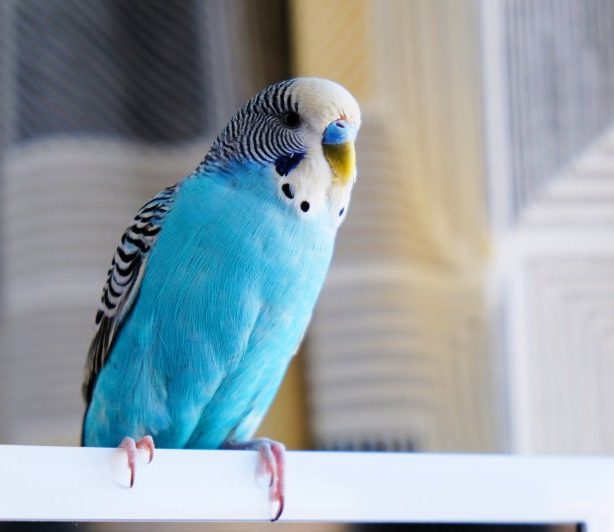
Have you ever wondered why your pet bird keeps chirping non-stop? It’s not just random noise—your feathered friend is trying to tell you something important.
Understanding these chirps can help you connect better with your bird and ensure it’s happy and healthy. Keep reading to discover the reasons behind your bird’s constant chirping and how you can respond to its needs. This simple insight could transform your relationship with your pet.

Credit: www.youtube.com
Common Reasons For Chirping
Understanding why your pet bird keeps chirping can help you respond better to its needs. Birds use chirping to communicate, express emotions, or alert you to their environment. Let’s look at some common reasons behind this constant chirping and what they might mean for your feathered friend.
Communication And Social Interaction
Birds are social creatures. Your pet might chirp to get your attention or to interact with other birds nearby. If you notice more chirping when you enter the room, your bird is likely trying to connect with you.
Expressing Happiness Or Excitement
Chirping often signals that your bird is happy or excited. Maybe you just gave it a favorite treat or it’s enjoying a new toy. Paying attention to the context can help you spot these joyful moments.
Boredom Or Loneliness
If your bird chirps non-stop, it could be feeling lonely or bored. Birds need mental stimulation and company. Try adding new toys or spending more time talking to your bird to see if the chirping decreases.
Warning Or Alarm Calls
Your bird might chirp loudly to alert you about something unusual. Strange noises, new people, or other pets can trigger these alarm calls. Have you noticed your bird chirping more during certain activities or when visitors arrive?
Environmental Factors
Changes in lighting, temperature, or routine can make your bird chirp more. Birds are sensitive to their surroundings and may react vocally to shifts in their environment. Observing any recent changes can give you clues about the chirping.
Communication With Flock
Pet birds chirp to talk with their flock. Chirping is their way to share feelings and news. It helps them stay connected and safe. Even if your bird lives alone, it thinks of you as its flock. So, chirping is how it talks to you and others around.
Birds Use Chirping To Stay Connected
In the wild, birds chirp to find each other. It shows where they are and what they do. Your pet bird uses chirping for the same reason. It wants to know you are near and listening.
Chirping Shows Feelings And Needs
Birds use different sounds to show moods. Happy birds make soft, steady chirps. Nervous birds might chirp loudly or quickly. Your bird tells you how it feels by changing chirp sounds.
Chirping Helps Build Bonds
Birds chirp to make friends in their group. Your pet bird chirps to feel close to you. The more you respond, the stronger your bond grows. Chirping is a way to say, “I trust you.”
Seeking Attention
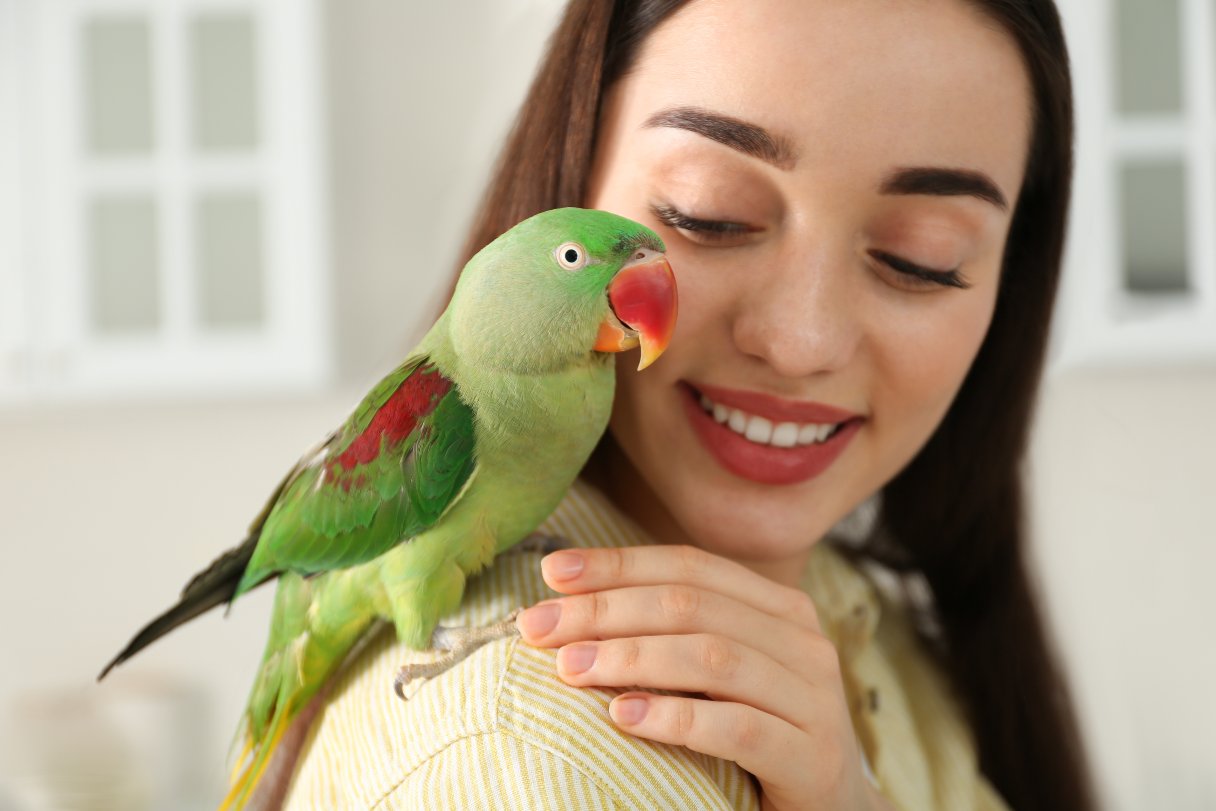
Pet birds often chirp to get attention. Chirping is their way of speaking to you. It shows they want interaction or care. Birds are social creatures. They need connection and company to feel happy.
When a bird chirps a lot, it may feel lonely or bored. This behavior signals the need for more attention from you. Understanding why your bird chirps helps improve your bond.
Understanding Your Bird’s Social Needs
Birds need daily interaction. They enjoy talking, playing, and being near you. If ignored, they chirp more to get noticed. They want to be part of your activities.
Signs Your Bird Wants More Interaction
- Increased chirping when you enter the room
- Following you around the cage
- Flapping wings or bobbing head
- Trying to reach out with their beak
These signs mean your bird is asking for attention. Responding with talk or play helps reduce loud chirping.
How To Give Your Bird Positive Attention
- Spend quiet time near the cage
- Offer gentle petting or scratches
- Talk softly to your bird
- Provide toys for mental stimulation
- Take your bird out for supervised play
Giving attention in these ways makes your bird feel safe and loved. It lowers excessive chirping caused by loneliness.
Credit: www.carecredit.com
Expressing Happiness
Pet birds often use chirping as a way to show their feelings. One common reason for constant chirping is expressing happiness. Birds are social creatures and use sounds to communicate their mood. When your bird chirps happily, it means it feels safe and comfortable in its environment.
Happy chirping usually sounds light and rhythmic. It is different from loud, sharp calls that might signal distress. Birds may chirp softly when they enjoy your company or after eating their favorite food. This joyful noise helps strengthen the bond between you and your pet.
Signs Your Bird Is Chirping Out Of Joy
- Soft, steady chirps that sound like singing
- Relaxed body posture with fluffed feathers
- Playful movements or head bobbing
- Interaction with toys or surroundings
How Environment Affects Happy Chirping
A calm and familiar environment encourages happy chirping. Bright light, fresh water, and clean cage help your bird feel good. Birds also enjoy hearing other birds or natural sounds. These elements create a positive atmosphere for cheerful chirping.
Encouraging Your Bird’s Happy Chirps
- Talk softly to your bird
- Spend quiet time near the cage
- Offer treats and favorite foods
- Provide toys and perches for play
Sign Of Discomfort
When your pet bird keeps chirping constantly, it might be trying to tell you something is wrong. Chirping isn’t always a sign of happiness or excitement; sometimes, it signals discomfort. Paying close attention to the context of the chirps can help you understand your bird’s needs better.
Health Issues
Birds can’t tell you when they feel sick, so they often use sounds like chirping to express pain or unease. If your bird’s chirping becomes more frequent or sounds different than usual, it could mean illness.
Look for other signs such as:
- Fluffed feathers
- Loss of appetite
- Changes in droppings
- Lethargy or less movement
Has your bird’s chirp changed pitch or intensity? That might indicate respiratory issues or discomfort in their throat. If you notice these signs, it’s important to visit an avian vet quickly to avoid worsening health problems.
Environmental Stress
Birds are sensitive to their surroundings. Sudden noises, too much light, or even a new pet can cause stress, leading to excessive chirping.
Think about your bird’s environment:
- Is the room too noisy or bright?
- Has the cage been moved recently?
- Are there unfamiliar animals nearby?
Once, my bird started nonstop chirping after I moved her cage near a busy window. Adjusting her spot to a quieter corner made a huge difference. Could your bird’s chirping be a call for a calmer space?
Boredom And Loneliness
Birds are social creatures. They need interaction and mental activity. Without these, they feel bored and lonely. This feeling can cause constant chirping. The noise is their way to seek attention or express discomfort.
Boredom happens when a bird has no toys or challenges. Loneliness occurs if the bird is alone for long times. Both conditions lead to increased chirping. Understanding this helps in creating a happier environment.
Boredom Causes Excessive Chirping
Birds need stimulation. A cage without toys can feel like a prison. They may chirp loudly to pass time. Bored birds often repeat sounds or calls. Their energy has no outlet, so they vocalize more.
Loneliness Triggers Attention-seeking Sounds
Birds bond with owners or other birds. Being alone causes stress. Chirping becomes a call for company. The bird tries to communicate its need. Silence or ignoring the bird can make chirping worse.
Signs Your Bird Is Bored Or Lonely
- Constant loud chirping without clear reason
- Restlessness inside the cage
- Plucking feathers or repetitive movements
- Loss of appetite or sleep disturbances
Ways To Reduce Boredom And Loneliness
- Provide toys and puzzles for mental exercise
- Spend daily time talking and playing with your bird
- Consider getting a companion bird if suitable
- Rotate toys regularly to keep interest high
Mating Calls
Pet birds often chirp for many reasons, and one common cause is related to mating calls. These calls are a natural part of their behavior aimed at attracting a mate or signaling readiness to breed. Understanding this can help you better interpret your bird’s vocalizations and respond appropriately.
Mating Calls As Communication
Birds use chirping to communicate their interest in finding a partner. These sounds can vary in pitch and intensity depending on the species and individual bird. You might notice your bird becoming more vocal during mating season or when they sense a potential mate nearby.
Signs Your Bird Is Making Mating Calls
- Increased frequency and volume of chirping
- Repetitive and patterned calls that seem directed at specific targets
- Fluffing feathers and performing courtship displays along with sounds
Have you noticed your bird’s chirping changing during certain times of the year? That could be their way of signaling mating readiness.
What You Can Do When Your Bird Makes Mating Calls
Respect your bird’s natural behavior by providing a calm environment. Avoid interrupting or punishing these calls, as they are essential for your pet’s well-being. You can also offer plenty of social interaction and mental stimulation to keep them happy and balanced.
Impact Of Mating Calls On Your Bird’s Health
Frequent mating calls can sometimes lead to vocal strain or stress if your bird feels isolated or frustrated. Ensuring your bird has a companion or enough attention can reduce excessive calling. Are you providing enough social time for your feathered friend to feel content?
Natural Instincts
Understanding your pet bird’s constant chirping starts with recognizing the natural instincts driving this behavior. Birds use chirping to communicate, express emotions, and interact with their environment. This instinctual behavior is deeply rooted in their survival and social needs.
Communication Within Their Flock
Chirping is your bird’s way of talking to its flock—whether that’s other birds or you. In the wild, birds rely on calls to stay connected, warn of danger, or locate each other. Your pet bird treats you as part of its flock and uses chirping to keep the bond alive.
Marking Territory And Establishing Presence
Birds naturally chirp to mark their territory and assert their presence. This behavior helps them feel secure in their environment. If your bird is chirping persistently, it might be signaling that it sees your home as its safe space.
Expressing Emotions And Needs
Chirping often reveals how your bird feels. Happiness, boredom, excitement, or even loneliness can trigger different sounds. Have you noticed changes in chirping when you enter the room or when the environment changes? Your bird is trying to tell you something important.
Attracting Attention And Social Interaction
Birds are social creatures that crave interaction. Chirping can be a way to get your attention or invite you to play. Ignoring this instinct can lead to increased chirping, as your bird tries harder to connect.
Tips To Manage Chirping
Managing your pet bird’s chirping helps create a peaceful home. Birds chirp for many reasons like boredom, stress, or health issues. Understanding how to handle their chirping can improve their happiness and your comfort. Below are simple tips to help control and understand your bird’s chirping.
Provide Entertainment
Birds need mental and physical activities to stay happy. Toys like bells, mirrors, and swings keep them busy. Rotate toys often to keep their interest high. Talk or sing to your bird to give social interaction. Play soft music to calm their nerves.
Ensure Comfort
Check your bird’s cage location for noise and light disturbances. Keep their cage clean and spacious enough for movement. Provide fresh food and water daily to maintain health. Maintain a comfortable room temperature. Offer a quiet, dark space for rest at night.
Consult A Veterinarian
Persistent chirping may signal health problems. A vet can check for illnesses or pain causing noise. Schedule regular health checkups for early detection. Follow vet advice on diet and care routines. Professional help ensures your bird stays healthy and calm.
Credit: lafeber.com
Frequently Asked Questions
Why Does My Pet Bird Chirp Constantly?
Pet birds chirp to communicate, express emotions, or seek attention. Constant chirping can indicate boredom, hunger, or the need for social interaction. Understanding their behavior helps meet their needs and keeps them happy.
Can Chirping Mean My Bird Is Stressed?
Yes, excessive chirping may signal stress or discomfort. Changes in environment, loud noises, or lack of companionship can cause stress. Observing your bird’s surroundings and behavior helps identify stress triggers and reduce them.
How Can I Reduce My Bird’s Excessive Chirping?
Provide mental stimulation, toys, and social interaction. Ensure your bird has a comfortable environment with a proper diet. Regular playtime and attention can minimize excessive chirping by fulfilling their needs.
Is Chirping A Sign Of Bird Happiness?
Yes, chirping often indicates happiness and contentment. Birds sing and chirp to show they feel safe and comfortable. Positive interaction with their owner also encourages joyful chirping.
Conclusion
Pet birds chirp for many reasons. They may want attention, express happiness, or feel lonely. Understanding these sounds helps you care better. Watch your bird’s behavior and respond kindly. Keep their environment calm and interactive. A happy bird chirps often.
Listening closely builds a stronger bond. Patience and love make your pet feel safe. Caring for your bird’s needs reduces constant chirping. Enjoy the sweet sounds and company of your feathered friend.