
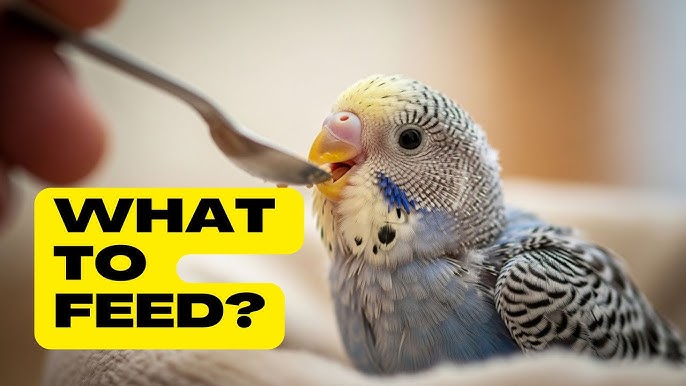
Are you wondering what to feed your pet baby bird to keep it healthy and happy? Knowing the right diet is crucial for your little feathered friend’s growth and well-being.
Feeding your baby bird the wrong food can lead to serious health problems, but choosing the right one can help it thrive. You’ll discover exactly what pet baby birds eat, why their diet matters, and how you can provide the best nutrition from day one.
Keep reading to become the best caretaker your baby bird deserves!
Nutritional Needs Of Baby Birds
Understanding the nutritional needs of baby birds is key to raising healthy, happy pets. Their tiny bodies require a careful balance of nutrients to support rapid growth and development. Missing out on essential vitamins or proteins can lead to serious health issues or stunted growth.
Essential Nutrients For Growth
Baby birds need a diet rich in proteins to build muscles and feathers. Calcium is crucial for strong bones, while vitamins A, D, and E support immune health and vision. Don’t forget about fats—they provide energy that fuels their daily activities and growth.
Think about how often you need energy boosts during the day. Baby birds feel the same way, making fats and proteins vital parts of their diet.
Hydration And Feeding Frequency
Water is just as important as food. Baby birds dehydrate quickly, so keeping them hydrated is a must. Feeding them small amounts frequently mimics their natural feeding pattern and prevents digestive issues.
Have you noticed how often your baby bird wants to eat? That’s because their metabolism works fast, demanding frequent meals to keep up.
Foods To Avoid For Baby Birds
Some foods can harm your baby bird’s health, such as avocado, chocolate, and caffeine. These can cause toxic reactions even in tiny amounts. Stick to safe foods like soft fruits, insects, and specially formulated baby bird food.
It’s tempting to share your snacks, but remember that what’s good for you isn’t always safe for your feathered friend.
Signs Your Baby Bird Is Getting Proper Nutrition
Look for bright, clear eyes and smooth, growing feathers as signs of good nutrition. Active behavior and steady weight gain also indicate your feeding routine works well. If your baby bird seems lethargic or isn’t growing, it’s time to reassess their diet.
Have you checked your bird’s weight lately? Keeping a simple chart can help you spot any nutritional issues early.
Feeding Frequency And Schedule
Feeding your pet baby bird on the right schedule is crucial for its growth and health. Baby birds have small stomachs and high energy needs, so they require frequent meals throughout the day. Missing or delaying feedings can lead to serious health issues, so understanding the feeding frequency helps you keep your bird thriving.
Feeding Frequency By Age
Newly hatched baby birds need feeding every 15 to 20 minutes from dawn until dusk. As they grow, the frequency decreases to every 30 minutes to an hour. By the time they are three weeks old, most baby birds eat every 2 to 3 hours, gradually moving towards a more adult feeding schedule.
Have you noticed how your bird’s appetite changes as it grows? Tracking these changes helps you adjust feeding times appropriately.
Setting A Consistent Daily Schedule
Establish feeding times that mimic natural daylight hours to support your bird’s internal clock. Starting early in the morning and stopping before nightfall helps maintain their natural rhythm. Consistency also reduces stress for both you and your bird, making mealtime predictable and calm.
- Feed every 15-20 minutes for hatchlings during daylight
- Reduce frequency gradually as the bird matures
- Stop feeding about an hour before lights out
Signs Your Baby Bird Needs Feeding Adjustments
If your baby bird is restless or cries frequently, it may be hungry even if you stick to your schedule. On the other hand, refusal to eat could mean overfeeding or illness. Watch for weight loss or gain and consult a vet if you’re unsure about the right feeding times.
Are you listening closely to your bird’s behavior to fine-tune its feeding routine?
Natural Foods For Baby Birds
Natural foods play a vital role in the healthy growth of pet baby birds. These foods closely mimic what baby birds would find in the wild, providing essential nutrients they need to develop strong bones, feathers, and immune systems. Understanding which natural foods to offer can make a big difference in your bird’s well-being.
Insects And Worms
Baby birds thrive on protein-rich diets, and insects and worms are excellent sources of this nutrient. Mealworms, crickets, and small caterpillars provide the energy and amino acids necessary for muscle development. If you’ve ever watched your baby bird eagerly snap up live insects, you know how natural and beneficial this food can be.
Be sure to offer these insects in moderation and ensure they are pesticide-free. You can even buy frozen or dried mealworms to make feeding easier and safer. Have you noticed how active your baby bird becomes after a protein-rich meal?
Fruits And Vegetables
Fresh fruits and vegetables are essential for vitamins and minerals that support your baby bird’s health. Soft fruits like mashed bananas, berries, and cooked carrots work well because they are easy to digest. I once saw a baby parrot perk up immediately after trying a small piece of steamed sweet potato—it was a clear sign of how much they enjoy these natural treats.
Introduce a variety of colorful veggies and fruits to keep their diet balanced. Remember to avoid citrus fruits, which can be too acidic for baby birds. What fresh produce do you think your baby bird would like to try first?
Seeds And Grains
Seeds and grains provide energy through carbohydrates and fats, essential for growing baby birds. Small seeds like millet, canary seed, and finely ground oats are ideal because they are easy for little beaks to handle. I’ve found that mixing soaked seeds with a bit of baby bird formula creates a soft, nutritious mash that most babies happily eat.
Always ensure seeds are fresh and free from mold or dust. Offering a variety of seeds helps mimic the natural diet and encourages healthy eating habits. Which seeds do you think will be your baby bird’s favorite snack?
Commercial Bird Formulas
Commercial bird formulas are designed to meet the nutritional needs of pet baby birds. These formulas provide balanced vitamins, minerals, and proteins essential for healthy growth. They come in powder or paste form and are easy to prepare.
Using commercial formulas helps ensure baby birds get the right nutrients. These products often mimic the natural diet of wild baby birds. They support strong bones, feathers, and immune systems.
Choosing The Right Formula
Select a formula made specifically for the bird species. Different birds need different nutrient blends. Read labels carefully to find formulas suited for parrots, finches, or canaries.
How To Prepare Commercial Formulas
Mix the formula with warm water to create a smooth paste. Avoid lumps that baby birds cannot swallow. Prepare fresh portions daily to prevent bacteria growth.
Feeding Tips For Baby Birds
- Feed small amounts frequently to match natural feeding patterns.
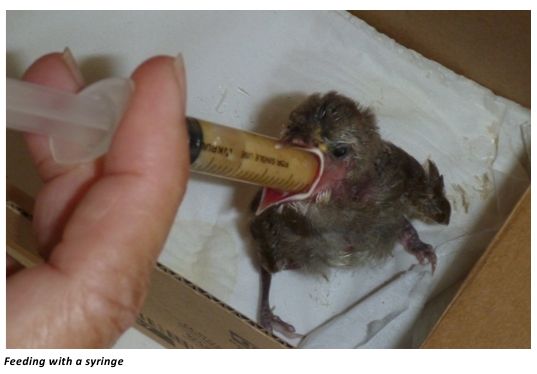
- Use a syringe or spoon designed for feeding baby birds.
- Keep the feeding area clean to avoid infections.
Benefits Of Commercial Bird Formulas
- Provide balanced nutrition without guesswork.
- Support healthy growth and development.
- Easy to use and store.
- Help prevent common nutritional deficiencies.
Homemade Bird Food Recipes
Making homemade bird food for your baby bird can be a rewarding experience. It ensures your pet gets fresh, nutritious meals without additives or preservatives. Plus, you control the ingredients and can tailor the food to your bird’s specific needs.
Many pet owners find that preparing bird food at home helps build a stronger bond with their feathered friend. You’ll also notice how your baby bird responds positively to a balanced diet made with care.
Ingredients To Use In Homemade Bird Food
Start with ingredients that mimic a bird’s natural diet. This usually includes:
- Cooked grains like rice, oats, or quinoa
- Mashed fruits such as bananas, apples, or berries
- Cooked vegetables like carrots, peas, or sweet potatoes
- Protein sources like boiled eggs or finely chopped cooked chicken
- Healthy fats from sources like flaxseed oil or small amounts of nut butters
Using fresh, organic ingredients whenever possible makes a big difference in quality.
Simple Recipe For A Balanced Baby Bird Meal
Try this easy recipe that combines essential nutrients:
| Ingredient | Quantity |
|---|---|
| Cooked oatmeal | 2 tablespoons |
| Mashed banana | 1 tablespoon |
| Boiled egg yolk (mashed) | 1 tablespoon |
| Cooked carrot (finely chopped) | 1 teaspoon |
| Flaxseed oil | 1/4 teaspoon |
Mix all ingredients thoroughly and serve at room temperature. It’s soft, easy to digest, and packed with protein and vitamins.
How To Store Homemade Bird Food Safely
Freshness is key to keeping your baby bird healthy. Store leftover food in an airtight container in the refrigerator. Use it within 24 hours to prevent spoilage.
If you want to prepare in larger batches, freeze portions in small containers. Thaw them completely before feeding and check the temperature carefully—you don’t want hot spots that might burn your bird’s mouth.
Signs Your Bird Loves Homemade Food
You might notice your baby bird eating more eagerly and showing increased energy. Bright eyes, smooth feathers, and steady weight gain are good indicators that the diet is working.
Have you ever noticed how your bird reacts differently to homemade meals versus store-bought? Observing these small changes can help you fine-tune recipes to keep your pet happy and healthy.
Credit: besgroup.org
Foods To Avoid
Knowing what not to feed your pet baby bird is just as important as knowing what to feed them. Some foods can harm their delicate digestive systems or even be toxic. Avoiding these foods keeps your feathered friend healthy and happy.
Foods High In Salt And Sugar
Salt and sugar can cause serious health problems for baby birds. Even small amounts of salty snacks or sugary treats can lead to dehydration and kidney damage. Keep chips, candy, and processed foods far away from their cage.
Avocado And Chocolate
Avocado contains persin, a substance toxic to many birds. Chocolate holds theobromine, which can affect their heart and nervous system. These are definite no-go foods for your baby bird’s diet.
Caffeine And Alcohol
Never give caffeine or alcohol to your pet bird. These substances can cause rapid heartbeat, seizures, or even death. It’s easy to forget that your coffee or cocktail is dangerous to them.
Raw Beans And Uncooked Foods
Raw beans contain toxins that can be fatal. Uncooked foods like potatoes or eggplants also pose risks. Always cook these foods thoroughly before offering any to your bird.
Foods With Artificial Additives
Artificial colors, flavors, and preservatives can upset your bird’s digestion. These chemicals offer no nutritional value and might trigger allergies. Stick to fresh, natural foods whenever possible.
Have you ever wondered why your baby bird refuses certain foods? Sometimes, it’s their instinct protecting them from harmful substances. Paying attention to these natural cues can help you avoid feeding them dangerous items.
Signs Of Proper Nutrition
Proper nutrition is essential for pet baby birds to grow strong and healthy. It helps their feathers develop, bones strengthen, and immune system stay active. Watching for clear signs shows if they get the right food and care. Knowing these signs helps you adjust their diet and avoid health problems early. Healthy baby birds eat well and show good energy levels.
Healthy Feather Growth
Feathers should look smooth and shiny. Dull or brittle feathers may mean poor nutrition. New feathers grow evenly without gaps. Bright feather colors also indicate good health.
Active And Alert Behavior
Well-fed baby birds are lively and curious. They respond quickly to sounds and movements. Sleepy or weak birds might need better food or vet care.
Good Weight Gain
Baby birds should steadily gain weight. Sudden weight loss or no gain shows a problem. Weigh birds regularly to track growth. Use a small scale for best results.
Clear Eyes And Nostrils
Eyes must be bright and clear, without discharge. Nostrils should be clean and open. Blocked or runny nostrils could mean illness or poor diet.
Regular Feeding Habits
Baby birds eat often and finish their meals. They show eagerness during feeding times. Refusing food or eating less needs attention.

Credit: www.youtube.com
Common Feeding Mistakes
Feeding baby birds can be a rewarding experience, but it comes with its share of challenges. Many pet owners unknowingly make mistakes that can affect the health and growth of their feathered friends. Recognizing these common feeding errors helps you provide the best care and avoid unnecessary risks.
Feeding Inappropriate Foods
Not all human foods are safe for baby birds. Offering bread, chocolate, or processed snacks can cause serious health problems. Instead, focus on species-appropriate diets that mimic what they would eat in the wild.
Have you ever given your baby bird something just because it looked like a good treat? Sticking to recommended foods ensures they get the nutrients they need.
Incorrect Feeding Frequency
Baby birds require frequent, small meals throughout the day. Feeding too little can lead to malnutrition, while overfeeding stresses their tiny digestive systems. Pay attention to their hunger cues and adjust feeding times accordingly.
Ask yourself: Are you feeding on a strict schedule, or are you observing your bird’s needs? Flexibility can make a big difference in their growth.
Improper Food Temperature
Feeding food that is too hot or too cold can harm baby birds. Lukewarm food is ideal to prevent crop burns or digestive issues. Always test the temperature before feeding to ensure it’s safe.
Remember how uncomfortable it feels to eat something too hot or cold? Baby birds feel the same, so take extra care.
Using The Wrong Feeding Tools
Choosing inappropriate feeding tools can cause injury or stress. Syringes or spoons that are too large or rough can harm delicate beaks. Use soft, small-sized tools designed for baby birds to make feeding easier and safer.
Have you noticed your bird struggling during feeding? The right tool can transform the experience for both of you.
Neglecting Hygiene During Feeding
Dirty feeding utensils and contaminated food can lead to infections. Wash hands and tools thoroughly before and after feeding. Keeping a clean environment protects your baby bird’s fragile immune system.
Think about how you feel when eating with dirty hands—your bird deserves the same care in cleanliness.
Consulting A Veterinarian
Knowing what to feed your pet baby bird can be confusing. Each species has unique nutritional needs, and mistakes can harm their health. Consulting a veterinarian ensures you give your feathered friend the right food from day one.
When To Seek Veterinary Advice
If your baby bird shows signs of illness or refuses to eat, contact a vet immediately. Even if your bird seems healthy, early vet visits can help you understand its specific dietary needs. Don’t wait for problems to arise—getting professional advice early can save your bird’s life.
What Questions To Ask Your Veterinarian
- What type of food is best for my bird’s species and age?
- How often should I feed my baby bird and in what amounts?
- Are there supplements or vitamins my bird needs?
- What signs of malnutrition or illness should I watch for?
Asking these questions will give you clear guidance and confidence in feeding your baby bird properly.
How Veterinarians Tailor Feeding Plans
Veterinarians consider your bird’s species, age, and health status when recommending diets. They might suggest specific formulas, fresh foods, or feeding schedules. This personalized plan helps your baby bird grow strong and healthy.
Building A Relationship With Your Avian Vet
Regular check-ups create a partnership between you and your vet. This ongoing support helps catch any dietary issues early. Remember, your vet is your best resource for questions and emergencies related to your baby bird’s nutrition.

Credit: www.reuters.com
Frequently Asked Questions
What Do Pet Baby Birds Eat Initially?
Pet baby birds primarily eat a specialized hand-feeding formula. This formula is rich in nutrients and easy to digest. It mimics the natural diet provided by parent birds. As they grow, soft fruits and finely chopped vegetables can be introduced gradually.
Can Pet Baby Birds Eat Seeds Right Away?
No, baby birds cannot eat seeds immediately. Their digestive systems are immature and need soft, easily digestible food first. Seeds can be introduced only when the bird is older and can handle solid food comfortably. Early seed feeding may cause choking or malnutrition.
How Often Should Baby Birds Be Fed Daily?
Baby birds require frequent feeding, typically every 2 to 3 hours. Younger birds may need feeding around the clock. Consistent feeding supports their rapid growth and development. As they age, feeding intervals can gradually increase.
Are Fruits Safe For Pet Baby Birds?
Yes, soft fruits like bananas, apples, and berries are safe. They provide essential vitamins and hydration. Always remove seeds and chop fruits finely to avoid choking. Introduce fruits slowly to monitor any adverse reactions.
Conclusion
Pet baby birds need a balanced diet to grow healthy and strong. Fresh fruits, soft seeds, and special bird formula work well. Avoid giving them foods that can harm their tiny bodies. Feeding them often helps with their quick growth.
Always keep their food clean and fresh. Watching them eat shows their needs and moods. Caring for baby birds takes patience and love. Good food makes happy, healthy birds in your home. Simple steps ensure your pet birds thrive every day.