

Have you ever wondered how photographers capture stunning images from high above, showing entire landscapes or busy city streets in a single frame? That’s the magic of Bird’s Eye View Photography.
This unique style gives you a fresh perspective, making ordinary scenes look extraordinary. If you want to discover how this technique works and how it can transform your photos, keep reading. You’ll learn simple tips to see the world from a whole new angle—and maybe even try it yourself!
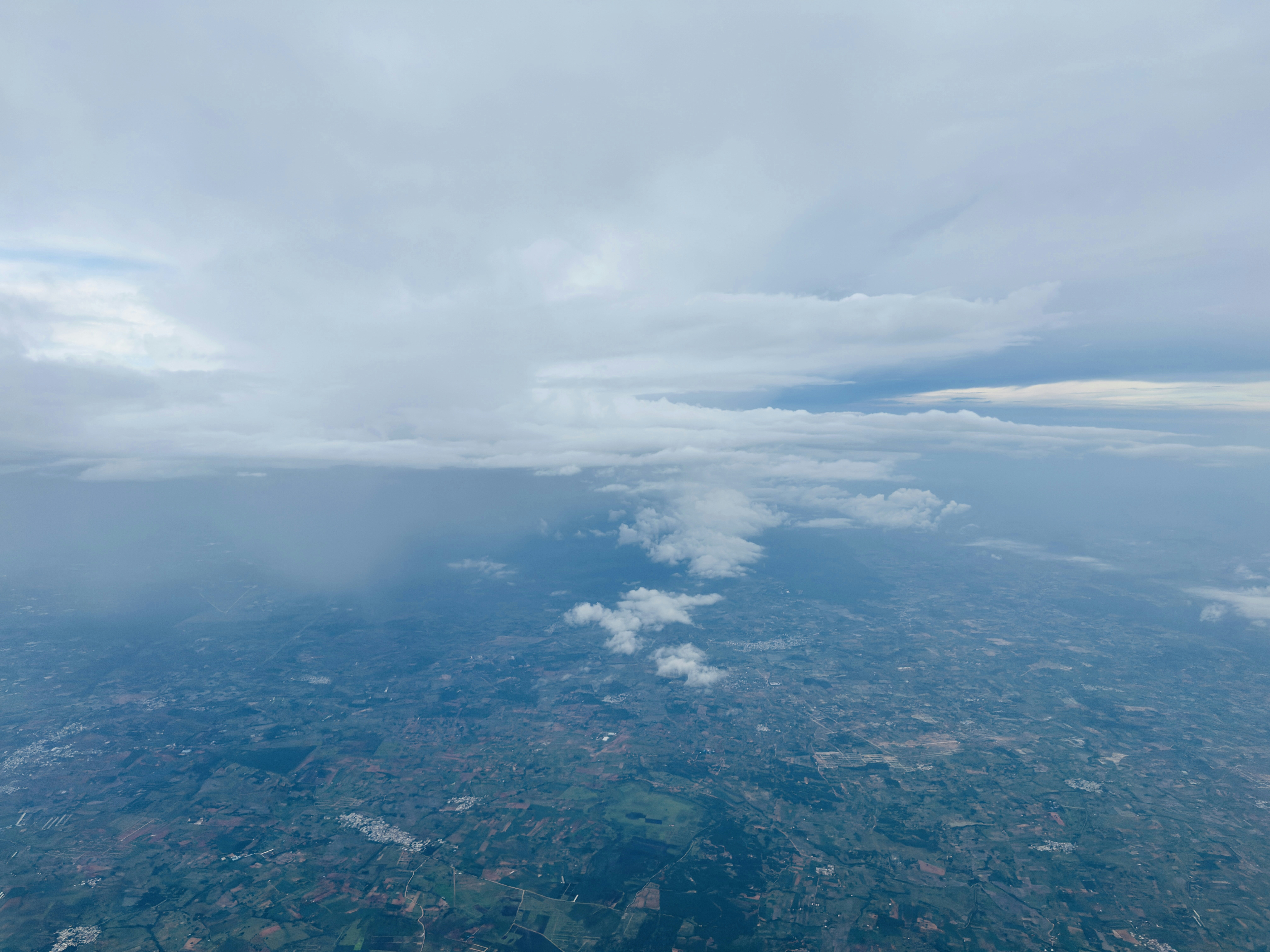
Credit: unsplash.com
Basics Of Bird’s Eye View
Bird’s Eye View photography captures scenes from directly above. It shows subjects from a high, vertical angle. This view offers a fresh perspective that differs from eye-level shots. It helps viewers see layouts, patterns, and details not visible otherwise.
Understanding the basics of Bird’s Eye View is essential for photographers and enthusiasts. It involves unique techniques and tools. The style is widely used in many fields for clear, comprehensive visual representation.
Definition And Key Features
Bird’s Eye View photography means shooting straight down from above. The camera points perpendicular to the ground. Key features include:
- High vantage point
- Vertical angle
- Clear display of shapes and patterns
- Minimal distortion of scale
This style creates images that feel like maps or diagrams. It focuses on spatial relationships and layout rather than depth.
Historical Background
The Bird’s Eye View concept dates back centuries. Ancient maps often used this perspective to show cities and landscapes. Artists in the Renaissance painted scenes from above to depict complex scenes. Photography adopted this view with aerial shots taken from balloons and planes in the early 1900s. Today, drones have made Bird’s Eye View photography easy and accessible.
Common Uses And Applications
Bird’s Eye View photography is popular in many areas. Common uses include:
- Urban planning and architecture
- Real estate marketing
- Landscape and nature photography
- Sports event coverage
- Film and video production
- Cartography and mapping
This perspective helps communicate complex information simply. It highlights patterns, organization, and scale effectively.
Equipment Needed
A drone or a camera mounted on a high platform is essential for bird’s eye view photography. Stable equipment helps capture clear, top-down images from above.
In bird’s eye view photography, the right equipment makes a difference. Capturing stunning aerial shots requires specific tools. Whether using a camera, drone, or mount, each element plays a role. Explore the essentials below to enhance your photography.Cameras And Lenses
A good camera is vital for quality photos. DSLRs and mirrorless cameras offer great results. They provide flexibility with lens choices. Wide-angle lenses capture more of the scene. High-resolution sensors ensure details are crisp. Consider a camera with manual settings for control.Drones And Accessories
Drones bring a new perspective to photography. They allow shooting from high angles effortlessly. Choose a drone with a reliable camera. Stability is key for clear images. Gimbals help reduce motion blur. Extra batteries extend flight time. Propeller guards protect your drone.Tripods And Mounts
Stability is crucial for sharp photos. Tripods offer support for cameras. Look for lightweight options for portability. Adjustable legs ensure level shots on uneven ground. Mounts secure cameras on vehicles or poles. Ensure they are sturdy to handle wind or movement.Techniques For Capturing Shots
Capturing bird’s eye view photographs requires specific techniques to create stunning images. This style of photography shows scenes from above, offering a unique perspective. Careful attention to angle, lighting, and composition can make shots stand out.
Choosing The Right Angle
Angle plays a key role in bird’s eye view shots. Position the camera directly above the subject for a clear, top-down view. Slight tilts can add depth but may change the perspective. Experiment with heights to find the best distance. Higher angles show more area, while lower ones focus on details.
Lighting Considerations
Good lighting enhances textures and colors in aerial shots. Use natural light when possible, especially during early morning or late afternoon. These times offer soft, warm light and long shadows. Avoid harsh midday sun that creates strong contrasts and glare. Shadows can add dimension but must not obscure important details.
Composition Tips
Strong composition guides the viewer’s eye in bird’s eye photos. Use patterns, lines, and shapes to create visual interest. Center subjects for balance or apply the rule of thirds for dynamic layouts. Include negative space to highlight the main focus. Look for symmetry or repetition to add harmony.
Editing And Enhancing Photos
Editing and enhancing bird’s eye view photos brings out their full potential. Raw images often need adjustments to highlight details and colors. Careful editing makes the photos more striking and appealing. It also helps correct any issues from lighting or camera settings.
Software Tools
Many software options exist for photo editing. Popular choices include Adobe Photoshop, Lightroom, and free tools like GIMP. These programs offer easy-to-use features for cropping, sharpening, and adjusting images. Mobile apps like Snapseed also provide quick edits on the go. Choosing the right tool depends on your skill level and editing needs.
Color Correction
Color correction improves the natural look of the photo. Adjusting brightness and contrast brings out hidden details. White balance fixes color tones, making skies and landscapes look realistic. Saturation and vibrance adjustments make colors pop without looking fake. These changes help the photo match the true scene from above.
Adding Effects
Effects add creative touches to bird’s eye view images. Vignettes draw attention to the center by darkening edges. Blur effects can simulate depth or motion. Filters change mood, giving photos a vintage or modern feel. Use effects sparingly to keep the image clear and focused. Subtle changes often work best for aerial shots.
Creative Ideas And Inspiration
Bird’s eye view photography opens doors to unique perspectives. It reveals patterns and shapes unseen at ground level. Creative ideas in this style add fresh angles to common scenes. Inspiration can come from many subjects, each telling a different story from above.
Urban Landscapes
Capture city grids, rooftops, and busy streets from above. Highlight geometric patterns formed by buildings and roads. Focus on contrasts between old and new architecture. Showcase parks and open spaces inside dense urban areas. Use shadows and light to add depth and interest.
Nature And Wildlife
Photograph forests, rivers, and mountains from a high viewpoint. Show the vastness and texture of natural landscapes. Track animal movements or nests in their habitats. Emphasize color contrasts in different seasons. Reveal hidden shapes in water bodies like lakes or ponds.
Events And People
Document festivals, markets, or sports events from above. Capture crowd formations and movement patterns. Show interactions and connections between people. Highlight vibrant colors of clothing and decorations. Use height to tell a bigger story of the event’s energy.

Credit: www.freepik.com
Safety And Legal Aspects
Safety and legal aspects are crucial in bird’s eye view photography. Flying drones or using other aerial devices involves rules and responsibilities. Knowing these helps avoid accidents and legal troubles. It also protects privacy and respects public spaces.
Drone Regulations
Many countries have strict rules for flying drones. These rules control where and how high drones can fly. Some areas, like airports and military zones, are no-fly zones. Registration of drones may be required by law. Operators might need a license or special permission. Following these rules keeps the skies safe for everyone.
Privacy Concerns
Bird’s eye view photography can capture private properties. People may feel uncomfortable or unsafe when filmed without consent. Respecting privacy means avoiding capturing private spaces. Avoid recording people in private moments or restricted areas. Always consider how your photography affects others. This helps build trust and avoids legal issues.
Best Practices
- Check local drone laws before flying.
- Fly only in allowed areas and avoid crowds.
- Keep the drone within sight at all times.
- Respect people’s privacy and avoid private spaces.
- Maintain your drone and equipment for safe operation.
- Inform people nearby when you plan to fly.
- Use no-fly zone maps and apps for guidance.
These steps ensure safe and legal bird’s eye view photography. They protect you and others while capturing stunning aerial images.
Tips For Beginners
Getting started with bird’s eye view photography can feel overwhelming. The good news is, you don’t need the most expensive gear or perfect conditions right away. Focus on simple steps that build your skills and confidence over time.
Starting Small
Begin with basic tools like a smartphone or a small drone to capture aerial shots. You don’t need a high-end drone on day one—practice framing and angles first. Try photographing familiar places from above, such as your backyard or local park.
Small projects let you experiment without pressure. Have you tried shooting a simple pattern like a parking lot or a garden from above? It’s a great way to understand composition and scale.
Learning From Mistakes
Every blurry or poorly framed photo teaches you something valuable. Don’t delete your mistakes immediately. Instead, review them to identify what went wrong—was the altitude too high? Was the lighting off?
Adjust your settings and approach based on what you learn. Remember, even professionals have failed shots. What’s important is that you use those moments to improve your skills.
Building A Portfolio
As you collect your best bird’s eye shots, start organizing them into a portfolio. This can be a simple online gallery or a social media page dedicated to your aerial work. Showcasing your progress motivates you and attracts feedback.
Focus on variety—include landscapes, urban scenes, and unique patterns. Have you thought about sharing your portfolio with a local business or community group? It’s a smart way to gain exposure and real-world experience.

Credit: www.freepik.com
Frequently Asked Questions
What Is Bird’s Eye View Photography?
Bird’s eye view photography captures images from directly above a subject. It offers a unique, top-down perspective that reveals patterns and layouts not visible from the ground. This style enhances visual storytelling and is widely used in landscapes, architecture, and urban planning.
How Is Bird’s Eye View Photography Done?
It is done using drones, helicopters, or tall structures. Cameras are positioned directly overhead to capture the scene below. Advanced equipment and steady control ensure clear, sharp images. Drone technology has made bird’s eye photography more accessible and affordable.
Why Choose Bird’s Eye View Photography?
This style provides a comprehensive view of large areas in one frame. It highlights spatial relationships and geometric patterns effectively. Bird’s eye photos offer fresh perspectives, making them ideal for marketing, mapping, and creative projects.
What Equipment Is Needed For Bird’s Eye Photography?
Common tools include drones with high-resolution cameras, helicopters, and tall platforms. Stabilization gear like gimbals ensures steady shots. Modern drones offer GPS and automated flight paths for precise image capture. Quality lenses improve detail and clarity.
Conclusion
Bird’s eye view photography shows scenes from high above. It gives a new way to see places and objects. This style helps capture details that are hard to notice up close. Many use drones or planes to take these photos.
It makes maps, nature shots, and city views more interesting. Anyone can try bird’s eye view photography with the right tools. It adds a fresh look to ordinary scenes. A simple change in angle can tell a different story. Try it, and see the world from the sky!