

Are you wondering if the Canon 80D is the right camera for capturing stunning bird photos? Bird photography can be tricky—you need the right gear to catch those quick movements and fine details.
The Canon 80D is a popular choice, but does it really meet the demands of bird watchers and photographers like you? Keep reading to find out how this camera performs in the field and whether it can help you take your bird photography to the next level.

Credit: springrosesouq.com
Canon 80d Key Features
The Canon 80D offers several key features that suit bird photography well. Its balanced mix of image quality, autofocus, and speed lets photographers capture fast, detailed shots of birds. The camera’s design supports long shooting sessions in the field. Below, explore the main features that make the Canon 80D a solid choice for bird lovers.
Sensor And Image Quality
The Canon 80D uses a 24.2-megapixel APS-C sensor. This sensor captures sharp and detailed images. It handles colors naturally, which helps with bird plumage. The resolution allows cropping without losing much detail. The sensor performs well in bright light and moderate shadows.
Autofocus System
The 80D has a 45-point all cross-type autofocus system. This system tracks moving birds with accuracy. It locks focus quickly on small, fast subjects. The autofocus works well in different lighting conditions. It helps capture birds in flight or perched on branches.
Continuous Shooting Speed
The camera shoots at up to 7 frames per second. This speed is useful for catching quick bird movements. You can capture a series of images to choose the best moment. The buffer allows several shots before slowing down. It supports shooting in RAW and JPEG formats.
Iso Performance
The ISO range of 100 to 16000 supports shooting in various lights. High ISO settings let you shoot in low light without much noise. Noise reduction helps keep images clean. This range helps photographers capture birds early morning or late evening.
Build And Handling
The Canon 80D has a sturdy, weather-sealed body. It can handle outdoor conditions like wind and light rain. The grip is comfortable for long use. The controls are easy to reach and use quickly. The vari-angle touchscreen helps frame shots at different angles.

Credit: www.lemon8-app.com
Bird Photography Essentials
Canon 80D offers good autofocus and image quality for bird photography. Its fast frame rate helps capture quick bird movements clearly. This camera suits beginners and hobbyists looking to improve their bird photos.
Bird photography is a thrilling pursuit, demanding patience and the right equipment. Whether you’re capturing a vibrant hummingbird mid-flight or a majestic eagle soaring through the sky, having the right camera can make all the difference. The Canon 80D stands out as a solid contender for bird photography enthusiasts. But what makes this camera a good choice? Let’s dive into the essentials that elevate your bird photography experience with the Canon 80D.Importance Of Autofocus
In bird photography, autofocus is crucial. Birds are often in constant motion, and the Canon 80D excels with its 45-point all cross-type AF system. This feature allows you to quickly lock onto a moving subject, ensuring sharp and clear images. Having a reliable autofocus can mean the difference between capturing a stunning photo and missing the shot entirely. With the Canon 80D, you can focus on the creativity of your shot, knowing the camera will handle the technical side.Lens Compatibility
The Canon 80D offers excellent lens compatibility, giving you flexibility in your photography. It supports a wide range of EF and EF-S lenses, which means you can choose from various focal lengths to suit your needs. For bird photography, a telephoto lens is often essential. With the Canon 80D, you can pair it with lenses like the Canon EF 70-300mm or EF 100-400mm for capturing distant subjects with precision.Shooting Speed Needs
Birds can be unpredictable, requiring a camera that can keep up with their rapid movements. The Canon 80D offers a continuous shooting speed of up to 7 frames per second. This feature allows you to take multiple shots in quick succession, increasing your chances of capturing the perfect moment. Imagine photographing a bird taking off; the 80D’s speed ensures you won’t miss that dramatic motion.Image Stabilization Benefits
Image stabilization is a game-changer in bird photography, especially when using long lenses. While the Canon 80D itself does not have in-body stabilization, many compatible lenses offer this feature. Image stabilization helps reduce blur caused by camera shake, crucial when photographing birds at a distance. This ensures your images remain sharp and clear, even without a tripod. By understanding these essentials, you can enhance your bird photography experience with the Canon 80D. Ready to capture those breathtaking avian moments? Equip yourself with the right tools and see the world of birds through a new lens.Canon 80d Performance In Bird Photography
The Canon 80D stands out as a solid choice for bird photography thanks to its balanced mix of features that cater to both beginners and enthusiasts. Its performance in capturing fast-moving birds and handling different lighting conditions can directly impact your success in the field. Let’s break down how the Canon 80D performs in key areas crucial for bird photography.
Focus Accuracy On Moving Birds
The Canon 80D offers a 45-point all cross-type autofocus system, which helps track birds in flight with surprising precision. It’s fast enough to lock focus on erratically moving subjects, making it easier to capture sharp images of birds mid-flight or hopping between branches.
If you’ve struggled with blurry bird shots before, this camera’s autofocus can give you a noticeable edge. The ability to customize focus points also allows you to keep the bird in sharp focus even when it’s off-center in your frame.
Frame Rate For Action Shots
Shooting birds in action demands a good frame rate to increase your chances of getting the perfect shot. The Canon 80D delivers up to 7 frames per second, which is quite capable for tracking quick wingbeats or sudden movements.
While not as fast as some high-end models, this speed is sufficient for most bird photography scenarios. Pairing this frame rate with continuous autofocus lets you capture a series of sharp, dynamic shots.
Low Light Shooting
Birds are often active during dawn or dusk, so a camera’s low light performance is crucial. The Canon 80D has a native ISO range up to 16,000 (expandable to 25,600), which helps maintain decent image quality in dim conditions.
Noise control in this ISO range is good enough for prints or online sharing without heavy post-processing. If you’ve tried shooting birds in low light with entry-level cameras, you’ll appreciate how much clearer your images look on the 80D.
Lens Options For Birds
The Canon 80D’s compatibility with a wide range of EF and EF-S lenses means you can choose the perfect glass for bird photography. Telephoto lenses like the Canon EF 100-400mm f/4.5-5.6L IS II USM or the EF 70-300mm f/4-5.6 IS II USM work especially well for getting close to distant birds without disturbing them.
- Use prime telephoto lenses for sharper images and faster autofocus.
- Consider image stabilization to reduce blur from handshakes during long shoots.
- Experiment with different focal lengths to match your shooting style and bird species.
Have you found a lens that lets you capture those elusive bird details? Choosing the right lens can make or break your bird photography experience with the Canon 80D.
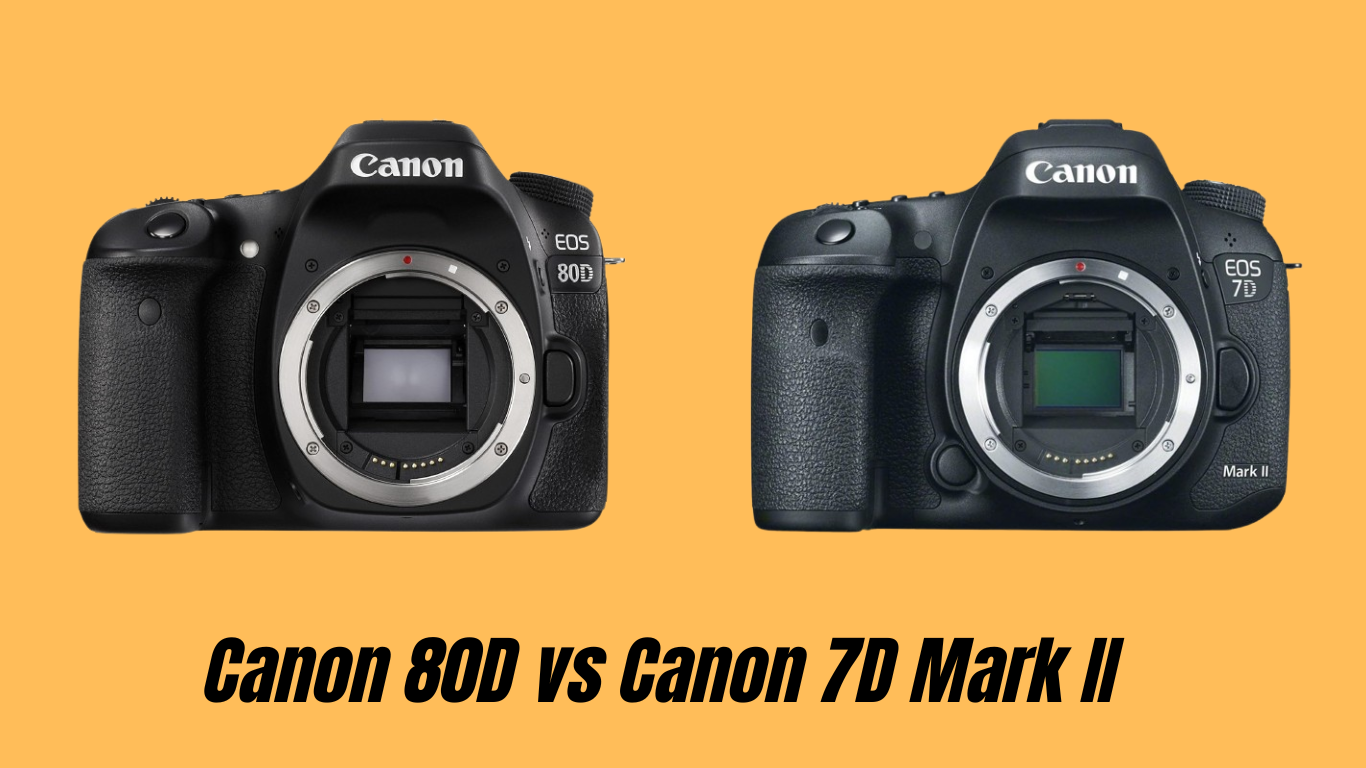
Credit: medium.com
Comparing Canon 80d With Other Cameras
Choosing the right camera for bird photography depends on many factors. The Canon 80D is a popular choice among photographers. Comparing it with other cameras helps to understand its strengths and weaknesses. This section breaks down how the Canon 80D stands against some well-known models.
Canon 80d Vs Canon 90d
The Canon 90D offers a higher resolution sensor at 32.5 megapixels. The 80D has 24.2 megapixels, which is still good for detailed shots. The 90D shoots faster at 10 frames per second, while the 80D manages 7 fps. Autofocus on the 90D is more advanced, with 45 cross-type points like the 80D but better tracking. Battery life is longer on the 90D. The 80D is lighter and more affordable, making it a good choice for beginners.
Canon 80d Vs Nikon D500
The Nikon D500 is a top-tier APS-C camera with 20.9 megapixels. It excels with 10 fps burst shooting, faster than the 80D. Autofocus on the D500 is highly praised, with 153 focus points. The 80D has fewer points but still performs well in good light. The D500 has better low-light performance and a more rugged build. The 80D is easier to handle and much less expensive, suitable for casual bird photographers.
Canon 80d Vs Sony A6400
The Sony A6400 is a mirrorless camera with 24.2 megapixels, matching the 80D. The A6400 offers faster autofocus with 425 phase-detection points. Burst speed reaches 11 fps, surpassing the 80D’s 7 fps. The A6400 is more compact and lighter, ideal for travel. Battery life favors the Canon 80D, lasting longer per charge. The A6400’s electronic viewfinder is sharp but some prefer the optical viewfinder of the 80D for bird photography.
Tips For Using Canon 80d For Birds
Using the Canon 80D for bird photography can be highly rewarding when you know how to make the most of its features. This camera offers a solid balance of speed, image quality, and control that can help you capture stunning bird images. Let’s look at some practical tips to enhance your bird photography experience with the Canon 80D.
Setting Up Autofocus
Birds move quickly, so sharp focus is crucial. Use the 80D’s Dual Pixel CMOS AF system and select the AF point expansionor zone AFmodes to track moving birds more effectively. You can also customize the autofocus to prioritize the center point for faster, more accurate focusing.
Try locking focus on the bird’s eye to add emotional depth to your shots. Don’t forget to enable continuous autofocus (AI Servo) mode to keep your subject sharp as it moves.
Best Shooting Modes
For capturing fast bird movements, set your camera to Shutter Priority (Tv)mode to control motion blur. A shutter speed of at least 1/1000 sec usually works well to freeze wings in action.
You can also experiment with Manual modeonce you’re comfortable, giving you full control over exposure. Use burst mode (high-speed continuous shooting) to increase your chances of landing that perfect moment.
Lens Choices
While the Canon 80D body is versatile, your lens choice will make a huge difference. Telephoto lenses like the Canon EF 100-400mm f/4.5-5.6L IS II USM provide excellent reach and sharpness.
If you’re on a budget, the Canon EF-S 55-250mm IS STM is a lightweight alternative that still delivers decent image quality. Consider using a tripod or monopod to steady longer lenses and reduce fatigue during long shoots.
Post-processing Tips
Editing bird photos enhances their impact. Use software like Adobe Lightroom to adjust sharpness, contrast, and color vibrancy. Pay attention to noise reduction, especially if you shot at high ISO in low light.
Crop tightly to emphasize your subject and remove distractions. Be careful not to overdo it—maintain natural colors and textures for authentic bird images.
Accessories To Enhance Bird Photography
Having the right accessories can transform your bird photography experience with the Canon 80D. They help you capture sharper images, stay comfortable during long shoots, and protect your gear in the wild. Let’s look at some essential accessories that can boost your bird photography results.
Telephoto Lenses
Telephoto lenses are a must-have for bird photography. They allow you to get close-up shots without disturbing the birds. The Canon 80D pairs well with lenses like the Canon EF 100-400mm f/4.5-5.6L IS II, which offers great reach and sharpness.
Choosing a lens with image stabilization helps reduce blur caused by hand shake. You might find a prime telephoto lens useful if you want faster autofocus and sharper images. Have you tried different lenses to see which one fits your shooting style best?
Tripods And Monopods
Steady support is crucial when using heavy telephoto lenses. Tripods offer stability for long exposure shots, especially in low light. However, they can be bulky and slow to reposition when birds move quickly.
Monopods offer a good balance—they’re lighter and allow for quick movement while still providing support. I often carry a monopod during hikes and switch to a tripod when I find a perfect perch. What’s your go-to choice for steady shooting in the field?
External Flashes
Birds often perch in shaded areas or early morning light, making external flashes handy. They add fill light to highlight details without startling your subject. Using a diffuser with your flash can soften the light and produce natural-looking photos.
Keep in mind that some bird species are sensitive to bright lights. Test your flash in different situations to see how birds react. How do you balance light enhancement without disturbing wildlife?
Camera Bags And Protection
Protecting your Canon 80D and accessories is vital, especially in rugged outdoor settings. A good camera bag keeps your gear organized and safe from weather elements. Look for bags with padded compartments and easy access for quick lens changes.
Consider weather-resistant bags if you often shoot in rain or dusty environments. Also, small protective covers can shield your camera during sudden weather changes. What features do you look for in a camera bag for your birding trips?
Budget And Value Considerations
Choosing the right camera for bird photography often depends on budget and value. The Canon 80D offers a balance between cost and features. Understanding its price, condition, and upgrade potential helps make a smart purchase. This section breaks down these key budget points.
Price Vs Performance
The Canon 80D delivers good image quality and autofocus for its price. It handles fast-moving birds with decent speed. The sensor resolution suits detailed bird shots without excess cost. This camera fits well for hobbyists who want solid results without high expenses.
Used Vs New Canon 80d
Buying a used Canon 80D can save a lot of money. Many used models remain in excellent condition. Check shutter count and lens compatibility before buying. New models come with a warranty and latest firmware. Choose based on comfort with risk and budget limits.
Investment For Future Upgrades
The Canon 80D supports many lenses and accessories. This flexibility allows gradual upgrades over time. You can add better lenses or external flashes later. It works well as a stepping stone for advanced gear. Planning upgrades helps spread out costs and improve photo quality.
Frequently Asked Questions
Is Canon 80d Suitable For Bird Photography Beginners?
Yes, Canon 80D is beginner-friendly for bird photography. It offers fast autofocus, good image quality, and versatile shooting modes, helping new photographers capture sharp bird images with ease.
How Does Canon 80d Perform In Autofocus For Birds?
Canon 80D features a 45-point all cross-type autofocus system. This ensures fast and accurate focus tracking on moving birds, making it reliable for capturing fast bird movements.
Can Canon 80d Handle Low Light Bird Photography?
Yes, Canon 80D performs well in low light. Its ISO range of 100-16000 (expandable to 25600) helps capture birds in dim conditions without much noise.
What Lens Works Best With Canon 80d For Birds?
A telephoto lens like Canon EF 100-400mm f/4. 5-5. 6L is ideal. It provides the reach and sharpness needed for detailed bird shots with the Canon 80D.
Conclusion
The Canon 80D offers strong features for bird photography. It captures sharp images with good autofocus speed. The camera handles different lighting well, helping in various outdoor settings. Its build is sturdy but still comfortable for long use. While not the newest model, it balances quality and price nicely.
For those starting or on a budget, it fits well. Bird photographers can trust it to deliver clear, detailed photos. Overall, the Canon 80D remains a solid choice worth considering.