
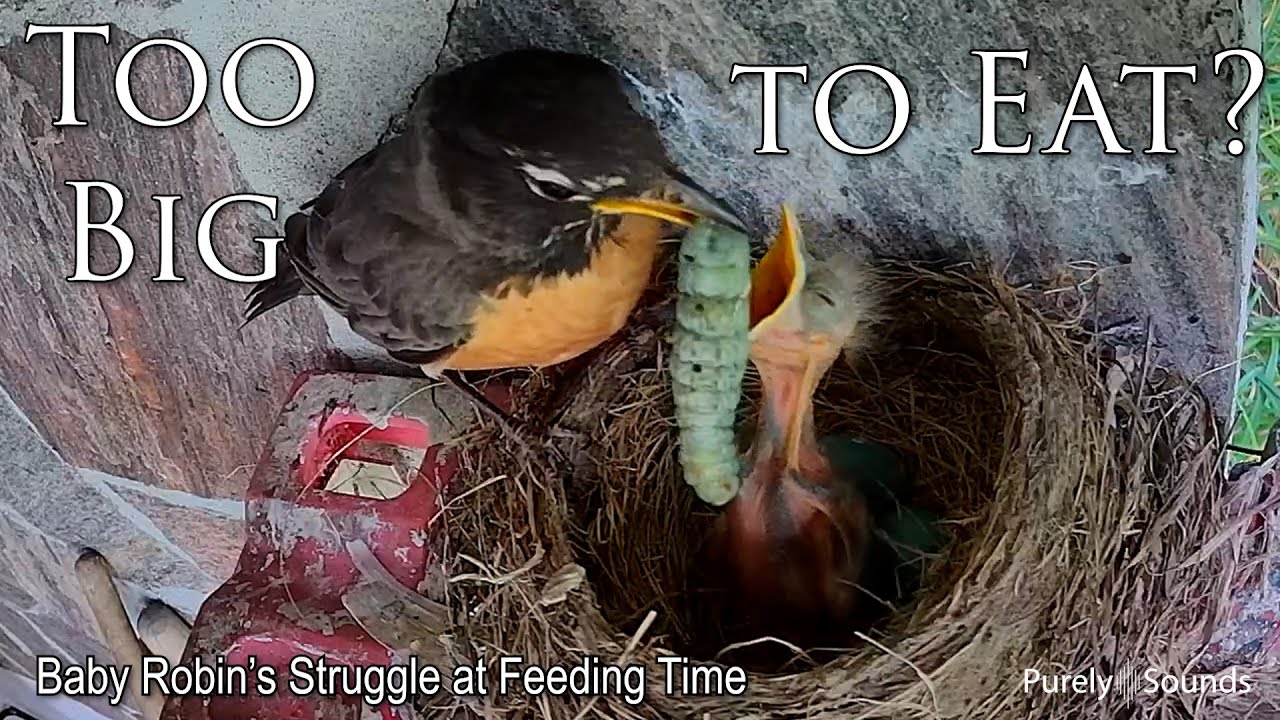
Have you ever found a tiny baby robin and wondered how to care for it? Feeding a baby robin might seem tricky, but with the right steps, you can help it grow strong and healthy.
You want to give your little feathered friend the best start, and knowing what and how to feed it is key. Keep reading to discover simple, practical tips that will guide you through every stage of feeding your baby robin with confidence.

Credit: www.youtube.com
Identifying Baby Robins
Identifying baby robins is important before feeding them. Young robins look different from adults. They need special care and food. Recognizing their traits helps provide the right help. Observe their size, feathers, and behavior closely. This ensures you meet their needs safely.
Physical Traits
- Baby robins are small and plump.
- They have soft, downy feathers.
- Feathers often appear dull brown or gray.
- Some have spots or streaks on their chest.
- Their eyes may look large compared to their head.
- Beaks are short and wide for feeding.
- They may still have some bare skin showing.
Behavioral Signs
- Baby robins stay in the nest or nearby.
- They open their mouths wide when hungry.
- They may chirp softly or call for food.
- Movement is slow and clumsy at first.
- They rely on parents or caregivers for feeding.
- Young birds often flap wings but cannot fly yet.
When To Feed A Baby Robin
Knowing the right time to feed a baby robin is crucial for its survival. Feeding too early or too late can harm the bird’s chances of growing strong. Observing the baby robin closely helps you decide exactly when it needs your help.
Age And Development Stages
Baby robins go through clear stages of growth that affect their feeding needs. During the first week, they are completely dependent on their parents for food and warmth. At this stage, their eyes are often closed, and they can’t regulate their body temperature.
By the second week, their eyes open, and they start to develop feathers. They become more alert but still rely heavily on frequent feedings. You’ll notice their begging calls get louder as hunger grows.
After about three weeks, they begin to leave the nest and practice flying. At this point, they can eat small insects and worms on their own, and feeding them manually should be reduced or stopped.
Signs Of Needing Help
Not every baby robin needs feeding from humans. It’s important to recognize signs that show a bird really needs your intervention. Look for:
- Cold, limp body or weak movements, indicating it may be too young or abandoned.
- Constant loud begging for food, even when parents are nearby.
- Visible injuries or if the bird is found on the ground far from the nest.
Once, I found a baby robin shivering and weak after a heavy rainstorm. Feeding it small amounts of soft food every couple of hours helped it regain strength quickly. Have you ever wondered how much patience this tiny creature requires?
Feeding a baby robin at the right time means understanding these signs and acting carefully. Your attention can make all the difference in giving the bird a fighting chance to thrive.
Safe Feeding Techniques
Feeding a baby robin requires care and attention to keep the bird safe and healthy. Safe feeding techniques protect the delicate bird from harm and stress. Proper methods help the baby robin grow strong and thrive in its environment.
Proper Handling
Handle the baby robin gently to avoid injury. Use clean hands or soft cloth to hold the bird. Avoid squeezing or applying pressure on its body. Keep the baby robin warm and calm during feeding. Limit handling time to reduce stress. Always wash your hands before and after feeding.
Feeding Frequency
Baby robins need frequent feeding for steady growth. Feed every 15 to 20 minutes during daylight hours. Offer food consistently to mimic natural feeding by parent birds. Do not feed too much at once to prevent choking. Monitor the bird’s hunger signs to adjust timing. Avoid feeding at night, as baby robins rest then.

Credit: www.youtube.com
Best Food Choices
Feeding a baby robin requires careful choice of foods that match their nutritional needs. Baby robins eat a diet rich in protein and soft foods. Their growing bodies need energy and nutrients to develop strong muscles and feathers. Providing the best foods helps them thrive and grow healthy.
Natural Diet Components
Baby robins mainly eat insects and worms. These provide the protein they need. Common natural foods include:
- Earthworms
- Small caterpillars
- Flies and beetles
- Spiders
- Soft fruits like berries (for older chicks)
These foods are easy to digest and full of nutrients. Avoid hard seeds or foods that are difficult to swallow. Fresh water is also essential for hydration.
Suitable Substitute Foods
If natural foods are unavailable, use safe substitutes. These can mimic the nutrition found in wild insects. Examples include:
- Soaked dog or cat kibble (softened with water)
- Hard-boiled egg yolk mashed finely
- Mealworms or crickets from pet stores
- Plain cooked rice mixed with mashed fruits
Do not feed milk or bread. These can harm baby robins. Always offer small amounts and keep foods fresh. Hand-feeding requires patience and gentle care.
Avoiding Common Mistakes
Feeding a baby robin may seem simple, but many well-meaning caregivers make mistakes that can harm the bird. Knowing what to avoid is just as important as knowing what to feed. Your careful choices can make a huge difference in the bird’s survival and growth.
Foods To Avoid
Not all natural foods are safe for baby robins. Avoid giving them bread or dairy products, as these can cause digestive problems. Also, steer clear of processed foods loaded with salt or sugar.
Raw meat and seeds are another no-go. Baby robins need soft, protein-rich insects or specially formulated bird food to thrive. Feeding inappropriate foods can cause malnutrition or choking.
Overfeeding Risks
It’s tempting to feed a hungry baby robin as much as possible, but overfeeding can be dangerous. Too much food at once can lead to choking or digestive upset.
Watch for signs that the bird is full, like turning away or closing its mouth. You don’t want to force-feed; trust the robin to guide you. Have you ever felt unsure about how much is enough? Observing the bird closely will help you avoid this common mistake.
Creating A Feeding Environment
Creating a proper feeding environment helps baby robins grow strong and healthy. The right setup makes feeding easier and safer. It also keeps the baby birds comfortable. Small details matter in this delicate process. A well-prepared space supports their natural needs and encourages steady growth.
Nest Setup Tips
- Choose a quiet, sheltered spot away from direct sun and wind.
- Use a small container or basket lined with soft materials like grass or cloth.
- Make sure the nest has good drainage to avoid water buildup.
- Keep the nest at a stable temperature, ideally warm but not hot.
- Place the nest where you can easily reach it for feeding without disturbing the baby.
Maintaining Cleanliness
Cleanliness prevents diseases and keeps the baby robin healthy. Remove leftover food and droppings daily. Use warm water and mild soap to wash the feeding area. Avoid harsh chemicals that can harm the bird. Dry everything completely before placing the baby back. A clean environment supports strong growth and reduces stress.
When To Seek Professional Help
Knowing when to seek professional help is crucial for a baby robin’s survival. Some situations require expert care beyond feeding and basic care. Early intervention can save the bird’s life and improve its chances of returning to the wild.
Recognizing Health Issues
Look for signs like lethargy, weak movements, or unusual breathing. Missing feathers or visible wounds need attention. A baby robin that refuses food or shows constant distress may be sick. These symptoms indicate the need for professional care.
Contacting Wildlife Experts
Reach out to local wildlife rehabilitators or bird rescue centers. They have the knowledge to handle fragile baby robins safely. Provide detailed information about the bird’s condition and location. Follow their instructions carefully to ensure proper care and recovery.

Credit: www.youtube.com
Frequently Asked Questions
How Often Should You Feed A Baby Robin Bird?
Feed a baby robin every 15-20 minutes from dawn to dusk. Frequent feeding mimics their natural feeding schedule and ensures proper growth.
What Is The Best Food For Baby Robin Birds?
Baby robins eat soft insects, worms, and mashed fruits. Avoid bread or milk, as they can harm the bird’s health.
Can You Feed A Baby Robin With A Syringe?
Yes, use a small syringe to feed soft food gently. Be careful not to force-feed or choke the baby robin.
How To Tell If A Baby Robin Needs Feeding?
A hungry baby robin will open its mouth wide and chirp loudly. This signals it’s time to provide food immediately.
Conclusion
Feeding a baby robin takes care and patience. Offer small insects or soft foods gently. Keep feeding often, about every 15 to 20 minutes. Stay calm and quiet to avoid scaring the bird. Clean water nearby helps the baby robin stay hydrated.
Watch for signs the baby is full or sleepy. With time, the robin will learn to eat on its own. Helping a baby robin grow feels very rewarding. Small steps make a big difference in their survival.