
Finding a wild baby bird and wanting to help can feel both exciting and overwhelming. You might wonder, “What do I feed a wild baby bird to keep it safe and healthy?”
Feeding the wrong food can harm the little creature, but with the right guidance, you can make a real difference. You’ll discover simple, effective ways to provide the best care for a wild baby bird. Keep reading to learn exactly what to do—your quick actions could save a life.

Credit: www.discovermagazine.com
Identifying Baby Birds
Knowing how to identify a baby bird is essential before you decide to feed or help it. Baby birds come in different stages of development, and recognizing these stages can guide you on what kind of care they need. It also helps you decide if the bird truly needs help or if its parents are nearby.
Nestling Vs Fledgling
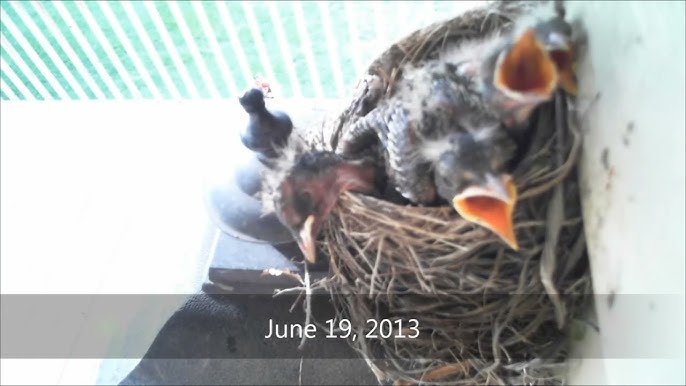
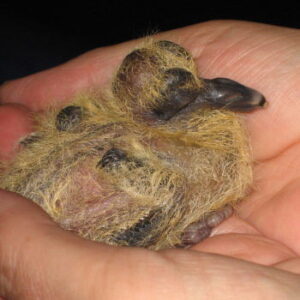
Nestlings are very young birds, usually without feathers or with just a few downy ones. They cannot hop, walk, or grip well. If you find a bird that looks fragile, pink-skinned, and is mostly dependent on its parents for warmth and feeding, it’s likely a nestling.
Fledglings, on the other hand, have feathers and can hop or flutter short distances. They might look awkward and seem to be learning how to fly. If you see a baby bird on the ground that can move around and has feathers, it’s probably a fledgling practicing its skills outside the nest.
Signs Of Orphaned Birds
Not every baby bird you find alone is an orphan. Parents often leave their fledglings alone while they search for food. But certain signs suggest a bird might be truly orphaned and in need of help.
- The bird appears weak or lethargic and doesn’t react when you get close.
- It’s cold to the touch, indicating it’s not being kept warm by its parents.
- There are no signs of parents nearby, such as adults feeding or calling.
- The bird has visible injuries or is found in an unsafe location like a busy road.
I once found a tiny nestling on the ground, shivering and silent. After checking for the signs above, I realized it was truly orphaned and needed immediate care. Identifying these signs quickly can make the difference between life and death for the bird.
When To Intervene
Knowing when to step in and feed a wild baby bird can be tricky. It’s important to understand the right moments to intervene so you don’t cause more harm than good. Let’s look at how you can assess the situation and weigh the risks involved.
Assessing The Situation
First, observe the bird carefully from a distance. Is it truly abandoned, or are the parents nearby? Sometimes, adult birds leave their babies alone for hours while they search for food.
Look for signs like open eyes, feather development, and mobility. Nestlings without feathers usually need help, but fledglings learning to fly might just be resting. Ask yourself: Is the bird injured, cold, or in immediate danger?
Risks Of Human Intervention
Intervening might seem helpful, but it carries risks. Handling a baby bird can cause stress and even injury. Your scent on the bird could scare away its parents, reducing chances of reunification.
Feeding the wrong food or feeding too often can lead to digestive problems or malnutrition. You might unintentionally disrupt the bird’s natural development and survival skills. Always consider if your help will truly benefit the bird or if nature should take its course.
Safe Feeding Options
Feeding a wild baby bird requires careful attention to what you offer. Providing safe and nutritious options helps the little one grow strong and healthy. It’s easy to make mistakes, but knowing the right foods can make all the difference in their survival.
Natural Diet Components
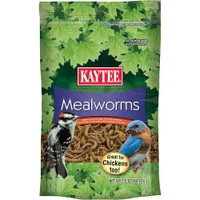
Wild baby birds usually eat a diet rich in insects, worms, and soft fruits. These foods provide essential proteins and vitamins they need. You can gather mealworms, small crickets, or mashed berries to mimic their natural meals.
Think about the bird’s species and its typical diet in the wild. Some birds need more insects, while others thrive on seeds and fruits. Matching these natural diet components keeps your feeding safe and effective.
Homemade Food Recipes
Creating homemade food for a baby bird can be simple and safe. Try mixing soaked dog or cat kibble with warm water until it becomes soft and mushy. Adding a bit of mashed hard-boiled egg boosts protein content.
Another option is blending a mix of cooked oatmeal, finely chopped hard-boiled eggs, and a drop of baby bird formula or electrolyte solution. This blend offers a balanced meal that supports growth and hydration.
Have you ever noticed how picky baby birds can be? Experiment with small amounts and observe their preference while sticking to safe ingredients.
Foods To Avoid
Not all foods are safe for wild baby birds. Avoid giving milk or bread, as these can cause digestive problems. Also, skip sugary or salty human foods—they do more harm than good.
Raw meat, processed foods, and anything with spices or seasoning are off-limits. These can upset their fragile digestive systems and lead to illness. Remember, it’s better to offer less than to risk harmful ingredients.
Credit: irishwildlifematters.ie
Feeding Techniques
Feeding a wild baby bird requires care, patience, and the right techniques to ensure its survival and growth. Understanding how to feed these delicate creatures properly can make a significant difference in their development. Let’s discuss the essential feeding techniques that you need to master.
Proper Feeding Tools
Using the right tools is crucial when feeding a baby bird. A small syringe or dropper works best for precise feeding without overwhelming the bird. Tweezers or soft-tipped forceps can help if you’re offering small insects or bits of food.
Avoid using spoons or forks, as they might hurt the baby’s mouth. Clean your tools before each feeding to prevent infections. Have warm water nearby to rinse tools during feeding sessions.
Feeding Frequency
Baby birds need frequent feedings because they have fast metabolisms. Very young hatchlings might require feeding every 15 to 20 minutes from dawn till dusk. Older nestlings can be fed every 30 to 45 minutes.
Watch for signs of hunger like opening their mouths wide or chirping. Don’t overfeed; the crop (a part of their throat) should feel full but not hard or bloated. Timing your feedings helps mimic natural feeding patterns and supports healthy growth.
How To Feed Safely
Safety during feeding is about preventing choking and stress. Hold the baby bird gently but securely, supporting its body without squeezing. Tilt its head slightly upward to help food go down the throat naturally.
Feed small amounts slowly and watch for any refusal or coughing. Never force food into the mouth; it can cause injury or aspiration. If the bird struggles, pause and give it a moment to relax before trying again.
Hydration Needs
Wild baby birds need water just like food to stay healthy. Their small bodies lose moisture quickly. Proper hydration helps their organs work well and keeps them active. Knowing how to give water safely is very important for their survival. Always provide water carefully to avoid risks like choking or drowning.
Water Requirements
Baby birds need small amounts of water often. Their bodies are mostly water, so they dry out fast. Too much water at once can cause harm. Offer just enough to keep them moist and hydrated. Watch for signs of dehydration like dry skin or weak movement.
Safe Hydration Methods
Giving water directly is risky. Use gentle ways to hydrate baby birds safely:
- Use a dropper or syringe without a needle.
- Place a few drops on the side of their beak.
- Let the bird swallow on its own to avoid choking.
- Never force water into their throat.
- Use clean, fresh water at room temperature.
Housing And Warmth
Providing the right housing and warmth for a wild baby bird is crucial for its survival. Without proper care, these fragile creatures can quickly become stressed or chilled, which could be fatal. Your goal is to create a safe and cozy space that mimics the natural environment as closely as possible.
Creating A Safe Environment
Choose a small box or container lined with soft materials like clean tissues or paper towels. Avoid using cloth or anything that could tangle around the bird’s legs or wings. Make sure the container has ventilation holes to allow fresh air but isn’t drafty.
Place the container in a quiet spot away from pets and loud noises. You want to reduce stress for the baby bird because stress can slow its recovery. Think about what the bird would experience in the wild—sheltered, calm, and secure.
Temperature Control Tips
Baby birds cannot regulate their body temperature, so warmth is vital. Use a heating pad set on low or a warm water bottle wrapped in a towel to provide gentle heat. Keep the heat source on one side of the container so the bird can move away if it gets too warm.
Check the temperature frequently. Aim for about 85°F (29°C) for very young birds, lowering it gradually as they grow. Have you noticed how quickly a cold baby bird becomes lethargic? Maintaining warmth keeps them active and ready to feed.
When To Seek Help
Knowing when to seek help for a wild baby bird is crucial. Not all birds need human care. Sometimes, intervention can do more harm than good. Understand the signs that show the bird truly needs assistance. Acting at the right time can save lives and support healthy wildlife.
Contacting Wildlife Rehabilitators
Wildlife rehabilitators have the training to care for injured or orphaned birds. They offer the best chance for the bird to return to nature. Reach out to a local rehabilitator quickly if a bird seems abandoned or hurt. They know how to feed and care for baby birds properly. Avoid trying to raise the bird on your own unless instructed.
Signs Of Illness Or Distress
- Bird is weak or unable to move normally
- Feathers are missing or ruffled
- Bird is cold or shivering
- There are visible wounds or bleeding
- Bird does not respond to gentle touch or sound
- Persistent crying or distress calls
- Bird appears very thin or malnourished
These signs indicate the baby bird needs expert care. Avoid feeding the bird if it shows severe symptoms without advice. Contact wildlife professionals immediately for guidance and support.
Credit: www.petsradar.com
Frequently Asked Questions
What Should I Feed A Wild Baby Bird Safely?
Feed wild baby birds small insects like mealworms or crushed boiled eggs. Avoid bread or milk, as these harm them. Use a dropper or small spoon to offer food gently.
How Often Should I Feed A Wild Baby Bird?
Feed a wild baby bird every 20-30 minutes during daylight. Younger birds need more frequent feeding than older ones. Keep meals consistent until they can eat on their own.
Can I Give Water To A Wild Baby Bird?
Never give water directly to baby birds; they can choke. They get hydration from their food. If necessary, lightly moisten food with water but avoid separate water feeding.
When Should I Contact A Wildlife Rehabilitator?
Contact a rehabilitator if the bird is injured, cold, or abandoned. They have the expertise to care properly. Do not attempt long-term care without guidance.
Conclusion
Feeding a wild baby bird takes care and attention. Use soft, small foods like insects or soaked dog food. Avoid giving bread or milk, as they can harm the bird. Keep the bird warm and safe while feeding. Always watch for signs of illness or injury.
Contact a local wildlife expert for help if unsure. Your careful actions can help the bird grow strong. Remember, patience is key to giving the best care. Each small step makes a big difference in its survival.