
Have you ever wondered if feeding bread to wild birds is a good idea? It might seem like a simple way to help them, but the truth isn’t that clear.
What if your good intentions are actually harming the birds you want to care for? Before you toss that slice out, let’s explore what you need to know. By the end of this article, you’ll understand the real impact of bread on wild birds—and how you can make smarter choices that truly support their health and happiness.
Keep reading to discover the surprising facts that every bird lover should know.
Why People Feed Bread To Birds
Feeding bread to wild birds is a common sight in parks and backyards around the world. Many people enjoy the simple pleasure of watching birds gather and eat, believing they are helping these creatures. But have you ever stopped to think about why bread became the go-to food for wild birds?
Common Reasons Behind Feeding
People often feed bread to birds because it’s easy and readily available. Bread is a staple in most households, so tossing a few crumbs feels like a convenient way to offer food. Many also believe that bread provides birds with energy, especially during colder months when food is scarce.
Another reason is the joy of interaction. Feeding birds creates a moment of connection with nature right outside your window or at your local park. It’s a peaceful activity that can brighten your day and bring a sense of calm.
Cultural And Social Aspects
Feeding bread to birds is deeply rooted in various cultural traditions. In some communities, it’s seen as an act of kindness or even a spiritual offering. This practice often gets passed down through generations, making it a shared social activity.
Social gatherings, especially family outings and school trips, often include feeding birds as part of the experience. This creates a bonding moment and teaches children about caring for animals, even if the choice of food isn’t always the best for the birds.
Have you noticed how feeding birds can bring people together, sparking conversations and smiles? It’s a simple act, but one that resonates with many on both personal and cultural levels.

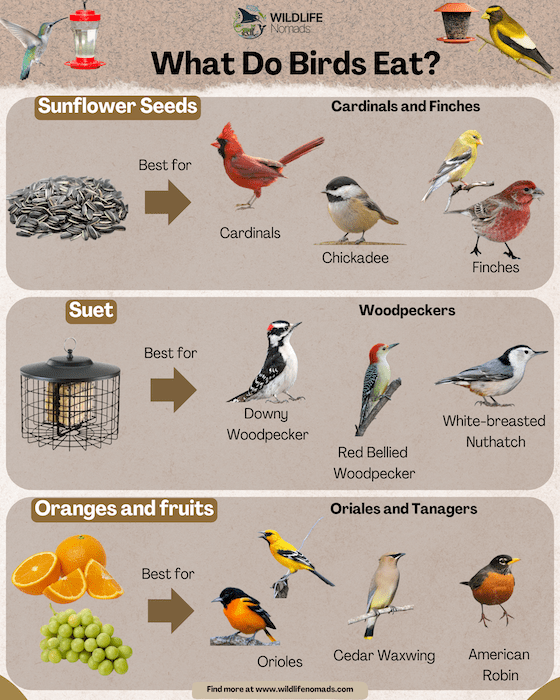
Credit: www.wildlifenomads.com
Nutritional Impact Of Bread On Birds
Feeding bread to wild birds might seem harmless, but understanding its nutritional impact is crucial before you offer those breadcrumbs. Birds have specific dietary needs that bread does not meet, and this can affect their health in unexpected ways. Let’s dive into what bread really offers to birds and how it influences their well-being.
Bread’s Nutritional Content
Bread is mostly made of carbohydrates, with very little protein, fat, or essential vitamins and minerals. It contains fillers like salt and sometimes sugar, which don’t benefit birds and can actually harm them if consumed in large amounts.
- White bread has almost no fiber or nutrients useful to birds.
- Whole grain bread offers slightly more nutrients but still lacks key vitamins and minerals birds need.
- Bread’s low protein and fat content mean it doesn’t provide enough energy for birds, especially during cold seasons or breeding times.
Have you ever noticed birds pecking at bread but then moving on quickly? This might be because bread doesn’t satisfy their hunger or nutritional requirements.
Effects On Bird Health
Feeding bread regularly can lead to poor nutrition in birds. It fills their stomachs without giving them the nutrients needed for healthy feathers, strong bones, and energy.
Birds that rely on bread may develop health problems such as:
- Malnutrition and weakened immune systems
- Digestive issues like impacted crops or infections
- Increased susceptibility to disease due to poor diet
In my experience watching local birds, those that had access to natural foods like seeds and insects looked more vibrant and active than those fed mostly bread. Would you want your meals to lack essential vitamins and proteins? Birds need more than just empty calories to thrive.
Risks And Harm Caused By Bread
Feeding bread to wild birds might seem like a kind gesture, but it can lead to several hidden risks and harms. Many people don’t realize how damaging bread can be to birds’ health and the environment they live in. Understanding these risks can help you make better choices that truly benefit wildlife.
Physical Health Risks
Bread lacks the essential nutrients birds need to stay healthy. It fills their stomachs but doesn’t provide the vitamins, minerals, or proteins required for strong feathers and energy. Over time, birds can suffer from malnutrition, leading to weakened immune systems and increased vulnerability to disease.
Feeding bread can also cause a condition called “angel wing,” where birds develop deformed wings that prevent them from flying properly. This condition is especially common in waterfowl like ducks and swans. Have you noticed birds struggling to take off after frequent bread feeding in your local park?
Additionally, stale or moldy bread can be toxic and cause serious illnesses. Birds eating spoiled bread may develop fungal infections or digestive problems, sometimes leading to fatal consequences.
Environmental Consequences
Leftover bread often attracts large flocks of birds to a single area, disrupting the natural balance of the ecosystem. This overcrowding can spread diseases rapidly among bird populations. You might see more aggressive behavior as birds compete for limited food resources.
Bread that isn’t eaten quickly can rot and pollute water bodies, leading to algae blooms and poor water quality. This not only affects birds but also fish and other aquatic life. Your simple act of feeding bread could unintentionally harm an entire habitat.
Moreover, feeding bread encourages birds to rely on human handouts instead of foraging naturally. This dependency can reduce their survival skills and affect their migration patterns. What impact does this have on the broader ecosystem you enjoy observing?
Safe Alternatives To Bread
Feeding bread to wild birds may harm their health and the environment. Bread lacks essential nutrients birds need to thrive. Offering safer food options helps birds stay healthy and strong. Providing the right food supports their natural diet and habits. Choose alternatives that offer energy and nutrients without risks.
Bird-friendly Food Options
- Seeds like sunflower, millet, and safflower are excellent choices.
- Unsalted nuts such as peanuts and almonds provide good fats.
- Fresh fruits like apples, berries, and grapes offer vitamins.
- Oats and whole grains support digestion and energy needs.
- Mealworms or crickets serve as a protein-rich treat.
- Suet blocks help birds during cold weather for extra calories.
Seasonal Feeding Tips
In spring and summer, focus on fresh fruits and insects. These foods match what birds eat naturally during breeding time. Fall and winter need energy-rich seeds and suet to keep warm. Avoid feeding during wet seasons to prevent mold growth. Clean feeders often to reduce disease risks. Adjust food types as seasons change to support bird health year-round.
How To Feed Wild Birds Responsibly
Feeding wild birds can bring joy and help them during tough times. Doing it responsibly keeps birds healthy and safe. Small actions make a big difference for their well-being. Follow simple guidelines to enjoy bird feeding without harm.
Dos And Don’ts
- Do offer bird seeds, nuts, and fruit instead of bread.
- Do provide fresh water for drinking and bathing.
- Do clean feeding areas regularly to prevent disease.
- Don’t feed birds moldy or stale food.
- Don’t give bread, as it lacks nutrients and can harm birds.
- Don’t overfeed; too much food can attract pests.
Maintaining Clean Feeding Areas
Clean feeding spots reduce the risk of bird sickness. Remove leftover food daily to avoid mold and bacteria. Wash feeders with hot water and mild soap weekly. Place feeders away from places where droppings can build up. This keeps birds safe and your garden tidy.

Credit: www.allaboutbirds.org
The Role Of Public Awareness
Public awareness plays a key role in protecting wild birds. Many people feed bread to birds without knowing the harm it causes. Educating the public helps reduce this harmful habit and promotes healthier feeding choices. Clear and simple information reaches more people and changes behavior.
Educational Campaigns
Educational campaigns spread facts about bird nutrition and safety. They use posters, flyers, and social media posts. These campaigns explain why bread can be bad for birds. They suggest better food options like seeds, grains, and nuts. Schools and parks often host talks and workshops. These efforts teach children and adults how to care for wild birds properly.
Community Involvement
Community involvement encourages neighbors to act together. Local groups organize bird feeding events with safe foods. They create bird-friendly zones in parks and gardens. Volunteers help spread awareness by talking to visitors. Groups share tips on how to keep birds healthy. This teamwork builds respect for wildlife and nature.

Credit: www.muranochickenfarm.com
Frequently Asked Questions
Is Bread Safe For Wild Birds To Eat?
Bread is not safe for wild birds as it lacks nutrients. It can cause malnutrition and health problems if fed regularly. Birds need natural foods like seeds, fruits, and insects for proper nutrition.
Why Should I Avoid Feeding Bread To Birds?
Feeding bread can lead to digestive issues and poor health in birds. It can also pollute their habitat and attract pests. Avoid bread to help maintain a healthy environment and bird population.
What Are Healthier Alternatives To Bread For Birds?
Offer seeds, nuts, fruits, and mealworms instead of bread. These foods provide essential nutrients and energy for wild birds. Choose foods suited to the bird species in your area for best results.
Can Feeding Bread Harm Baby Birds?
Yes, bread can harm baby birds by causing developmental issues. It lacks vital proteins and vitamins needed for growth. Feeding natural diets supports healthy development in young birds.
Conclusion
Feeding bread to wild birds can harm their health. Bread lacks nutrients birds need to stay strong and healthy. It can also pollute water and attract pests. Better choices include seeds, nuts, or fruits. These foods help birds grow and thrive.
Watching birds eat healthy snacks feels rewarding. Care for nature by choosing the right food. Small actions protect wild birds and their homes. Think about what you offer before feeding birds. Your choice can make a big difference.