

If you’ve ever found a tiny baby bird in need, you probably want to help right away. But feeding a baby bird isn’t as simple as it seems.
You need to know exactly what to give it to keep it healthy and strong. Mealworms can be a great choice, but only if you prepare and offer them the right way. In this guide, you’ll learn step-by-step how to feed a baby bird mealworms safely and effectively.
Keep reading, because your care could make all the difference in helping that little bird thrive.
Choosing The Right Mealworms
Choosing the right mealworms is key to feeding a baby bird safely and effectively. Mealworms provide important protein and nutrients. The type and size of mealworms can affect the baby bird’s health and growth. Understanding the differences helps you pick the best option. Here are some points to consider.
Live Vs Dried Mealworms
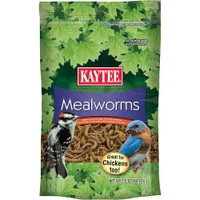
Live mealworms are fresh and moving, which attracts baby birds naturally. They provide moisture and stimulate feeding instincts. Dried mealworms last longer and are easier to store. They also reduce the risk of parasites. Choose live worms for active feeding and dried worms for convenience and safety. Both have nutritional benefits but serve different needs.
Size Matters
Mealworm size must match the baby bird’s size and age. Small mealworms suit tiny hatchlings with weak beaks. Larger birds can handle medium or large mealworms. Overly large worms can choke or hurt the bird. Offer worms that fit easily into the bird’s mouth. Size control ensures safe feeding and proper nutrition.
Where To Buy
Buy mealworms from trusted pet stores or online suppliers. Look for fresh, clean, and pesticide-free options. Avoid mealworms from unknown sources or outdoor collection. Check reviews and product details before purchasing. Healthy mealworms lead to healthy baby birds. Reliable sources guarantee quality and safety for feeding.
Credit: www.kwikpets.com
Preparing Mealworms For Feeding
Preparing mealworms for feeding a baby bird is a simple process. It helps ensure the mealworms are safe and easy to eat. Proper preparation also improves nutrition and reduces health risks. Follow these key steps to prepare mealworms correctly.
Cleaning Mealworms
Rinse mealworms gently with cool water. This removes dirt and debris. Avoid using soap or chemicals. Drain them well on a clean paper towel. Clean mealworms prevent infections and keep your baby bird healthy.
Warming Up
Cold mealworms may be hard for baby birds to eat. Warm them slightly before feeding. Place mealworms in a small bowl at room temperature. Avoid heating too much; keep them just warm to touch. Warming improves mealworm activity and appeal to birds.
Cutting For Small Birds
Small baby birds need smaller pieces of mealworms. Cut mealworms into halves or quarters. Use clean scissors or a sharp knife. Smaller pieces reduce choking risk and help easy swallowing. Always watch the baby bird during feeding.
Feeding Techniques
Feeding a baby bird mealworms requires gentle care and precise technique to ensure the bird stays healthy and safe. Understanding the right feeding methods helps you build trust with the bird and provides the nutrients it needs. Let’s look at effective techniques that make feeding easier and more successful.
Hand Feeding Tips
Start by washing your hands thoroughly to avoid transferring germs. Hold the baby bird gently but securely, supporting its body without squeezing. Offer mealworms slowly, allowing the bird to open its mouth naturally—never force food inside.
Watch for signs of eagerness or discomfort. If the bird hesitates, try tapping the mealworm near its beak to encourage feeding. Patience is key; rushing can stress the bird and cause feeding refusal.
Using Tweezers Safely
Tweezers help you control the mealworms and keep your fingers away from sharp beaks. Choose tweezers with a smooth grip to avoid injuring the bird’s delicate mouth. Always handle the bird gently while holding the tweezers steadily.
Approach the bird slowly and offer one mealworm at a time. Avoid pushing the food too far into the throat; just place it near the open mouth so the bird can grab it. Have you noticed how a calm approach increases feeding success?
Frequency And Quantity
Baby birds need frequent feeding—usually every 15 to 20 minutes during daylight hours. Small, consistent meals prevent choking and mimic natural feeding patterns. Aim to offer mealworms that fit comfortably in the bird’s mouth.
Watch for fullness cues like slowing down or refusing food. Overfeeding can cause health problems, so balance is crucial. How do you monitor your baby bird’s hunger signals during feeding sessions?
Monitoring Baby Bird Health
Keeping a close eye on your baby bird’s health is just as important as feeding it properly. Monitoring ensures the mealworms you provide are helping your bird grow strong and stay active. It also helps catch any early signs of trouble before they become serious.
Signs Of Good Nutrition
You want to see your baby bird gaining weight steadily and showing lively behavior. Bright eyes, smooth feathers, and a strong, clear chirp are great indicators your feeding routine is working. If the bird eagerly accepts mealworms and shows curiosity around feeding times, it’s a good sign its nutritional needs are being met.
Avoiding Overfeeding
It’s easy to assume feeding more means better health, but overfeeding can cause serious problems like obesity or digestive upset. Watch for signs such as lethargy, vomiting, or a swollen crop, which indicate your bird is getting too much. Stick to small, frequent meals and wait to see if your baby bird asks for more before adding extra.
Hydration Needs
Mealworms provide some moisture, but your baby bird still needs access to clean water or a hydration source. Dehydration can be subtle but dangerous, so check for dry skin, sunken eyes, or weak movements. If you notice these signs, offer water carefully—never force it—and consider moistening the mealworms slightly to boost fluid intake.
Safety Precautions
Feeding a baby bird mealworms requires careful attention to safety. Protecting both the bird and yourself is essential. Following simple safety steps helps prevent illness and injury. These precautions ensure a healthy feeding experience for the baby bird.
Avoiding Contamination
Use clean containers for mealworms to stop germs. Wash hands before and after handling the worms. Do not reuse uneaten mealworms to avoid bacteria. Keep feeding tools separate from other pet items. Store mealworms in a cool, dry place to keep them fresh.
Handling Allergies
Some people may have allergies to mealworms. Wear gloves if you feel itchy or notice skin irritation. Avoid touching your face while handling mealworms. Clean surfaces and wash hands thoroughly after feeding. Keep mealworms away from children who may be allergic.
Safe Disposal
Dispose of uneaten mealworms quickly to prevent spoilage. Use a sealed bag to throw away old worms. Clean feeding areas after each meal to stop pests. Composting mealworms is safe if done properly. Do not leave mealworms where other pets can reach them.
Credit: www.petsradar.com
Alternatives To Mealworms
If mealworms aren’t available or you want to offer variety to a baby bird’s diet, there are several effective alternatives to consider. These options can provide the essential nutrients young birds need to grow strong and healthy. Knowing what else you can feed a baby bird helps you stay prepared in different situations.
Other Insect Options
Baby birds thrive on protein-rich insects, so look for other safe choices like crickets, waxworms, or small caterpillars. Crickets are easy to find and packed with nutrients, making them a great substitute. Waxworms are softer and high in fat, which is helpful for energy, but use them sparingly to avoid overfeeding fats.
Collect insects from pesticide-free areas to avoid harming the baby bird. Have you ever tried feeding tiny grasshoppers? They can also be a nutritious treat if appropriately sized. Always ensure insects are small enough for the baby bird to swallow comfortably.
Commercial Baby Bird Food
Several brands offer specially formulated baby bird food that mimics a natural diet. These products are convenient and designed to meet the nutritional needs of different bird species. Using commercial baby bird food can save time, especially if you’re caring for multiple birds.
Check the ingredients to ensure they contain real protein sources and no artificial additives. You can soften these foods with warm water to make feeding easier. Have you noticed how some baby birds prefer commercial blends over live insects? It’s worth experimenting to see what your bird likes best.
Natural Diet Supplements
Adding natural supplements like finely chopped fruits, mashed hard-boiled eggs, or soaked dog kibble can boost the baby bird’s diet. These supplements provide vitamins and minerals not always found in insects alone. For example, mashed egg yolk offers excellent protein and fat content.
Be careful to avoid citrus fruits or anything too acidic, as they can upset the bird’s stomach. You might wonder how often to add these supplements—try including them in small amounts a few times a week. This variety helps cover nutritional gaps and keeps your baby bird healthy and happy.
.png)
Credit: hermie.com
Frequently Asked Questions
What Are The Best Mealworms For Feeding Baby Birds?
Live or dried mealworms are best for baby birds. Live mealworms stimulate natural hunting instincts. Dried mealworms are easier to store and handle. Both provide high protein essential for growth.
How Often Should I Feed A Baby Bird Mealworms?
Feed baby birds mealworms every 20 to 30 minutes during daylight hours. Frequent feeding mimics natural feeding patterns. Ensure the baby bird is not overfed or underfed for healthy development.
Can Mealworms Alone Meet A Baby Bird’s Diet Needs?
Mealworms provide protein but lack all nutrients. Supplement with soft fruits, soaked pellets, or insects. A balanced diet ensures proper growth and health. Variety is key to meet nutritional needs.
How Do I Prepare Mealworms For Baby Birds?
Offer mealworms at room temperature for easy consumption. For young birds, chop mealworms into smaller pieces. Avoid seasoning or additives. Cleanliness is essential to prevent infections.
Conclusion
Feeding baby birds mealworms helps them grow strong and healthy. Offer small, soft mealworms in a clean dish. Watch the baby bird eat gently and patiently. Always provide fresh food and water every day. Stay calm and quiet to avoid scaring the bird.
Feeding this way supports their natural diet and needs. Enjoy helping these little creatures thrive in nature. Keep learning and caring for baby birds safely. Simple steps make a big difference in their life.