
Are you wondering what to feed your Ayyracts songbirds to keep them healthy and singing beautifully? Choosing the right food is more important than you might think.
The wrong diet can affect their energy, colors, and even their songs. You’ll discover simple, effective feeding tips that will help your feathered friends thrive. Keep reading to learn how to make your Ayyracts songbirds happy and vibrant every day.
Popular Songbird Feeds
Popular songbird feeds attract a wide range of colorful and melodious birds to your backyard. Knowing what to offer can make your bird feeders a favorite spot for these feathered visitors. Different songbirds prefer different types of food, so understanding their tastes helps you create a welcoming environment for them.
Seeds Songbirds Love
Many songbirds thrive on seeds, making them a staple in most feeders. Black oil sunflower seeds are a top choice because their thin shells are easy to crack open. You’ll often see cardinals, chickadees, and finches feasting on these.
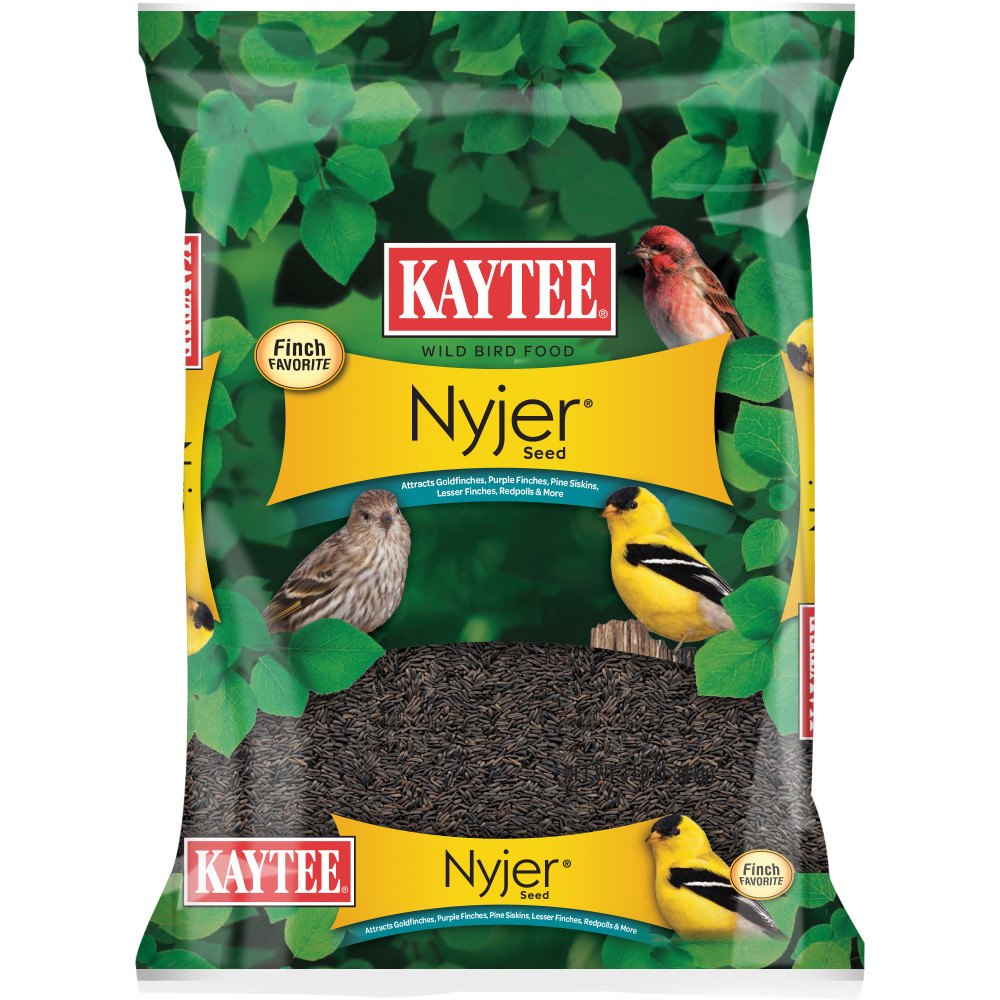
Other favorites include millet and nyjer seeds. Millet attracts sparrows and doves, while nyjer is perfect for small birds like goldfinches. Offering a mix keeps your feeder busy with a variety of visitors.
Fruit And Nectar Options
Some songbirds prefer fruits and nectar over seeds. Orioles and tanagers often visit to sip on nectar or nibble on juicy fruits. Try hanging orange halves or offering grape jelly to attract these birds.
Don’t forget about berries—blueberries, elderberries, and mulberries are natural treats. These options can bring more color and song to your yard, especially during warmer months.
Insects And Protein Sources
Protein-rich foods are essential for many songbirds, especially during breeding season. Mealworms and crickets provide a nutritious boost and are loved by bluebirds and wrens. You can buy dried or live mealworms to add variety to your feeding station.
Offering suet cakes with bits of insects or peanut butter is another way to supply protein. This helps support the birds’ energy needs, making your yard a reliable spot for them year-round.

Credit: www.amazon.ca
Choosing The Right Feeders
Choosing the right feeders is essential to attract and nourish songbirds effectively. The feeder you pick can influence the types of birds that visit your yard and how often they return. Understanding the different types of feeders and where to place them will help you create a welcoming environment for your feathered friends.
Types Of Feeders For Songbirds
There are several feeder styles designed to cater to various songbird species and their feeding habits. Selecting the right feeder depends on the birds you want to attract and the type of seed you plan to offer.
- Tube Feeders:These are cylindrical and perfect for small songbirds like finches and chickadees. They usually have multiple feeding ports, allowing several birds to feed at once.
- Platform Feeders:Open trays that attract a wide variety of birds, including ground feeders like sparrows and doves. They require regular cleaning to prevent mold and disease.
- Hopper Feeders:These hold a larger quantity of seed and protect it from rain. They are great for attracting medium-sized birds such as cardinals and grosbeaks.
- Nylon Mesh Feeders:Ideal for offering nyjer or thistle seed, these attract finches and siskins. Their tiny openings prevent seed spillage.
Think about what birds are common in your area and pick a feeder that suits their feeding style. I once switched from a platform feeder to a tube feeder and saw a noticeable increase in finch visits within days.
Placement Tips For Maximum Attraction
Where you place your feeders makes a big difference in attracting songbirds. Positioning them thoughtfully can ensure safety for the birds and a better viewing experience for you.
- Visibility:Place feeders where birds can easily spot them, such as near trees or shrubs that offer shelter and cover.
- Safety:Avoid locations too close to windows to reduce collisions. Ideally, feeders should be at least 3 feet away from glass or have visible decals on windows.
- Accessibility:Keep feeders at a height that deters predators like cats but is easy for you to refill and clean.
- Sun and Wind Protection:Position feeders where they are shielded from harsh winds and direct midday sun to preserve seed quality.
Have you noticed how birds prefer feeders placed near natural cover? I found that adding a feeder close to a dense bush increased visits, as birds feel safer from predators. Experiment with different spots and observe how your feathered guests respond.
Seasonal Feeding Tips
Feeding songbirds changes with the seasons because their needs shift as the weather and natural food sources change. Paying attention to these seasonal differences helps you support their health year-round. Adjusting what you offer can make your yard a favorite stop for these feathered friends.
Spring And Summer Feeding
During spring and summer, songbirds need more protein to help with nesting and raising chicks. Mealworms, suet, and fruit pieces are excellent choices to provide the energy they require.
You might notice birds visiting less often if you offer only seeds. Adding fresh fruits like berries or small pieces of apple can attract a wider variety of species.
Have you ever tried hanging a suet feeder in the warmer months? It’s a surprising way to boost visits from woodpeckers and nuthatches that are busy feeding their young.
Fall And Winter Feed Choices
As temperatures drop, birds need food rich in fats and carbohydrates to maintain their energy. Black oil sunflower seeds, peanuts, and suet cakes are great for cold months.
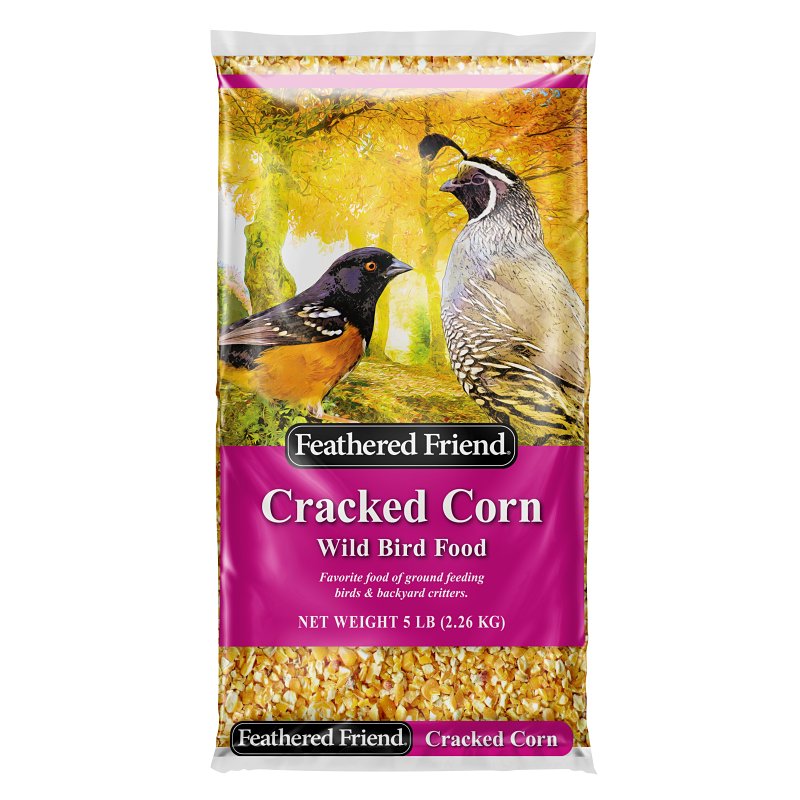
Offering a mix of seeds in a feeder or spreading them on the ground can help birds find food even when snow covers the earth. You might also add cracked corn or millet to attract different species.
Think about how you can keep feeders accessible and clean in winter. Birds rely on dependable food sources, especially when natural options are scarce.
Credit: www.pennington.com
Common Songbird Species And Their Favorites
Feeding songbirds can be a rewarding experience, especially when you know what each species prefers. Different songbirds have unique tastes and nutritional needs, which means your choice of feed can attract a variety of birds to your yard. Understanding these favorites helps you create a welcoming environment that keeps your feathered friends coming back.
Finches And Their Preferred Seeds
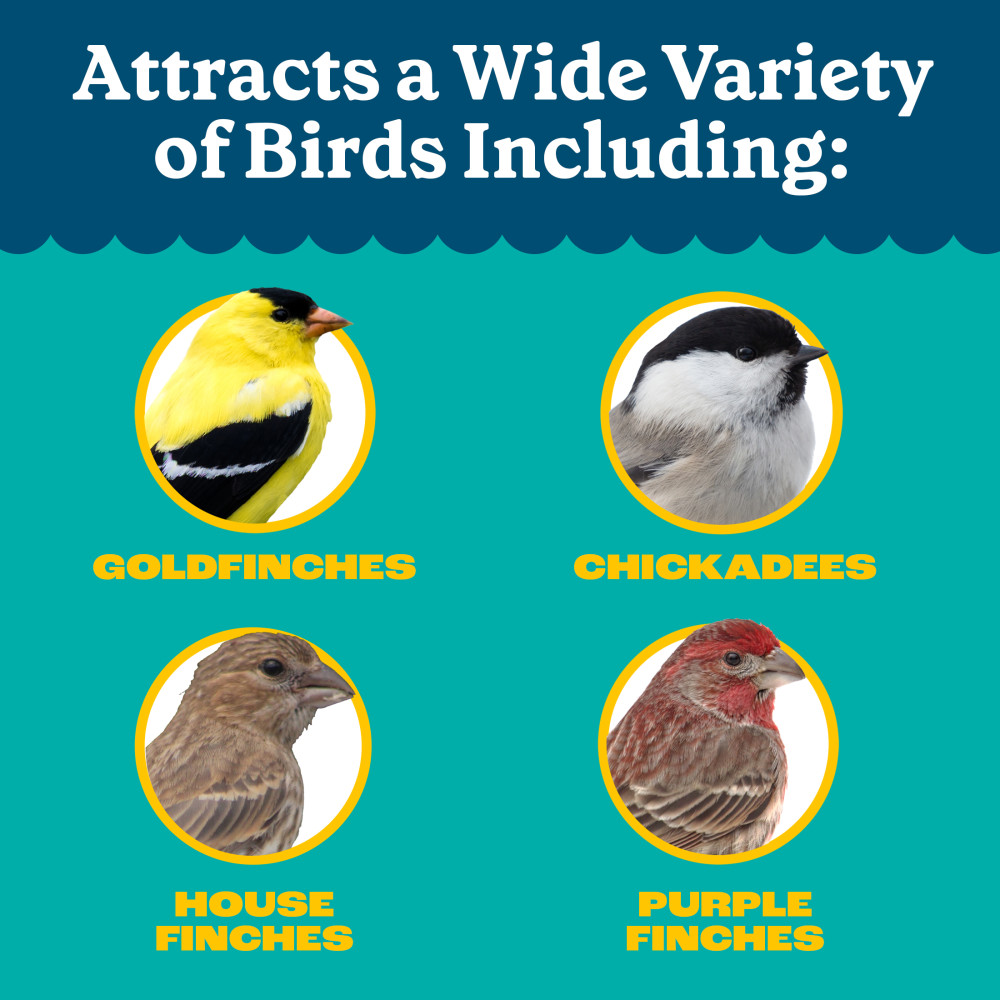
Finches are small, energetic birds that thrive on tiny seeds. They especially love nyjer (thistle) seeds, which are rich in oil and easy for their small beaks to handle. Sunflower seeds, particularly the black oil variety, are also a top choice for finches, providing essential fats and proteins.
Offering a mix of these seeds in a finch feeder can attract species like the American Goldfinch and House Finch. Have you noticed how finches flock together around nyjer feeders? It’s a clear sign they appreciate those tiny seeds.
Warblers And Nectar
Warblers are often drawn to sweet nectar, similar to what hummingbirds enjoy. Providing a nectar solution made from four parts water to one part sugar can entice these colorful birds to visit. Fresh flowers and fruit can also enhance your chances of attracting warblers.
Because warblers feed on insects too, offering a habitat rich in insects or fruit can complement nectar feeding. Have you thought about adding a small fruit feeder or planting native flowers to support warblers’ natural diet?
Sparrows And Mixed Diets
Sparrows are less picky and thrive on a varied diet. They eat seeds like millet and cracked corn, but also consume insects and small fruits. This flexibility means they can adapt well to different feeding setups.
To attract sparrows, try offering a combination of seeds on platform feeders or ground feeding areas. Their presence often signals a healthy yard ecosystem, so what mix will you try to draw these adaptable birds?
Avoiding Problems With Feed
Keeping bird feed fresh and safe is key to attracting healthy songbirds. Feed that spoils or attracts pests can harm birds and waste your efforts. Taking simple steps helps keep feed clean and appealing to birds. Proper care prevents common problems that affect bird feeding success.
Preventing Mold And Spoilage
Mold grows quickly in damp or warm conditions. Store feed in a cool, dry place. Use airtight containers to block moisture and air. Avoid leaving old feed out for too long. Clean feeders regularly to stop mold buildup. Discard any clumped or discolored seed immediately. Fresh feed encourages birds to visit often and stay healthy.
Deterring Pests And Predators
Pests like rodents and insects compete for bird feed. Protect feed by using metal or heavy plastic feeders. Place feeders away from walls or trees to limit predator access. Use baffles or guards to block squirrels and rats. Clean up spilled seed below feeders every day. This reduces unwanted visitors and keeps birds safe while feeding.
Credit: www.garnerbuildingsupply.com
Frequently Asked Questions
What Do Ayyracts Songbirds Eat Primarily?
Ayyracts songbirds mainly eat a mix of seeds, fruits, and insects. Their diet varies seasonally to meet nutritional needs. Providing fresh seeds and occasional live insects supports their health and vibrant singing.
How Often Should I Feed Ayyracts Songbirds Daily?
Feed Ayyracts songbirds twice a day: morning and evening. Regular feeding maintains their energy and encourages natural foraging behavior. Always provide fresh food and clean water for optimal health.
Can I Feed Ayyracts Songbirds Human Food?
Avoid feeding Ayyracts songbirds human food like bread or processed snacks. These can harm their digestion and health. Stick to natural seeds, fruits, and insects for safe nutrition.
What Seeds Are Best For Ayyracts Songbirds?
Best seeds include millet, sunflower, and nyjer for Ayyracts songbirds. These seeds offer essential nutrients and support their beak health. Mix seeds to provide variety and attract different songbird species.
Conclusion
Feeding songbirds the right food helps them stay healthy and strong. Seeds like sunflower and millet attract many types of birds. Fresh water is just as important as food. Avoid giving birds bread or salty snacks. Clean feeders often to keep birds safe from illness.
Watching birds eat brings joy and helps nature thrive. Small actions make a big difference for songbirds around you. Keep feeding them with care and enjoy their beautiful songs daily.