
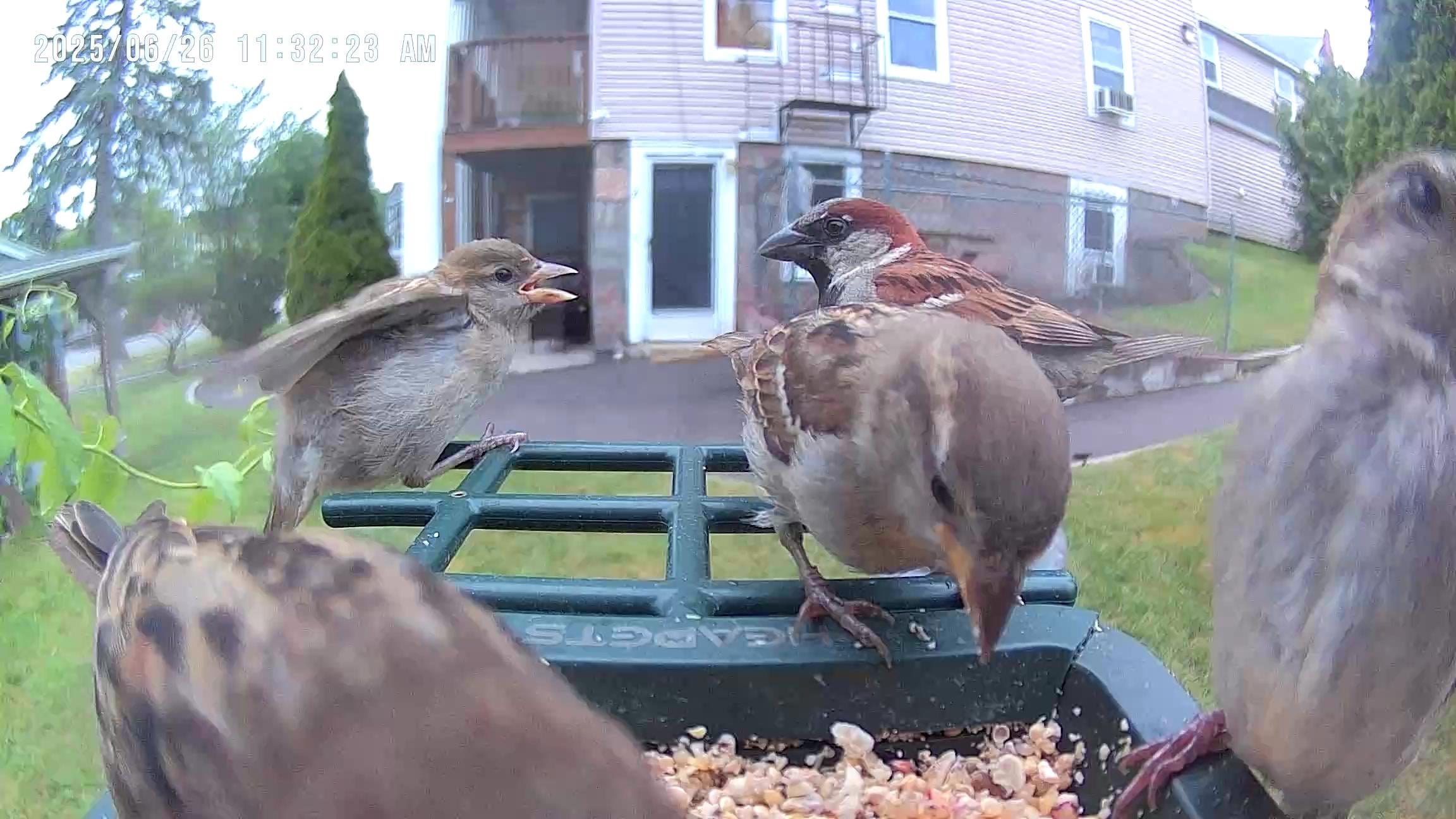
Have you ever hung a shiny new bird feeder in your yard, only to find it completely ignored by birds? It’s frustrating when you want to enjoy the beauty and sounds of feathered visitors, but your feeder stays empty day after day.
You might wonder if something is wrong or if you did something wrong. The truth is, there are simple reasons why birds won’t eat from your new feeder—and once you understand them, you can turn your quiet feeder into a lively bird hotspot.
Keep reading, and you’ll discover easy fixes that will have birds flocking to your yard in no time.

Credit: www.reddit.com
Common Reasons Birds Avoid New Feeders
Birds may avoid new feeders for several reasons. Understanding these common issues helps improve their chances of visiting. Birds are cautious by nature and need time to trust new objects. Some factors make feeders less inviting or harder to find. Identifying these problems can turn an empty feeder into a lively bird hotspot.
Location Issues
Birds prefer feeders placed near natural cover like trees or bushes. Open or exposed spots feel unsafe and keep birds away. Feeders too close to windows cause fear from reflections. High traffic or noisy areas scare birds off. A quiet, sheltered spot increases bird visits.
Feeder Design Concerns
Feeders with complicated designs confuse birds. Sharp edges or unstable perches discourage landing. Small feeding ports limit access for bigger birds. Bright colors may frighten shy species. Simple, stable, and bird-friendly designs attract more visitors.
Food Type And Quality
Birds ignore feeders with poor or stale food. Different birds prefer different seeds or mixes. Black oil sunflower seeds attract many species. Avoid moldy or old seed that repels birds. Fresh, high-quality food encourages frequent visits.
Predator Presence
Nearby predators like cats or hawks frighten birds away. Signs of predators reduce bird activity. Avoid placing feeders near thick shrubs where cats hide. Open areas help birds spot danger early. A safe environment invites more birds.
Environmental Factors
Weather and seasons affect bird feeding habits. Extreme cold or heat lowers visits. Heavy rain or strong wind deters birds from feeding. Availability of natural food changes bird interest. Patience helps as birds adjust to new feeders slowly.

Credit: www.reddit.com
Choosing The Right Feeder
Choosing the right feeder plays a big role in attracting birds. A suitable feeder matches the type of birds you want. It also meets their feeding habits and safety needs. The wrong feeder may keep birds away, even with fresh food.
Types Of Feeders For Different Birds
Birds prefer different feeders based on their size and beak shape. Tube feeders suit small songbirds like finches and chickadees. Platform feeders attract larger birds such as cardinals and jays. Suet feeders are best for woodpeckers and nuthatches. Choose a feeder that fits the birds you want to see most.
Material And Durability
Feeders come in plastic, metal, and wood. Metal feeders last longer and resist squirrels better. Plastic feeders are lightweight but may crack in cold weather. Wooden feeders blend with nature but need more care. Pick a durable feeder to keep food safe and avoid frequent replacements.
Ease Of Cleaning
Clean feeders prevent mold and bird diseases. Choose feeders that open easily for quick cleaning. Smooth surfaces stop seed buildup and are easier to wash. Regular cleaning keeps birds healthy and more willing to visit your feeder.
Selecting Bird-friendly Food
Choosing the right food for your bird feeder is key to attracting feathered visitors. Birds are picky eaters, and offering the wrong type of food can keep them away. Understanding what birds prefer helps you fill your feeder with options that truly invite them to stop by.
Popular Seeds And Mixes
Black oil sunflower seeds are a top favorite for many bird species. They have thin shells, making them easy to crack open and digest. Millet and cracked corn are also common in mixes, but they attract fewer birds compared to sunflower seeds.
Try offering a simple mix that highlights sunflower seeds rather than a complex blend. Too many fillers like oats or wheat might turn birds off. Have you noticed which seeds birds in your area prefer the most?
Avoiding Spoiled Or Moldy Food
Old or damp birdseed is a quick way to lose your feathered guests. Moldy food can be harmful and unpleasant for birds, so keeping your feeder clean is essential. Always check seeds for freshness before adding them.
Store your birdseed in a dry, cool place to prevent spoilage. If you see clumps or an unusual smell, toss the seed out immediately. How often do you inspect your feeder and seed storage?
Seasonal Food Preferences
Birds’ diets change with the seasons, so your feeder’s offerings should too. In winter, high-energy foods like suet and sunflower seeds help birds stay warm. During spring and summer, offering fruit and insects can attract a wider variety.
Adjust your feeder’s contents as the weather changes to keep birds interested year-round. Have you tried switching foods seasonally to see which birds visit your feeder?
Optimal Feeder Placement Tips
Placing your bird feeder correctly is key to attracting birds quickly. Birds want a spot that feels safe and comfortable. Your feeder’s location can make or break your bird-watching experience. A few simple placement tips help invite birds to visit often.
Safe Distance From Predators
Birds avoid feeders too close to places where cats or other predators hide. Keep feeders at least 10 feet away from bushes or trees where predators can jump. Clear sight lines help birds spot danger early. A safe spot makes birds feel secure while feeding.
Visibility And Accessibility
Choose a place where birds can see the feeder easily. Open areas near trees or shrubs work well. Birds use nearby cover to rest and watch for threats. Make sure the feeder is easy to reach for birds flying in and out. Avoid crowded or noisy spots that scare birds away.
Shade And Weather Protection
Birds prefer feeders with some shade to stay cool. Sun exposure can spoil seeds and drive birds away. Place feeders near trees or under a roofed area to block rain and strong wind. Shelter helps keep food fresh and birds comfortable during bad weather.
Attracting Birds To Your Feeder
Attracting birds to your new feeder takes more than just filling it with seeds. Birds need a safe and inviting environment to feel comfortable. Small changes around your feeder can make a big difference in drawing birds closer. These simple steps help create a welcoming spot for birds to visit regularly.
Using Natural Cover
Birds prefer feeders near trees or shrubs. Natural cover offers protection from predators and harsh weather. Plant native bushes or place your feeder near existing greenery. This makes birds feel safe enough to approach and feed.
Adding Water Sources
Birds need water for drinking and bathing. A shallow birdbath near your feeder attracts more visitors. Keep the water clean and fresh. Moving water, like a small fountain, can catch birds’ attention quickly.
Maintaining A Consistent Feeding Schedule
Birds learn routines fast. Fill your feeder at the same time daily. Consistency builds trust and encourages birds to return often. Avoid long gaps without food, especially in cold months.
Troubleshooting Common Problems
Birds may avoid a new feeder for many reasons. Troubleshooting common problems helps find and fix these issues. Small changes can make a big difference in attracting birds. Focus on the feeder’s environment and maintenance for better results.
Dealing With Squirrels And Pests
Squirrels and pests often scare birds away from feeders. They eat the seed quickly and leave a mess. Use squirrel baffles or weight-sensitive feeders to keep squirrels out. Clean spilled seed regularly to avoid attracting unwanted animals. Place the feeder away from branches or structures squirrels can jump from.
Preventing Mold And Contamination
Moldy or wet seed deters birds and can harm them. Check the feeder often for wet seed or debris. Clean the feeder with warm, soapy water every two weeks. Use fresh, dry seed and avoid overfilling the feeder. Good air circulation helps keep seed dry and fresh.
Adjusting For Seasonal Changes
Bird preferences change with the seasons. Use different seed types for spring, summer, fall, and winter. Offer high-energy foods like suet and sunflower seeds in cold months. Remove feeders during hot, wet seasons to prevent mold. Observe which birds visit at each season and adjust accordingly.

Credit: www.reddit.com
Frequently Asked Questions
Why Won’t Birds Visit My New Feeder?
Birds may avoid your new feeder due to unfamiliarity or location. Try placing it in a quiet, safe spot. Adding familiar seeds and giving birds time to discover it helps. Ensure the feeder is clean and free from predators nearby.
How Can I Attract Birds To My Feeder Faster?
Use popular bird seeds like sunflower or nyjer. Place the feeder near natural cover such as trees or shrubs. Keep the feeder clean and filled regularly. Adding a water source nearby also encourages birds to visit more quickly.
Could Feeder Placement Affect Bird Visits?
Yes, placement is crucial. Avoid windy, noisy, or exposed areas. Birds prefer feeders near shelter or natural habitat. Proper height and safety from predators increase visits. Experiment with location to find the best spot for your local birds.
What Seeds Should I Use In A New Feeder?
Choose seeds based on local bird species. Black oil sunflower seeds attract many birds. Nyjer seeds are great for finches. Avoid cheap mixes with fillers. Fresh, high-quality seeds are more appealing and encourage consistent visits.
Conclusion
Birds may ignore your feeder for many simple reasons. The food might not be fresh or suited to local birds. Placement matters; birds prefer quiet, safe spots. Cleanliness also helps keep birds coming back. Watch and learn what birds nearby like best.
Small changes can bring feathered visitors soon. Keep patience and enjoy the process. Your new feeder will become a favorite spot.