

Are you tired of big birds taking over your bird feeder and scaring away the smaller, more colorful visitors you want to see? It can be frustrating to watch your feeder get crowded by noisy, larger birds while the little ones stay away.
But don’t worry—there are simple, effective ways you can stop big birds from dominating your feeder. You’ll discover easy tips and tricks that will help you protect your feeder and enjoy a variety of beautiful birds every day. Keep reading to find out how you can take control and create the perfect feeding spot for your favorite feathered friends.
Credit: dengarden.com
Why Big Birds Visit Feeders
Big birds often visit feeders for several clear reasons. They seek food that is easy to find and offers good nutrition. Feeders provide a reliable source of seeds and nuts, which big birds enjoy. The presence of other birds also signals a safe feeding spot. Understanding why big birds come to feeders helps manage their visits better.
Common Large Bird Species
- Blue Jays
- Grackles
- Crows
- Doves
- Starlings
These birds are larger than typical feeder visitors. They often dominate the feeding area. Their size helps them get more food quickly. Some are very social and feed in groups.
Attraction Factors
- Type of seed offered
- Feeder design and size
- Location of feeder
- Availability of water nearby
- Seasonal food scarcity
Big birds choose feeders that meet their needs. Black oil sunflower seeds attract many large birds. Open feeders allow easier access. Feeders placed near trees offer shelter and safety. Water sources nearby make the spot more appealing.
Choosing The Right Feeder
Choosing the right feeder is key to keeping big birds away from your bird feeder. The design and size can help control which birds visit. Some feeders work better for small birds and block bigger ones.
Think about the feeder’s shape and materials. They can attract or repel certain birds. A well-chosen feeder makes your backyard more enjoyable and protects your seeds.
Feeder Designs That Discourage Big Birds
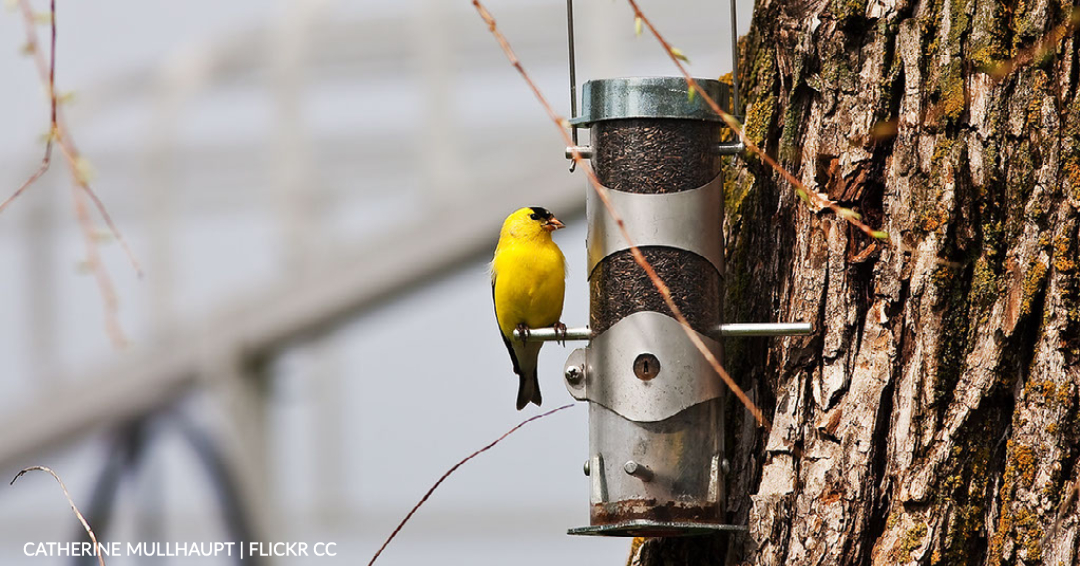
Feeders with small openings limit access to large birds. Tube feeders with narrow ports let small birds eat comfortably. Platform feeders with cages or weight-sensitive perches close for heavy birds.
- Tube feeders with small feeding holes
- Caged feeders that block large birds
- Weight-sensitive perches that close under heavy weight
These designs allow small birds to feed safely. Big birds find it hard to land or reach seeds. This reduces seed waste and keeps your feeder cleaner.
Materials And Sizes
Choose feeders made from sturdy materials. Metal and thick plastic resist damage from big birds. Avoid flimsy feeders that big birds can break or bend.
| Material | Benefits |
|---|---|
| Metal | Durable, weather-resistant, hard for large birds to damage |
| Thick Plastic | Lightweight, strong, easy to clean |
Size matters too. Small feeders suit small birds better. Large feeders invite all birds, including big ones. Pick a feeder size that fits the types of birds you want.
Feeder Placement Strategies
Choosing the right spot for your bird feeder can make a huge difference in who visits. Big birds often dominate feeders placed in open or easily accessible areas, pushing smaller birds away. By carefully selecting feeder locations, you can create a more balanced environment that welcomes a variety of feathered friends.
Ideal Locations
Place your feeder near natural cover like shrubs or trees. This gives small birds quick escape routes when bigger birds get too close. Avoid putting feeders too close to large open spaces where hawks or crows might easily spot your birds.
Think about where you usually see smaller birds in your yard. Is it near a thicket or a cluster of bushes? Placing feeders in these spots encourages small birds to visit more often without feeling threatened.
Height And Surroundings
Hang your feeder at a moderate height—about 5 to 6 feet off the ground. This keeps it out of reach of some ground predators but still accessible for small birds. Too high, and it might attract big birds that prefer elevated perches.
Surroundings matter as much as height. If you notice big birds frequently landing on nearby branches, try moving the feeder slightly away from those perches. Adding small branches or brush nearby can give smaller birds safe landing spots while discouraging larger birds from settling too close.
Have you ever watched how different birds react to feeder placement in your yard? Adjusting location and height based on these observations can help you create a welcoming spot for the birds you want to see most.
Selective Bird Food Options
Choosing the right food for your bird feeder can make a huge difference in which birds show up. Selective bird food options help you attract the smaller birds you want, while gently discouraging the larger ones. It’s about knowing what each type of bird prefers and using that knowledge to create a more balanced feeding environment.
Seeds Preferred By Small Birds
Small birds like chickadees, finches, and sparrows often go for tiny, easy-to-handle seeds. Black oil sunflower seeds are a top choice because small birds can crack the shells easily and get to the nutritious kernel inside.
Other favorites include millet and nyjer (thistle) seeds, which are especially loved by finches. These seeds are less appealing to big birds like pigeons and crows because they find them harder to eat or less filling.
- Black oil sunflower seeds
- Millet
- Nyjer (thistle) seeds
Foods Big Birds Avoid
Big birds tend to avoid small, fine seeds or foods that require more effort to eat. For example, nyjer seeds are tiny and difficult for larger birds to handle, which helps keep them away.
Additionally, avoid large seed mixes that include corn or large sunflower seeds, as these attract bigger birds. Instead, stick to single seed types preferred by small birds to reduce unwanted visitors.
- Nyjer seeds
- Millet
- Small seed blends without large kernels
Have you noticed certain seeds attracting more big birds in your yard? Try switching to these smaller, specific seeds and watch how your bird feeder’s crowd changes. What if you could enjoy your favorite small birds without the noisy interruptions of their larger neighbors?
Physical Barriers And Deterrents
Physical barriers and deterrents offer a straightforward way to control which birds visit your feeder. These tools help protect your feeder from larger birds without harming them. You get to enjoy watching smaller birds without the frustration of big birds taking over.
Using Guards And Cages
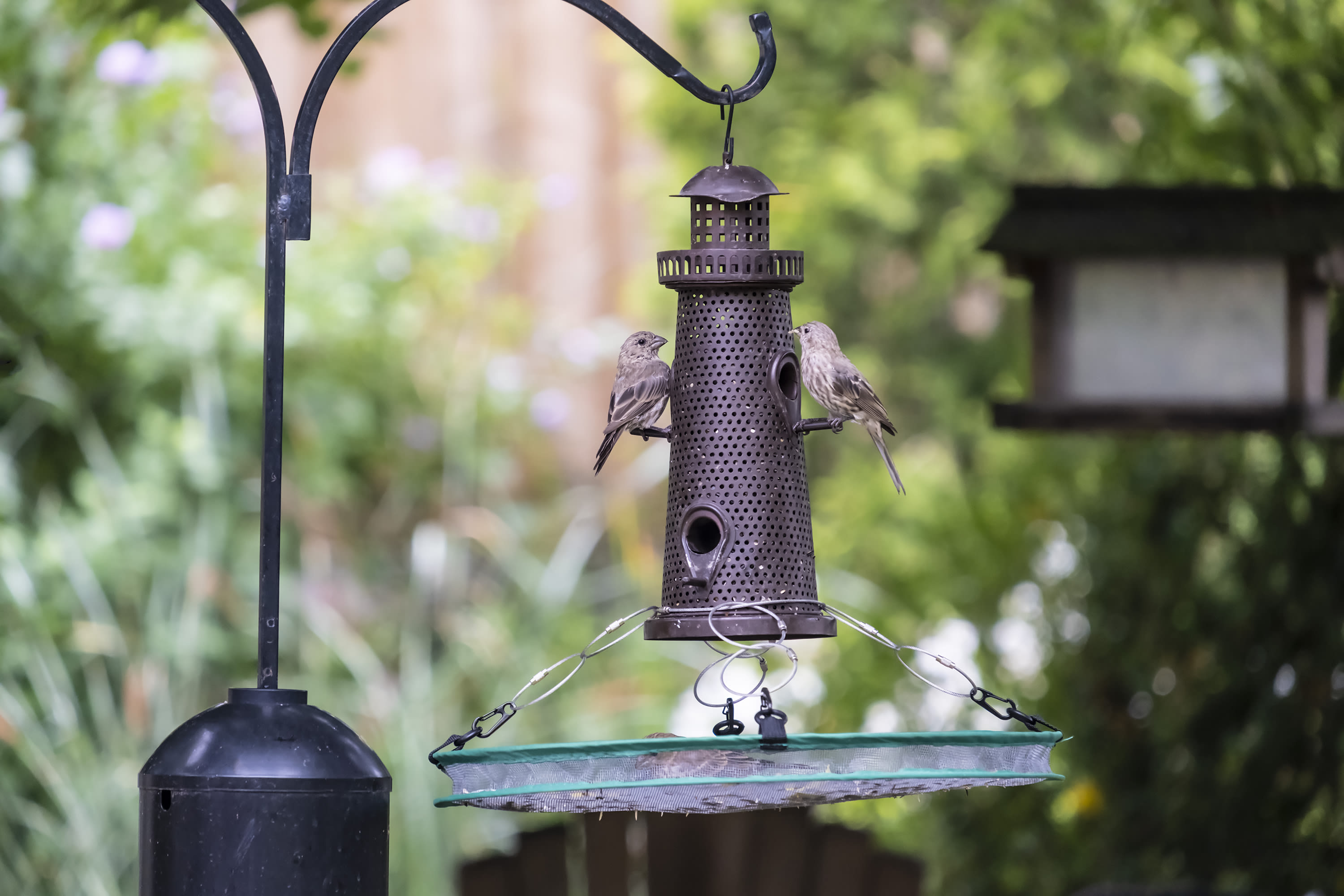
Guards and cages act as protective shields around your feeder. They create a space that’s just right for smaller birds but too tight for big birds to enter. You can find cages made of wire mesh that surround the feeder, allowing smaller birds to slip through while keeping larger ones out.
Think about the last time you tried to squeeze into a crowded elevator—big birds face the same challenge with these cages. You can also add baffles above or below feeders to block large birds from landing. These physical barriers are easy to install and don’t need electricity or batteries.
Visual And Sound Deterrents
Big birds often avoid feeders when they sense danger, which you can simulate with visual and sound deterrents. Reflective tape or shiny objects fluttering near your feeder can startle larger birds. Some people hang old CDs or aluminum foil strips, which catch the light and scare away the bigger visitors.
Sound deterrents can also help, but you should use them carefully to avoid disturbing your smaller feathered friends. Devices that emit predator calls or sudden noises may keep big birds at bay. Have you ever tried placing a fake owl nearby? Its presence alone often makes big birds hesitate before approaching.
Credit: www.michiganaudubon.org
Maintenance And Monitoring
Keeping your bird feeder well-maintained and under watch helps control big birds from dominating the feeding area. Regular care ensures smaller birds get their share of food. Monitoring changes in bird activity lets you adjust your setup effectively.
Cleaning Feeders Regularly
Clean feeders stop mold, bacteria, and old seeds from building up. Dirty feeders attract fewer birds and can harm their health. Use warm water and mild soap to wash the feeder. Rinse well to remove all soap. Dry the feeder completely before refilling it.
Cleaning often helps spot damage or wear early. Replace broken parts to keep the feeder safe and working. A clean feeder stays attractive to all kinds of birds, not just the big ones.
Adjusting Techniques Over Time
Bird behavior changes with seasons and food availability. Watch which birds visit and how they use the feeder. Move feeders or change seed types to discourage large birds.
Try different feeder designs or add guards to block big birds. Change seed amounts to avoid waste and reduce attraction for aggressive birds. Patience and small changes bring the best results.
Alternative Feeding Stations
Alternative feeding stations help manage big birds at your feeder. They offer separate spots to feed different bird sizes. This reduces competition and keeps small birds safe. Creating special feeding areas can balance bird visits and improve your garden’s birdwatching experience.
Separate Feeders For Large Birds
Place feeders designed for big birds away from smaller bird feeders. Use sturdy feeders that hold large seeds or nuts. Choose strong perches that support heavy birds. Position these feeders in open spaces where big birds feel comfortable. This keeps large birds busy and less likely to crowd small bird feeders.
Creating A Balanced Feeding Environment
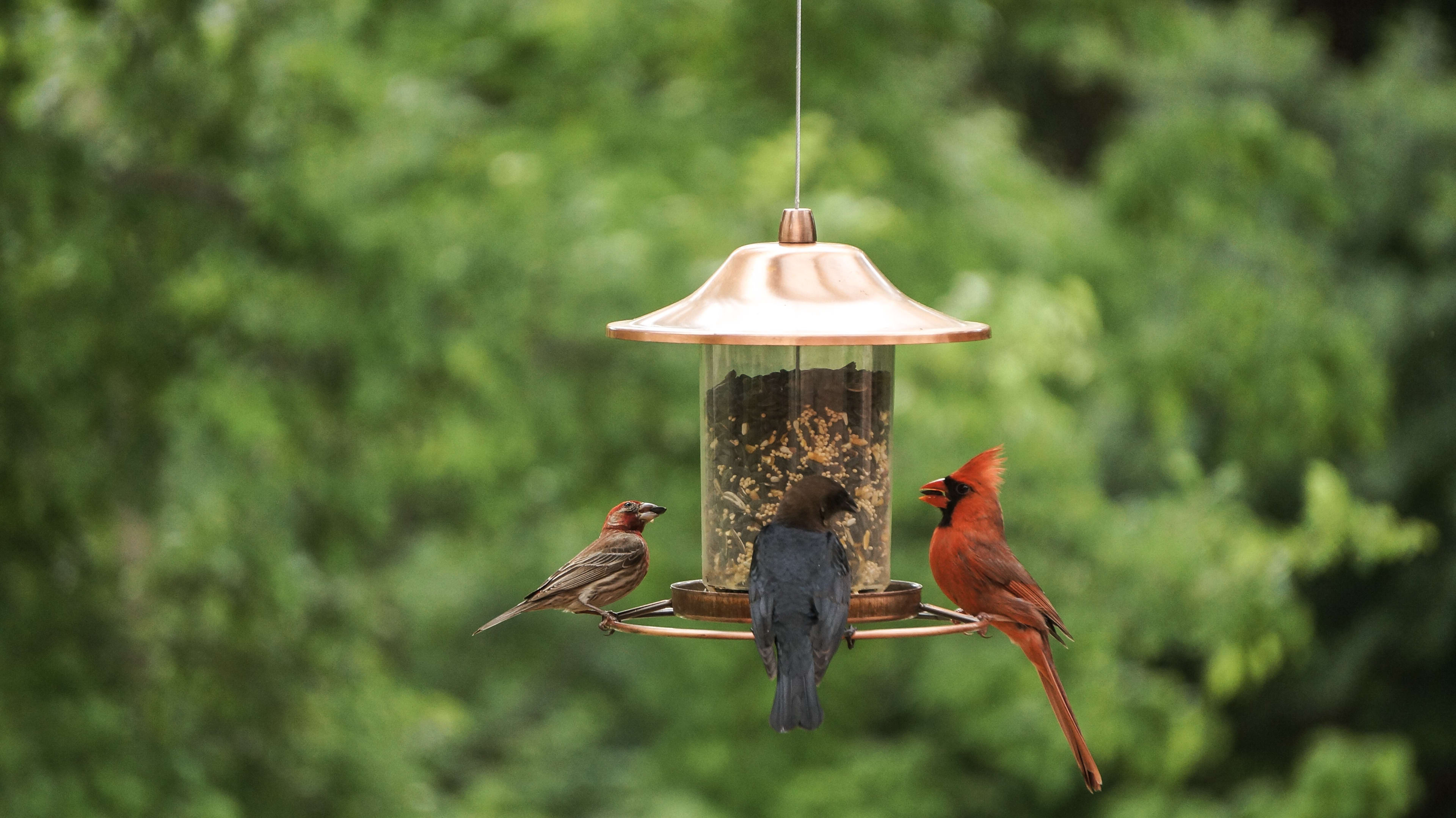
Offer a variety of seeds to attract different bird species. Provide multiple feeders at different heights and locations. Use feeders with different shapes and sizes to suit all birds. Keep feeders clean and stocked regularly to maintain bird visits. This balance helps prevent big birds from dominating one feeder and encourages harmony among all visitors.
Credit: dengarden.com
Frequently Asked Questions
How To Deter Large Birds From Feeders?
To deter large birds, use weight-sensitive feeders that close under heavy weight. Opt for feeders with smaller perches to accommodate smaller birds only. Install caged feeders that restrict access to larger birds. Ensure placement is away from perching spots like trees or fences that big birds can easily reach.
What Feeder Types Prevent Big Birds?
Choose feeders designed with weight-activated perches. These feeders close under the weight of larger birds. Tube feeders with small perches work well too. Caged feeders are effective as they allow only small birds to enter. This prevents big birds from accessing the bird seed.
Can I Use Bird Food To Deter Big Birds?
Yes, using specific bird food can help. Offer safflower seeds, which are less appealing to larger birds. Nyjer seeds are favored by smaller finches, not by big birds. Avoid sunflower seeds and corn as they attract larger birds. This food choice helps keep big birds away.
Does Feeder Placement Affect Big Bird Visits?
Feeder placement significantly impacts visits by big birds. Place feeders away from trees, fences, and structures. These spots provide easy access for larger birds. Hang feeders from branches or poles that are difficult for big birds to reach. This discourages them from visiting.
Conclusion
Stopping big birds from taking over your feeder takes patience and smart steps. Choose feeders designed for small birds only. Change the food to types big birds do not like. Place feeders in spots harder for large birds to reach.
Keep watching and adjusting your methods as needed. Small birds will get their chance to feed safely. Enjoy the peaceful birdwatching you wanted. Simple changes make a big difference in your yard.