
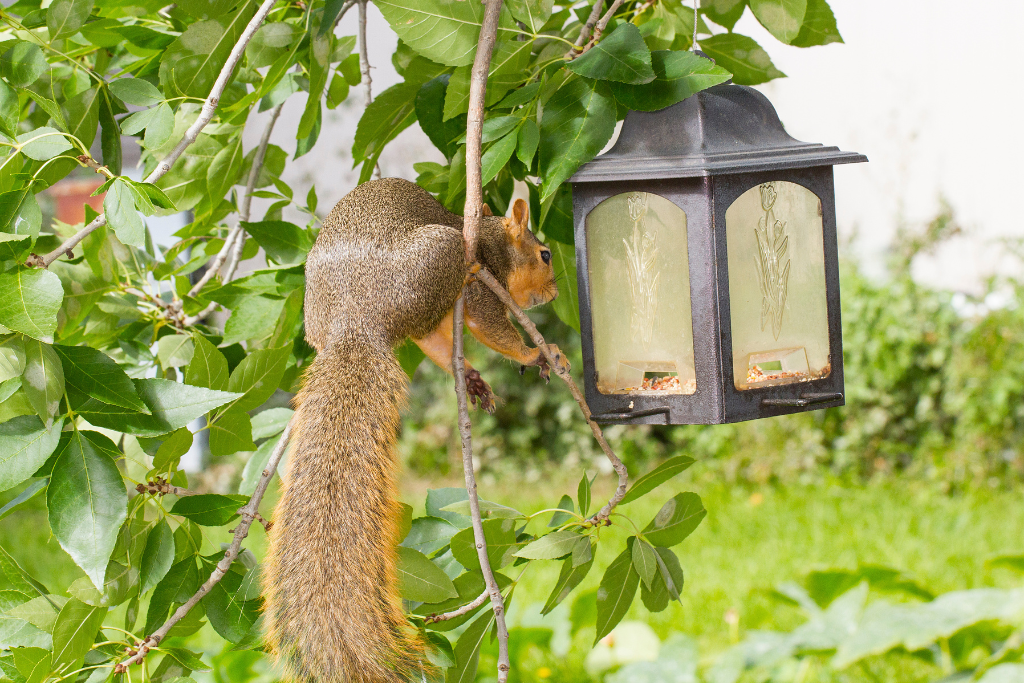
Do you want to enjoy watching colorful birds visit your garden safely and comfortably? Hanging a bird feeder high in a tree is the perfect way to do that.
It keeps the feeder out of reach from pesky squirrels and other animals, while giving you a clear view of your feathered friends. But how do you hang a feeder up high without risking your safety or damaging the tree?
You’ll discover simple, practical steps to hang your bird feeder securely and easily. Keep reading, and you’ll be ready to bring more life and beauty to your outdoor space in no time.

Credit: www.calloways.com
Choosing The Right Location
Choosing the right location to hang your bird feeder high in a tree can make all the difference in attracting birds and keeping them safe. The spot you pick affects how easily birds can access the feeder, how secure it is, and how long the feeder will last. Let’s look at key factors to consider so your feeder becomes a favorite stop for feathered visitors.
Assessing Tree Strength
Before hanging a feeder, check if the tree branch can hold its weight. A healthy, sturdy branch is crucial to avoid accidents. Look for branches at least one inch thick and free from cracks or signs of decay.
Gently shake the branch to test its stability. If it moves too much or feels weak, it’s better to find another spot. Remember, your feeder plus birds can add up to several pounds, so safety comes first.
Finding Optimal Height
Place the feeder high enough to keep it away from ground predators like cats and squirrels. Around 6 to 10 feet above the ground usually works well. This height also allows you to watch the birds comfortably with binoculars or from your window.
Think about your own access too. Can you refill or clean the feeder easily at this height? A good location balances safety for the birds and convenience for you.
Considering Bird Safety
Birds need a safe environment to feed without stress. Avoid hanging feeders too close to windows to prevent collisions. At least 3 feet away or 30 feet from large reflective surfaces helps reduce this risk.
Also, keep feeders away from dense shrubs where predators might hide. Open spaces near trees provide birds with quick escape routes while they feed. Have you noticed how birds prefer feeders with clear views around them? This is why safety matters.
Selecting The Best Bird Feeder
Selecting the best bird feeder to hang high in a tree is more than just picking a pretty design. You want a feeder that suits the height, withstands weather, and makes refilling easy. Choosing wisely will keep your feathered visitors happy and your maintenance hassle-free.
Types Of Feeders For Height
Not all bird feeders work well when hung high. Tube feeders are lightweight and hang easily, making them ideal for tall branches. Platform feeders offer more space but can be tricky to secure up high without swinging too much.
Consider feeders with built-in hooks or loops for easy hanging. Suet cages are great if you want to attract woodpeckers and other insect-eaters at a higher level. Ask yourself: Will you access the feeder with a ladder or pole? This can influence your choice significantly.
Material Durability
At greater heights, your feeder faces more wind and weather. Choose materials like metal or heavy-duty plastic that won’t crack or warp. Wooden feeders can look nice but often need more care to avoid mold or rot.
Look for UV-resistant coatings to prevent fading in the sun. Metal feeders with powder coating often last longer and resist rust. Think about your local climate—does rain, snow, or strong sun dominate? This will guide your material choice.
Ease Of Refilling
Refilling a feeder high in a tree can be challenging. Feeders with removable tops or sliding panels make this task safer and quicker. Avoid designs that require you to untie knots or disassemble complicated parts while balancing on a ladder.
A feeder with a wide opening helps you add seed without spilling. Some models even allow refilling from the ground using a pole, saving effort and risk. How often you plan to refill should influence your choice; the less frequent, the better the design needs to be for easy access.
Gathering Necessary Tools
Before you start hanging your bird feeder high in a tree, gathering the right tools is crucial. Having everything ready not only makes the process smoother but also keeps you safe and efficient. Let’s look at the key items you’ll need to bring along.
Safety Gear
Safety should be your top priority. Wear sturdy gloves to protect your hands from sharp branches and rough rope. Eye protection is also a smart choice to guard against falling debris or twigs.
Consider a helmet if you’re working at a significant height. It may feel like overkill, but a small fall or bump could cause serious injury. Have a first aid kit nearby just in case.
Hanging Equipment
Choose strong, weather-resistant rope or wire that can hold the feeder’s weight and withstand wind. Nylon or braided rope works well because it doesn’t stretch much over time.
You’ll also need hooks or carabiners to secure the feeder. Quick-release clips make it easier to refill the feeder without hassle. Don’t forget a sturdy container or bag to carry all your equipment.
Ladders And Supports
Select a ladder that suits the height of your tree—an extension ladder is best for tall branches. Make sure the ladder is stable and placed on firm ground.
If the ground is uneven, use ladder stabilizers or wedges to prevent wobbling. Having a helper to hold the ladder adds an extra layer of safety and makes reaching those high spots easier.
Safe Setup Techniques
Setting up a bird feeder high in a tree requires careful attention to safety—for both you and the tree. Using the right techniques ensures the feeder stays secure without causing harm to the branches or bark. Let’s dive into practical ways to hang your feeder safely and effectively.
Using Rope And Hooks
Choose a strong, weather-resistant rope that can support the feeder’s weight without fraying. Nylon or polypropylene ropes work well because they resist moisture and UV damage.
Attach hooks designed for outdoor use, such as stainless steel S-hooks or eye hooks. Screw the eye hooks gently into sturdy branches, avoiding any that look weak or brittle.
Have you considered using a pulley system? It makes hanging and refilling the feeder easier, especially if the branch is very high.
Securing The Feeder
Ensure the feeder hangs level to prevent seed spills and to keep birds comfortable. Tie knots securely; a double knot or a bowline knot is effective and easy to untie later.
Check the feeder’s stability by gently shaking it. If it swings too much, add a stabilizing weight or tie additional ropes to nearby branches.
Think about how the feeder will behave in strong wind. Will it stay put or spin wildly? Adjust your setup to minimize movement and protect the birds.
Avoiding Tree Damage
Wrap rope around branches with a protective barrier, like a piece of old garden hose or cloth, to prevent bark abrasion. This simple step helps keep the tree healthy for years.
Avoid using nails or screws directly into the tree, as they can cause lasting wounds. Instead, rely on straps or soft ties that can be adjusted as the branch grows.
Have you noticed how some trees react differently to attachments? Monitor the area regularly for signs of stress or damage and adjust your setup accordingly.
Maintaining Your Feeder
Maintaining your bird feeder after hanging it high in a tree is key to attracting birds and keeping them safe. A well-kept feeder not only looks inviting but also prevents the spread of diseases among your feathered visitors. Regular care ensures your feeder stays sturdy and full, making it a favorite spot for local birds.
Regular Cleaning
Cleaning your feeder regularly stops mold, bacteria, and old seeds from building up. Take it down every two weeks and scrub with warm, soapy water. Rinse it well and let it dry completely before refilling.
Have you noticed birds avoiding your feeder? Dirty feeders often cause this. Keeping it clean encourages birds to return and stay longer.
Checking Stability
Even if your feeder is high up, it needs to stay secure through wind and weather. Check the hooks, ropes, or wires supporting the feeder at least once a month. Tighten or replace any worn parts to avoid crashes that could harm birds or damage the feeder.
Think about how a feeder swinging too much might scare birds away. Ensuring stability creates a safe and calm feeding spot.
Refilling Tips
Refill your feeder regularly to keep a steady supply of food. Avoid overfilling, which can lead to waste and attract unwanted pests. A good rule is to add enough seed to last a few days.
Watch how quickly birds eat from your feeder and adjust refills accordingly. This keeps food fresh and birds coming back for more.

Credit: www.amazon.com
Troubleshooting Common Issues
Hanging a bird feeder high in a tree can invite delightful birdwatching moments, but it also comes with its share of challenges. You might find squirrels raiding the feeder, weather conditions causing damage, or the feeder not hanging quite right. Addressing these common issues early ensures your feathered visitors stay happy and your feeder lasts longer.
Deterring Squirrels
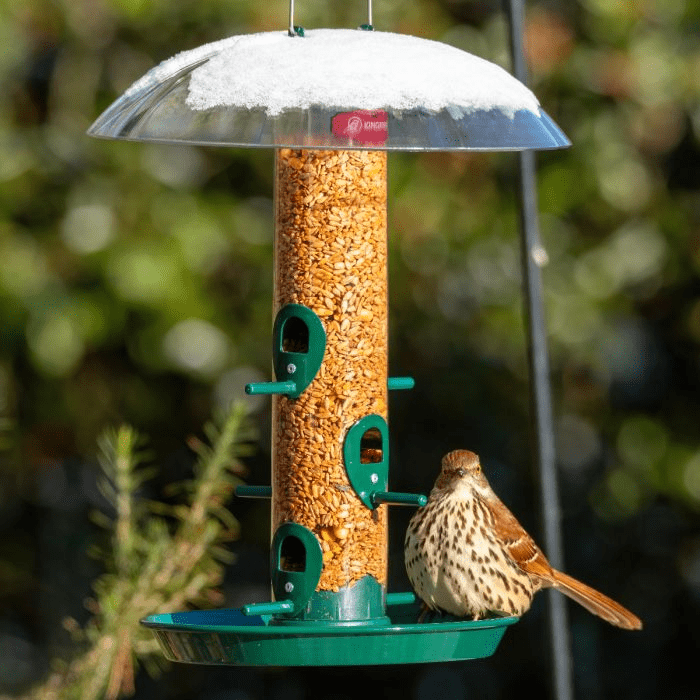
Squirrels are persistent visitors that often steal bird food. To keep them away, consider adding a baffle below the feeder. These dome-shaped guards create a slippery barrier that squirrels can’t climb.
Another trick is to use squirrel-proof feeders with weight-sensitive perches that close access under heavier animals. You can also try placing the feeder at least 10 feet away from jumping-off points like branches or fences to reduce squirrel access.
Have you noticed squirrels adapting to your defenses? Sometimes changing tactics, like switching feeder types or moving the feeder occasionally, can outsmart these clever critters.
Weather Protection
Rain, wind, and snow can quickly ruin bird feed and damage your feeder. Shield the feeder by hanging it under a sturdy branch or installing a small roof or cover above it.
Waterproof feeders or those made from durable materials like metal or thick plastic resist weather better than wood or thin plastic. You might want to bring the feeder down during severe storms to avoid damage.
Think about how weather patterns in your area affect your feeder’s location. Placing it where it gets some natural protection can save you hassle and keep birds coming back.
Adjusting Feeder Position
Sometimes the feeder isn’t attracting birds because it’s not in the right spot. Try moving it closer to shrubs or trees where birds can perch and feel safe.
Ensure the feeder hangs at a height that’s accessible to your target birds but also safe from predators. A height between 5 and 10 feet usually works well for most species.
Observe the feeder at different times of day. Are birds visiting more in certain spots? Adjust based on what you see to maximize your birdwatching enjoyment.
Credit: www.kingsyard.com
Frequently Asked Questions
How Do I Safely Hang A Bird Feeder High In A Tree?
Use a sturdy ladder and wear gloves for grip. Secure the feeder with strong rope or wire. Avoid thin branches and ensure the feeder is stable to prevent falls and harm to birds.
What Materials Are Best For Hanging Bird Feeders Up High?
Choose durable, weather-resistant materials like nylon rope or coated wire. These materials support weight and resist rust. Avoid weak or fraying cords to ensure the feeder stays secure and safe for birds.
How High Should I Hang A Bird Feeder In A Tree?
Hang the feeder 5 to 10 feet above ground. This height keeps birds safe from predators and makes the feeder accessible for refilling and cleaning. Adjust height based on tree branch strength and bird species.
Can I Hang Multiple Bird Feeders On One Tree Branch?
Yes, if the branch is strong and thick enough to hold the weight. Space feeders apart to reduce bird competition and prevent overcrowding. Regularly check branch stability for safety.
Conclusion
Hanging a bird feeder high in a tree is simple with practice. Follow the steps carefully to ensure safety. Birds will soon gather, enjoying their new feeding spot. You’ll enjoy watching them from below. It’s a rewarding experience for nature lovers.
Remember to check the feeder regularly. Ensure it’s stocked with fresh seeds. Clean it to prevent mold and disease. This keeps birds healthy and happy. Creating a safe feeding environment benefits everyone. Enjoy the peaceful moments with your feathered friends.
Happy bird watching!