
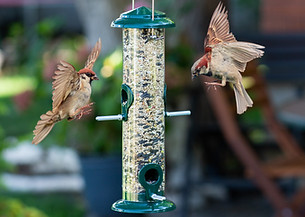
Are you tired of sharing your bird feed with unwanted guests like rats? Watching birds enjoy your feeder is relaxing, but rats rummaging through the food can quickly turn that joy into frustration.
You want to feed the birds, not attract pests that could damage your property or spread disease. The good news? You can take simple, effective steps to stop rats from stealing your bird food without harming the birds you love.
Keep reading, and you’ll discover practical tips that protect your feeder and keep your yard safe and peaceful.

Credit: www.providingisloving.co.uk
Why Rats Are Attracted To Bird Feeders
Bird feeders are a wonderful way to enjoy watching birds up close, but they can unintentionally invite unwanted guests—rats. Understanding why rats are drawn to bird feeders helps you find better ways to keep them away. It’s not just about the food; other factors around your feeding area can make it a rat hotspot.
Common Food Sources For Rats
Rats are opportunistic eaters and bird feeders offer an easy meal. Seeds that spill onto the ground are a major attractant. Whether it’s sunflower seeds, millet, or cracked corn, rats love these leftovers.
Some feeders drop more food than others, like tube feeders or platform feeders. The messier your feeding station, the more rats will be tempted to visit. Even pet food or fallen fruit nearby can add to their buffet.
Attraction Factors Around Feeders
Food isn’t the only reason rats come near bird feeders. Shelter and water sources nearby can make your yard a rat-friendly zone. Dense shrubs, woodpiles, or compost bins close to feeders create perfect hiding spots.
Think about how often you clean around your feeder. Old food and seed husks left behind give rats a reason to stick around. Even standing water from birdbaths or clogged gutters can attract them.
Have you checked your yard lately for these hidden rat magnets? Small changes like trimming bushes or cleaning up spilled seed can make a big difference in keeping rats away.
Choosing Rat-resistant Bird Feeders
Choosing the right bird feeder helps keep rats away while feeding birds. Rat-resistant feeders stop rats from reaching the food. This keeps your garden clean and your birds safe. A good feeder also saves you money by reducing food waste.
Features To Look For
- Material:Metal or heavy-duty plastic resists chewing and damage.
- Design:Closed or shielded feeding ports limit rat access.
- Weight:Heavier feeders are harder for rats to move or tip over.
- Placement:Feeders with built-in baffles prevent rats from climbing.
- Seed Storage:Secure seed compartments reduce spillage and scent.
- Easy to Clean:Smooth surfaces prevent seed buildup and mold.
Types Of Rat-proof Feeders
- Weight-Activated Feeders:Close feeding ports under heavy weight, allowing only small birds to feed.
- Tube Feeders with Baffles:Cylindrical tubes with guards block rats from climbing up.
- Squirrel-Proof Feeders:Often metal cages surround the feeder, stopping larger animals.
- Platform Feeders with Guards:Raised edges and barriers keep rats off the feeding surface.
- Hopper Feeders:Enclosed seed storage releases food slowly, reducing spills.
Feeding Practices To Deter Rats
Feeding birds is a rewarding activity, but it can sometimes attract unwanted visitors like rats. Adjusting your feeding habits can make a big difference in keeping these rodents at bay. Simple changes in how and when you feed birds can help you enjoy watching wildlife without the nuisance of rats invading your space.
Proper Seed Amounts
Overfilling bird feeders can leave excess seeds scattered around, which easily attracts rats. Try to fill feeders with just enough seed for the birds to finish in a day or two. This not only reduces waste but also limits food availability for rats.
I once noticed that reducing the seed amount significantly lowered rat activity in my backyard. It made me realize that less can actually be more when it comes to bird feeding.
Scheduled Feeding Times
Feeding birds at consistent times each day helps control when food is available. This routine prevents seeds from sitting out all day and night, times when rats are most active. Birds quickly learn the schedule, and you can clean up leftover seeds soon after feeding.
Have you ever thought about how timing affects who shows up for the meal? Setting a clear feeding window can favor birds over rats.
Cleaning Up Spilled Seeds
Seeds that fall to the ground can attract rats just as much as those in feeders. Make it a habit to sweep or rake up spilled seeds daily. Using a seed tray or feeder with a catch pan can also help contain mess and make cleanup easier.
After I started cleaning spilled seeds every day, rat visits dropped sharply. It’s a small effort that pays off by keeping your bird feeding area tidy and rat-free.
Physical Barriers And Deterrents
Physical barriers and deterrents are some of the most effective ways to keep rats away from your bird feeders. These solutions work by making it difficult or impossible for rats to reach the food, which discourages them from hanging around. You can use simple tools and smart placement to create a rat-free feeding zone for your birds.
Using Baffles And Guards
Baffles and guards act as physical shields that block rats from climbing up to your bird feeder. They are usually made from metal or sturdy plastic and can be attached to poles or hanging wires.
Place a cone-shaped or cylindrical baffle below the feeder or above it on the pole. This prevents rats from getting a grip to climb. I once installed a metal baffle on my feeder pole, and the rat visits stopped almost immediately.
Make sure the baffle is wide enough and positioned correctly—rats are clever climbers and will try to squeeze through any gaps.
Placement Tips To Avoid Rat Access
Where you put your bird feeder can make a big difference in keeping rats away. Avoid placing feeders close to trees, fences, or walls where rats can jump or climb to reach them.
Keep feeders at least 5 feet away from any structure and raise them 4-6 feet off the ground. This distance makes it harder for rats to jump or climb onto the feeder.
Also, place feeders on smooth, slippery poles rather than wooden ones where rats can get a better grip. Have you checked how easy it is for rats to reach your feeder from nearby objects?
Natural Repellents And Scare Tactics
Keeping rats away while feeding birds can be a challenge, but natural repellents and scare tactics offer effective and eco-friendly solutions. These methods protect your feathered friends without harming local wildlife or the environment. Let’s look at some practical ways to deter rats naturally and keep your bird feeding area safe and inviting.
Plants That Repel Rats
Certain plants have scents that rats dislike, making them great natural barriers around your bird feeder. Planting these near your feeding spot can reduce rat visits without chemicals.
- Mint:The strong smell of mint confuses and repels rats. Try planting peppermint or spearmint around your feeder.
- Lavender:Besides smelling wonderful to us, lavender’s scent keeps rats away effectively.
- Garlic:Rats avoid garlic’s pungent smell. Planting garlic bulbs near your feeding area can serve as a natural deterrent.
- Chili Peppers:Capsaicin in chili peppers irritates rats’ senses. Dried chili sprinkled near feeders can discourage their approach.
Have you noticed how some garden patches stay rat-free thanks to these plants? Adding them around bird feeding areas can be a subtle but powerful defense.
Safe Scare Devices
Scare devices are another way to keep rats away without using poisons or traps. The key is to use devices that are safe for birds and pets.
- Motion-Activated Lights:Sudden bright lights startle rats and discourage them from lingering.
- Ultrasonic Repellers:These emit sounds that are unpleasant to rats but inaudible to humans and birds.
- Reflective Objects:Hanging shiny CDs or reflective tape near feeders creates flashes that rats dislike.
- Fake Predators:Placing realistic plastic owls or snakes near feeders can fool rats into staying away.
Have you tried any of these scare tactics? Combining a few can increase their effectiveness and keep your feeding area rat-free without disturbing your birds.

Credit: www.amazon.com
Maintaining Yard Cleanliness
Keeping your yard clean plays a crucial role in stopping rats from invading your bird feeding area. Rats are attracted to clutter and places where they can hide or find food easily. By maintaining a tidy space, you reduce their chances of settling near your feeders.
Removing Nesting Spots
Rats look for quiet, sheltered spots to build nests. Check your yard for piles of wood, dense shrubbery, or abandoned equipment where they might hide. Clearing these areas can make your yard less inviting to them.
If you have a pile of leaves or brush, consider removing it or moving it far from your bird feeders. You might be surprised how much a simple cleanup reduces rodent activity. Have you noticed less rat movement after tidying a particular corner?
Managing Trash And Compost
Trash and compost bins can be a buffet for rats if not properly managed. Use bins with tight-fitting lids and avoid leaving food scraps exposed. This simple habit cuts off a major food source for rats.
Regularly clean around your compost area to prevent spills or leaks that attract rodents. If you compost, try turning it often and avoid adding meat or oily foods. Keeping waste contained is a smart step to protect your feathered friends and your yard.
When To Seek Professional Help
Knowing when to call in professional help can save you a lot of stress and protect your home from damage. Rats can multiply quickly, and their presence around your bird feeders might signal a bigger problem. If you notice signs that go beyond a few occasional visitors, it’s time to consider expert intervention.
Signs Of Severe Infestation
Are you hearing noises at night, like scratching or scurrying inside walls? That’s a strong indicator of an established rat population. You might also spot droppings near feeding areas or find gnawed wood and wires, which can be dangerous.
Another red flag is discovering burrows or tunnels around your yard or near bird feeding stations. If food seems to disappear rapidly despite secure feeders, rats could be hoarding it. These signs mean the problem is growing beyond what simple traps or deterrents can handle.
Choosing Pest Control Services
Picking the right pest control service is crucial. Look for companies with positive reviews and experience in rodent control specifically. Ask if they use safe methods around birds and pets, ensuring your feathered friends stay unharmed.
- Check if they offer a free inspection and clear estimates.
- Inquire about follow-up visits to ensure the problem stays solved.
- Confirm their licensing and use of eco-friendly products.
Don’t hesitate to ask about their approach to prevent future infestations. A good professional will provide advice on how to make your bird feeding area less attractive to rats. After all, you want a long-term solution, not just a quick fix.
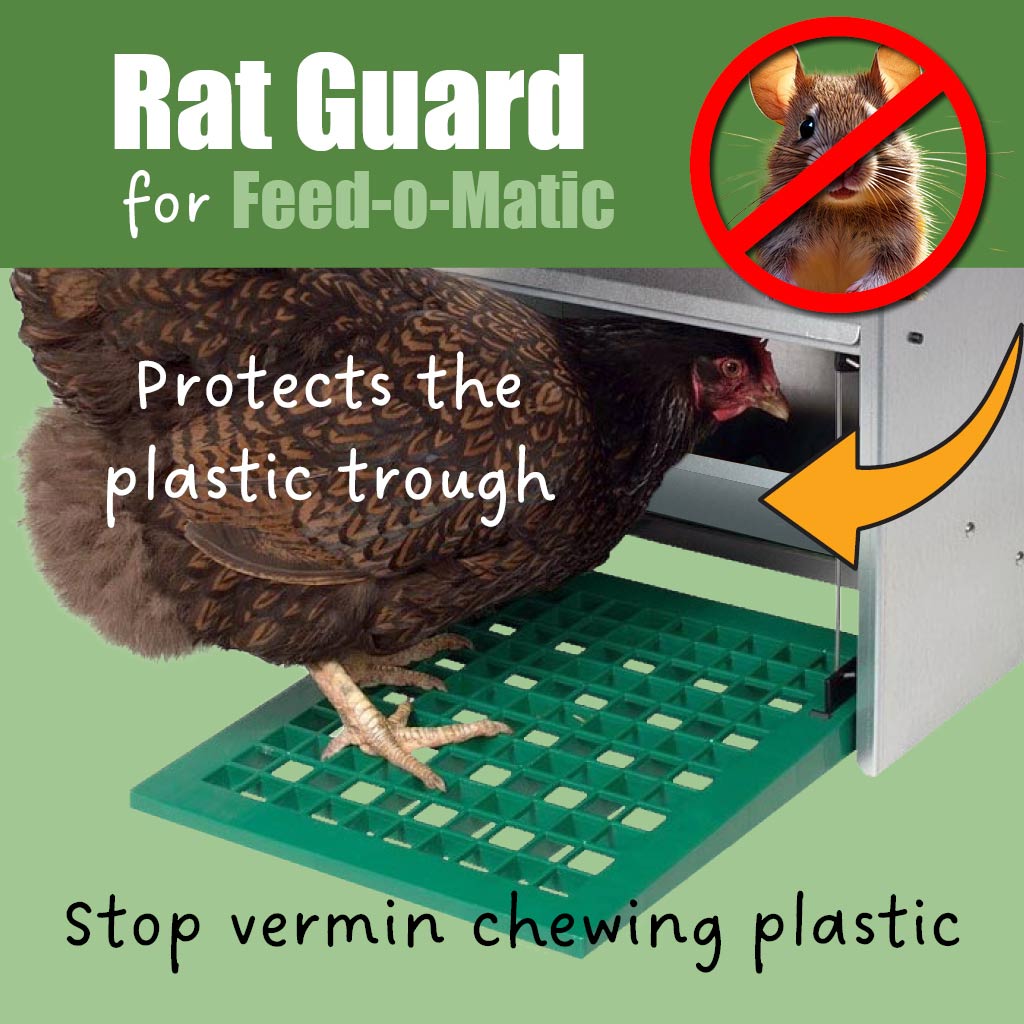
Credit: chooks.co.nz
Frequently Asked Questions
How Can I Feed Birds Without Attracting Rats?
Use bird feeders that have baffles or trays to catch falling seeds. Keep the ground clean and regularly clean up spilled seeds. Consider using feeders designed for specific bird species that have smaller openings. These measures help prevent rats from accessing the bird food.
What Type Of Bird Food Deters Rats?
Opt for bird seeds that don’t contain fillers like millet or corn. Sunflower hearts, suet, and nyjer seeds are less likely to attract rats. These seeds are more appealing to birds and less enticing to rodents. Using these can help reduce unwanted rat activity.
Do Bird Feeders Attract Rats?
Yes, improperly maintained bird feeders can attract rats. Spilled seeds on the ground are a major attraction. Regularly clean feeders and surrounding areas. Using catch trays and choosing feeders designed to minimize waste can significantly reduce this problem.
Are There Rat-proof Bird Feeders?
Yes, there are rat-proof bird feeders available. These feeders often have weight-sensitive perches or baffles. They prevent larger rodents from accessing the seeds. Investing in such feeders can effectively keep rats away while still allowing birds to feed.
Conclusion
Stopping rats while feeding birds takes smart steps and care. Use feeders that rats cannot reach or open easily. Keep the feeding area clean and remove spilled seeds fast. Store extra bird food in tight containers to block rats. Regularly check for rat signs and act quickly if found.
These small actions help protect your birds and keep rats away. Enjoy feeding birds without worrying about unwanted guests. Simple habits make a big difference in your garden’s safety.