
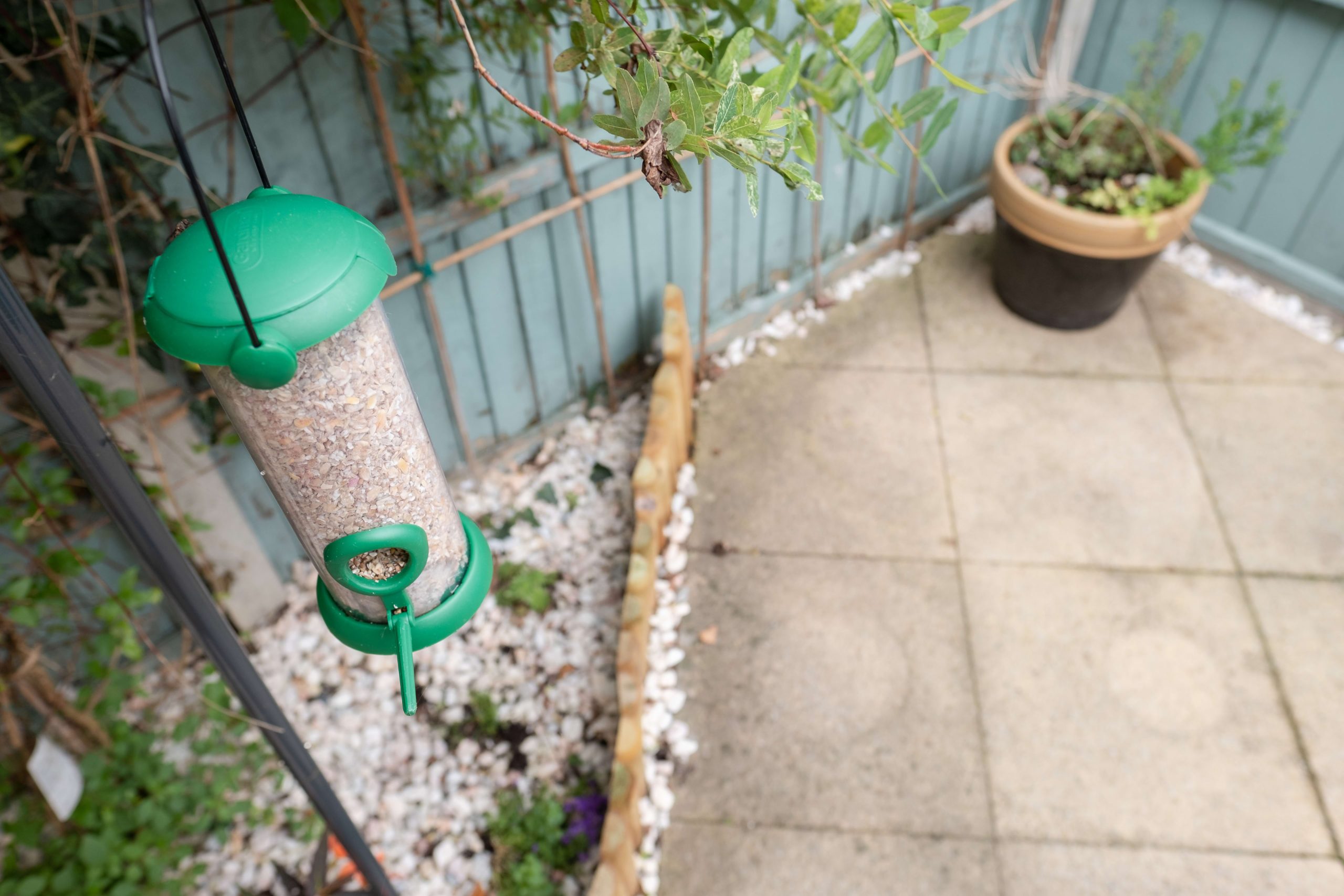
Have you ever stopped to notice what’s happening right under your bird feeder? It’s more than just a messy spot on the ground.
What you do there can make a big difference for the birds visiting your yard and for you as well. Imagine turning that simple space into a safe, inviting area where birds feel comfortable, and you get to enjoy their visits even more.
Keep reading, and you’ll discover easy, smart ways to improve what’s happening under your bird feeder — ideas that will surprise you and bring more life and beauty to your outdoor space.
Credit: dengarden.com
Choosing The Right Spot
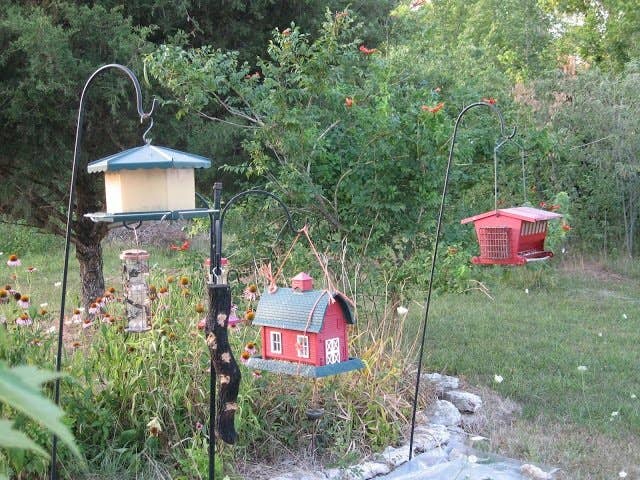
Choosing the right spot under your bird feeder is key to enjoying the birds while keeping your yard clean and safe. The area beneath the feeder often collects dropped seeds and bird droppings, so picking the right location can make a big difference. Let’s look at some practical tips to help you find the best place for your feeder.
Avoiding Messy Areas
Bird feeders can create a mess on the ground, with seeds and shells scattered around. Avoid placing the feeder above patios, walkways, or outdoor furniture where dropping debris can cause inconvenience or damage. Instead, choose a grassy or mulched area that is easy to clean or where the mess won’t bother you.
I once put a feeder right above my garden bench, and I quickly regretted it. The droppings made the seat unpleasant to use. Moving the feeder a few feet away solved the problem entirely.
Safe Distance From Windows
Birds flying towards feeders can accidentally collide with windows if they are too close. To prevent this, place the feeder at least 3 feet away from windows or within 30 feet but very close to a wall or bush to slow the bird’s flight. This reduces the risk of injury and keeps your windows clean.
Have you noticed birds hitting your windows? Adjusting the feeder location might be the easiest fix you haven’t tried yet.
Easy Access For Cleaning
Regular cleaning keeps your feeder safe for birds and your yard looking tidy. Place the feeder where you can easily reach it for refilling and cleaning without strain. Avoid spots that require climbing ladders or moving heavy furniture to access.
My favorite spot is near the back porch where I can quickly grab the feeder for a rinse whenever needed. It saves time and encourages me to keep up with maintenance.
Credit: dengarden.com
Managing Seed And Waste
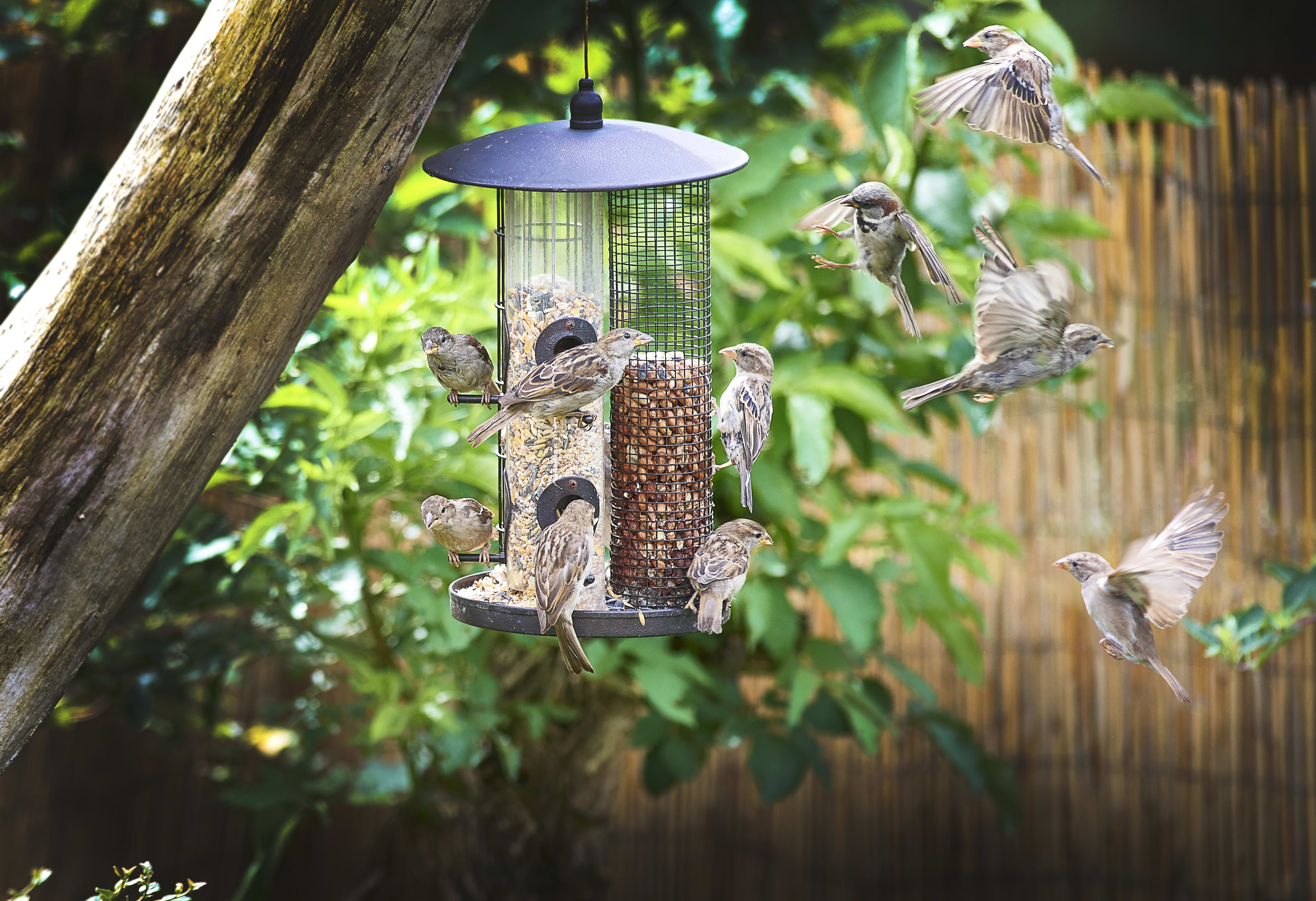
Managing seed and waste under a bird feeder is key to keeping your yard clean and inviting for both birds and people. Leftover seeds can attract unwanted pests and create messes that are hard to clean. Taking a few simple steps can make a big difference in maintaining a tidy space without scaring away your feathered visitors.
Using Seed Trays And Catchers
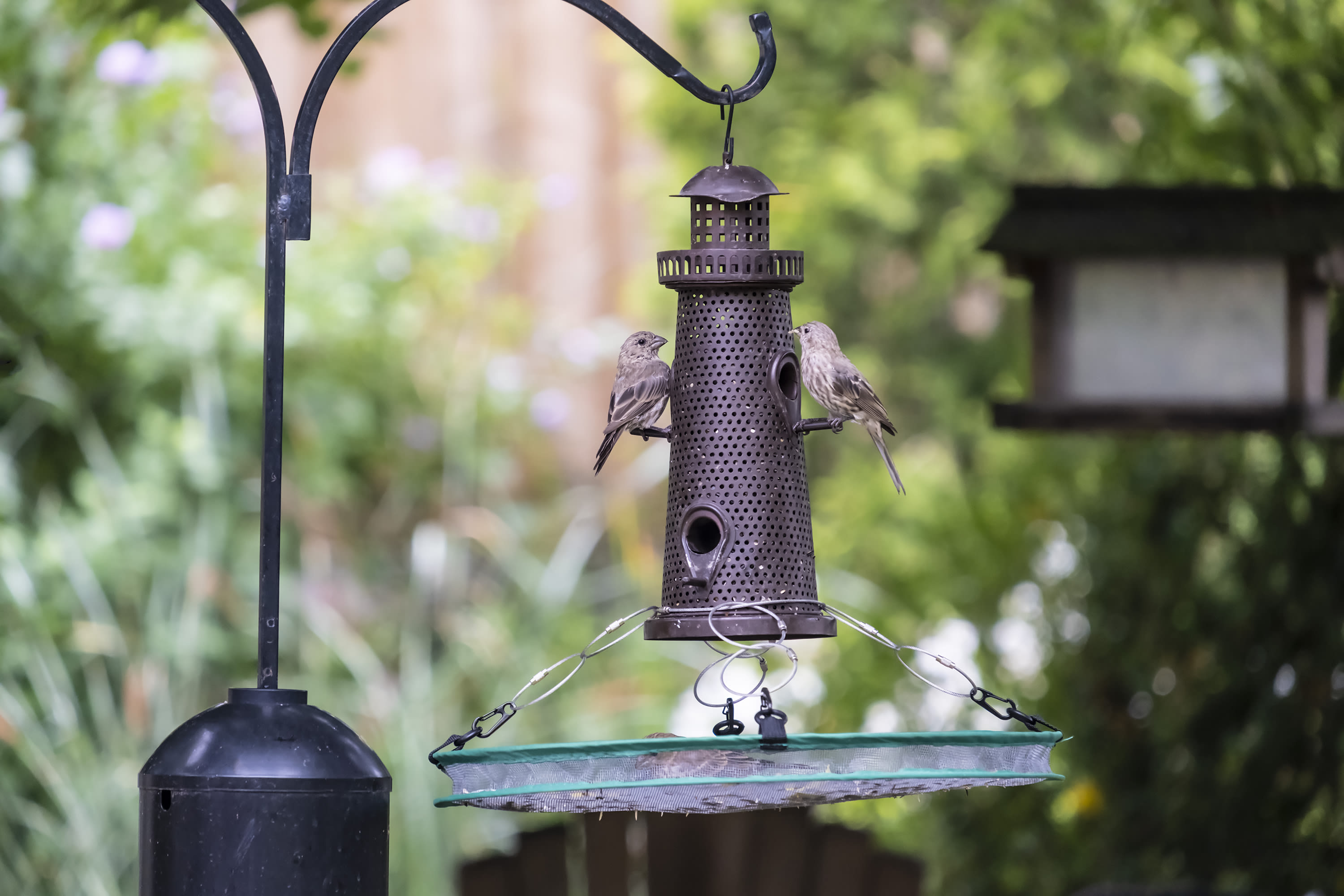
Seed trays and catchers help contain spilled seeds, preventing them from scattering all over your yard. These devices fit under your feeder and catch excess seeds as birds eat, reducing waste significantly.
Choosing the right tray depends on your feeder type and the size of your outdoor space. Some trays come with mesh bottoms to allow moisture to drain, keeping seeds dry and fresh longer.
Have you noticed if your birds prefer feeding from trays or directly from the feeder? Observing their habits can guide you in selecting the best catcher for your setup.
Regular Seed Cleanup
Seeds that fall to the ground can sprout unwanted plants or attract rodents. Cleaning up spilled seeds regularly stops these problems before they start.
Try to set a weekly schedule to rake or sweep around your feeder. Using a small garden rake can make this quick and easy, especially if seeds have collected in corners or under bushes.
Do you keep a dedicated cleanup kit near your feeding area? Having tools handy encourages you to tidy up more often and keeps the task from feeling like a chore.
Handling Droppings Safely
Bird droppings can carry diseases, so it’s important to clean them up carefully. Always wear gloves and use a disposable cloth or paper towel for safety.
After removing droppings, disinfect the area with a mild bleach solution (one part bleach to nine parts water) and rinse thoroughly. This helps protect both you and the birds from harmful germs.
Have you thought about how often you clean your feeder and the surrounding ground? Regular sanitation not only protects health but also keeps birds coming back to a safe environment.
Maintaining Ground Cleanliness
Keeping the area under your bird feeder clean is essential for a healthy and inviting environment. It prevents mold, discourages pests, and helps your feathered visitors stay safe. You might be surprised how small habits can make a big difference in maintaining a tidy feeding spot.
Sweeping And Raking Tips
Regularly sweeping or raking the ground beneath the feeder removes fallen seeds and husks that attract unwanted critters. Use a soft broom or leaf rake to gently gather debris without disturbing nearby plants.
Try to clean up at least twice a week, especially during peak feeding seasons. This habit keeps the area looking neat and reduces the chance of mold growing from damp seed waste.
Natural Ground Covers
Consider adding natural ground covers like mulch, wood chips, or gravel under your feeder. These materials absorb moisture and make it easier to spot and clean up leftover seeds.
Plants like clover or low-growing grass can also work, offering a green, soft surface that birds enjoy. Plus, ground covers help prevent soil erosion and create a more attractive feeding zone.
Repelling Unwanted Pests
Seeds on the ground can attract ants, rodents, and other pests. To keep them away, sprinkle cinnamon or cayenne pepper around the feeding area—birds won’t mind, but pests often avoid these spices.
Another option is to set up a small barrier using fine mesh or hardware cloth just under the feeder to catch dropped seeds. This simple step limits access to pests without disturbing the birds.
Have you noticed how even a little extra care under your feeder can improve the whole backyard experience? Try these tips and see how much cleaner and more enjoyable your birdwatching becomes.
Credit: dengarden.com
Protecting Pets And Wildlife
Protecting pets and wildlife around your bird feeder is crucial for a safe and healthy environment. Careful attention can prevent health risks and keep unwanted animals away. Simple actions help maintain cleanliness and safety. This ensures birds, pets, and other animals stay safe while enjoying the feeder.
Avoiding Harmful Mold And Bacteria
Clean the area under the feeder regularly to prevent mold and bacteria growth. Wet seeds and droppings create a breeding ground for germs. Remove old seeds and debris daily. Use a mild bleach solution to disinfect surfaces weekly. Dry the area thoroughly to stop moisture buildup.
Discouraging Rodents
Rodents are attracted to spilled seeds and food scraps. Keep the ground clear to reduce their interest. Use a seed tray or mat to catch spills. Avoid placing feeders near walls or dense bushes where rodents hide. Store bird food in sealed containers to prevent easy access.
Safe Feeding Practices
Place feeders at a height safe from pets and predators. Avoid overcrowding by spacing multiple feeders apart. Use seed types preferred by birds, not pests. Offer fresh, clean water nearby for birds to drink. Check feeders often for damage and clean them properly.
Seasonal Care Tips
Seasonal care under a bird feeder helps keep birds safe and your yard clean. Each season brings different challenges. Proper care supports bird health and prevents messes. Follow these simple tips to maintain the area well.
Winter Maintenance
Clear snow and ice regularly to keep the ground accessible. Replace spilled seed to avoid mold growth. Use feeders designed to protect food from moisture. Check for frozen water sources and provide fresh water if possible. Remove old debris to prevent mold and bacteria buildup.
Spring Cleaning Routines
Spring is ideal for deep cleaning. Remove seed hulls and droppings from under the feeder. Wash the feeder with warm, soapy water to kill germs. Rinse thoroughly and dry before refilling. Spread fresh mulch or gravel to absorb moisture and reduce mud. Check for any damage and repair or replace parts.
Adjusting Feeder Placement
Move feeders to avoid bare spots or muddy patches forming. Place feeders over gravel, mulch, or bird-friendly ground cover. Avoid areas near windows to reduce bird collisions. Shift feeders to quieter spots if birds seem disturbed. Change location seasonally to protect grass and plants underneath.
Frequently Asked Questions
What Should I Put Under A Bird Feeder?
Placing a tray or mesh platform under a bird feeder can catch fallen seeds. This helps in reducing waste and prevents unwanted pests. Consider adding mulch or gravel to improve drainage and minimize mess. Regularly clean the area to maintain a healthy environment for birds.
How Do I Keep The Ground Clean?
To keep the ground clean, use a seed catcher or tray. Regularly rake and dispose of fallen seeds and debris. Consider using no-mess seed mixes that leave minimal waste. Keeping the area tidy helps prevent mold growth and attracts more birds.
What Ground Cover Is Best Under Feeders?
Gravel or mulch works well as ground cover under bird feeders. These materials provide good drainage and are easy to clean. They also deter unwanted plant growth. Choosing an easy-to-maintain ground cover ensures a pleasant and hygienic space for birdwatching.
How Do I Stop Seeds From Sprouting?
To prevent seeds from sprouting, use no-waste birdseed or shelled sunflower seeds. Regularly clean under the feeder to remove fallen seeds. Adding a seed tray can help catch seeds before they hit the ground. These steps help maintain a tidy and attractive feeding area.
Conclusion
Keeping the area under your bird feeder clean helps birds stay healthy. Remove old seeds and droppings regularly. Spread some wood chips or sand to prevent mud and pests. Planting low bushes nearby can give birds shelter and safety. Watching birds enjoy their food is a joyful experience.
Simple care makes a big difference for your feathered friends. Try these easy tips to create a safe, inviting space under your feeder. Enjoy nature right in your backyard every day.