
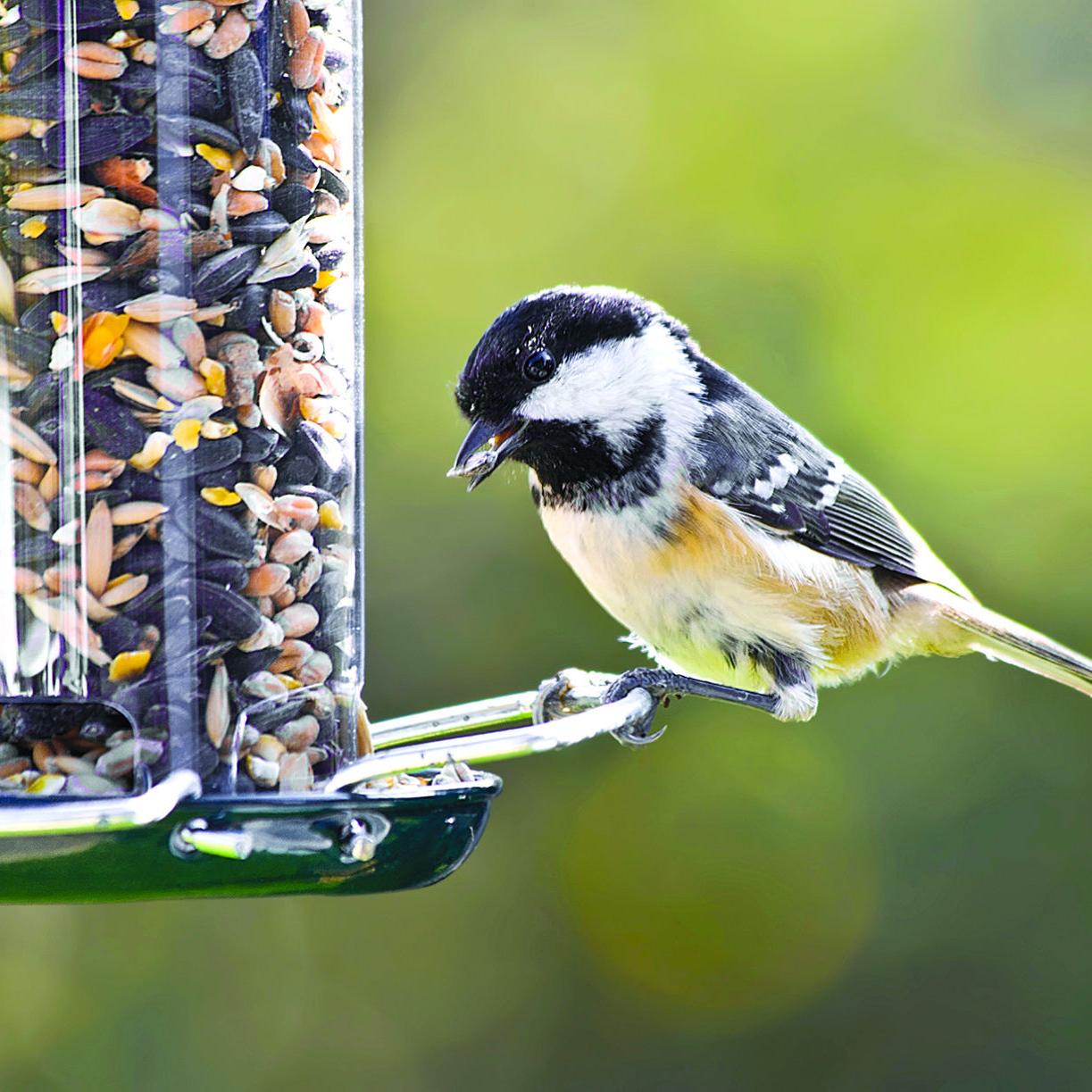
If you love watching birds in the Northwest, you probably want to know the best way to attract them to your yard. Choosing the right feed can make all the difference in bringing colorful, lively visitors to your outdoor space.
But with so many options out there, it’s easy to feel overwhelmed. What do local birds really like? How can you make your feeder stand out? Keep reading, and you’ll discover simple, effective tips that will help you enjoy more birdwatching moments right at home.
Your feathered friends are waiting!

Credit: www.birdfy.com
Common Birds In The Northwest
The Northwest is home to a rich variety of birds that bring life and color to your backyard. Knowing which birds are common here helps you choose the right feed to attract them. Each bird has its own taste, so understanding their preferences can make your bird-feeding experience more rewarding.
Songbirds And Their Preferences
Songbirds like chickadees, finches, and sparrows are frequent visitors. They enjoy small seeds such as sunflower seeds and millet. Offering a mix in a feeder or scattered on the ground works well.
I once noticed that adding nyjer seed attracted vibrant goldfinches almost immediately. Do you offer a variety of seeds to see which ones your backyard favorites prefer?
Woodpeckers And Their Diet
Woodpeckers like the Downy and Hairy woodpecker are drawn to suet and nuts. Suet feeders hung near trees provide them with energy-rich food, especially in colder months. Peanuts or shelled sunflower seeds are also great additions.
Placing suet near tree trunks mimics their natural feeding spots and increases your chances of a visit. Have you tried changing feeder locations to match their habits?
Waterfowl Feeding Habits
Ducks and geese frequent ponds and lakes across the Northwest. They prefer grains like cracked corn, oats, and barley over bread, which lacks nutrition. Feeding them near water keeps them safe and comfortable.
Next time you visit a local pond, try offering grains and watch how the waterfowl respond. Have you noticed how feeding the right food changes their behavior and health?
Essential Nutrients For Birds
Birds need a balanced diet to stay healthy and active. Essential nutrients support growth, energy, and feather health. Feeding birds in the Northwest means offering foods rich in these key nutrients. Understanding what birds require helps create the best feeding options for them.
Proteins And Fats
Proteins build strong muscles and repair tissues. Birds need protein for feather growth and egg production. Common protein sources include insects, mealworms, and nuts. Fats provide birds with energy and help keep them warm. Seeds like sunflower and safflower are rich in healthy fats. Both proteins and fats are vital during cold Northwest winters.
Vitamins And Minerals
Vitamins support immune health and vision. Birds need vitamin A for skin and feather quality. Minerals like calcium strengthen bones and eggshells. Crushed eggshells or cuttlebone are good calcium sources. Fresh fruits and vegetables add important vitamins. A diet lacking these nutrients can weaken birds and reduce survival rates.
Carbohydrates And Energy Sources
Carbohydrates give quick energy for daily activities. Seeds and grains are rich in carbohydrates. Birds like finches and sparrows enjoy millet and cracked corn. Fruits also provide natural sugars and hydration. Offering a variety of energy sources helps birds stay active and healthy throughout the year.
Best Seeds For Northwest Birds
Choosing the right seeds helps attract many birds in the Northwest. Birds prefer seeds that match their natural diet and local environment. Offering the best seeds keeps birds healthy and visiting your feeders often.
Black Oil Sunflower Seeds
Black oil sunflower seeds are a favorite among many Northwest birds. They have a thin shell, making them easy to crack open. Birds like chickadees, finches, and nuthatches enjoy these seeds the most. These seeds provide high energy and fat, perfect for colder months.
Nyjer Seeds
Nyjer seeds are tiny and rich in oil. Small birds like finches and siskins love these seeds. Nyjer seeds require special feeders with small holes to prevent spillage. These seeds help birds stay active and strong during winter.
Safflower Seeds
Safflower seeds are another excellent choice for Northwest birds. They have a thick shell that squirrels usually avoid. Cardinals, chickadees, and grosbeaks enjoy safflower seeds. These seeds offer a good mix of protein and fat, supporting bird health.

Credit: www.allaboutbirds.org
Nutritious Nuts And Fruits
Nuts and fruits provide essential nutrients for birds in the Northwest. They offer energy, vitamins, and healthy fats. These foods support birds through cold seasons and breeding times. Including a variety of nuts and fruits attracts many bird species to your yard.
Shelled Peanuts
Shelled peanuts are a favorite for many birds. They are easy to eat and provide high protein and fat content. Peanuts help birds stay warm during chilly days. Use unsalted, fresh peanuts to avoid harming the birds. Scatter them on a platform feeder or mix with other seeds.
Chopped Walnuts And Almonds
Chopped walnuts and almonds are excellent for larger birds like jays and woodpeckers. These nuts offer strong energy and healthy oils. Cut them into small pieces so birds can eat them easily. Avoid salted or roasted nuts to keep the food safe. Place chopped nuts in a tray feeder or mix with sunflower seeds.
Berries And Other Fruits
Fresh berries attract colorful birds such as robins and thrushes. Blueberries, raspberries, and elderberries work well. Other fruits like apple slices and grapes also draw birds. Cut fruits into small pieces for easy feeding. Avoid fruits with added sugar or preservatives. Place fruits on a flat feeder or directly on the ground.
Safe Feeding Practices
Feeding birds in the Northwest can be a rewarding experience, but it requires careful attention to safety. Your actions impact the health of the birds you welcome into your yard. Safe feeding practices ensure that your feathered visitors stay healthy and keep returning season after season.
Avoiding Harmful Foods
Not all foods are safe for birds. Avoid feeding birds bread, which offers little nutrition and can cause digestive problems. Also, stay clear of salty, sugary, or processed foods that can harm their health.
Instead, focus on natural options like sunflower seeds, millet, and suet. These provide the energy and nutrients birds need, especially during colder months. Have you ever noticed how birds skip certain feeders? It might be because those feeders offered unsafe or unappealing foods.
Proper Feeder Maintenance
Clean feeders regularly to prevent mold, bacteria, and disease spread. A simple routine of scrubbing feeders with hot water and mild soap once every two weeks can make a big difference. Rinse thoroughly to remove any soap residue.
Check for damaged parts that might injure birds or cause spills. Dirty feeders can discourage birds or even cause illness, so don’t overlook this step. How often do you clean your feeders? Consistency matters more than frequency.
Seasonal Feeding Tips
Adjust your feeding habits according to the season. In winter, birds need high-energy foods like suet and nuts to stay warm. During spring and summer, offer fruits and insects to mimic their natural diet.
Stop feeding in late spring if natural food sources are abundant to avoid dependency. Keep an eye on local bird activity to know when to start or stop feeding. Have you tried changing your feeder’s menu with the seasons? It can attract different species and keep your backyard lively year-round.
Attracting Birds With Feeders
Attracting birds with feeders can turn your yard into a lively space full of color and song. The right feeders bring different bird species closer. They also make feeding easier and safer for birds. Understanding feeder types, proper placement, and creating a welcoming environment helps attract more birds.
Choosing The Right Feeder Types
Select feeders based on the birds common to the Northwest. Tube feeders work well for small songbirds like finches and chickadees. Platform feeders attract larger birds such as jays and doves. Suet feeders are perfect for woodpeckers and nuthatches. Use nectar feeders to invite hummingbirds during warmer months.
Use feeders with easy-to-clean designs. Durable materials resist weather damage. Multiple feeding options attract a variety of birds.
Placement For Maximum Attraction
Place feeders near natural cover like trees or shrubs. Birds feel safe when they can quickly hide from predators. Avoid locations too close to windows to reduce collisions. Keep feeders at least 3 feet away from glass.
Hang feeders at different heights to attract various species. Maintain a clear flight path free of obstacles. Regularly clean feeders to prevent disease spread.
Creating A Bird-friendly Environment
Plant native trees and shrubs to provide food and shelter. Include berry-producing plants and seed-bearing flowers. Provide fresh water sources such as birdbaths or small ponds. Avoid using pesticides to keep the area safe for birds.
Leave some leaf litter and natural debris for insects. Birds feed on insects too, especially during nesting season. A quiet, calm area encourages birds to visit frequently.

Credit: www.yahoo.com
Frequently Asked Questions
What Do Birds Eat In The Northwest?
Birds in the Northwest enjoy a variety of foods. They commonly eat seeds, nuts, berries, and insects. Black oil sunflower seeds are particularly popular. Suet is a great option for winter months. Providing a diverse menu can attract a wide range of bird species to your feeder.
Is It Okay To Feed Bread To Birds?
Feeding bread to birds is not recommended. Bread lacks essential nutrients birds need. Consuming it can lead to malnutrition. Instead, offer nutrient-rich foods like seeds and nuts. These provide energy and essential nutrients for birds. Ensuring a healthy diet helps maintain bird health and vitality.
What Seeds Attract The Most Birds?
Black oil sunflower seeds attract a wide variety of birds. These seeds are high in fat, providing essential energy. Nyjer seeds are also popular, especially with finches. Offering a mix of seeds can attract different bird species. This diversity ensures an engaging bird-watching experience in your backyard.
How Can I Attract Hummingbirds?
To attract hummingbirds, offer a sugar water solution. Mix one part sugar with four parts water. Avoid using red dye. Planting native flowering plants can also attract hummingbirds. These provide natural nectar sources. Ensure feeders are clean and regularly refilled to keep them coming back.
Conclusion
Feeding birds in the Northwest can bring great joy. Choose seeds like sunflower and millet for best results. Fresh fruits and suet also attract many bird species. Keep feeders clean and full to help birds stay healthy. Watching birds eat is relaxing and fun.
Enjoy the simple pleasure of nature right outside your door. Small efforts make a big difference for local birds. Try different foods to see which birds visit most. Helping birds thrive supports the local ecosystem. Every little bit counts in caring for our feathered friends.