
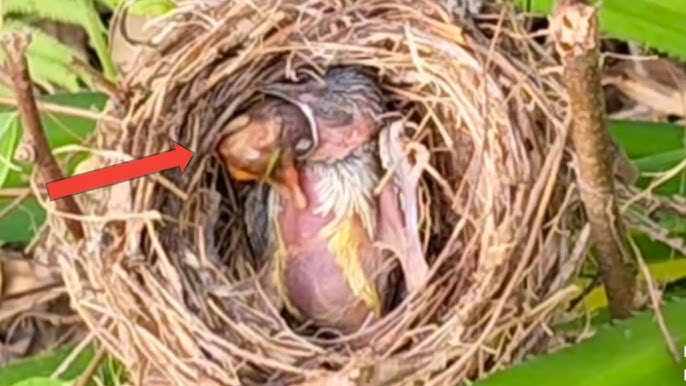
Have you ever wondered how tiny baby birds get their food? It’s amazing how mother birds take care of their chicks, making sure they grow strong and healthy.
When you learn how these feathered moms feed their babies, you’ll see nature’s incredible care up close. Keep reading, and you’ll discover surprising facts that will change the way you look at birds forever. Your curiosity is about to be rewarded!
Nest Preparation And Baby Arrival
Birds prepare carefully for their babies’ arrival. Nest making is a crucial task. It protects eggs and chicks from harm. Mothers invest time and effort in creating a safe space. This process starts even before the eggs appear.
Choosing The Perfect Spot
Birds select spots that offer safety and shelter. They prefer places hidden from predators and harsh weather. Trees, bushes, or cliffs often serve as good locations. Some birds choose human structures for added protection. The spot must be stable and secure for the nest.
Building A Safe Home
Birds gather materials like twigs, leaves, and feathers. These items make the nest soft and warm. Mothers weave the pieces tightly to keep the nest strong. The nest shape varies by bird species. It must hold eggs firmly without falling apart.
Egg Incubation Process
Once eggs are laid, mothers keep them warm. They sit on the eggs to maintain the right temperature. This process, called incubation, lasts days or weeks. Mothers rarely leave the nest during this time. Warmth helps the baby birds develop inside the eggs.

Credit: m.youtube.com
Feeding Techniques Of Mother Birds
Mother birds use special ways to feed their babies. These techniques help young birds get the right food to grow strong and healthy. Each bird species may use a different feeding style. The mother’s care is crucial during the early days after hatching.
Regurgitation Feeding
Many mother birds eat food and then bring it back up for their chicks. This process is called regurgitation feeding. The mother softens hard food by partially digesting it. Then, she feeds the softened food directly into the chick’s mouth. This makes the food easier to swallow and digest for the babies.
Regurgitation allows mothers to feed their chicks a variety of foods. It also helps protect the young birds from choking on tough pieces. This technique is common in species like pigeons, doves, and some songbirds.
Direct Food Delivery
Some mother birds pick up insects, worms, or seeds and place them straight into their chicks’ mouths. This direct delivery is quick and effective. The chicks open wide and wait eagerly for the food. The mother repeats this many times during the day.
This method lets the mother control the size and type of food given. It also helps her teach the chicks what to eat. Birds like robins and sparrows often use direct delivery.
Frequency And Timing
Mother birds feed their babies many times a day. Young chicks need constant care and energy to grow fast. Feeding frequency can reach up to every 10 or 15 minutes. As chicks grow, feeding sessions become less frequent but larger in amount.
The timing of feeding often depends on the weather and food availability. Mothers work hard from dawn to dusk. They pause only to rest or protect the nest. This constant effort ensures the survival of their young.
Types Of Food For Nestlings
Mother birds provide different types of food to their nestlings. The food depends on the species and the nestlings’ needs. Each type of food offers essential nutrients for healthy growth. Feeding is a careful process. The mother bird chooses food that is easy to digest and rich in protein or energy.
Insects And Worms
Many bird species feed their babies insects and worms. These foods offer high protein, which helps build muscles and feathers. Caterpillars, beetles, and ants are common choices. Worms provide moisture and nutrients. The mother often catches live insects to feed the nestlings fresh food. This diet is common in songbirds and woodpeckers.
Seeds And Fruits
Some birds feed seeds and fruits to their young. Seeds are full of fats and energy. Fruits supply vitamins and water. Finches and pigeons often use this type of diet. Mothers may mash seeds to make them easier for babies to eat. Soft fruits like berries are also popular. This food type helps with healthy development and hydration.
Specialized Diets
Certain birds have unique diets for their nestlings. For example, hummingbirds feed their babies a sugary liquid made from nectar. Raptors like hawks feed their young small mammals or fish. Penguins feed their chicks regurgitated fish. These specialized diets suit the environment and the species’ needs. They provide targeted nutrition for survival.

Credit: www.discovermagazine.com
Communication Between Mother And Babies
Communication between mother birds and their babies is a fascinating and vital part of feeding. It ensures that chicks get the right amount of food at the right time. This interaction is more than just a simple exchange; it involves sounds, movements, and a deep connection that helps the young birds survive and thrive.
Begging Calls
Baby birds use begging calls to signal hunger. These calls vary in pitch and intensity depending on how hungry the chick is. You might notice that louder, more persistent calls usually mean the chick needs immediate feeding.
Interestingly, some chicks can even change their calls to compete with their siblings for attention. This shows how smart these tiny creatures are in getting the care they need.
Feeding Cues
Mother birds watch for specific feeding cues before offering food. These include open mouths, flapping wings, and certain postures. Such signals help the mother decide which chick to feed first and how much food to give.
Have you ever seen a mother bird gently tapping the nest or positioning her body to make feeding easier? These are subtle cues that guide the feeding process smoothly.
Parent-offspring Bonding
The bond between mother and babies grows stronger through feeding interactions. This relationship builds trust and helps chicks feel safe. When you watch a mother bird carefully feeding her young, you witness a powerful example of care and attention.
Think about how this bond might affect the chicks’ chances of survival. A strong connection encourages better feeding and protection, which are essential in the wild.
Challenges In Feeding Young Birds
Feeding young birds is not easy for mother birds. Many challenges make this task difficult. These challenges affect how often and how well the babies eat. Understanding these problems helps us see the effort behind each feeding.
Predators And Threats
Predators like snakes, cats, and larger birds threaten baby birds. Mothers must watch carefully and protect their nests. They often feed quickly to avoid drawing attention. Some birds build nests in hidden places to keep babies safe.
Weather Conditions
Bad weather makes feeding harder. Rain, wind, and cold can stop mother birds from finding food. Wet or cold babies need more care to stay warm and healthy. Sometimes, harsh weather lowers food availability, forcing mothers to travel farther.
Competition Among Siblings
Baby birds often fight for food inside the nest. Stronger chicks get more meals, while weaker ones may go hungry. Mothers try to feed all babies, but competition is natural. This struggle helps the strongest survive and grow.

Credit: www.youtube.com
Growth Milestones And Weaning
Watching mother birds feed their babies is a fascinating glimpse into nature’s careful nurturing process. Growth milestones and weaning mark critical phases in a baby bird’s journey from total dependence to independence. These stages reveal not only how quickly birds develop but also how mothers adjust their care to prepare their young for survival beyond the nest.
Rapid Development Stages
Baby birds grow incredibly fast, often doubling in size within just a few days. You’ll notice their feathers start to appear, replacing the initial fluff, which is a clear sign they’re getting ready for the next phase. During this time, mother birds increase feeding frequency, providing more food packed with nutrients to support this quick growth.
Have you ever wondered how they know exactly when to speed up feeding? It’s all about instinct and responding to the chicks’ begging behavior—louder, more persistent calls signal hunger and growth spurts.
Transition To Self-feeding
As chicks grow, mothers begin encouraging them to eat on their own, a crucial step toward independence. You might see the parent bird dropping food near the chicks instead of directly into their mouths. This subtle shift teaches the young birds how to peck and hunt for food themselves.
During this phase, patience is key. The chicks may struggle or even refuse food at times, but this trial-and-error helps them develop essential survival skills. If you’ve ever watched birds at a feeder, you might notice juveniles awkwardly trying to grab seeds—this is their practice ground.
Leaving The Nest
One of the most exciting growth milestones is fledging, when baby birds leave the nest for the first time. This step is risky but necessary. Mother birds often stay close by, encouraging and protecting their fledglings as they learn to fly and find food.
Have you noticed how the mother’s role changes here? She shifts from constant feeder to a guide and guard. This period tests the young birds’ new skills and resilience, and it’s a powerful reminder of how growth isn’t just physical but also about gaining confidence and independence.
Unique Feeding Adaptations
Birds have evolved fascinating ways to feed their young. These unique feeding adaptations help chicks survive and grow strong. Each species has developed special methods suited to its environment and needs. Some feed their babies with a nutritious substance, while others share the work between parents. These adaptations show how nature solves the challenge of feeding hungry chicks.
Crop Milk In Pigeons And Doves
Pigeons and doves produce a special food called crop milk. It is a thick, creamy substance made in the parents’ crop, a part of their throat. Both mother and father create this milk. They feed it directly to their chicks by regurgitating it into their mouths. Crop milk is rich in protein and fat, perfect for fast growth. It lasts only a few days before chicks start eating seeds.
Feeding In Brood Parasites
Brood parasites, like cuckoos, have a unique feeding strategy. They lay eggs in other birds’ nests. The host parents then feed the parasite chick, often at the expense of their own young. The parasite chick usually hatches first and grows faster. It demands food loudly and frequently to get more from the foster parents. This method saves the parasite parents energy but can be tough on the host birds.
Parental Cooperation
Many bird species share feeding duties between mother and father. This teamwork ensures constant food supply for the chicks. One parent may hunt or gather food while the other guards the nest. They take turns feeding, keeping the chicks warm and safe. This cooperation improves the chances of chick survival in harsh conditions. It also helps parents manage their energy better during the demanding nesting period.
Frequently Asked Questions
How Do Mother Birds Feed Their Chicks?
Mother birds feed their chicks by regurgitating food. They consume food, partially digest it, and then bring it back up. This softened food is easier for chicks to digest. The mother carefully places the regurgitated food into the open mouths of her chicks, ensuring they receive the necessary nutrients.
What Types Of Food Do Mother Birds Provide?
Mother birds primarily provide insects, seeds, and worms to their chicks. Insects and worms are rich in protein, essential for growth. Some species might also offer fruits or nectar. The choice of food depends on the bird species and the availability of resources in their environment.
How Often Do Mother Birds Feed Their Young?
Mother birds feed their young several times a day. The frequency depends on the bird species and the chicks’ age. Younger chicks require more frequent feedings. As they grow, the feeding intervals might decrease slightly. This frequent feeding ensures chicks get enough nutrients to develop healthily.
Why Do Mother Birds Regurgitate Food?
Regurgitation makes food easier for chicks to digest. Chicks lack fully developed digestive systems. The mother bird’s digestion partially breaks down the food. This process ensures chicks receive nutrients in a form they can absorb. It also ensures the food is safe and free from harmful elements.
Conclusion
Mother birds work hard to feed their babies every day. They bring food directly to the nest. This care helps baby birds grow strong and healthy. Watching this natural process shows how animals protect their young. Nature’s way of feeding is simple but very effective.
It teaches us about patience and care. Every small action counts in helping life survive. This feeding habit is key to bird survival and growth. Understanding it helps us appreciate the beauty of nature.